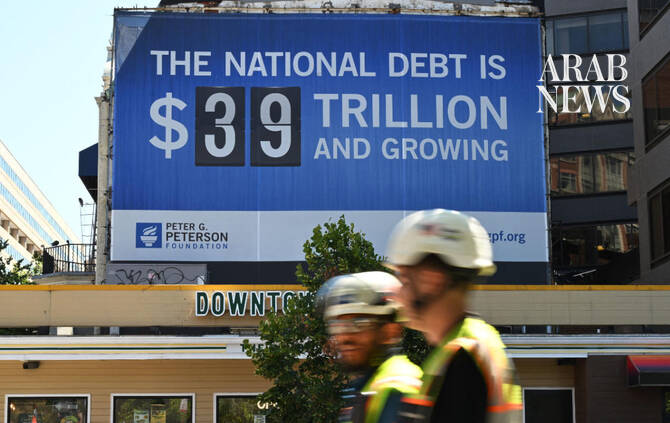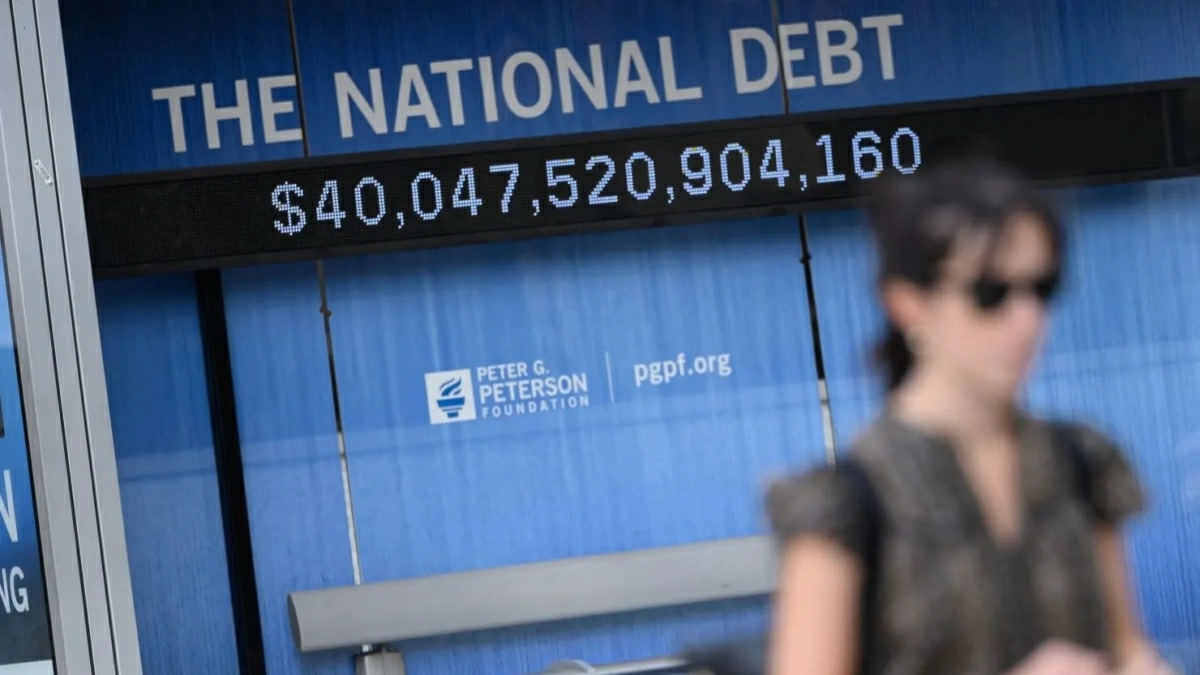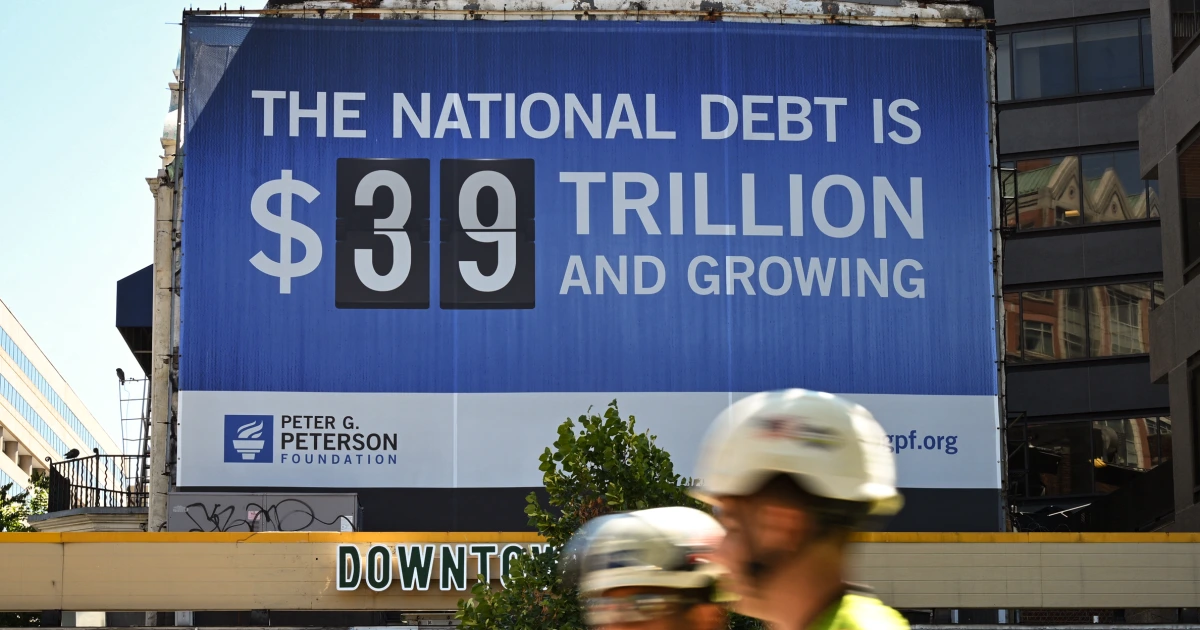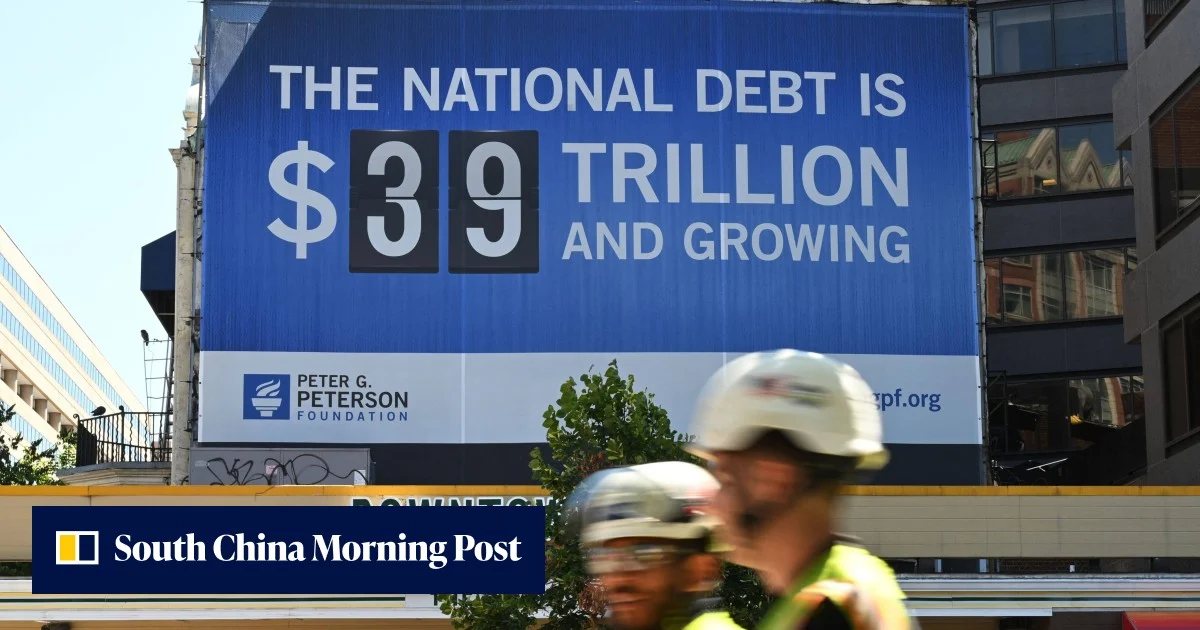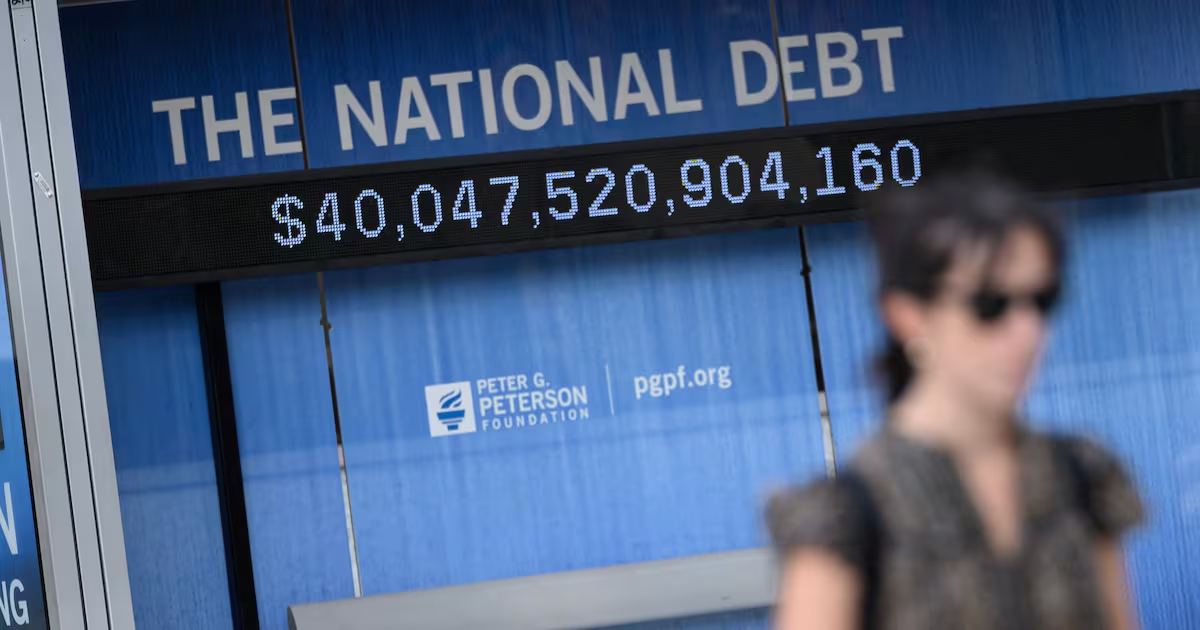
The US national debt now stands at a record $40 trillion (€34.4tn), while the Treasury has responded to the bond market pressure by pledging to buy back far more of its own older securities.
Washington's two announcements landed on the same day and represent two symptoms of the same underlying strain: a government borrowing at a record pace just as buyers of its longest-dated debt are demanding higher returns to keep lending.
Buybacks work like a targeted repurchase. Rather than printing new money, the US Treasury uses cash it already has to repurchase older, harder-to-trade bonds from investors, improving liquidity without changing the total stock of debt.
From 9 September, the maximum size of each buyback operation in the 10-to-20-year and 20-to-30-year markets will at least double, from $2 billion (€1.7bn) to $4 billion (€3.4bn), running through the next quarterly refunding on 4 November.
The US Treasury said the change reflects "strong sponsorship from market participants" in that part of the curve, but the timing of the decision was no accident.