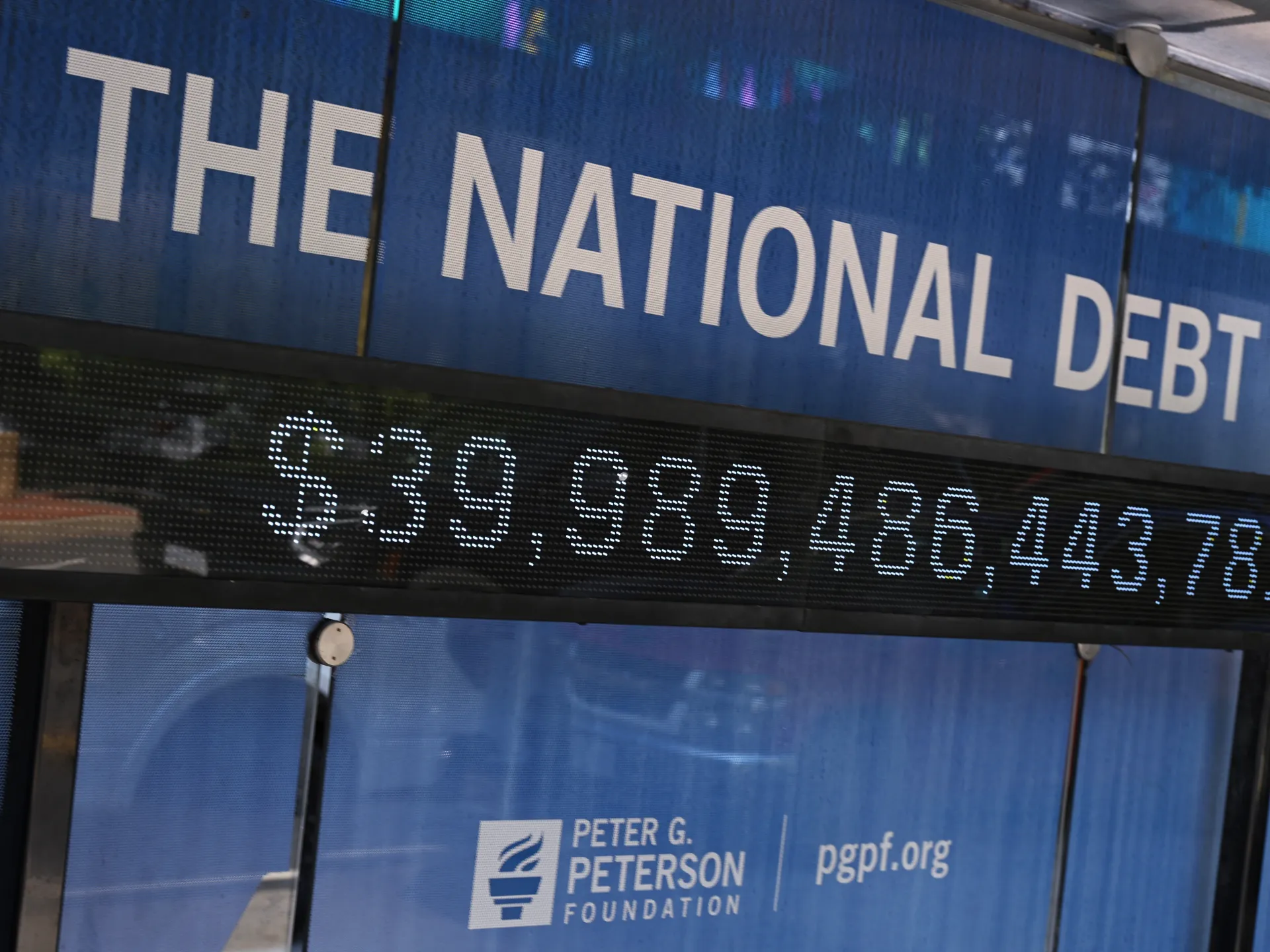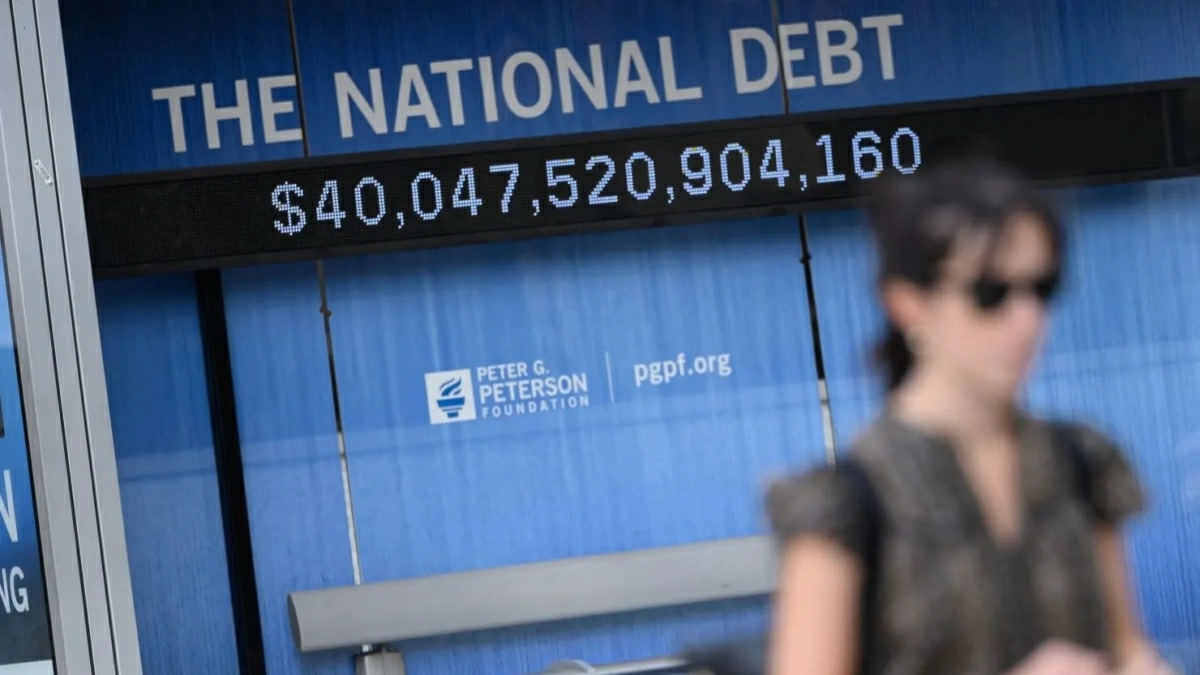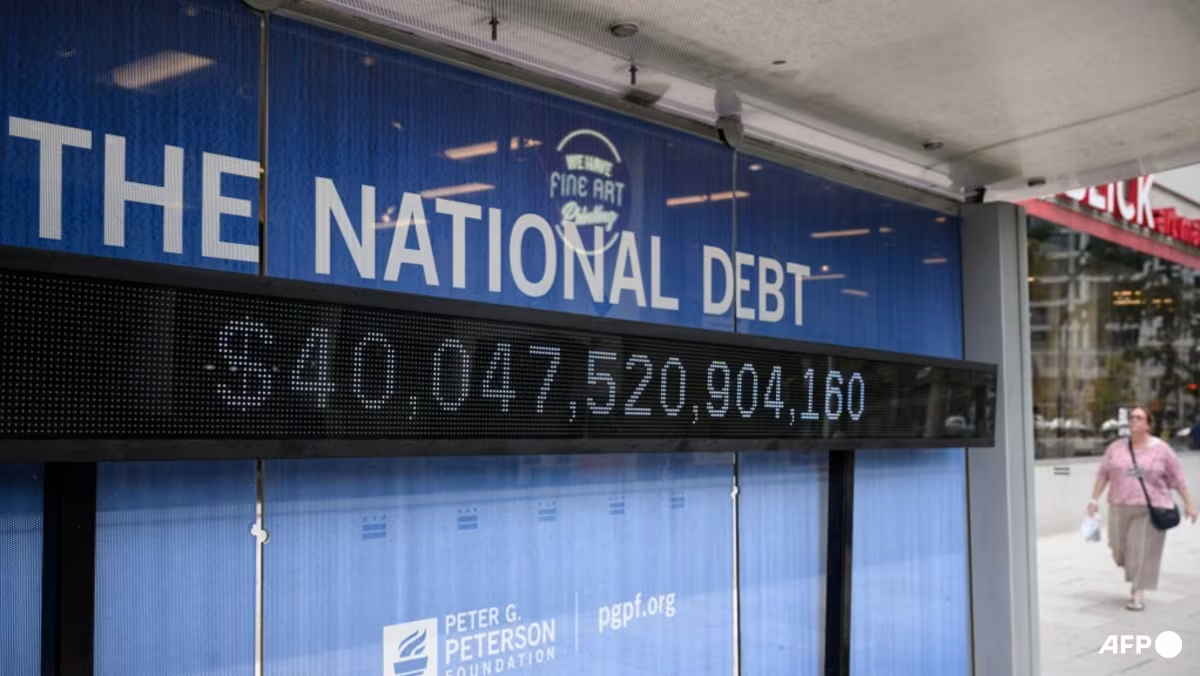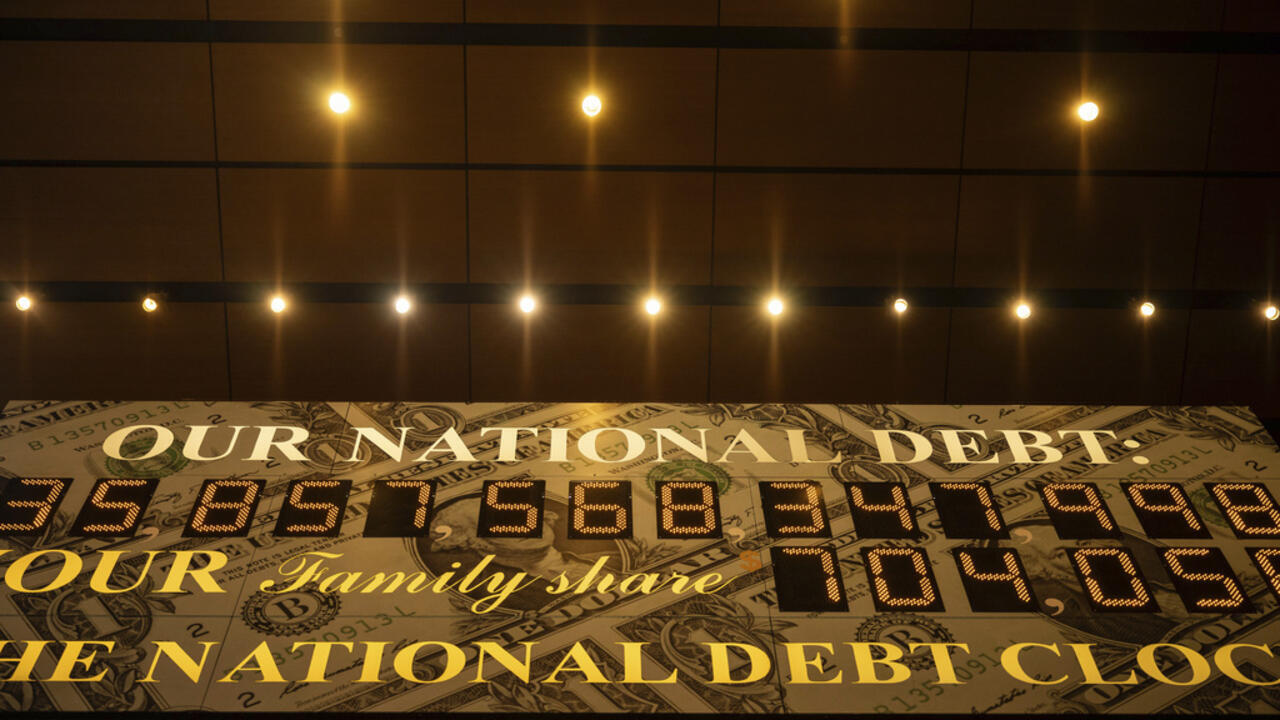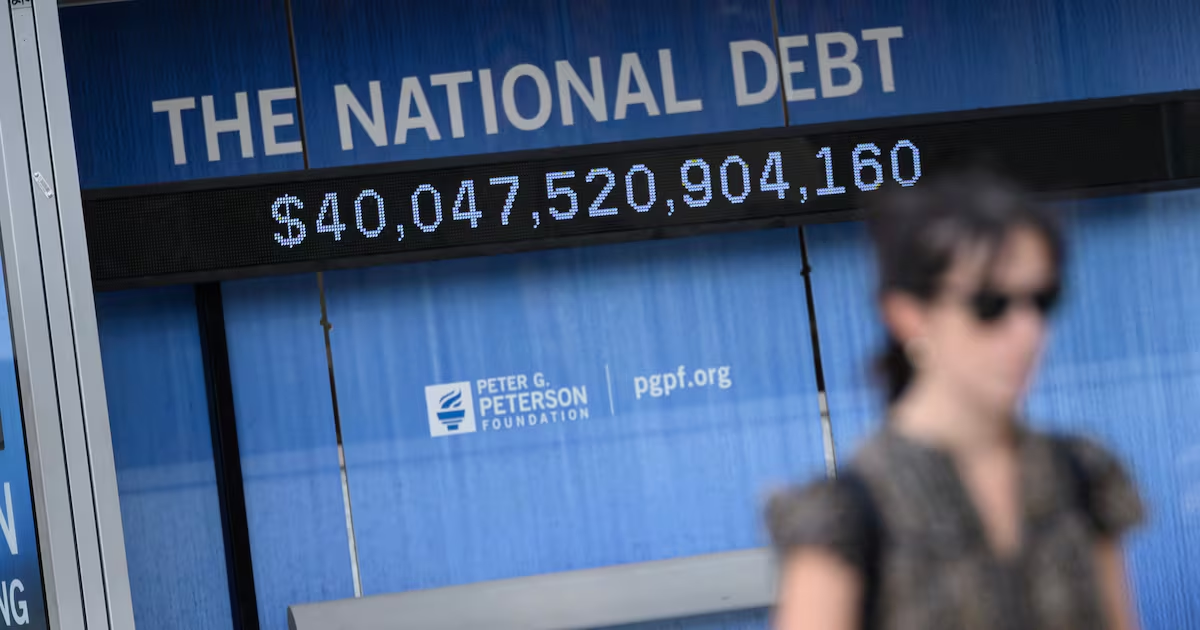
The US’s national debt has hit a record $40 trillion as borrowing rises at a historic pace, fuelling investor concerns about the state of America’s public finances despite Donald Trump’s vow to bring spending under control.Gross federal debt crossed the threshold on Tuesday, according to Treasury department data released on Wednesday. It has grown by $3 trillion over the past year, its fastest ever pace outside the pandemic era, FT calculations show.“It’s that gigantic flashing ‘check engine’ light,” said Marc Goldwein, senior policy director at the Committee for a Responsible Federal Budget think-tank. “It doesn’t mean that your engine’s going to melt down tomorrow, but it’s a good signal that things are pretty out of control. And it’s not just the magnitude, it’s the speed at which we’ve hit it.”America’s national debt has surged over the past two decades, rising from less than $6 trillion (about $12 trillion in 2026 dollar terms) at the turn of the century as vast public spending during the financial crisis and Covid pandemic exacerbated yawning budget deficits.In the past 10 years alone, the overall debt burden has doubled. Debt held by the public — a key metric monitored by markets that excludes intragovernmental holdings — now exceeds $32 trillion, roughly equal to the size of the US economy.The Congressional Budget Office, a non-partisan watchdog, expects the debt held by the public to exceed the high of 106 per cent of GDP reached in the aftermath of the second world war by the end of the decade and hit 120 per cent by 2036.As the debt has swollen, investors have demanded a rising premium to hold US bonds. That has pushed up interest rates so that the cost of servicing the debt now exceeds federal spending on national defence.That has caused unease in Washington. On Wednesday, before the release of the debt data, the Treasury said it would double purchases of long-term government debt in a bid to contain a recent sell-off.Last week, the US paid its highest borrowing costs to sell 30-year bonds since 2001, while an auction for 10-year notes on Wednesday fetched the highest yields since 2007 as investors fretted over the size of the debt.“It’s a lot of money that is owed. It will feed on itself with interest expense,” Ed Yardeni, president of Yardeni Research, said. “If interest rates rise as a result of concerns about the large debt load, that will lead to even more interest expense. It’s a vicious cycle.”Trump returned to office in 2025 pledging to curb wasteful government spending. Treasury secretary Scott Bessent vowed to curb the budget deficit to 3 per cent of GDP by the end of Trump’s term.But measures taken to cut spending in some areas have been offset by large tax cuts in the president’s 2025 signature budget legislation, the One Big Beautiful Bill Act, which is set to push up debt by more than $4 trillion by 2034. Trump has also called for annual defence spending to be increased by more than half to $1.5 trillion, the largest funding request in US history.The deficit shrank to 5.9 per cent of GDP in 2025 from 6.3 per cent the previous year. The CBO expects it to edge lower to 5.8 per cent this year. The US national debt is the accumulation of years of deficits compounded by interest expense.Analysts said both of America’s political parties had shirked opportunities to take significant steps to curb spending during periods of growth.“All of this is happening at a time of relative economic strength . . . and we are still running annual deficits that are in the order of $2 trillion,” said Shai Akabas, vice-president of economic policy at the Bipartisan Policy Center. “If the economy goes south or conflicts flare up further overseas, that’s going to drive those numbers higher.”Congress’s Joint Economic Committee calculates that, over the past year, the total national debt has increased by about $7.9 billion per day, or roughly $91,000 per second.Budget experts said they hoped that debt crossing the $40 trillion threshold would act as a rallying call for politicians from both parties to take serious steps to bring it back under control.“My hope is that that’s a national alarm and wake-up call to address our fiscal future,” said Michael Peterson, head of the Peterson Foundation, a think-tank, set up with a mission to put debt back on a sustainable path.“If we continue to borrow this much, we’ll have a day of reckoning in the financial markets . . . where people wake up and decide: ‘You know what? I’m more worried about the United States now. I’m going to demand higher rates or I’m going to take my money elsewhere,” he added. - Copyright Financial Times
US national debt has hit a record $40 trillion
Borrowing rises at a historic pace despite Trump pledge to control spending
788 words~4 min read