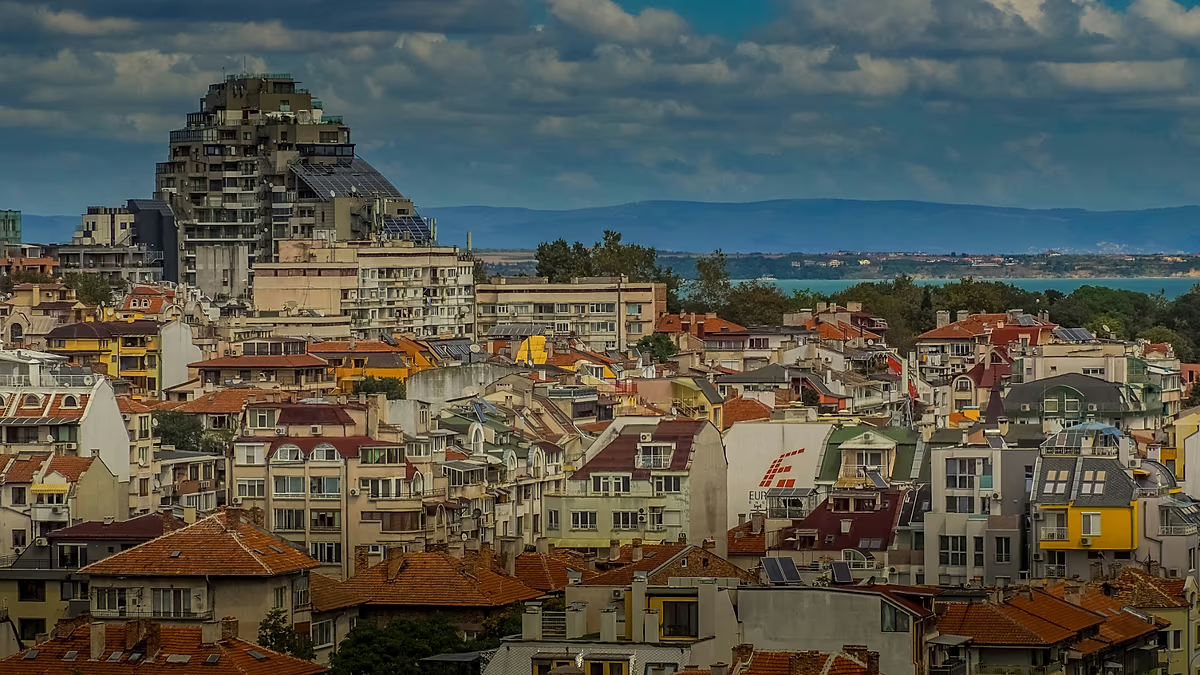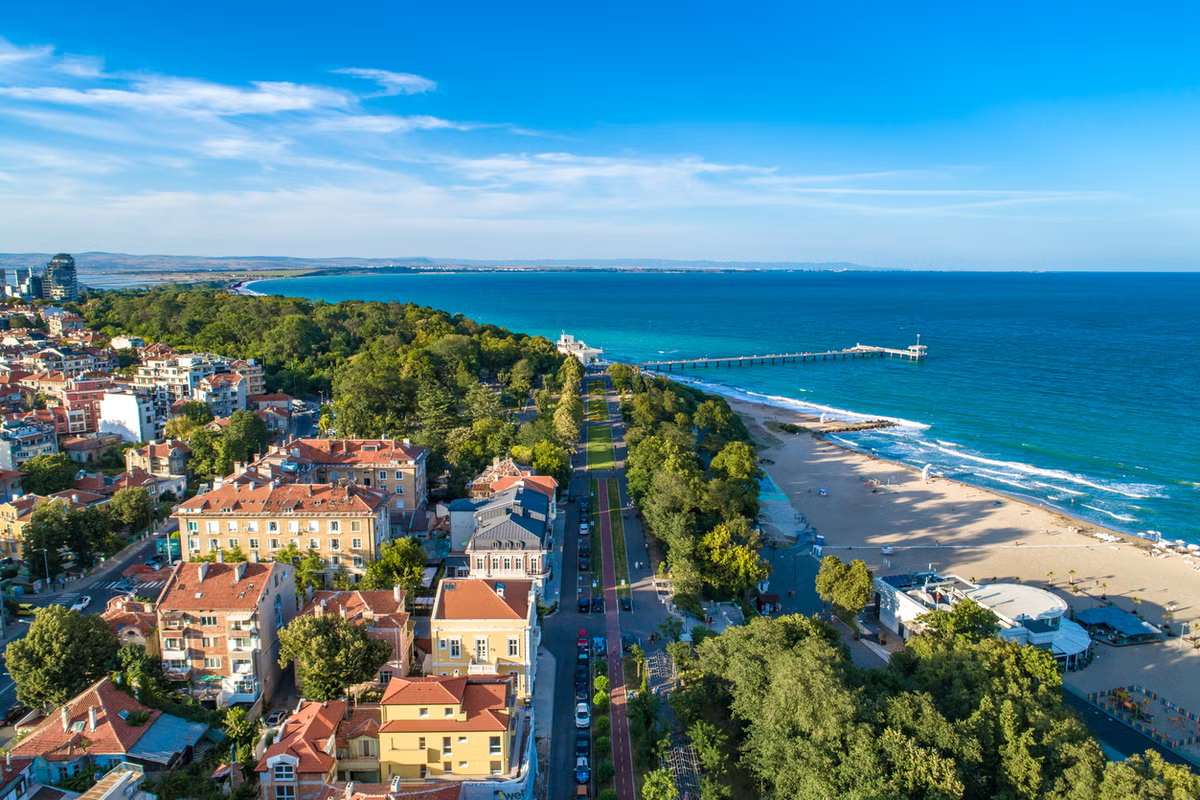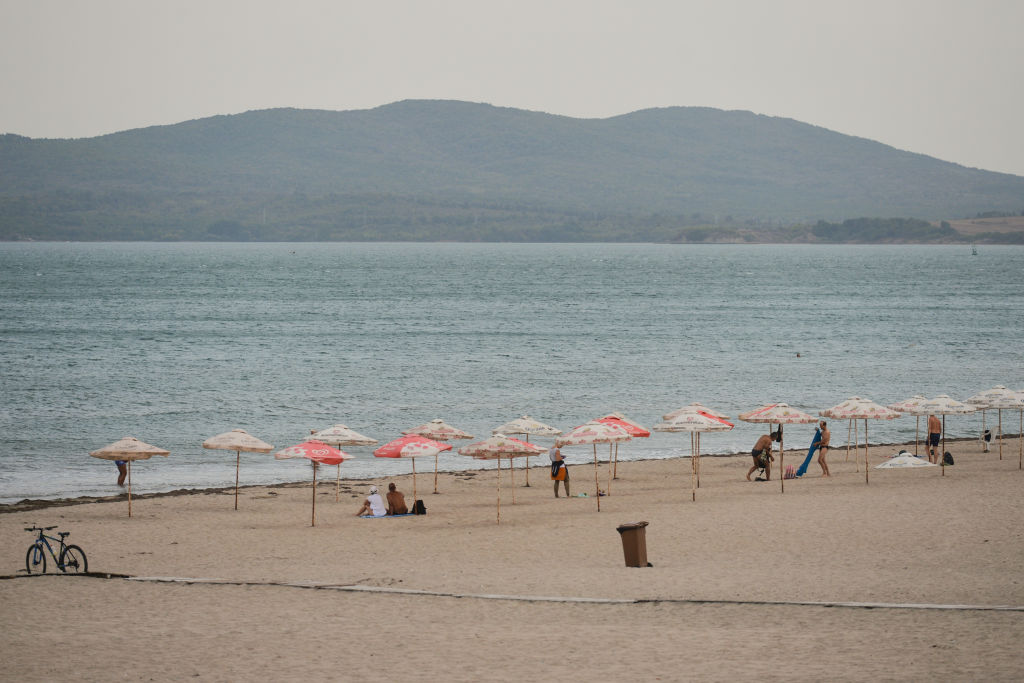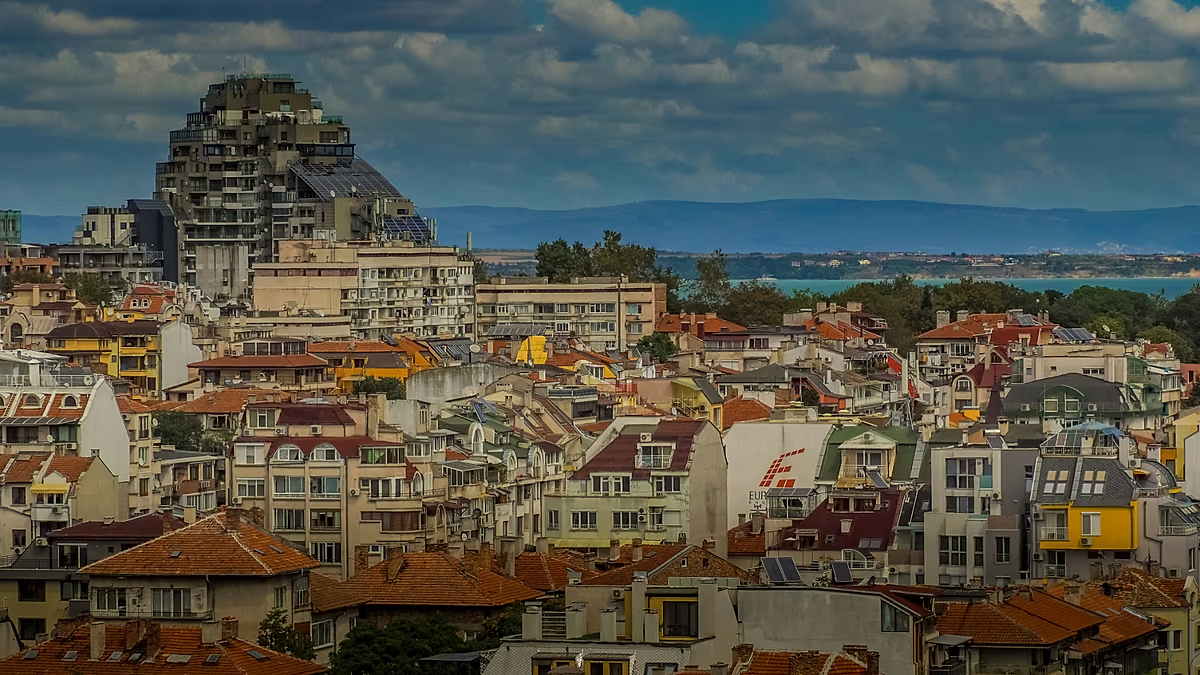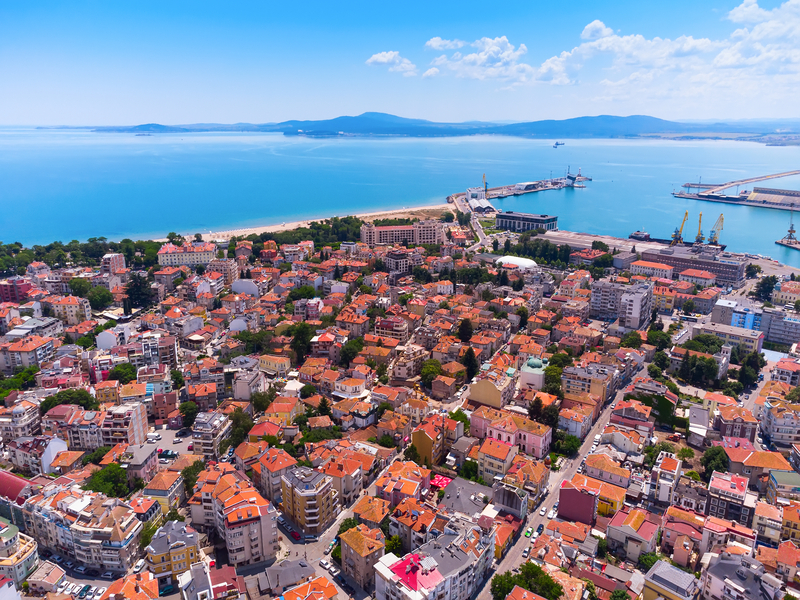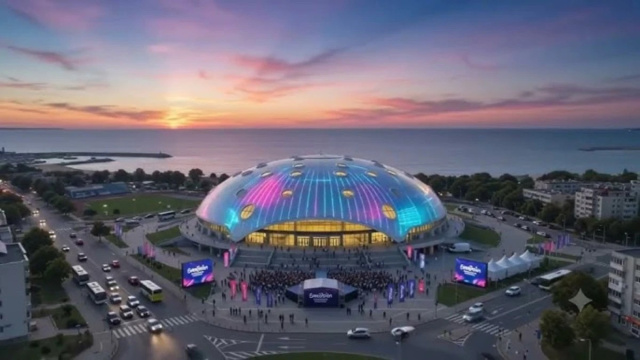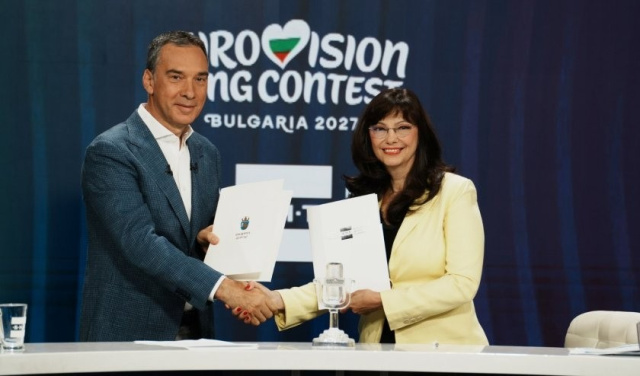
The decision to award Burgas the right to host Eurovision 2027 has triggered both celebration and controversy, with questions emerging over the criteria used to select the seaside city over Sofia and how transparent the process was.
The choice prompted a broad public reaction, ranging from congratulations to demands for more information about why Burgas was ultimately preferred. Communications expert Georgi Kurtev said on Nova TV that the lack of clarity surrounding the decision was itself a problem. “Nobody understood why Burgas was preferred. And in fact, this is one of the big problems,” he said on the television program “Hello, Bulgaria,” while stressing that he had no objection to Burgas hosting the contest.
Kurtev argued that the main requirements for organizing Eurovision appeared to be present in all four cities that initially submitted applications. These included an appropriate venue, stage facilities, transportation, connectivity and a cultural program.
In his view, however, the public has not been given enough information about how the final decision was reached. “The fact that we are having a conversation on the topic shows that there is something unsaid,” he said.
The lack of detailed information has also opened the door to political interpretations. Kurtev pointed to criticism from Sofia Municipality and Mayor Vasil Terziev, including claims that the capital “does not look like anything,” arguing that the issue was quickly transformed from a competition between host cities into a political dispute.