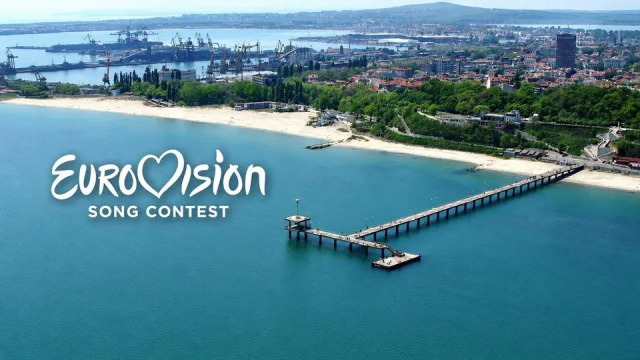
Burgas has won the right to host Eurovision 2027, beating Sofia after a selection process that lasted more than two months. The decision immediately turned into a political argument, with supporters of Sofia questioning whether the seaside city was genuinely the stronger candidate or whether political considerations played a role.
The honest answer, based on the information available, is that Burgas is a defensible choice, but the way the decision has been explained leaves enough unanswered questions for political suspicions to flourish.
There is nothing inherently unusual about Eurovision being held outside a capital. In recent years, Basel, Malmö, Liverpool, Rotterdam and Turin have all hosted the contest. The European Broadcasting Union does not require the host city to be the country's capital and BNT Director General Milena Milotinova stressed precisely this point after the decision.
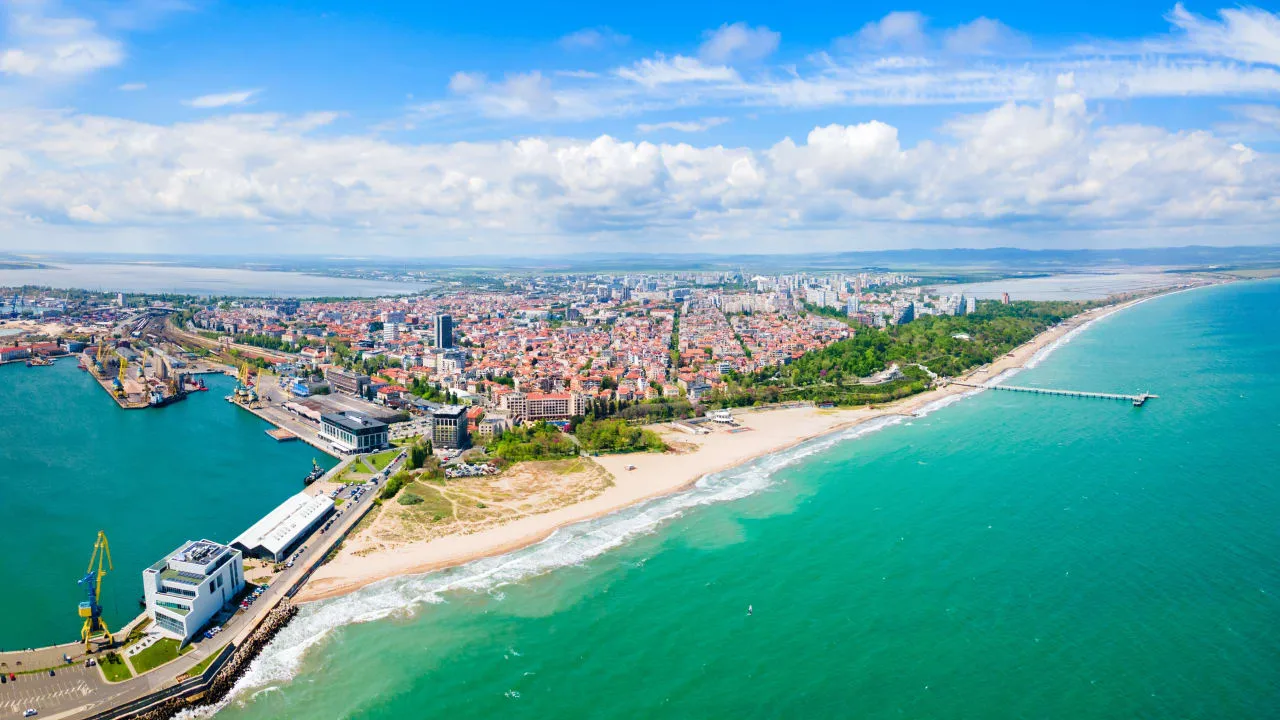
Burgas also has a credible case of its own. The city has Arena Burgas, described by Milotinova as a modern venue with considerable capacity and the flexibility to accommodate the large amount of equipment required for Eurovision. The municipality also plans to take the contest beyond the arena, with events in the Sea Garden and a Eurovision Village in the city center.