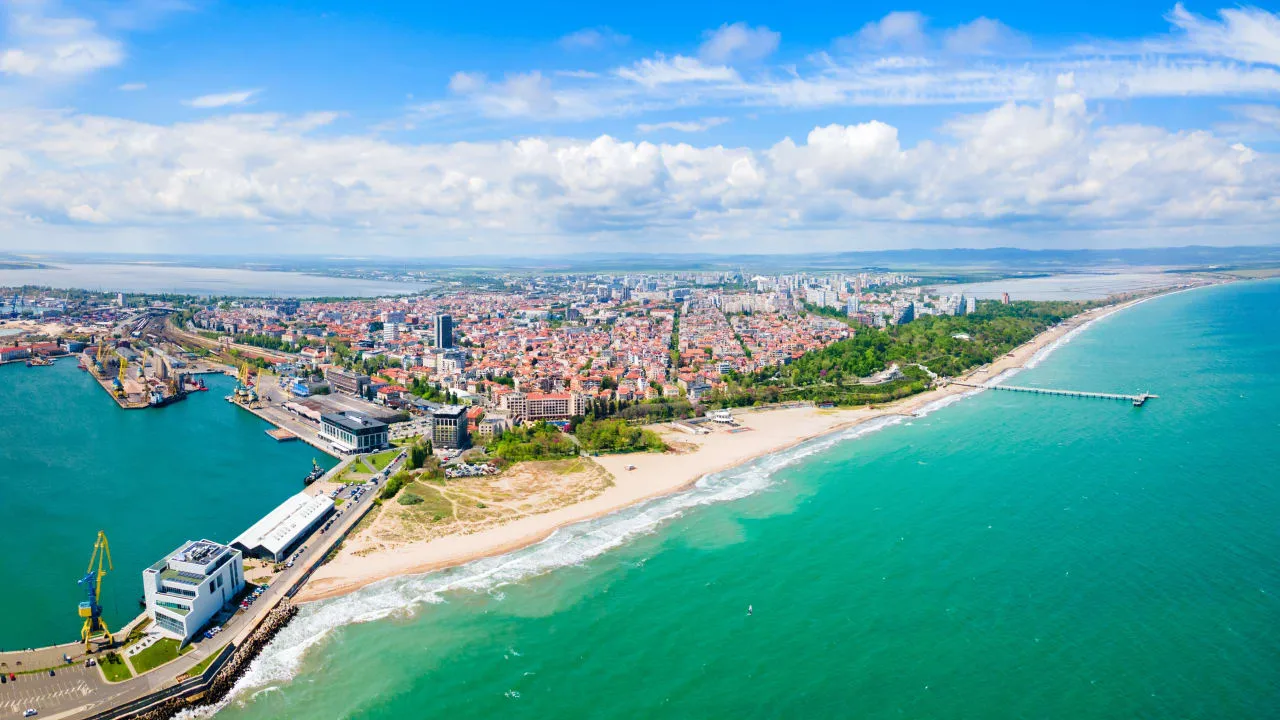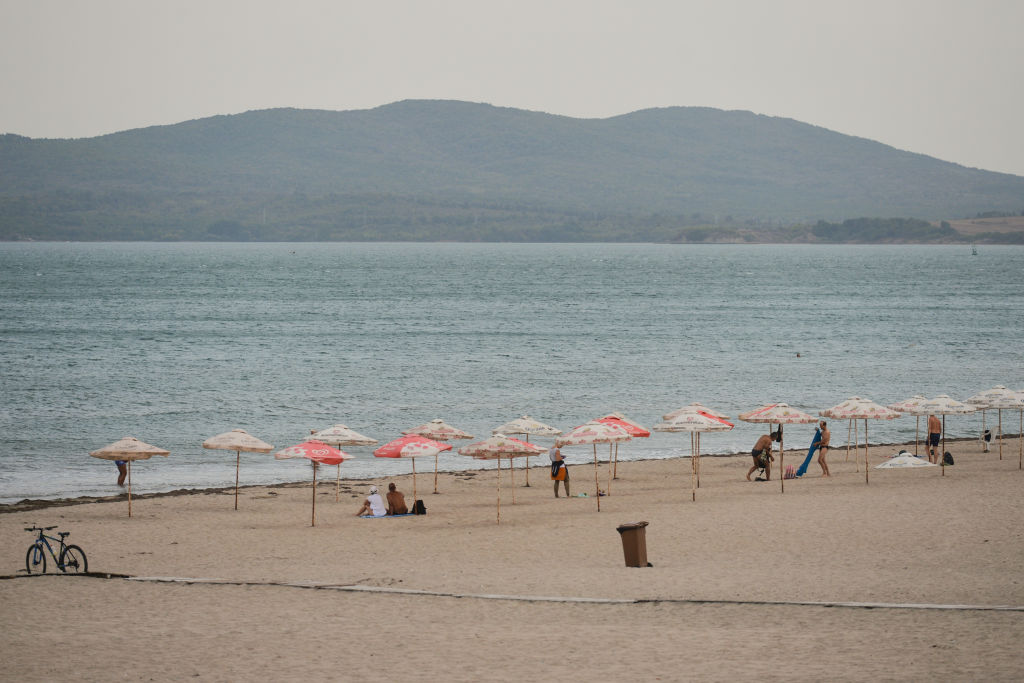
The Black Sea city of Burgas in Bulgaria has been selected to host the Eurovision Song Contest in May next year, the show’s organisers said on Thursday. Bulgaria won Eurovision for the first time in May in a final overshadowed by five countries, including Ireland, boycotting the event over Israel’s military offensive in Gaza, claiming a dramatic victory despite another big public vote for Israel that again secured it second place.The garish and usually good-natured competition involving pop acts from countries across Europe and beyond, heading into its 71st year in 2027, was plunged into crisis by the dispute over Gaza.Arena Burgas, in Bulgaria’s fourth-largest city, will welcome thousands of fans from around the world for the live show, which will be watched by millions of people, the European Broadcasting Union (EBU) said.Burgas, known for its beaches and cultural life, was chosen over the capital Sofia because of its accommodation capacity, venue potential and overall vision to transform the city for the contest, the EBU said.“Burgas brings something really special to the Eurovision Song Contest,” Martin Green, director of Eurovision, said in a statement.“It is a vibrant, welcoming city on the Black Sea with a strong musical and cultural identity, and it has the ambition, infrastructure and passion needed to welcome the Eurovision family.”The contest’s two semi-finals will take place on Tuesday, May 11th, and Thursday, May 13th, with the final on Saturday, May 15th, 2027, the EBU said.Host cities have benefited economically from hosting the contest, using the event to showcase their city and country to a global audience, the EBU said. The Swiss city of Basle generated a €58 million economic boost when it hosted the show in 2025, the EBU said. Vienna also saw strong returns from this year’s contest, with 88,000 additional visitors. The contest’s organisers have approved a series of rule changes, including a provision barring winning broadcasters from hosting the event if armed conflict or security concerns affect their country or region. The EBU said it may commission an independent security assessment and, if necessary, appoint an alternative host broadcaster, which would assume full responsibility for staging the event. The annual rule review also raises the minimum age for participating artists to 18 from 16, a move the EBU said was designed to strengthen safeguards for young performers. – Reuters
Eurovision 2027: Bulgaria’s Black Sea city of Burgas selected to host
Bulgaria won Eurovision for the first time in May in a final overshadowed by countries boycotting the event
386 words~2 min read