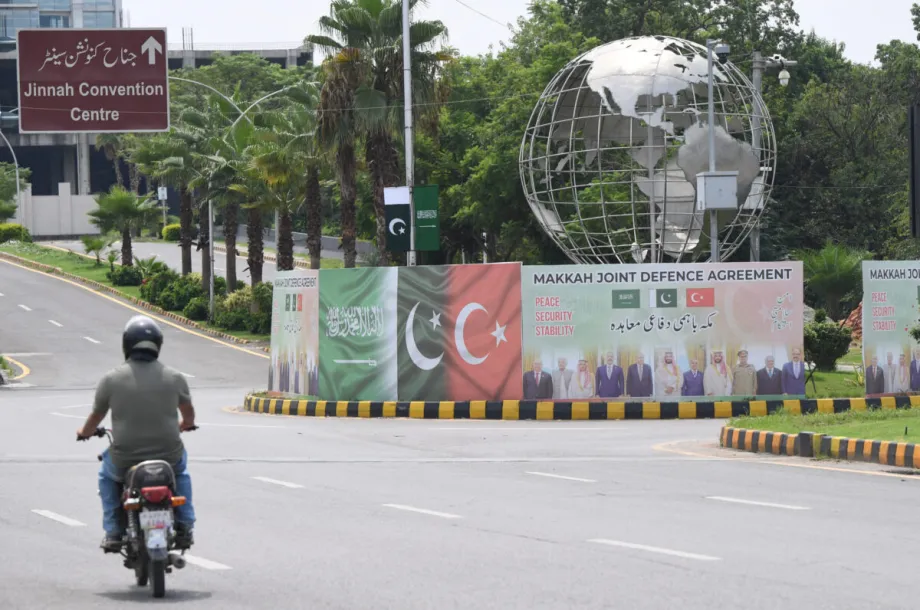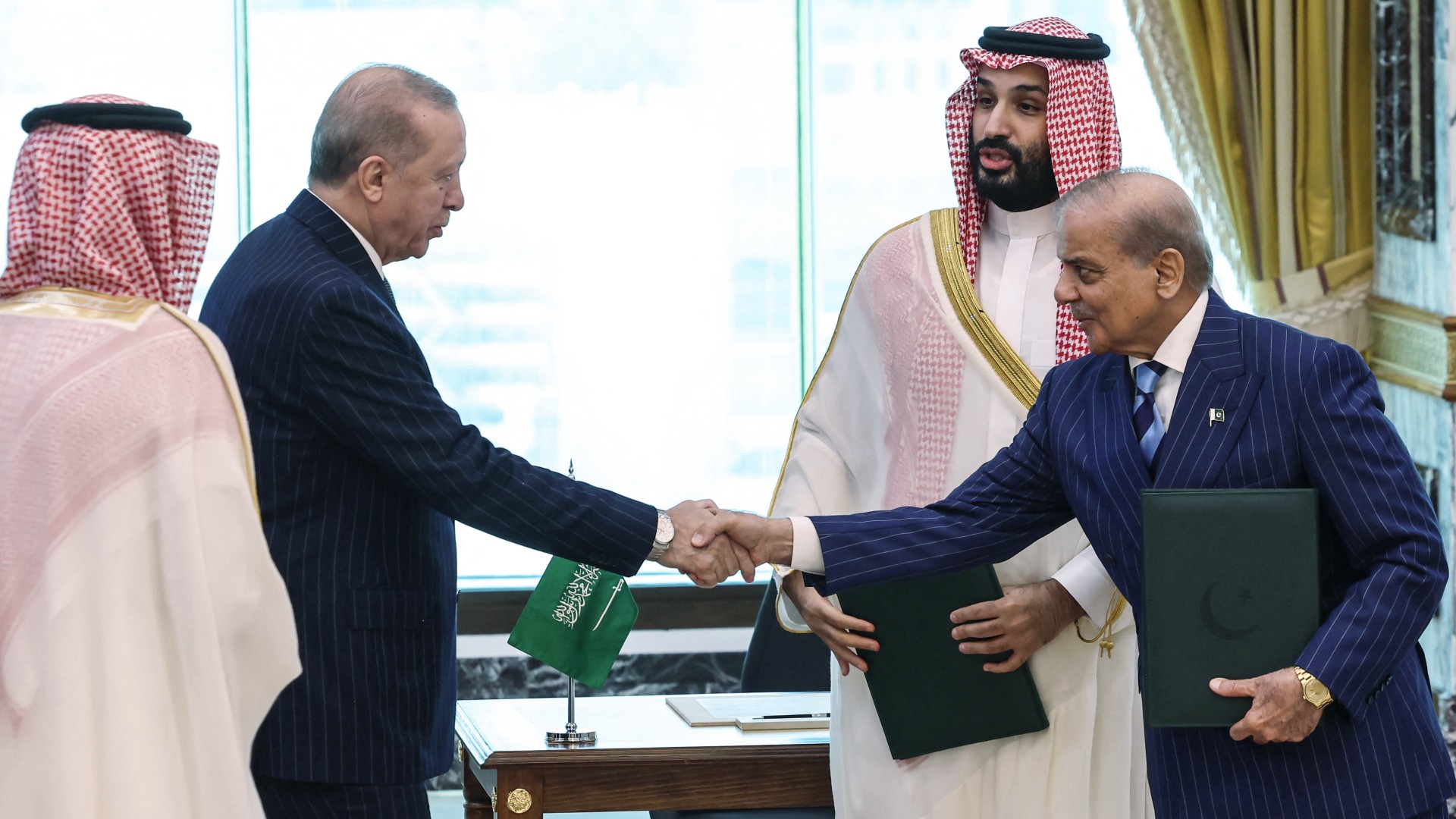
The Mecca Joint Defence Agreement between Saudi Arabia, Pakistan, and Turkey was unexpected but hardly surprising.
Some have framed it as a Sunni alliance, with the role of the House of Saud as custodians of the two holy cities (Mecca and Medina), Pakistan as a nuclear-armed South Asian Islamic Republic, and Turkey’s Europe-adjacent muscular strand of political Islam. However, this agreement has little to do with religious sectarianism.
The Mecca partners have far-reaching industrial, military, and diplomatic ties. The agreement, or the sum of already functioning bilateral partnerships, is not an alliance with a single command structure.
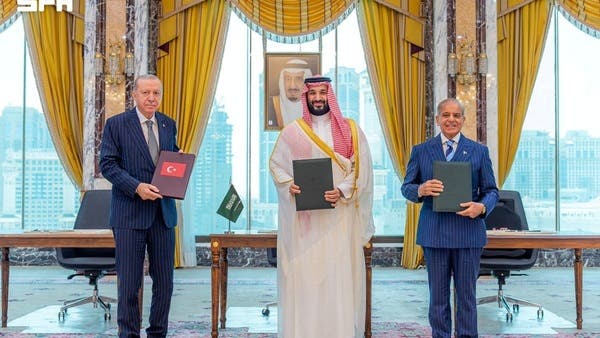
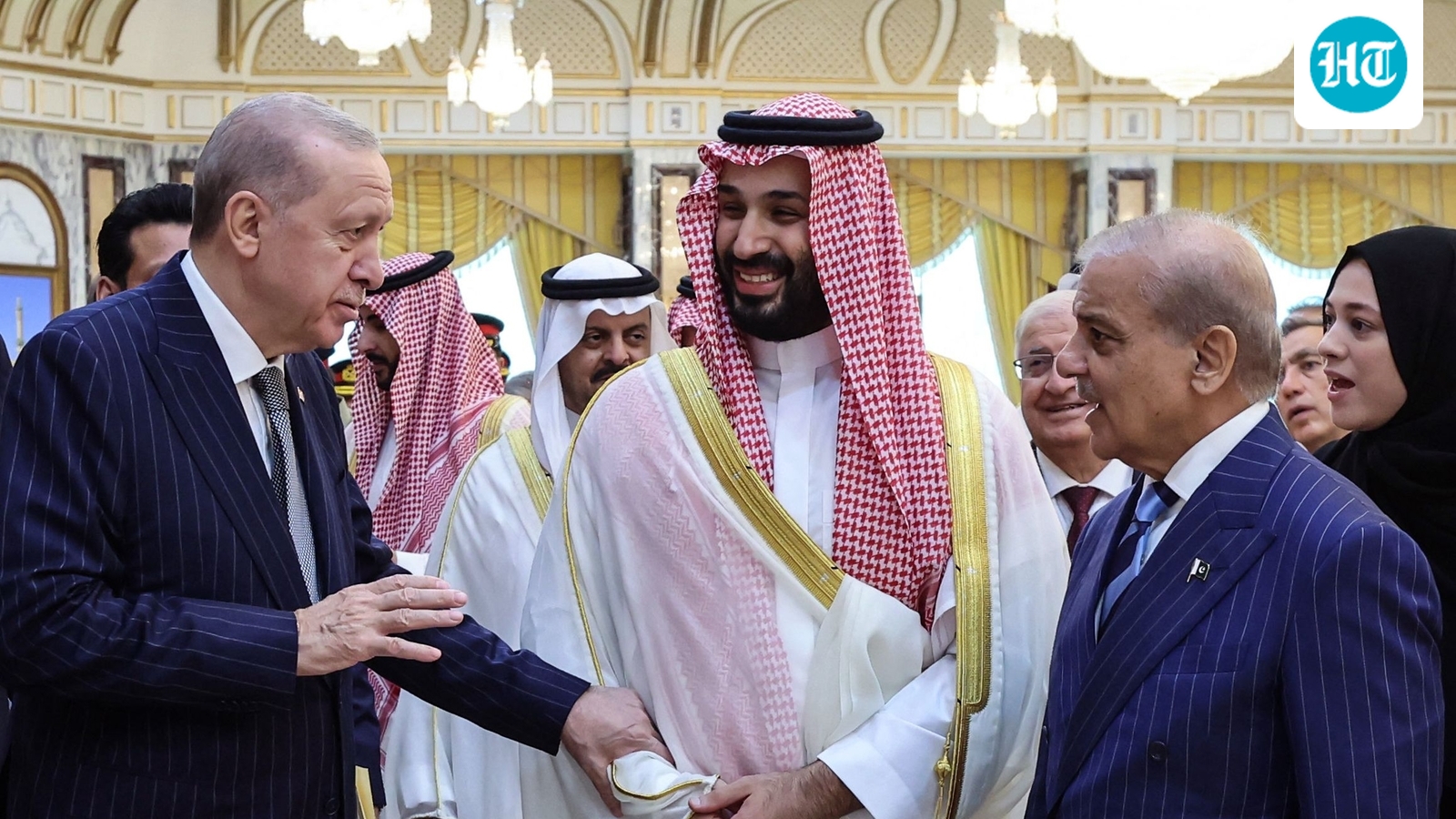
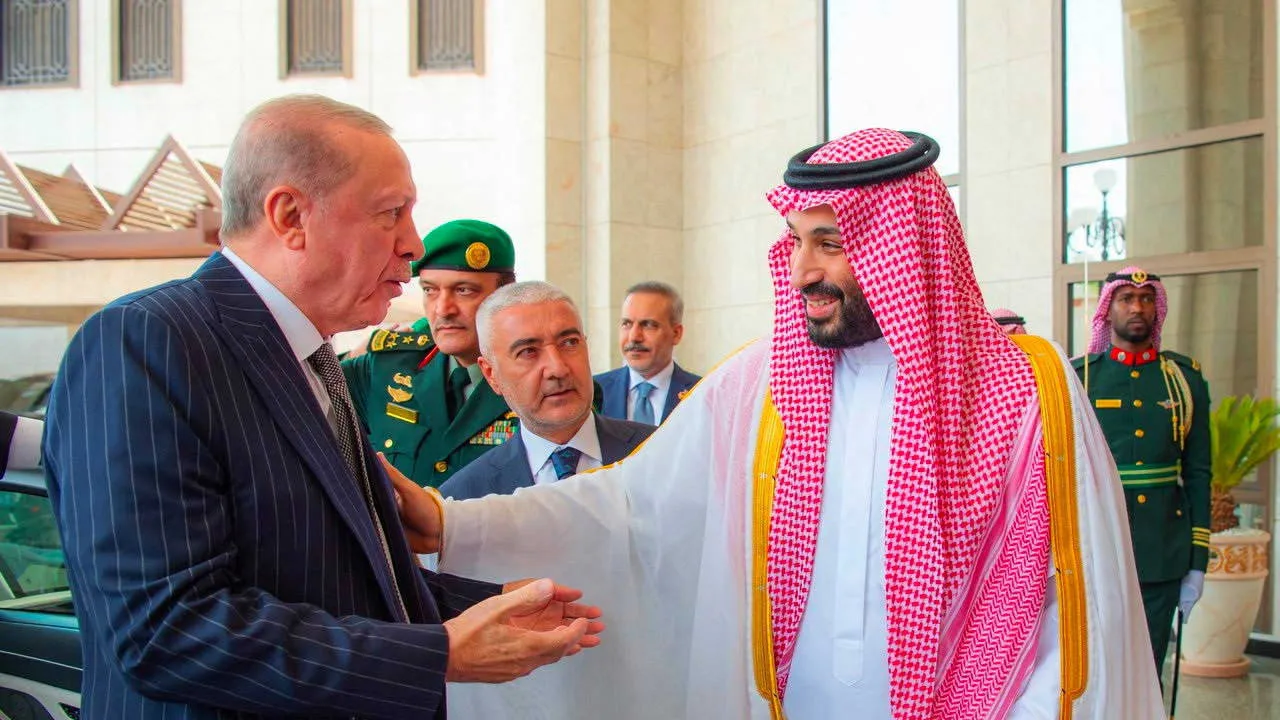
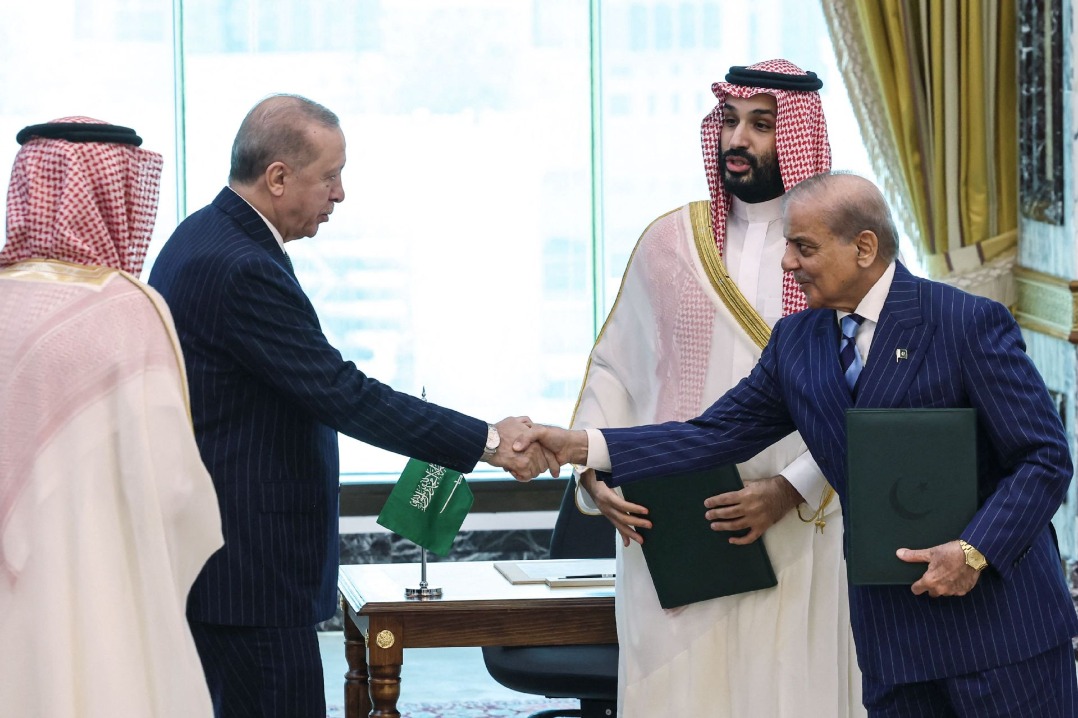
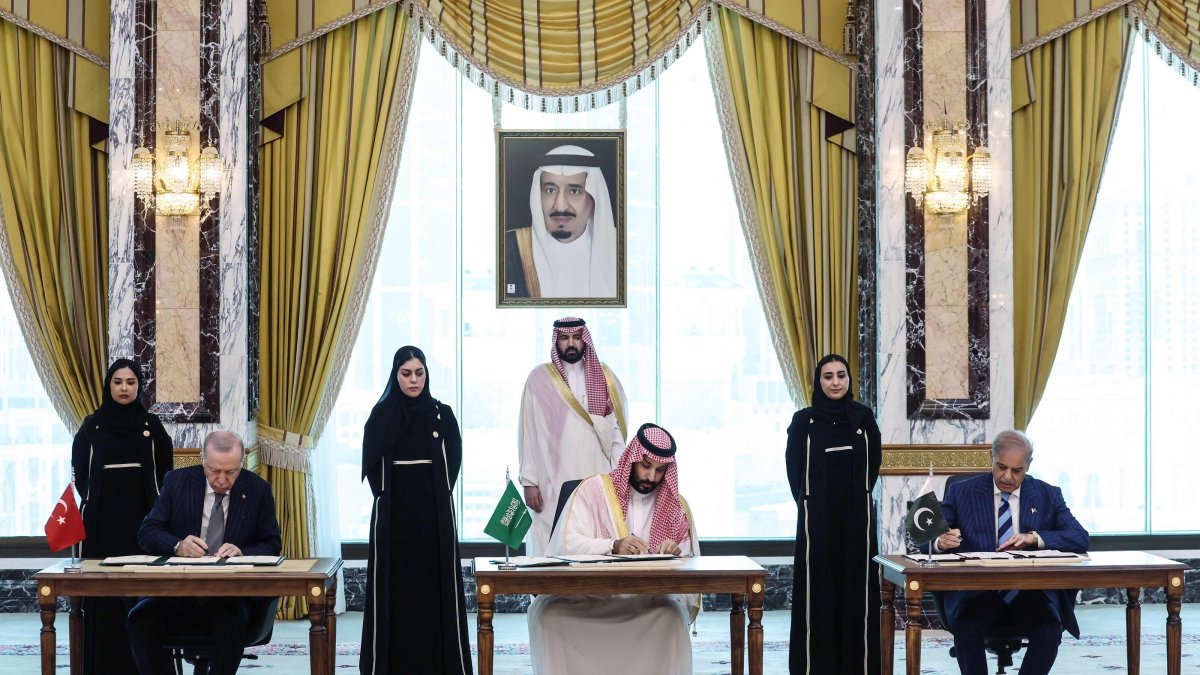
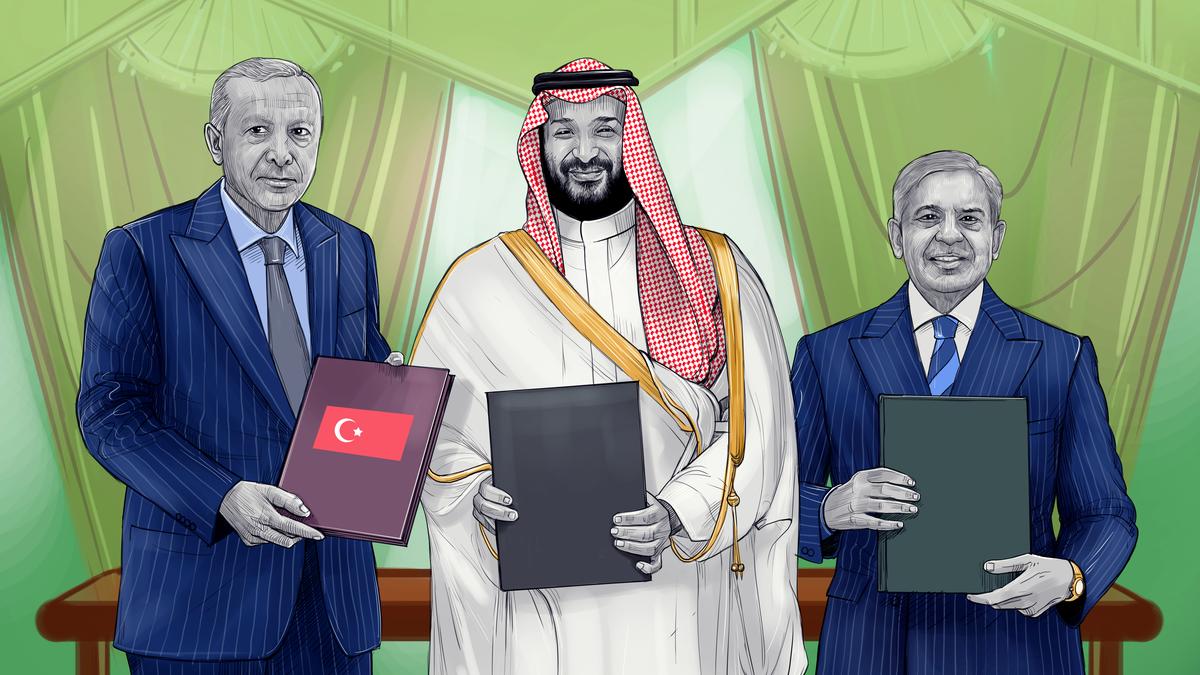
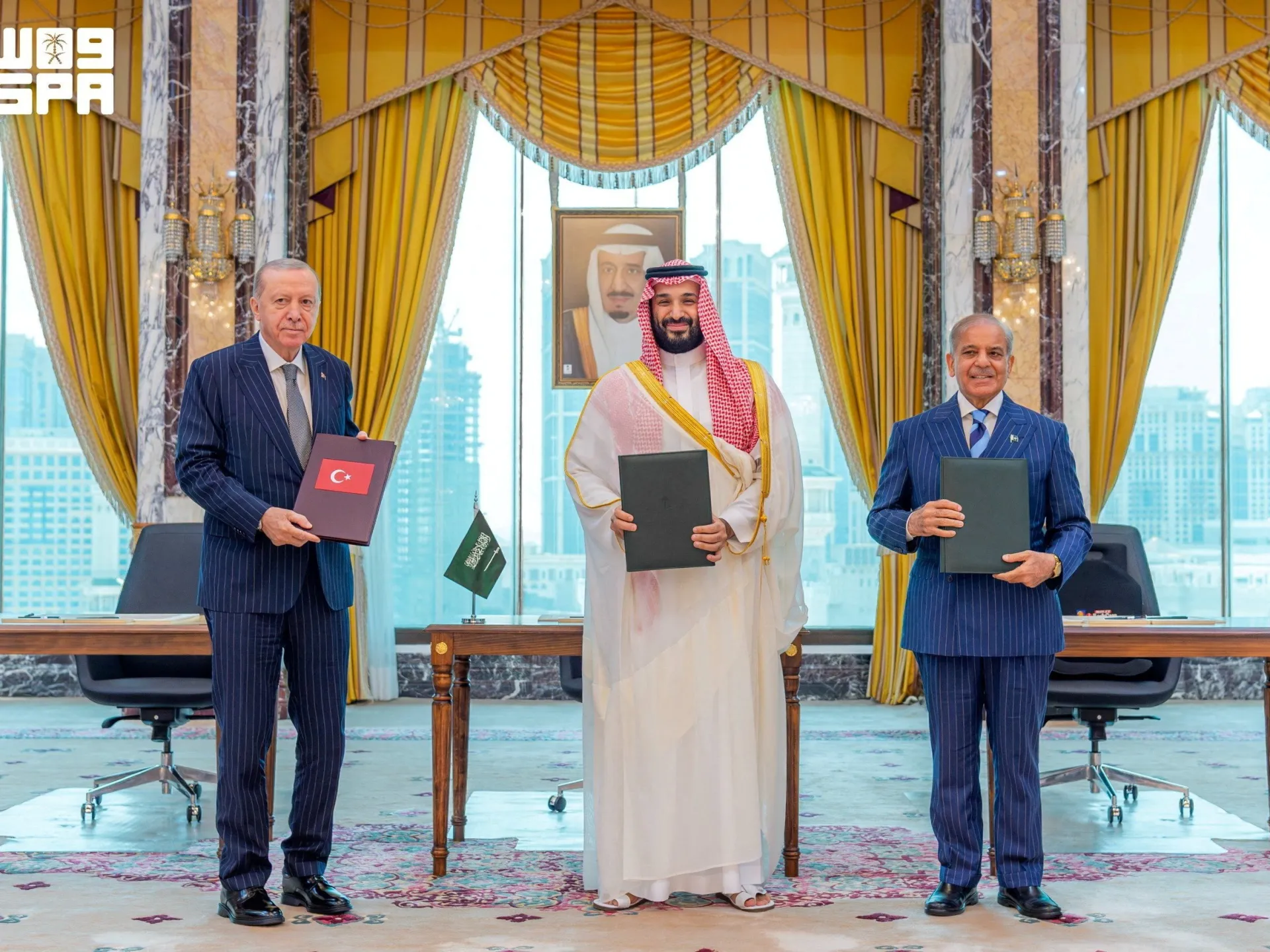
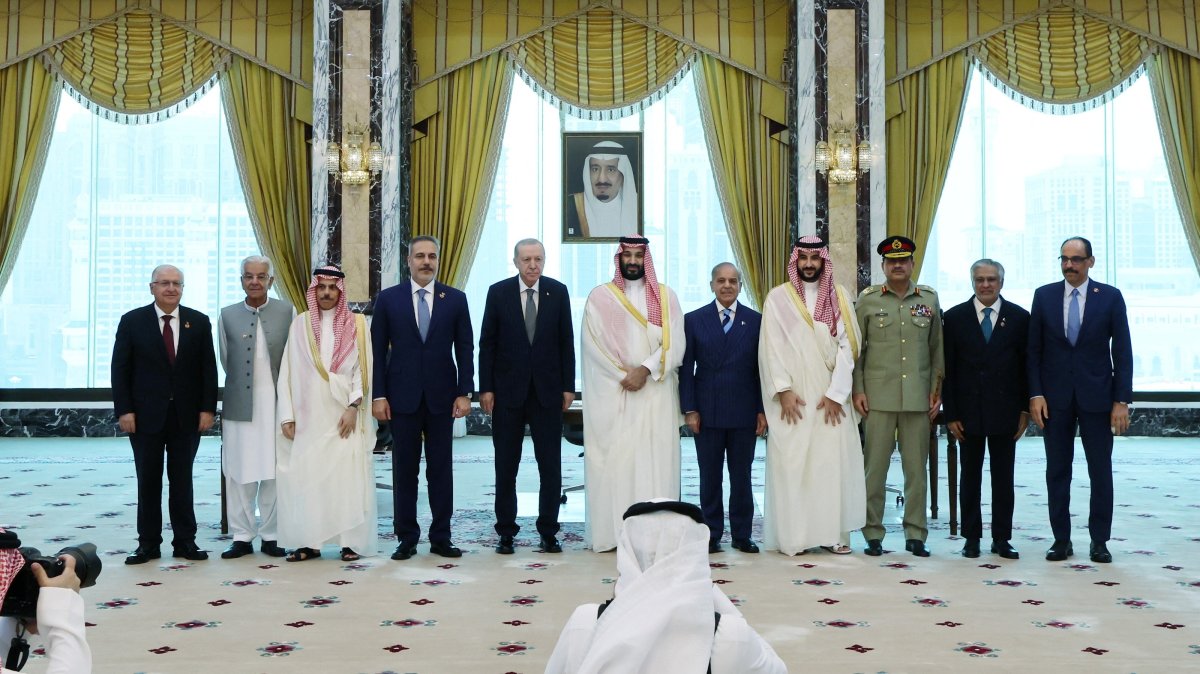
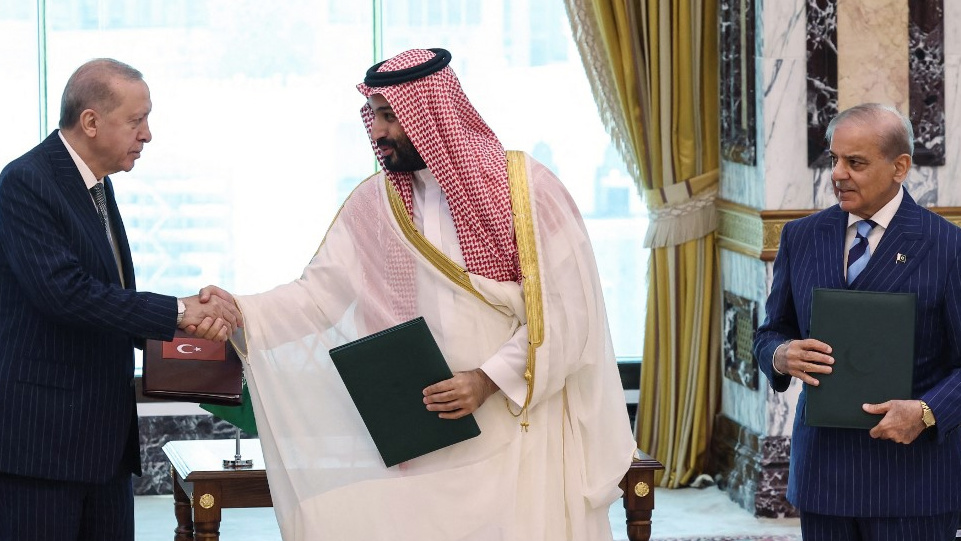
The Mecca Joint Defence Agreement, signed on 7 August by Prince Mohammed bin Salman, Pakistani Prime Minister Shehbaz Sharif, and Turkish President Recep Tayyip Erdogan, attempts to consolidate three strong bilateral relationships into a single collective defence framework.
Pakistan and Saudi Arabia concluded a Mutual Defence Agreement on 17 September 2025. At the time, it was speculated that this would provide Riyadh with a nuclear defence umbrella, although this point remains intentionally ambiguous. The Mecca pact adds a Turkish annex.