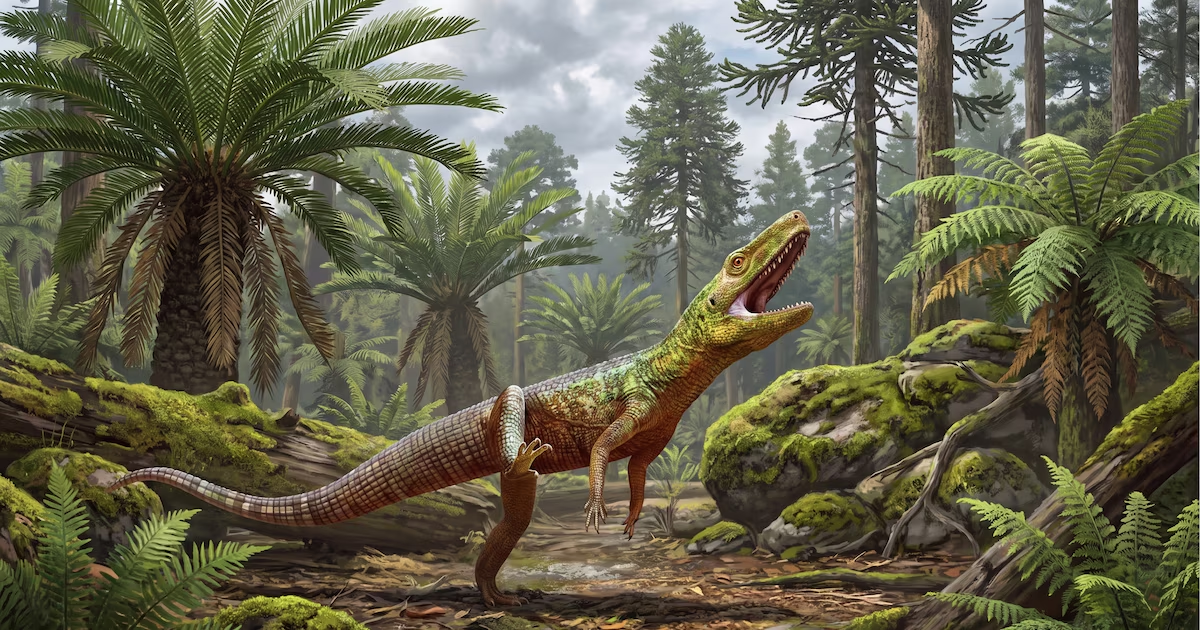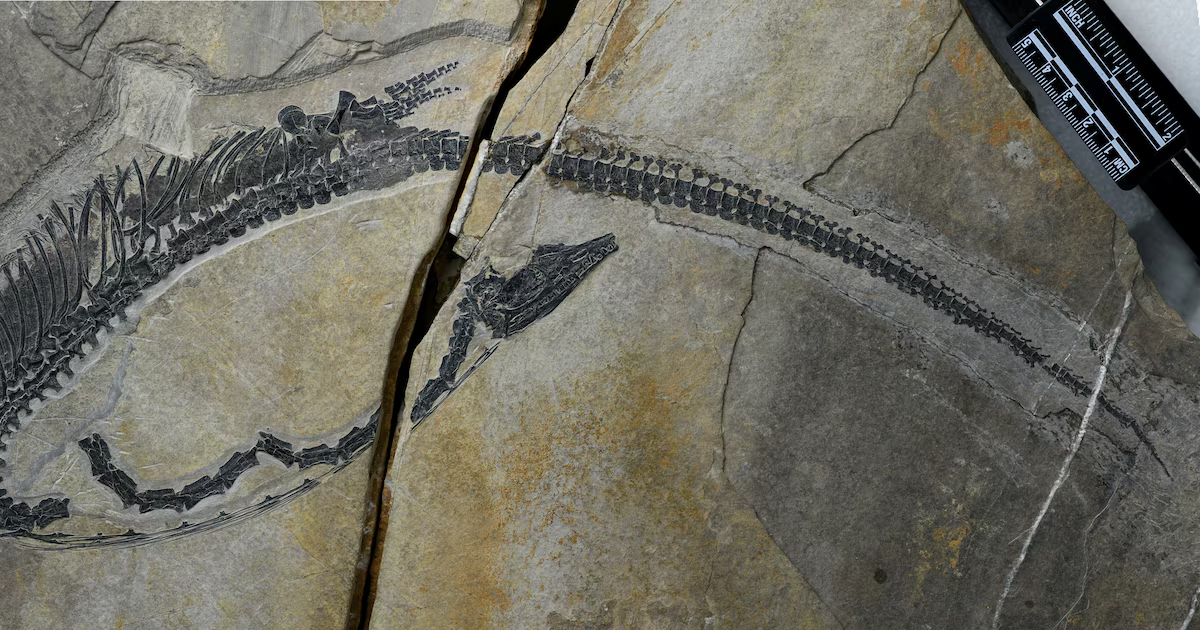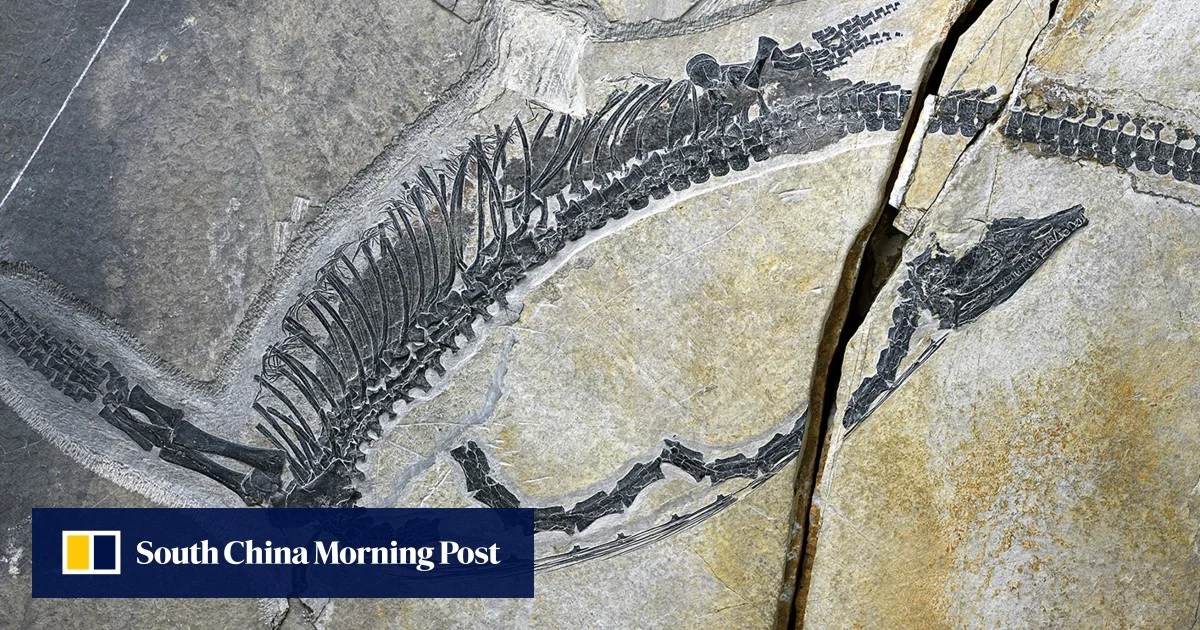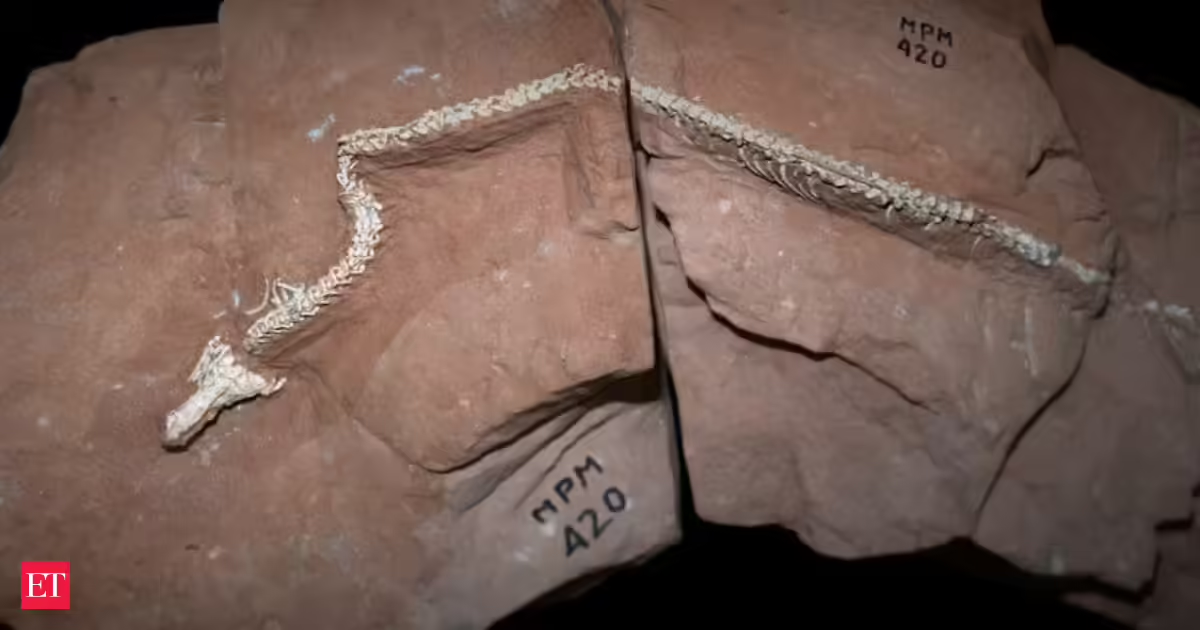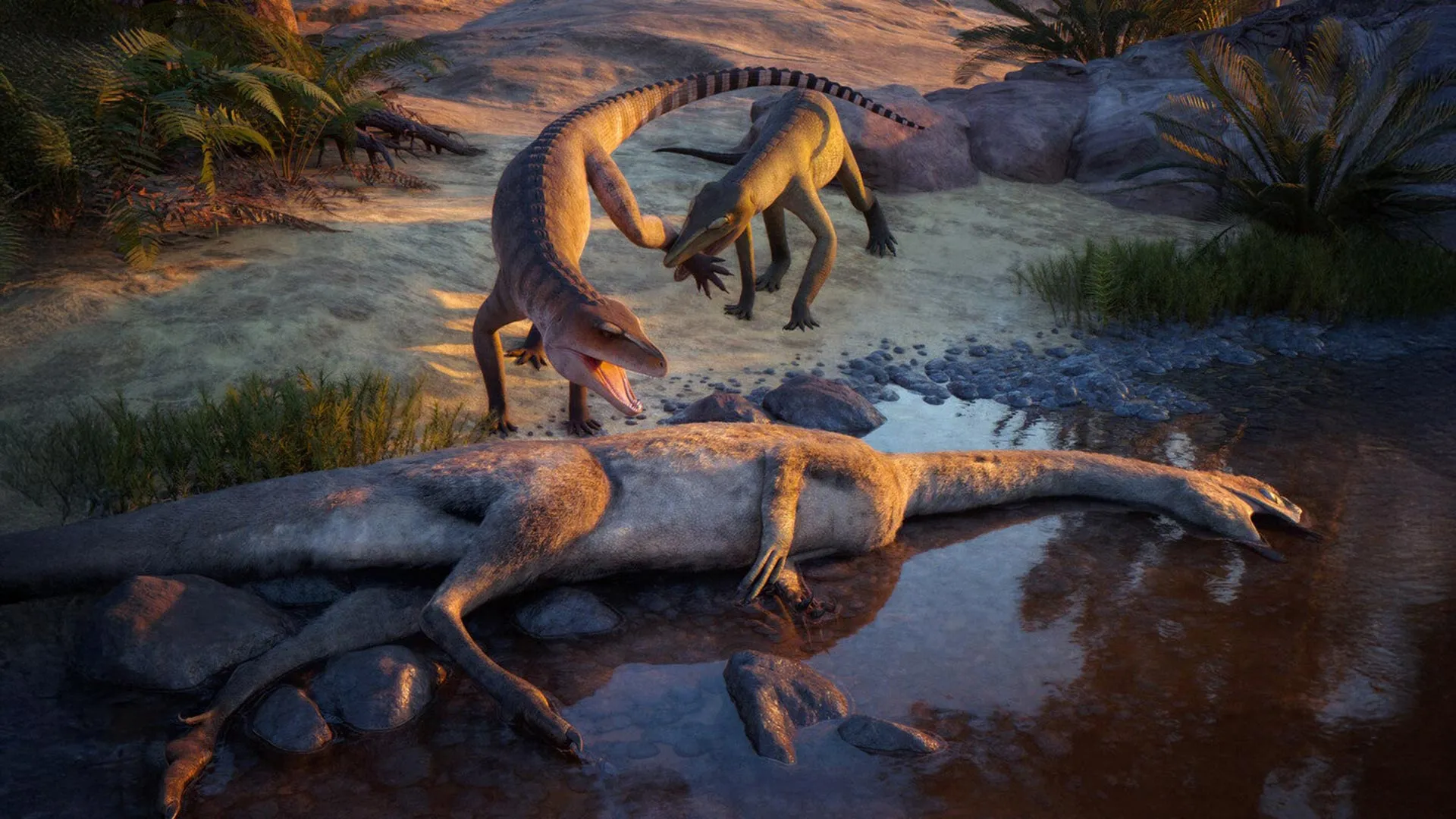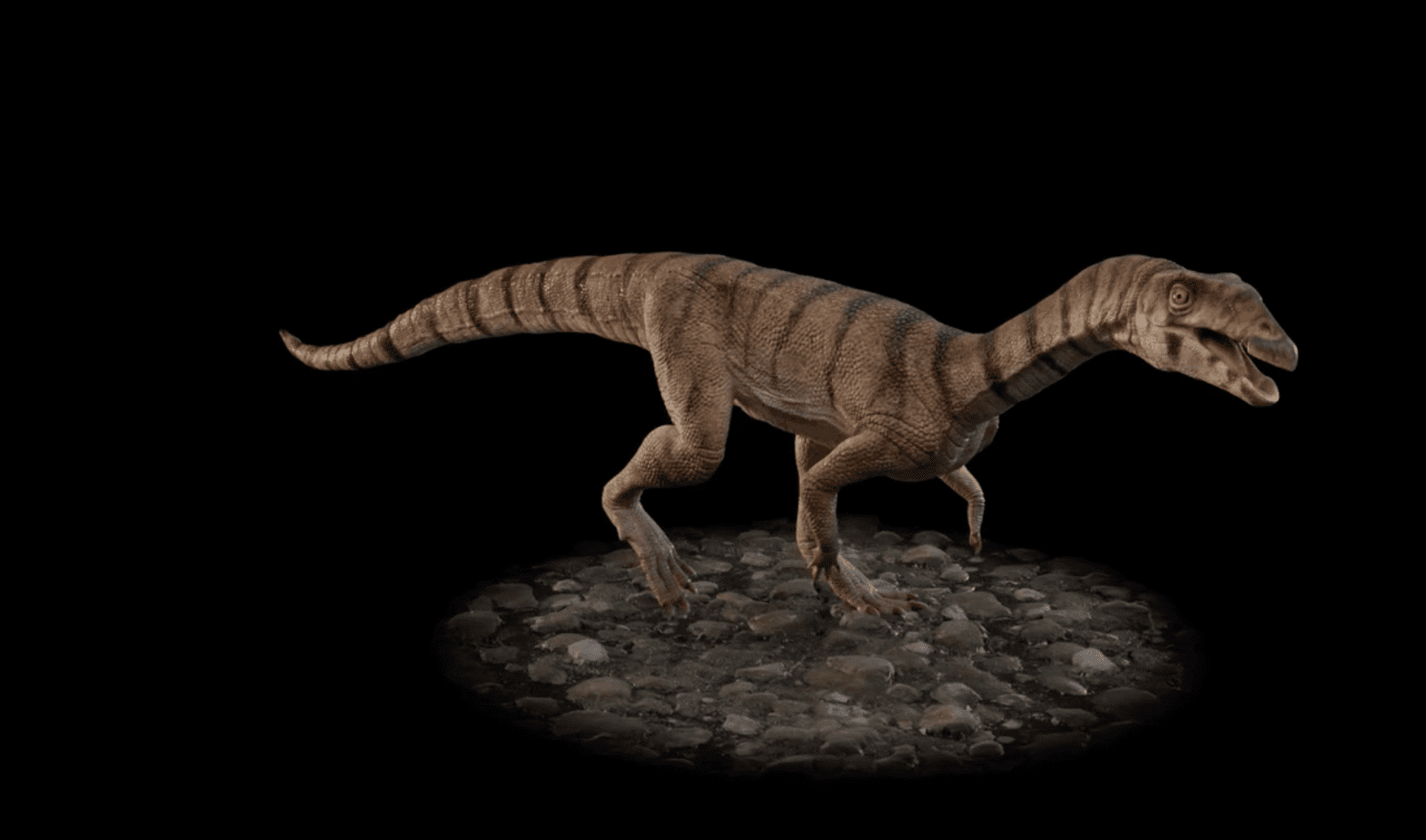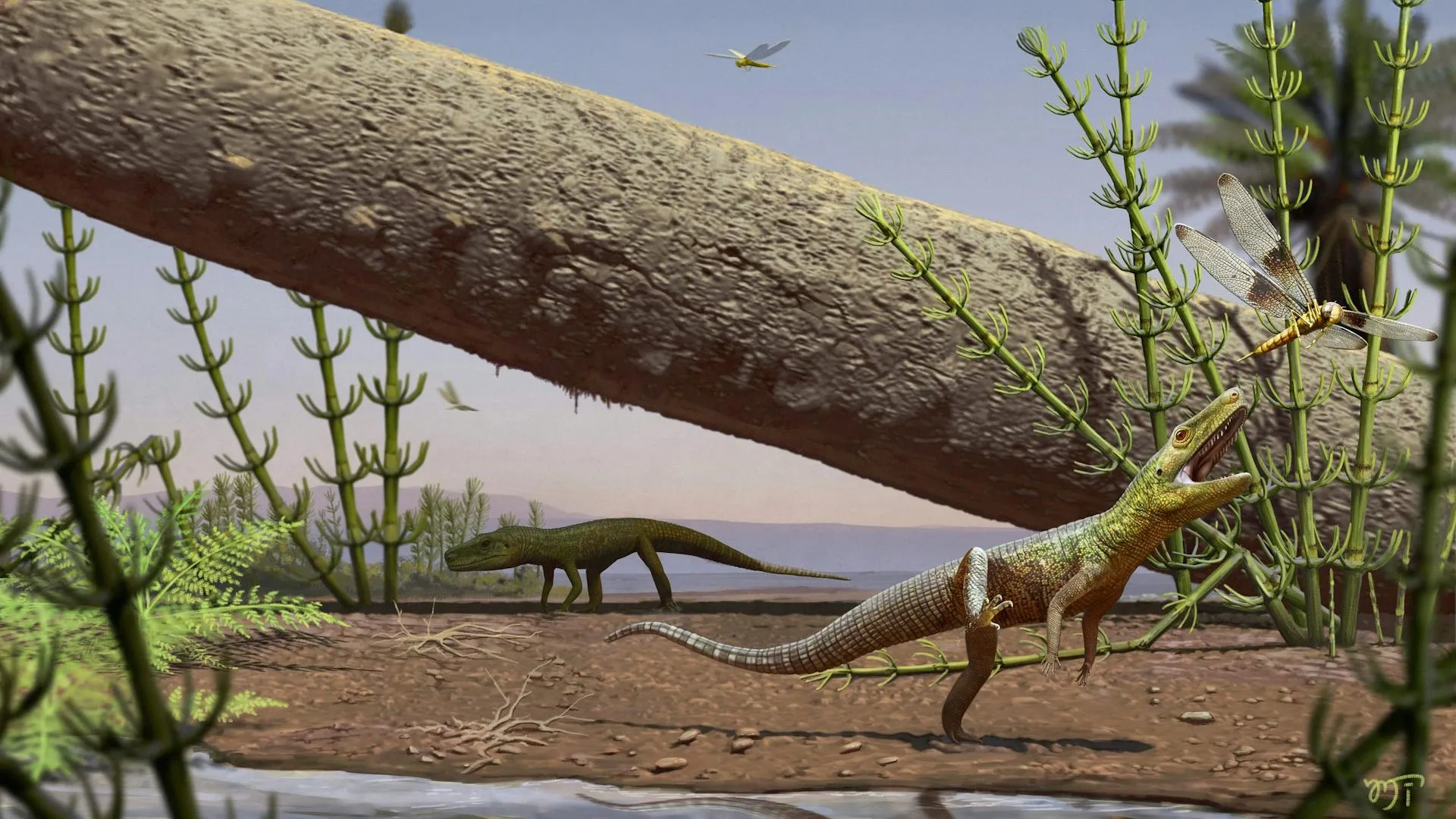
Named Silescelida acristata, the species lived about 240 million years ago, during the Middle Triassic Period. The fossil was found in Dona Francisca, in central Rio Grande do Sul, in rocks that are part of the UNESCO Quarta Colônia Geopark.
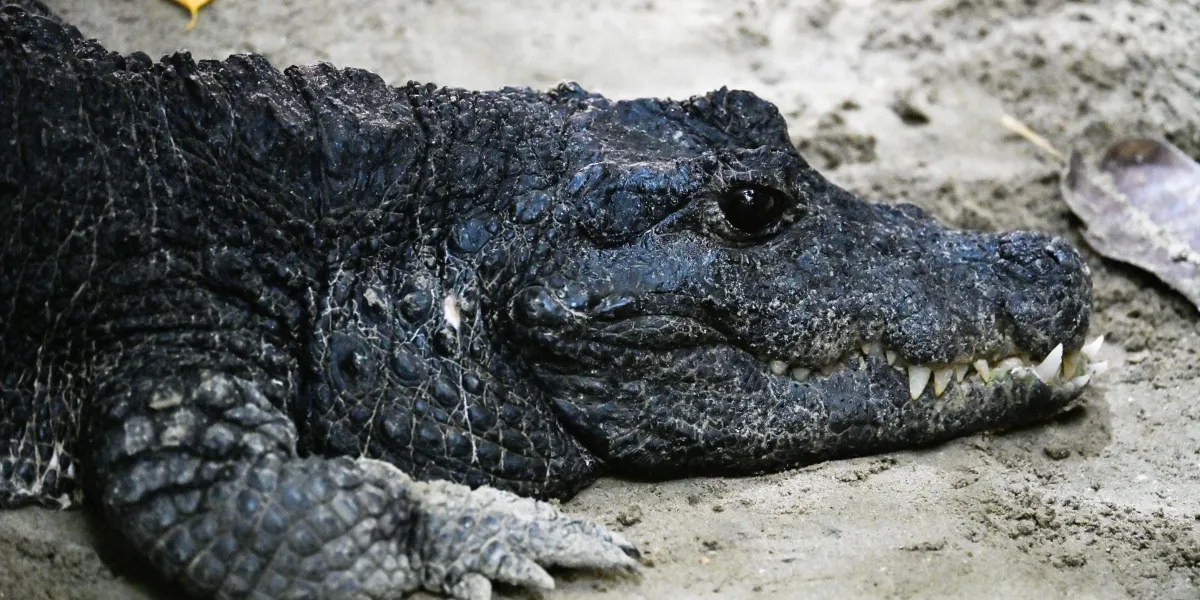
The discovery helps fill an important gap in our understanding of the evolution of archosauriformes, a group of reptiles that gave rise to the archosaurs. Archosaurs, in turn, are the lineage that encompasses two of the best-known groups of terrestrial vertebrates: crocodiles and dinosaurs, including birds.
The study was conducted by researchers from the Quarta Colônia Center for Paleontological Research at the Federal University of Santa Maria, CAPPA/UFSM, in collaboration with researchers from the Federal University of Rio Grande do Sul (UFRGS) and the Pontifical Catholic University of Rio Grande do Sul (PUCRS), and was published in the scientific journal Scientific Reports.A small animal in a world under reconstructionWhen Silescelida acristata lived, terrestrial ecosystems were still recovering from the Permian–Triassic extinction event, which occurred about 252 million years ago. This event wiped out much of the life on the planet and paved the way for the diversification of new groups of animals.