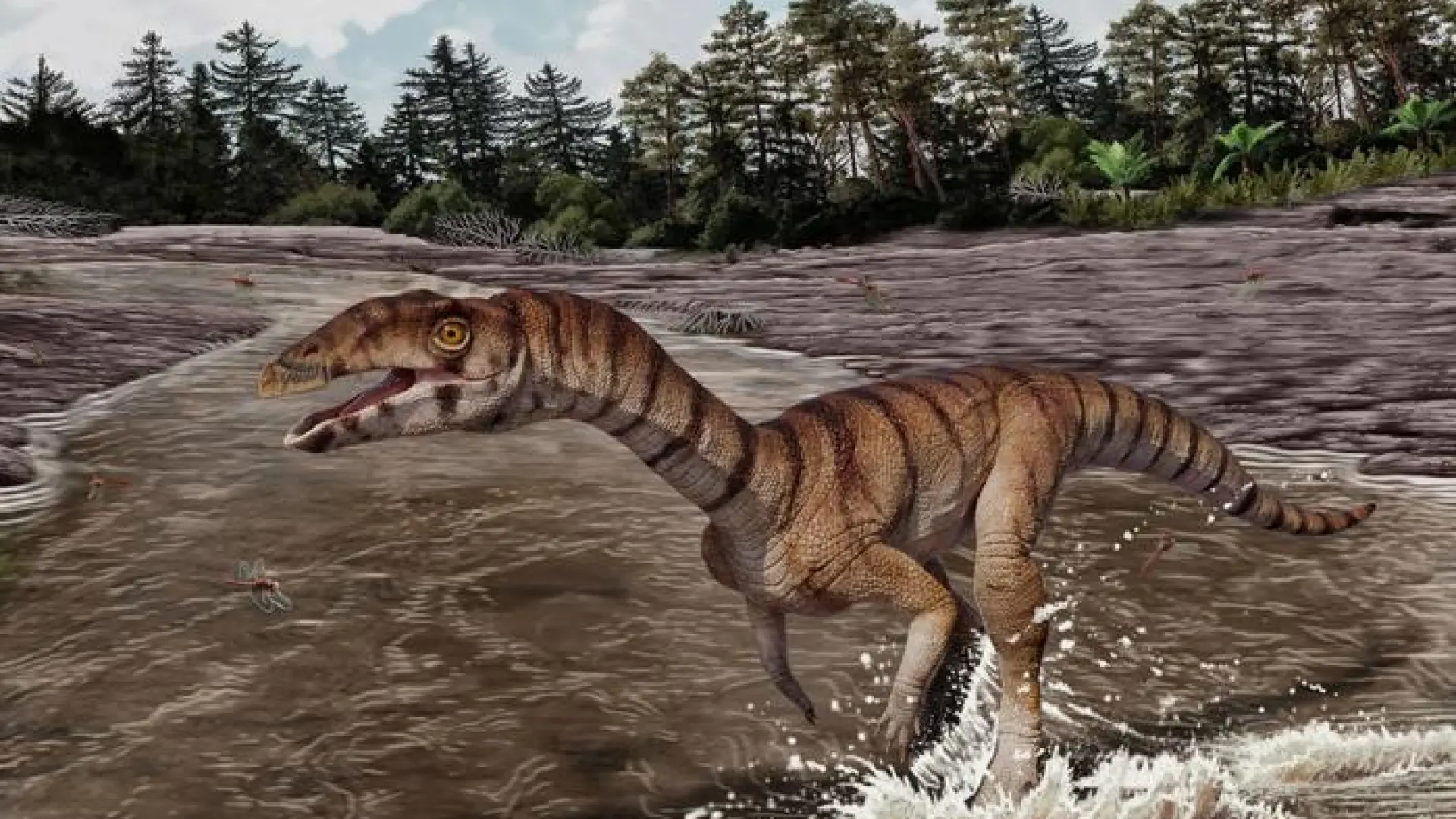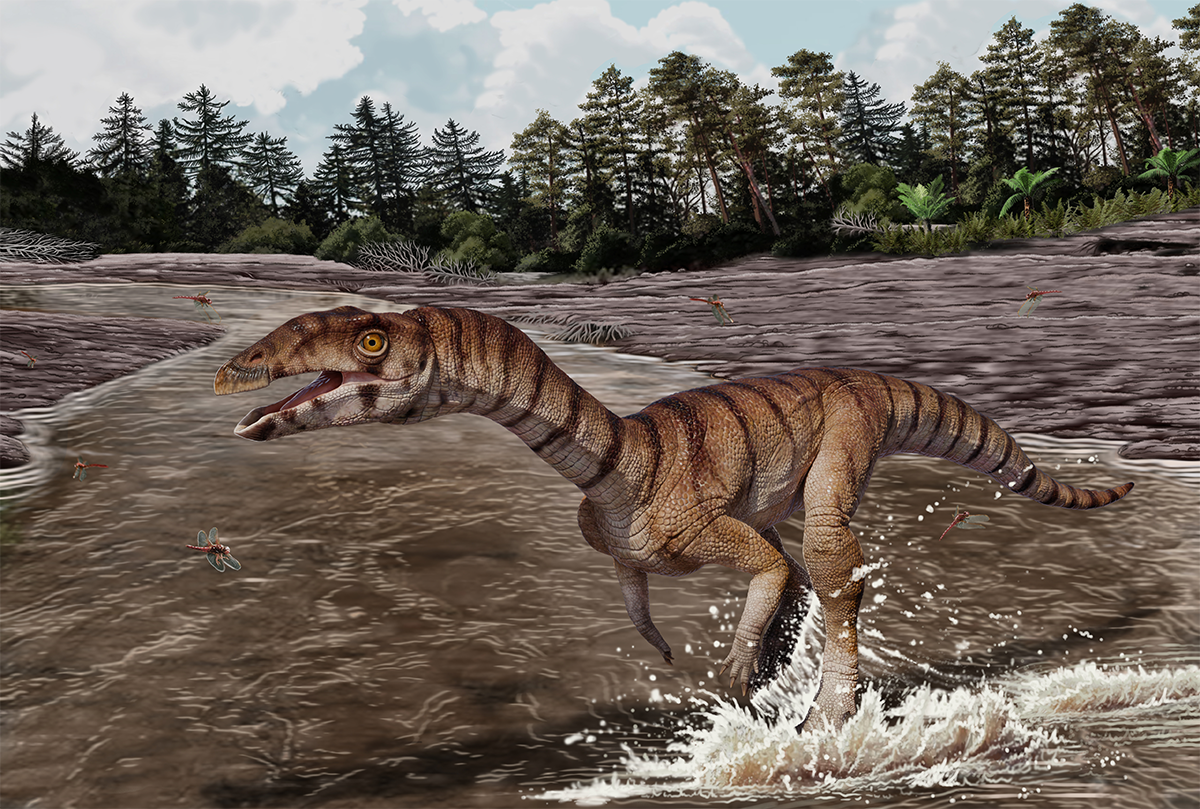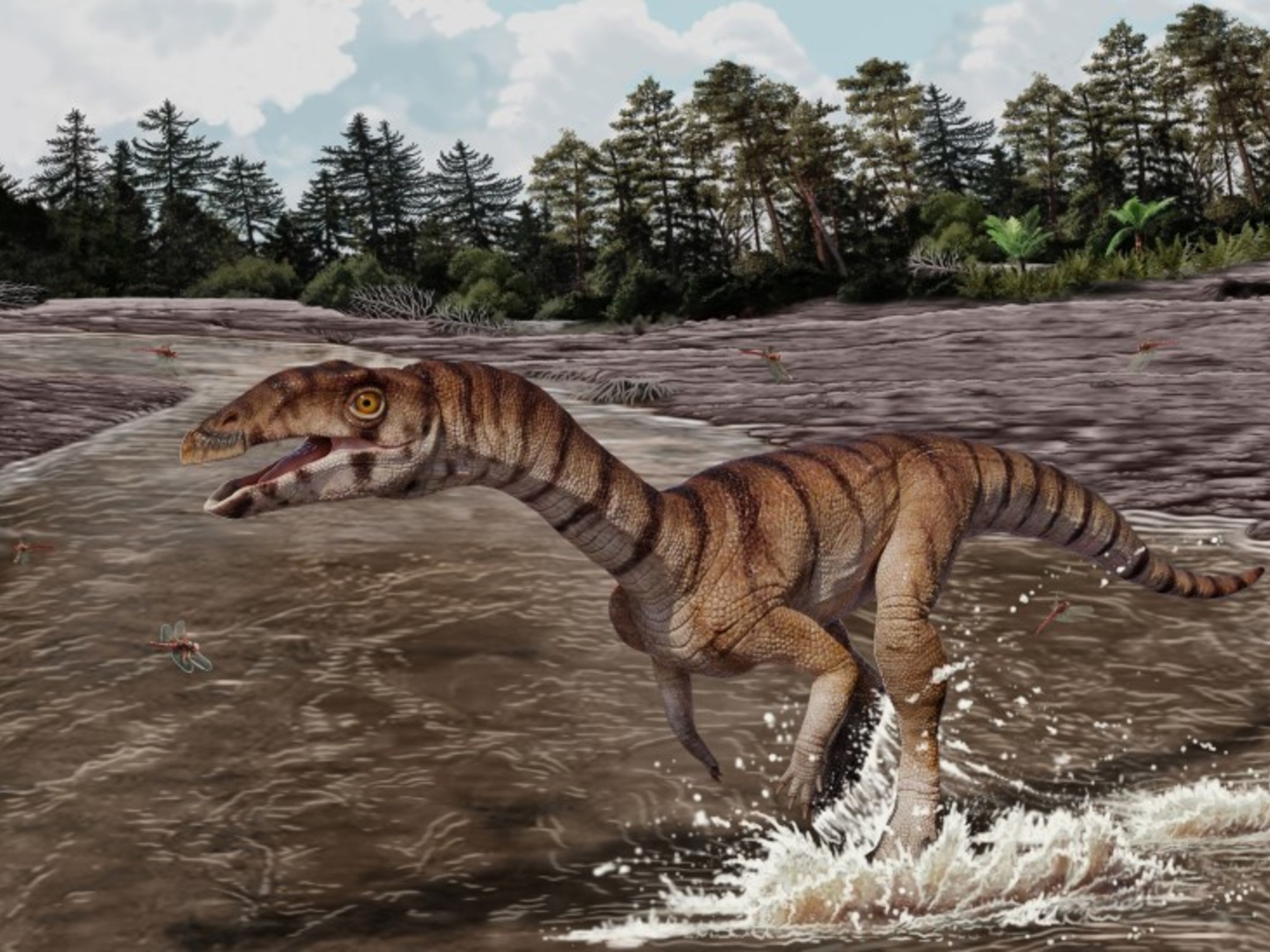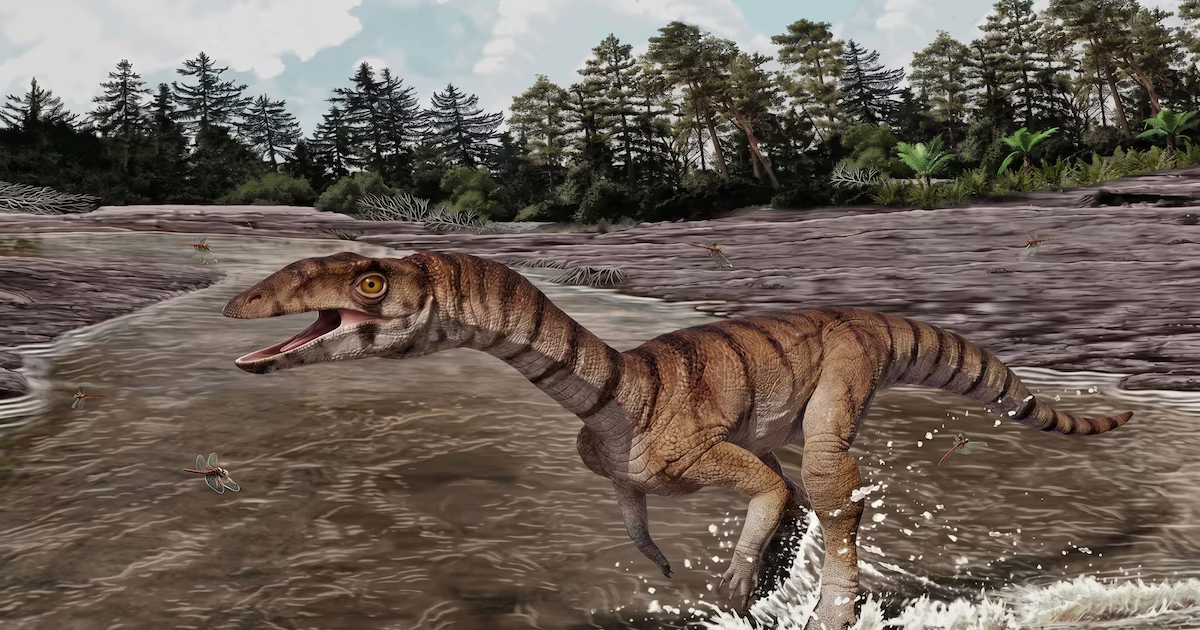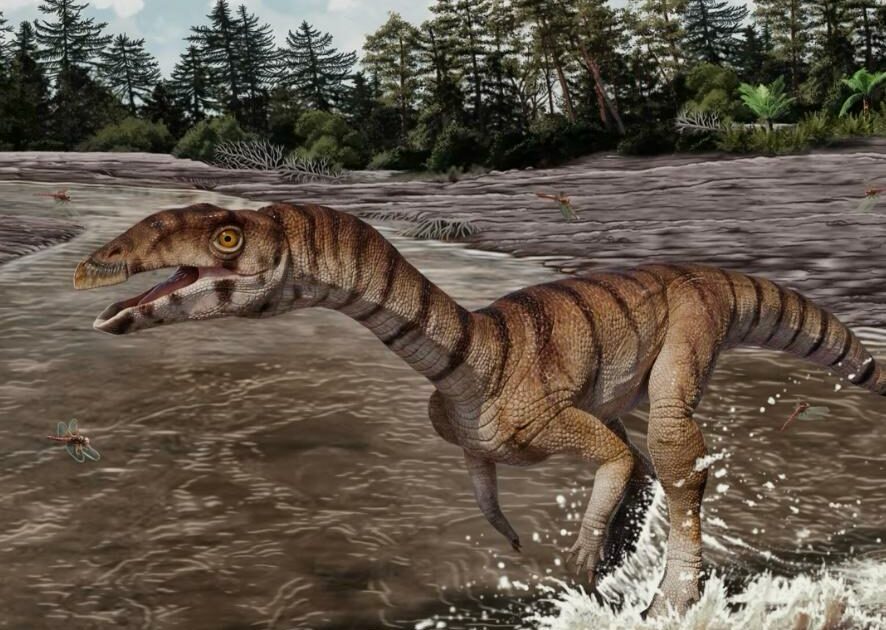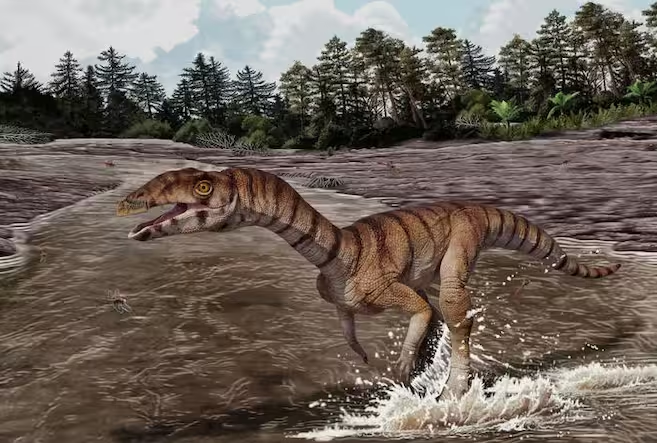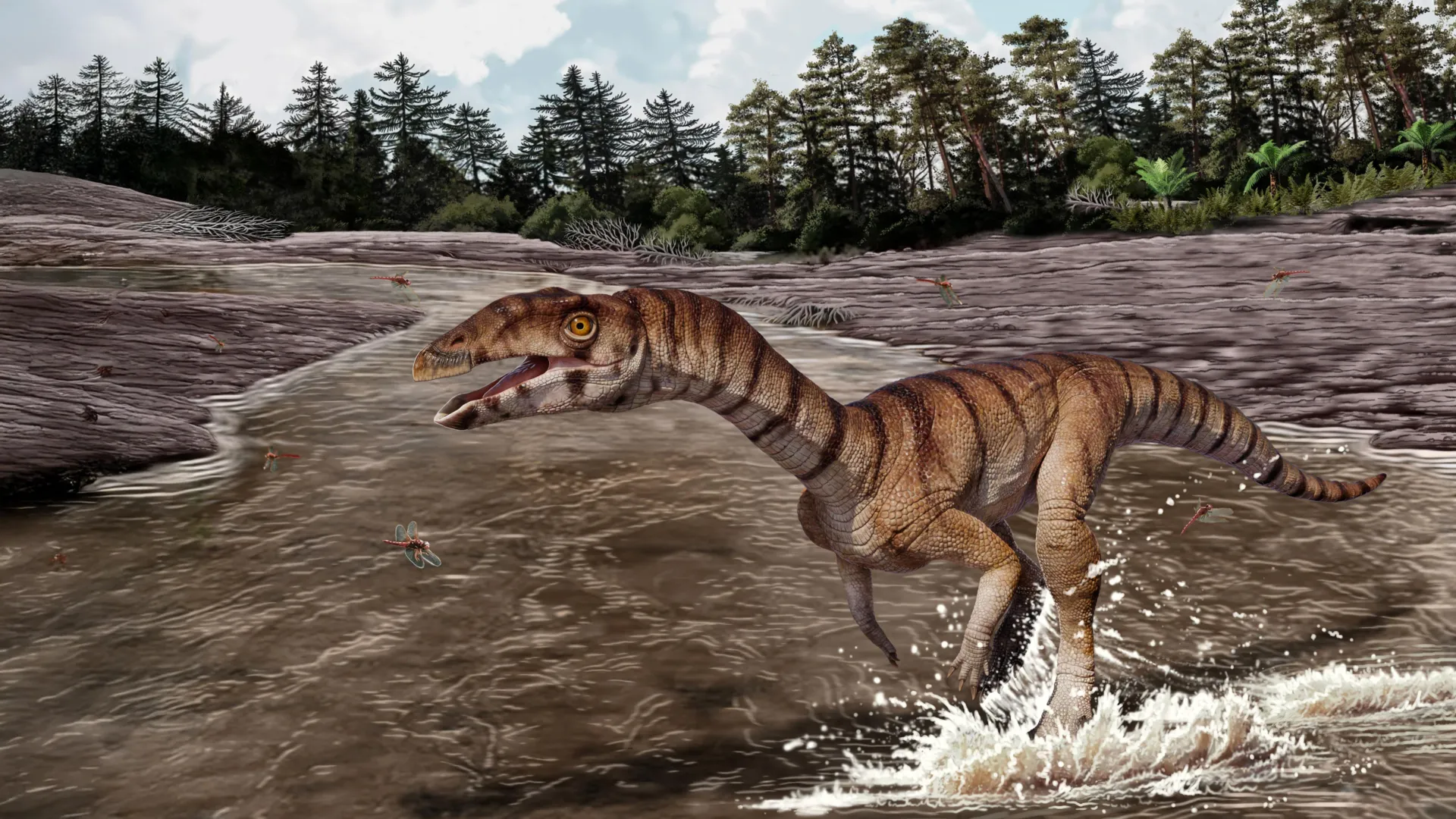
video: Video of 3D model of reconstruction of Labrujasuchus expectatus
view more
In the Triassic, the modern animals we know were just beginning to diversify into a menagerie of forms and body plans that rhyme with the lifestyles of extinct and living animals better known to the public, but nested in groups that ended up taking wildly divergent paths. Case in point: Labrujasuchus expectatus.
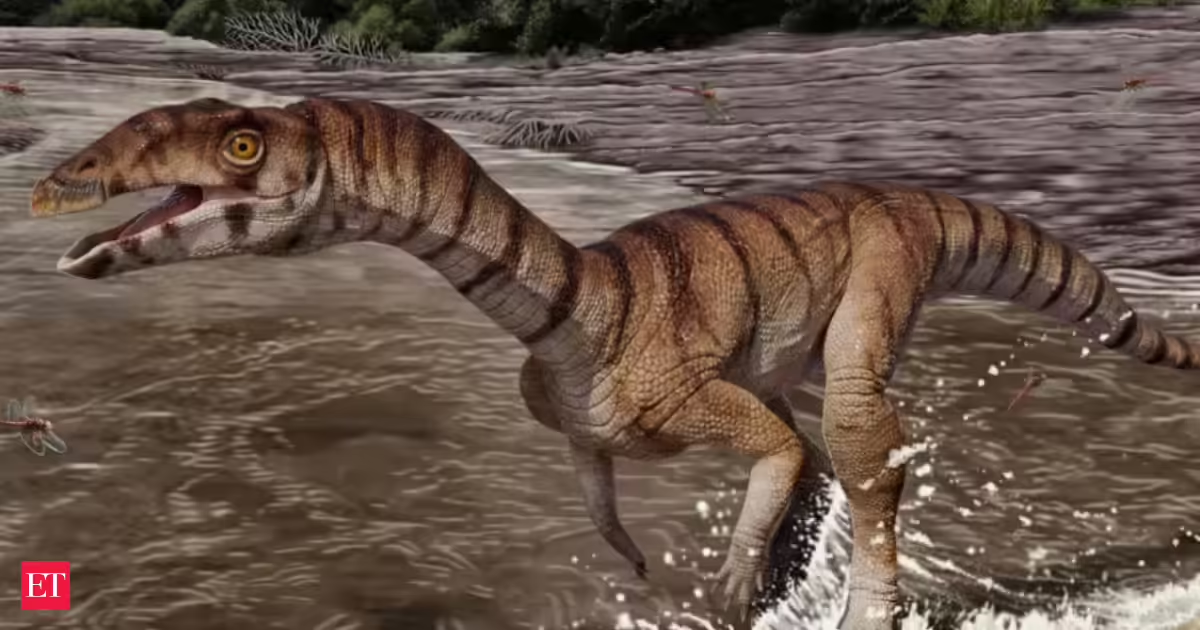
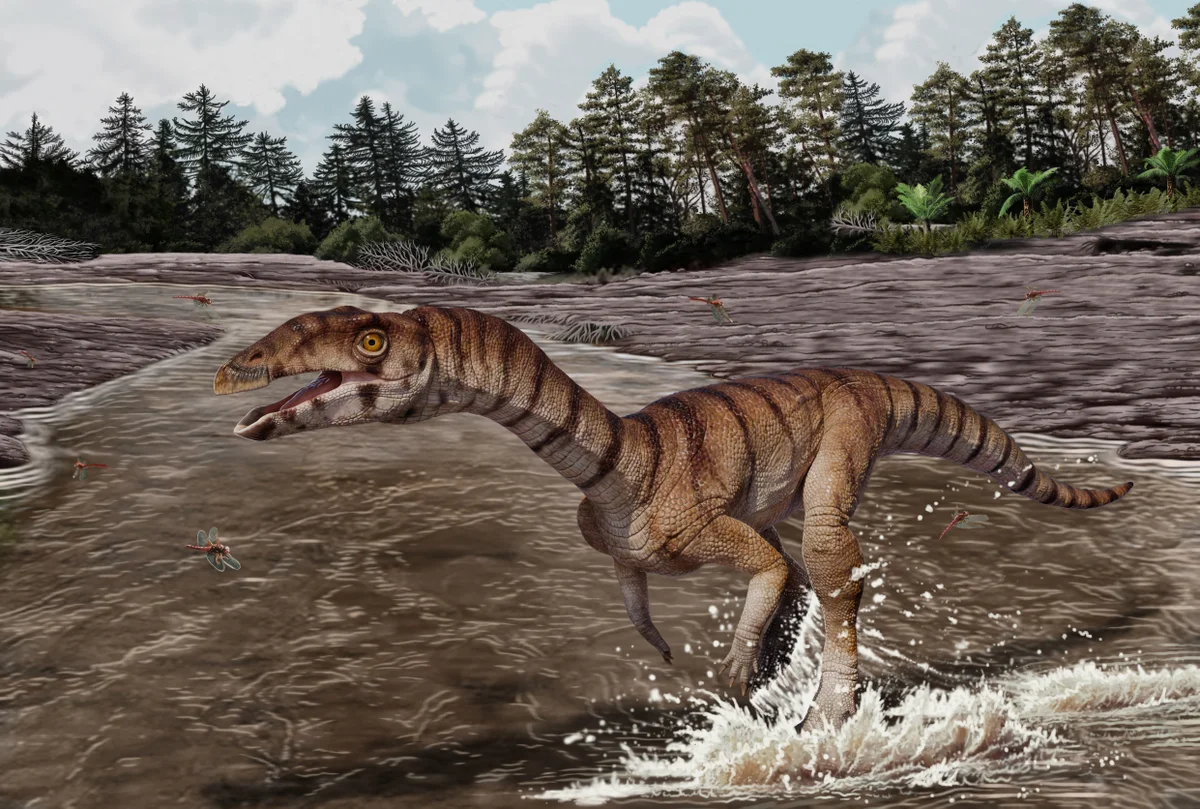
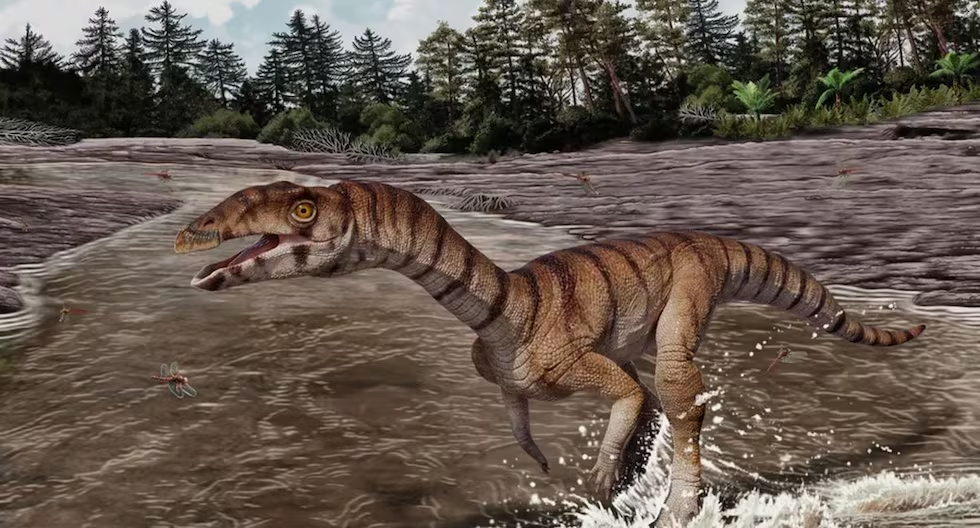
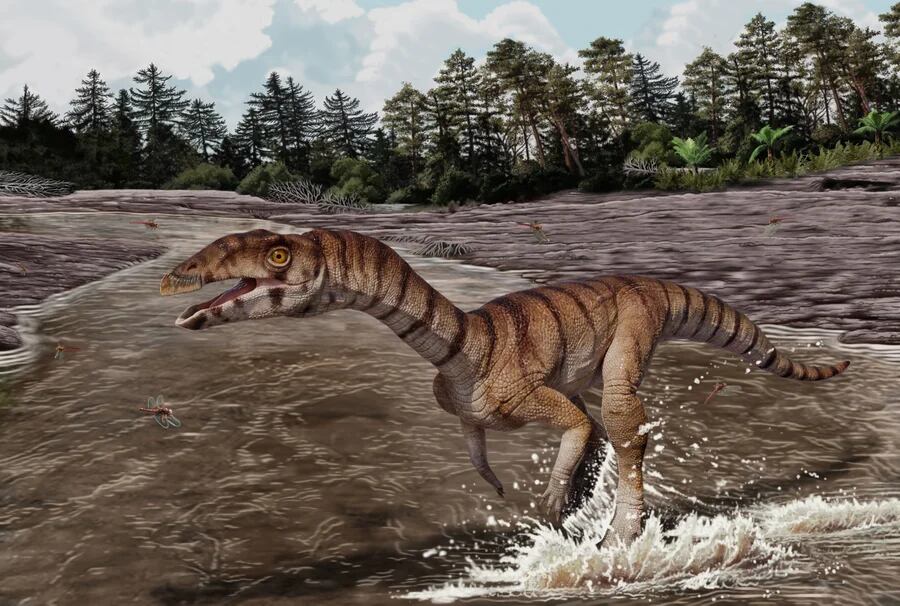
Described in the journal Journal of Vertebrate Paleontology, Labrujasuchus looked very much like ornithomimosaurs, a group of bipedal dinosaurs from the Cretaceous with body plans similar to those of modern ostriches. But Labrujasuchus comes from the branch of archosaurs that led to crocodiles, famously four-legged and full of teeth. The newly-described Labrujasuchus navigated the world on two legs with tiny arms and a toothless mouth tipped in a beak—about as far away from a crocodile as possible.
In the Triassic, you can expect the unexpected.