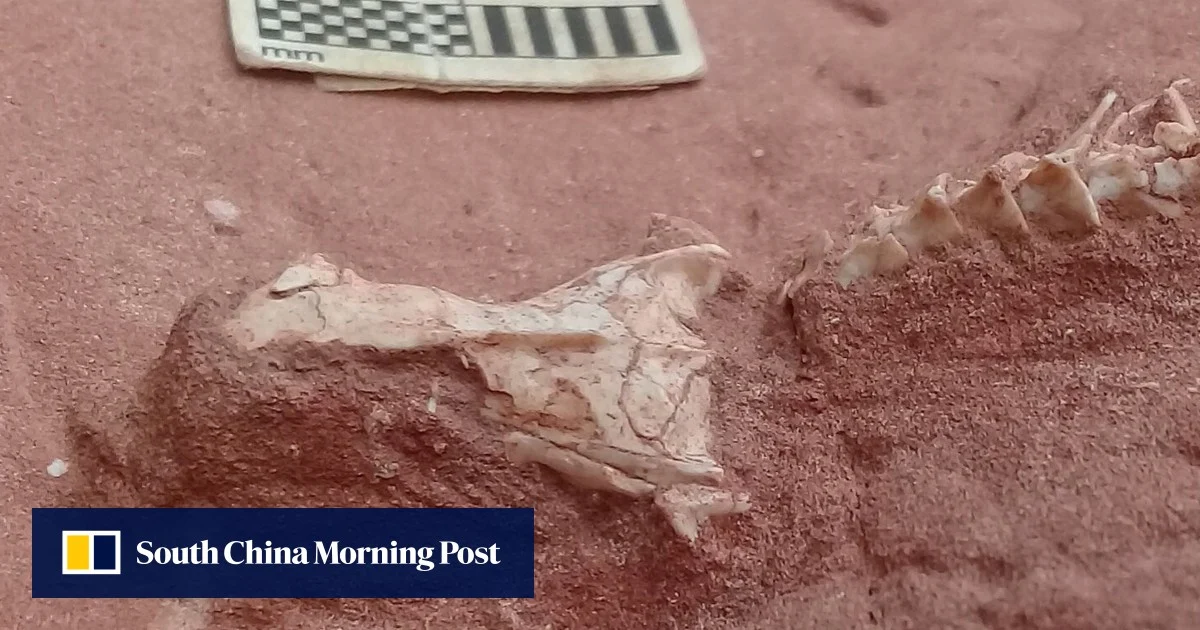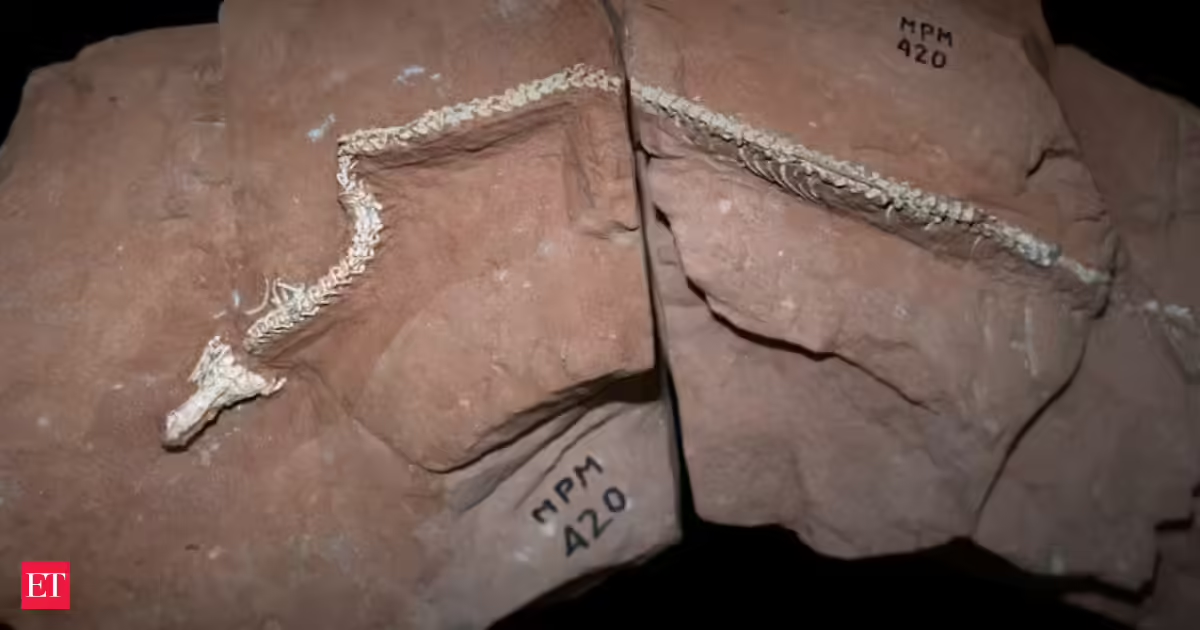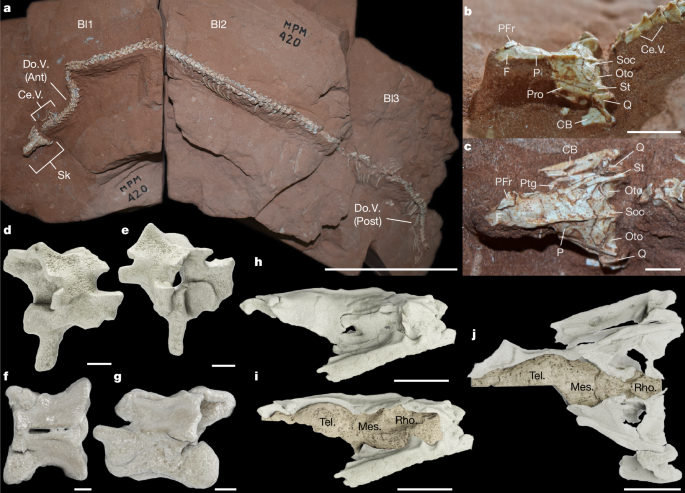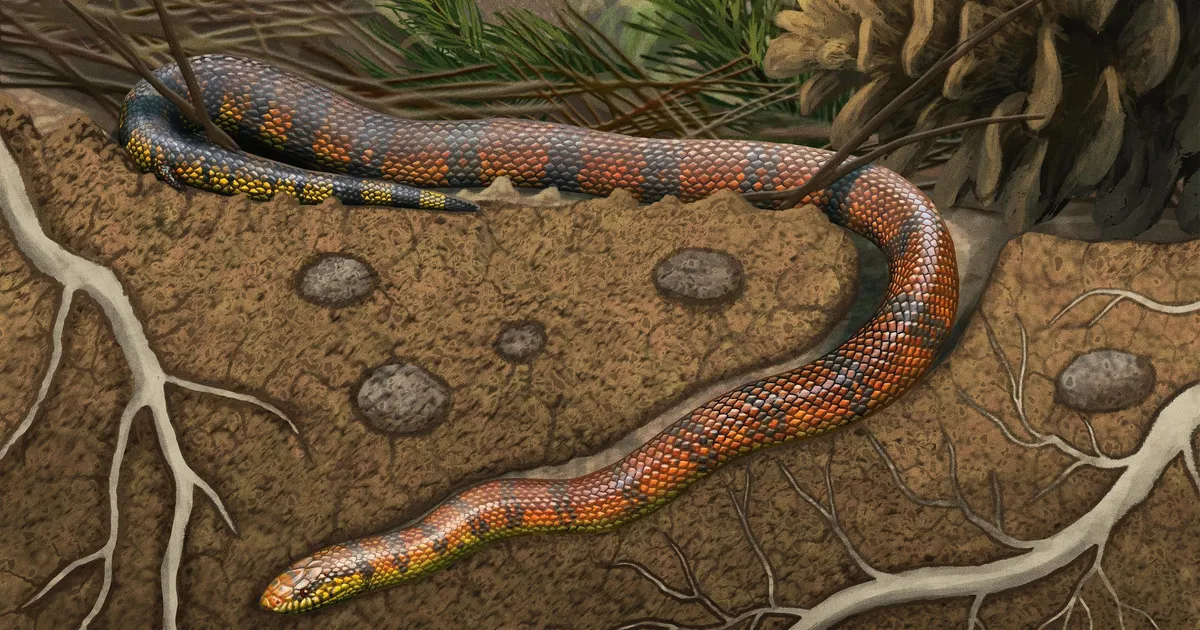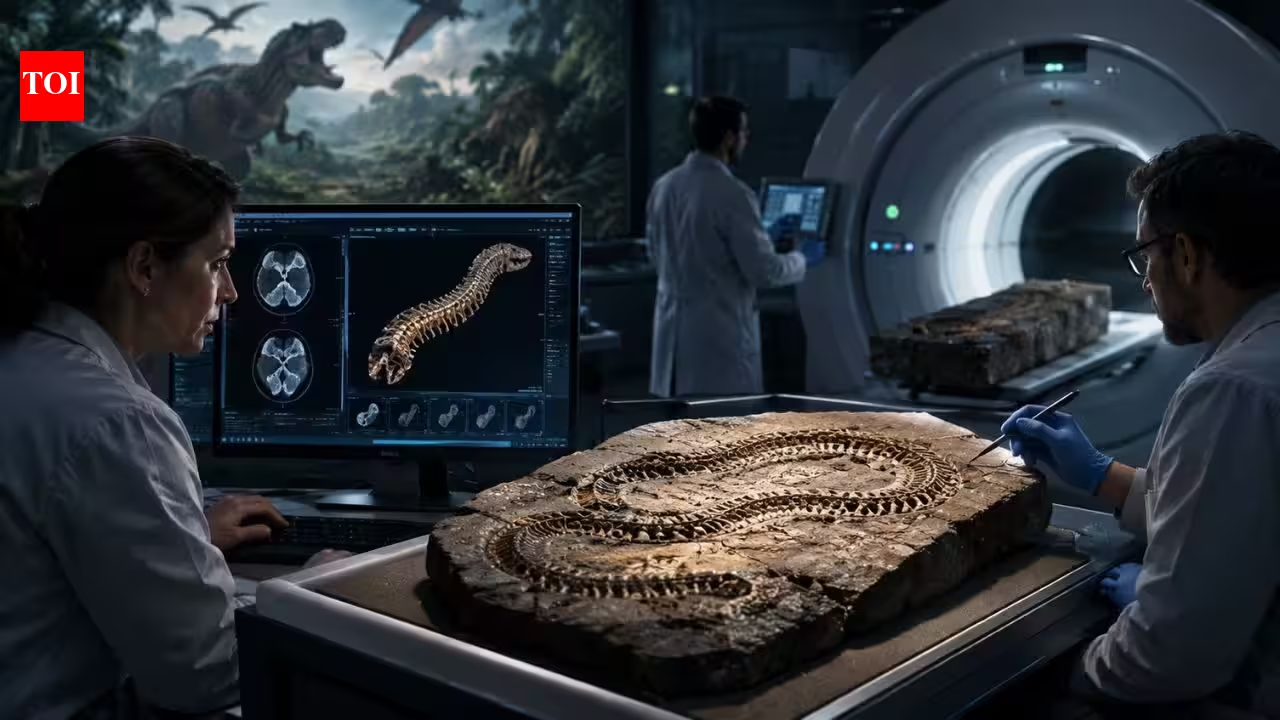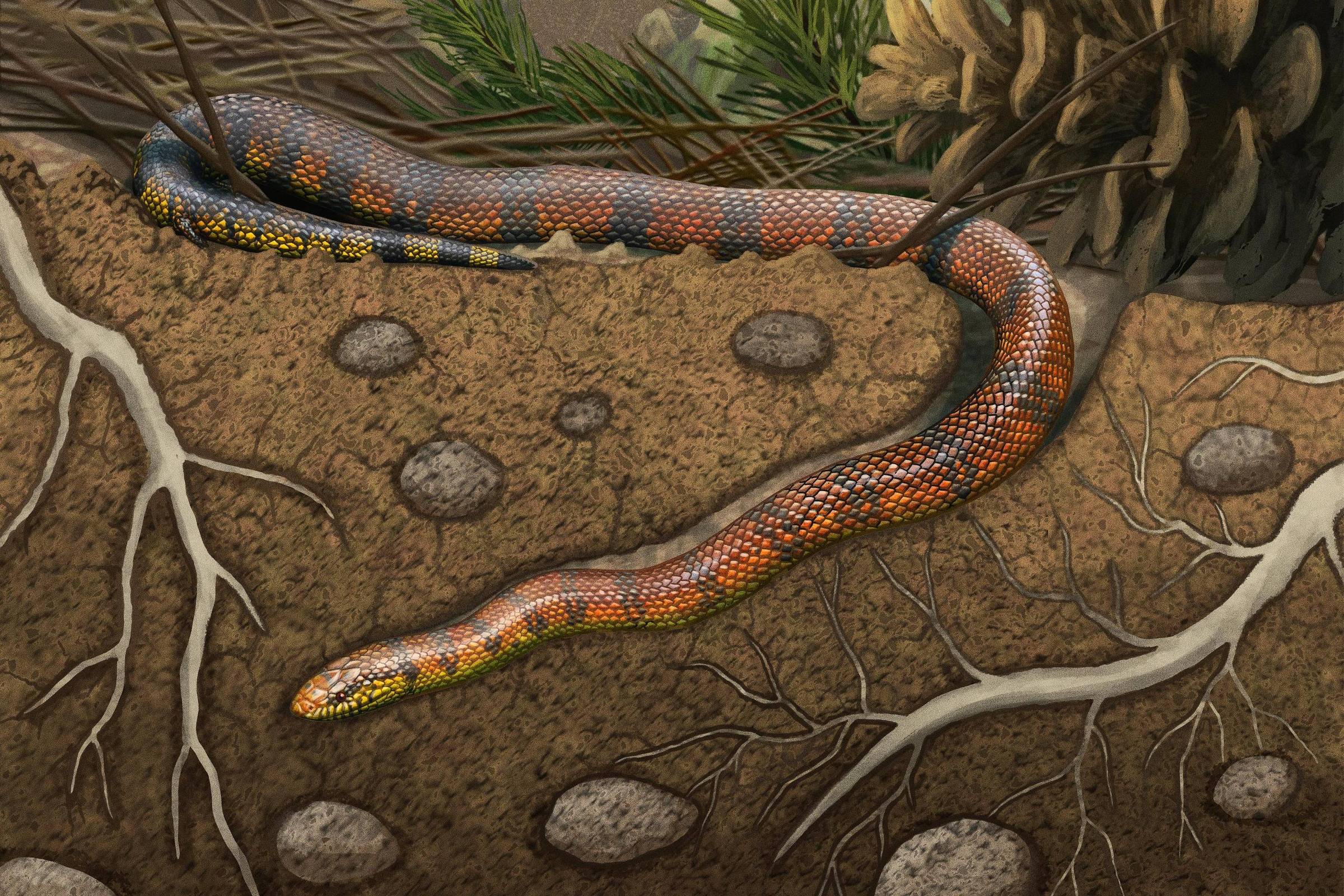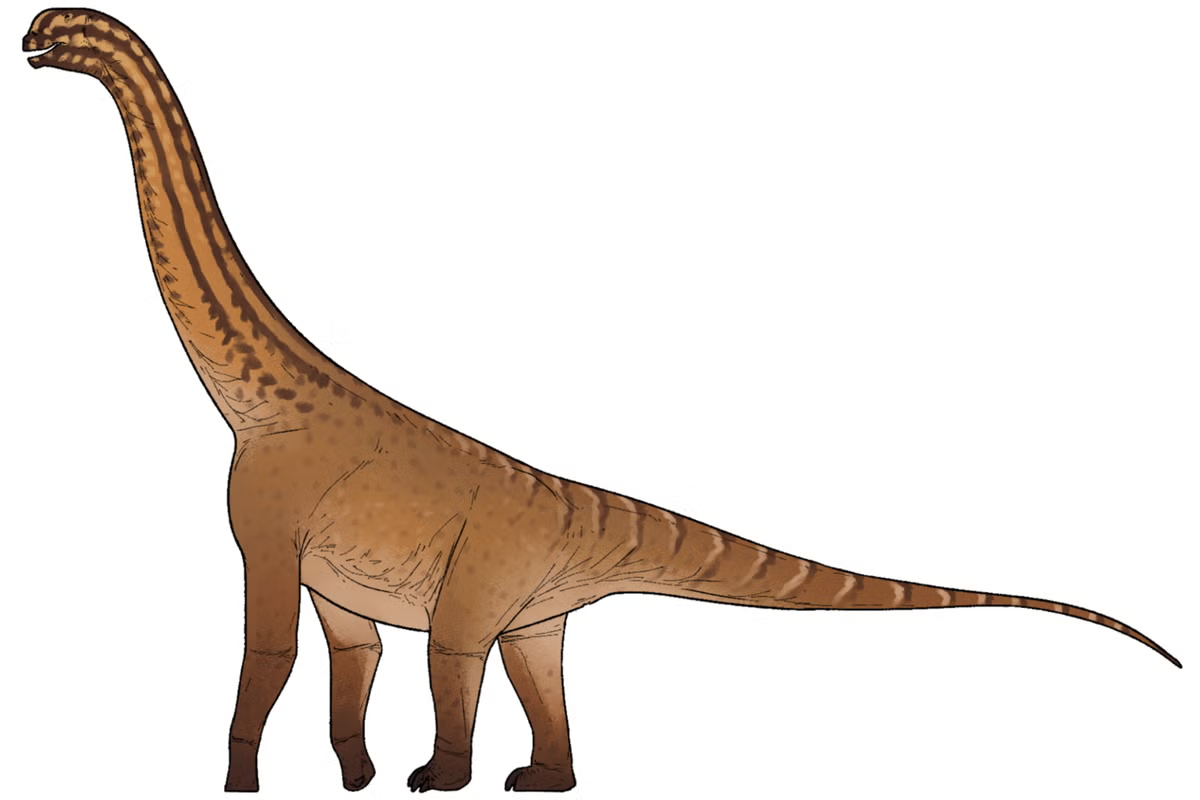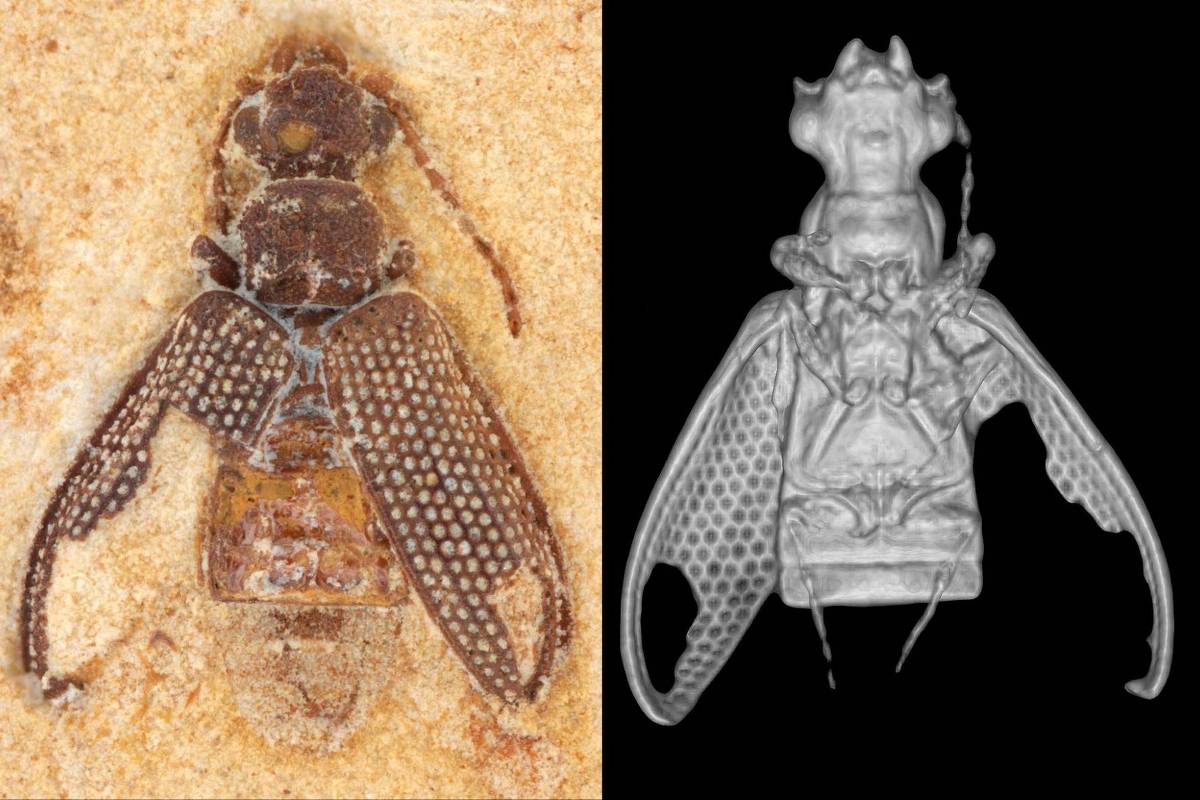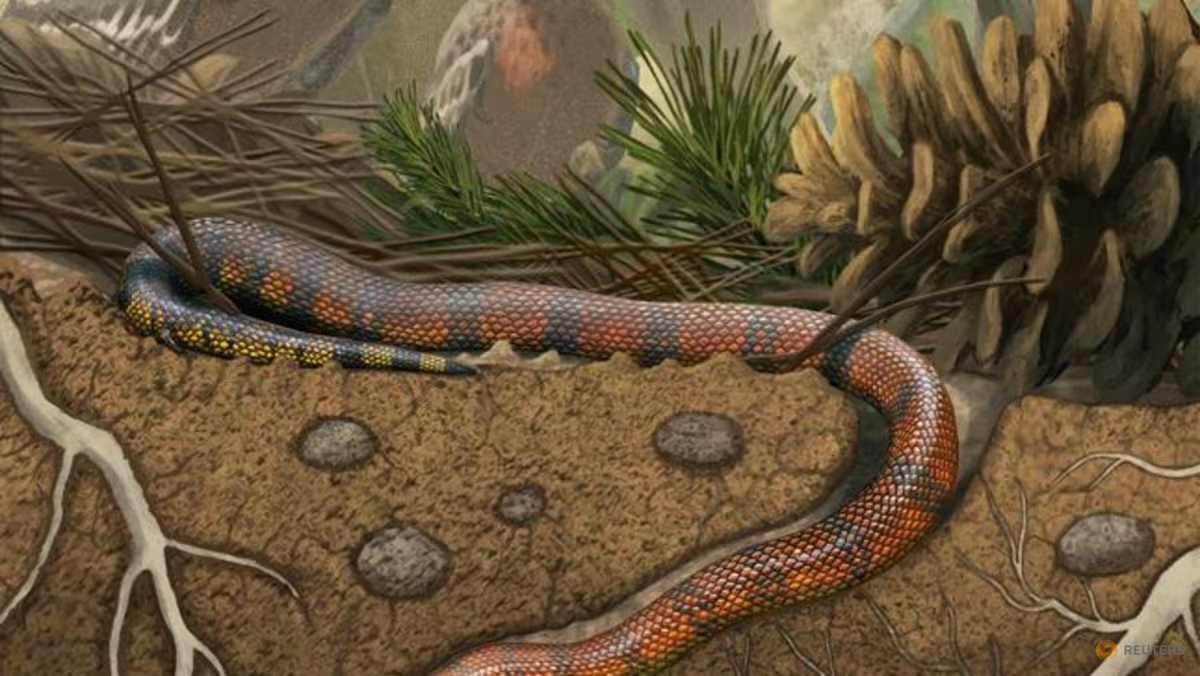
July 23 : Snakes first appeared during the age of dinosaurs, but fossils of many early species are so fragmentary that scientists have had difficulty deciphering their evolution as a group. Now, a well-preserved fossil from southeastern Brazil is offering fresh insight into the history of these slithering reptiles.The fossil is of a snake called Tametara mirim that lived between 75 and 85 million years ago during the Cretaceous Period and measured about 17 inches (42 cm) long. It inhabited a lush ecosystem alongside animals including enormous long-necked, plant-eating dinosaurs, crocodiles and birds.While the fossil does not retain all of Tametara's anatomy, a portion of the skull was so well preserved that it enabled researchers to reconstruct the snake's brain anatomy. It was the brain shape and skull bone microstructure that showed that this species lived a burrowing — known as fossorial — lifestyle, as do many present-day species such as coral snakes.Snakes evolved from lizard ancestors, and are thought to have first appeared roughly 170 million years ago during the Jurassic Period. But there are no well-preserved snake fossils from the Jurassic and only a handful from the subsequent Cretaceous, the final chapter in the age of dinosaurs.
Dinosaur-era fossil provides insight into snake evolution
July 23 : Snakes first appeared during the age of dinosaurs, but fossils of many early species are so fragmentary that scientists have had difficulty deciphering their evolution as a group. Now, a well-preserved fossil from southeastern Brazil is offering fresh insight into the history of these slithering reptiles.
690 words~3 min read