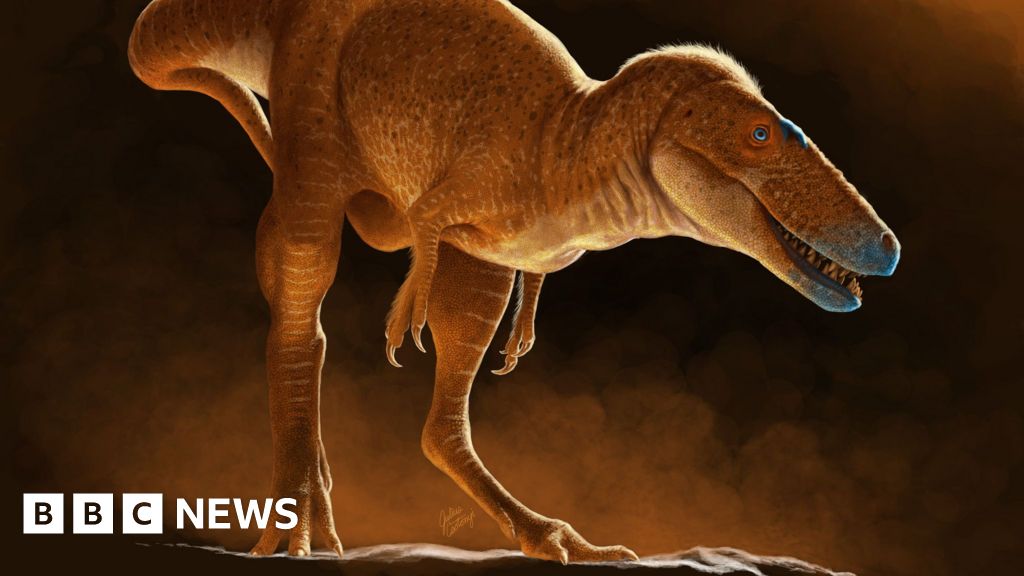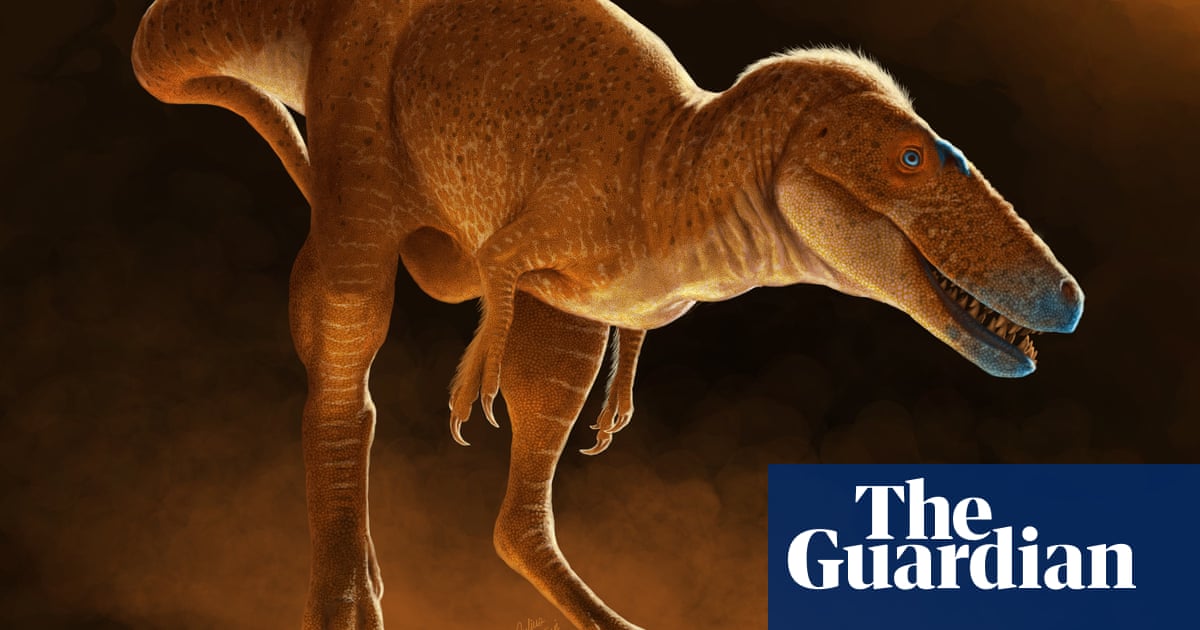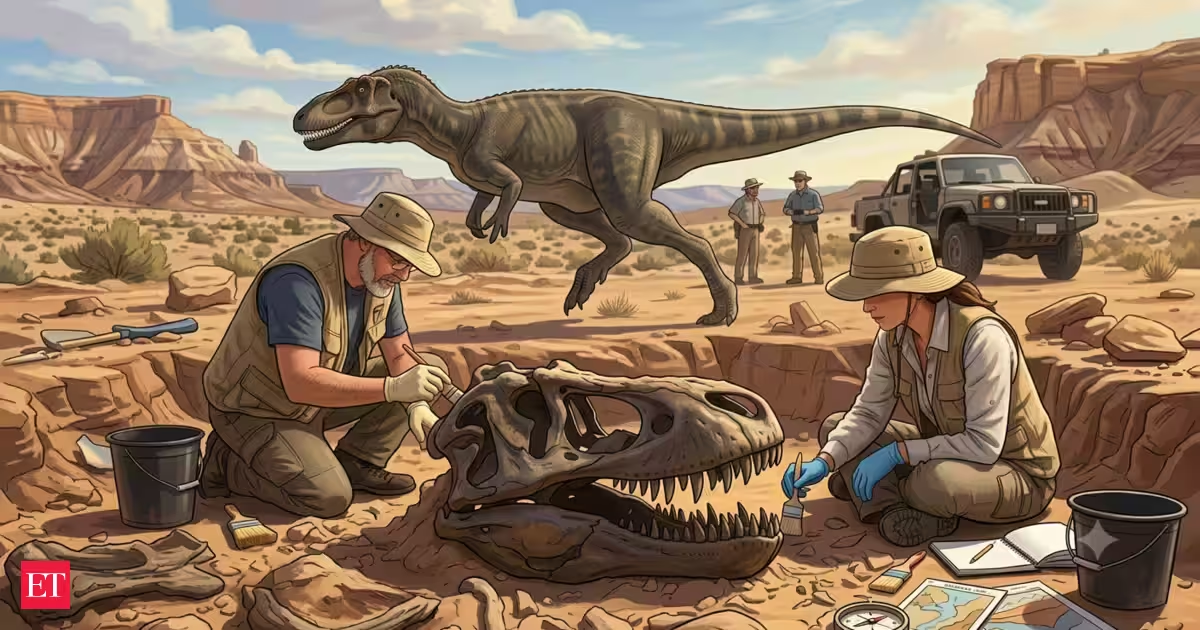
Dinosaur species older than T. rex: A fossil discovery in New Mexico in 1998 eventually revealed a dinosaur scientists had never seen before, a tyrannosaur that lived about 75 million years ago, roughly 10 million years before Tyrannosaurus rex appeared.Named Bistahieversor sealeyi, the dinosaur belonged to the same lineage as T. rex, although it was much smaller, as per a report.A new tyrannosaur was hiding in a New Mexico fossilThe main fossil included a complete adult skull and part of a skeleton. Researchers also found bones from a younger “teenager” and a few bones from another adult.After years of studying the remains, paleontologists identified Bistahieversor as a new genus and species.The dinosaur was about 29 feet long, had a head roughly the size of a washing machine and weighed at least a ton, as per a Livescience report.MORE STORIES FOR YOU✕« Back to recommendation storiesI don't want to see these stories becauseThey are not relevant to meThey disrupt the reading flowOthersSUBMITBy comparison, T. rex had a skull about 5 feet long and weighed around 6 tons.What made Bistahieversor different from T. rexBistahieversor may have looked similar to other tyrannosaurs, but several subtle features, especially in its skull, set it apart.Like T. rex, it had a deep snout that helped it kill prey with its jaws. Researchers believe this feature was more primitive in Bistahieversor and was not unique to later tyrannosaurs, as per the report.The dinosaur also had a mix of primitive and more advanced characteristics, giving scientists a better look at how the tyrannosaur lineage evolved.Researchers say the animal may even offer clues about what a common ancestor of later tyrannosaurs looked like.The fossil revealed a unique predator in the American SouthwestThe discovery also changed scientists' understanding of the predators that lived in the region.Before Bistahieversor was identified, many dinosaur teeth and bones found in the American Southwest were thought to belong to animals more closely related to T. rex, including Albertosaurus, which lived farther north, as per the Livescience report.Instead, the fossil showed that the Southwest had its own distinct tyrannosaur.Researchers believe more primitive tyrannosaurs may have remained in the Southwest while more advanced forms lived farther north. Geographical barriers, including the formation of the Rocky Mountains, may have helped create that difference.
In 1998, a New Mexico fossil revealed a previously unknown Tyrannosaur that predated T. rex and roamed Earth 75 million years ago
Dinosaur species older than T. rex: Paleontologists identified Bistahieversor sealeyi, a new tyrannosaur species from New Mexico. This dinosaur lived about seventy-five million years ago, predating T. rex by ten million years. Bistahieversor was much smaller than T. rex, weighing at least a ton. Its skull featured subtle differences, indicating primitive tyrannosaur characteristics.
375 words~2 min read