Seventy years after the 1956 Women's March, South African women still face poverty, unemployment, GBVF and unequal opportunities. The article argues that greater economic empowerment, education, leadership opportunities and stronger action against GBVF are essential to achieving true gender equality.
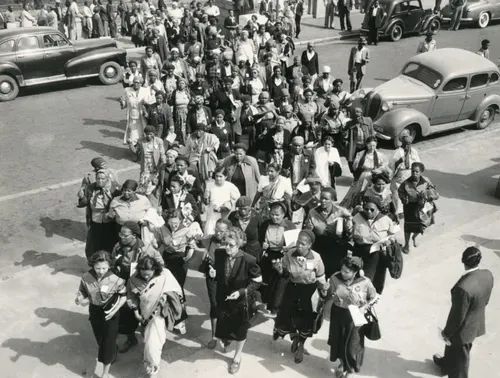
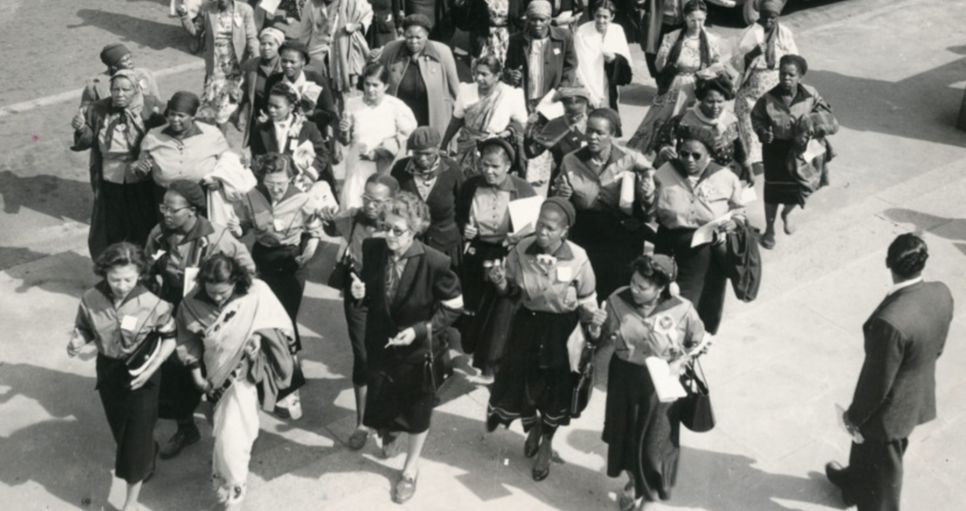
Every August, South Africa celebrates the legacy of the more than 20,000 women who marched to the Union Buildings in Pretoria on 9 August 1956, marking one of the most significant acts of resistance in the country's history.
These women of all races, many carrying babies on their backs, marched against pass laws that sought to regulate not only their movement but also their dignity. They carried petitions, they chanted and they proclaimed with unwavering confidence: "Wathint' Abafazi, Wathint' Imbokodo."
The 1956 march serves as a powerful reminder of the sacrifices made for freedom and the long-standing demand for equality before it was written into law. It emphasised that unity is the most potent defence against division, showcasing the extraordinary achievements possible when women stand together.
The women of the past faced immense challenges and overcame countless obstacles, turning their darkest days into a brighter future for generations to come. Their courage, resilience and determination paved the way for the rights and opportunities many of us enjoy today.