A total solar eclipse AND the northern lights? It's not impossible...
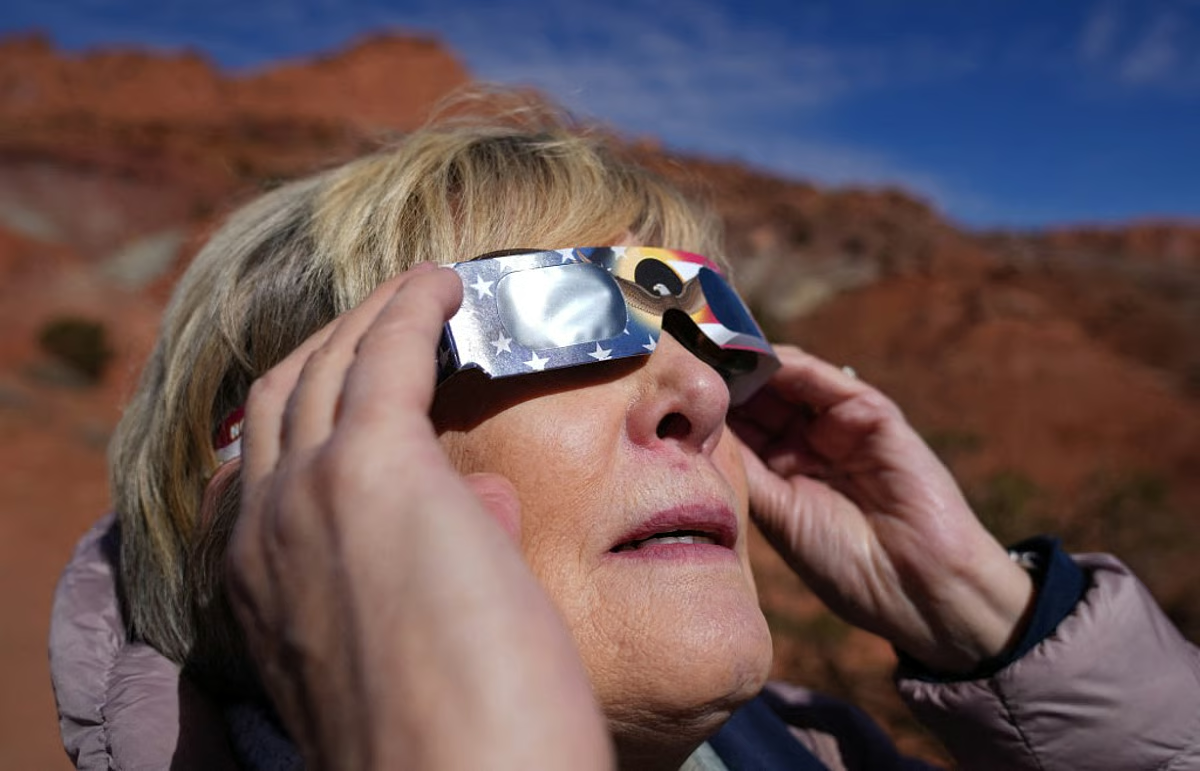
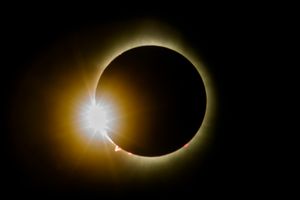
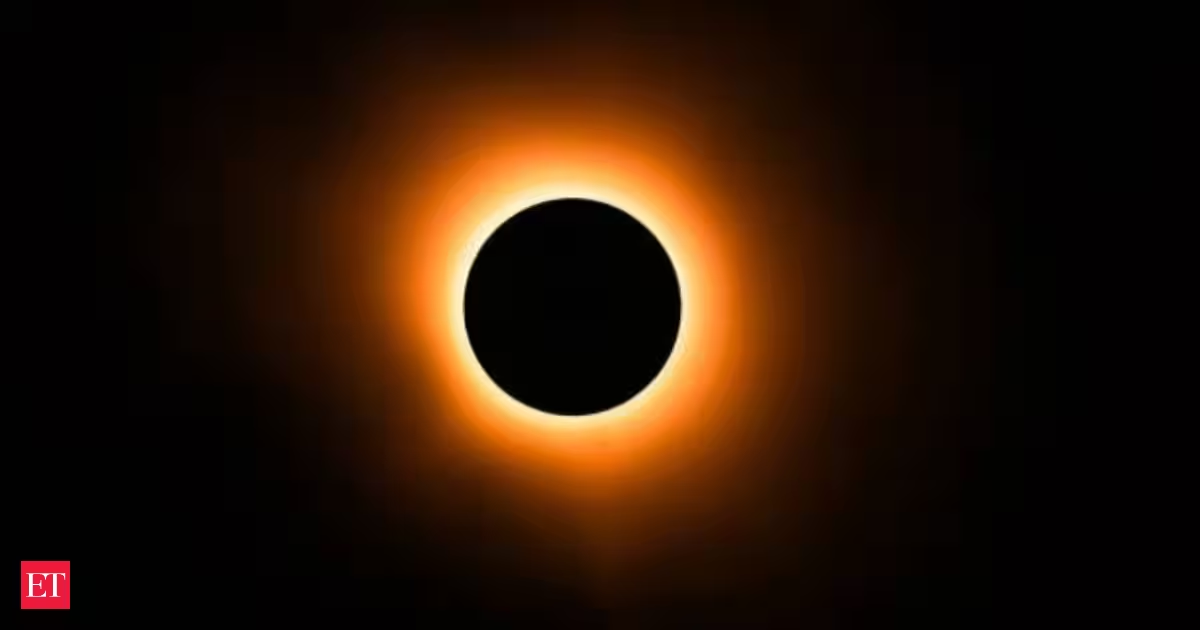
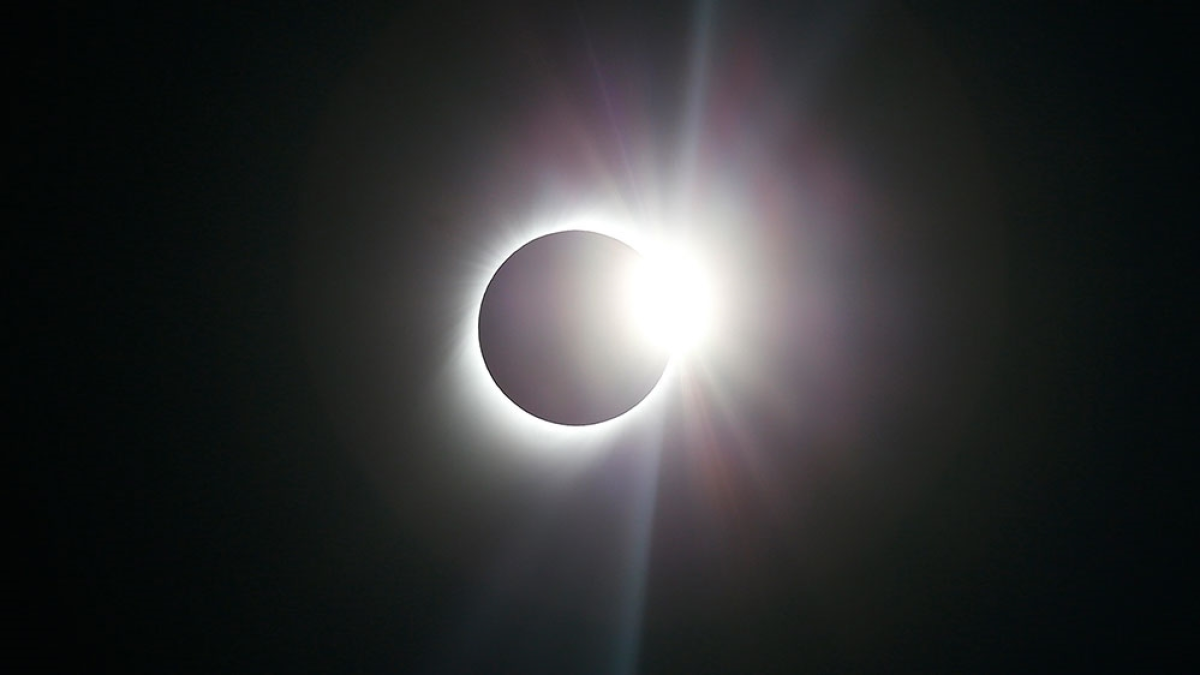
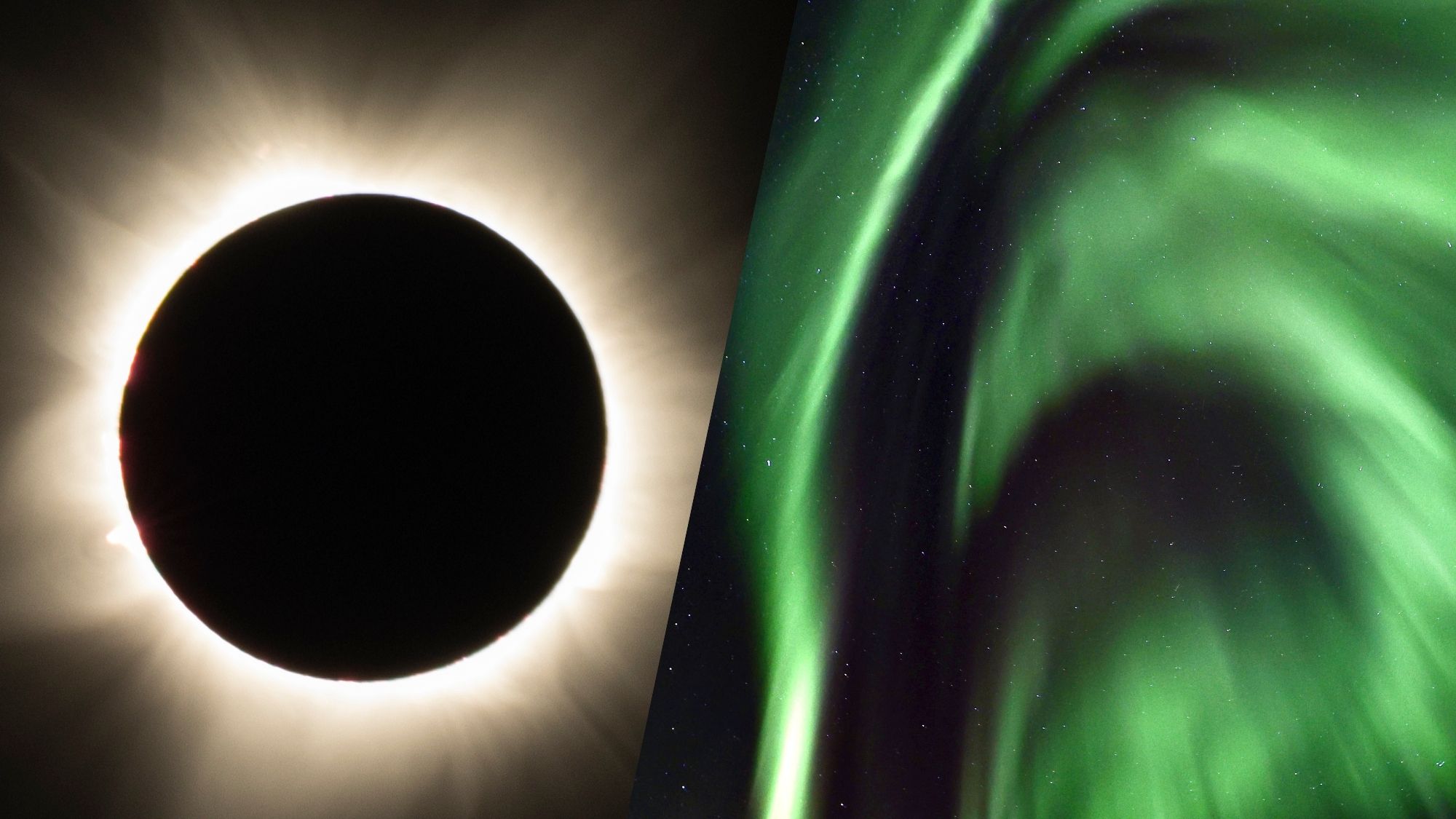
(Image credit: Left: Canva Pro. Right: Daisy Dobrijevic)
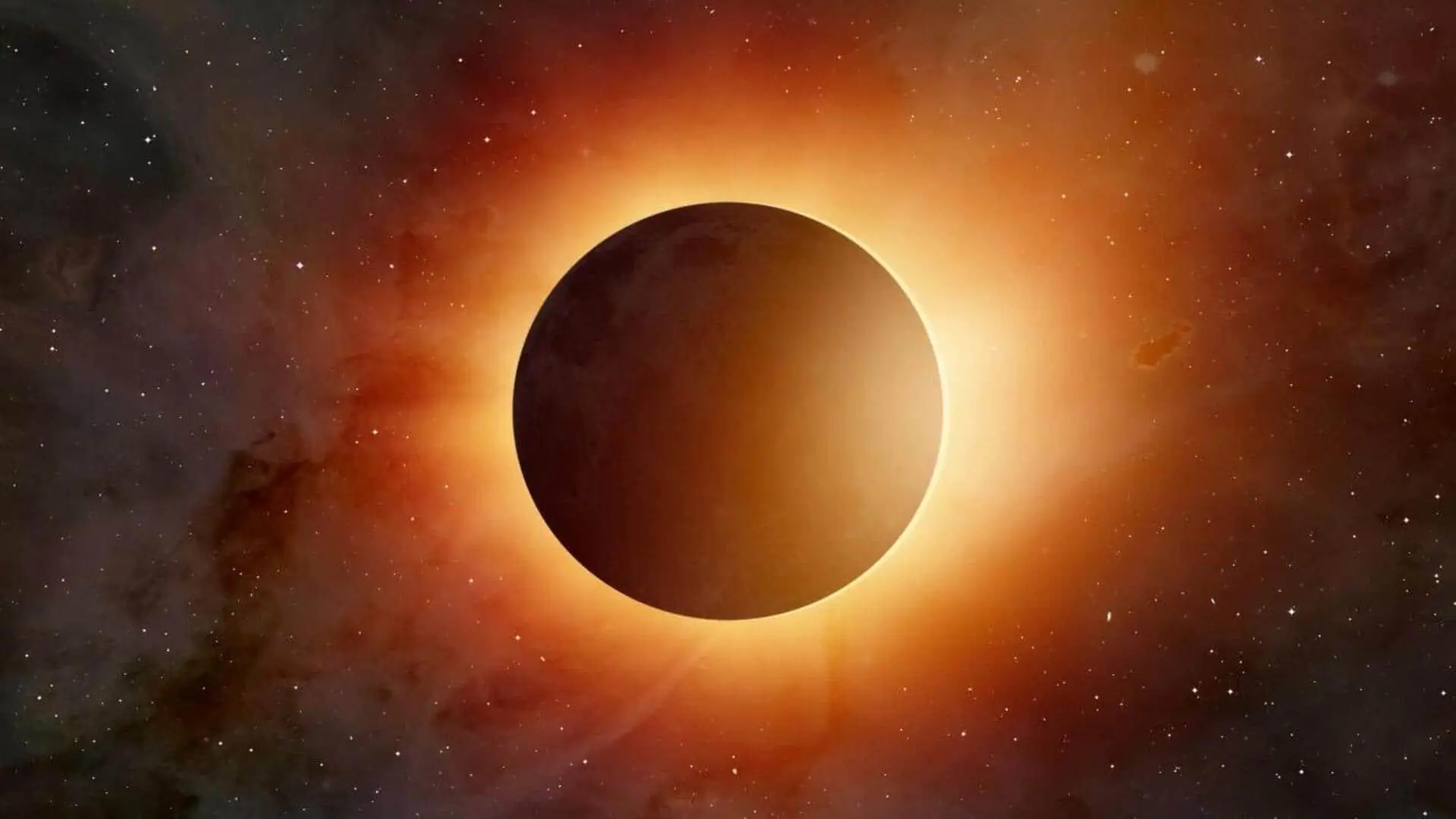
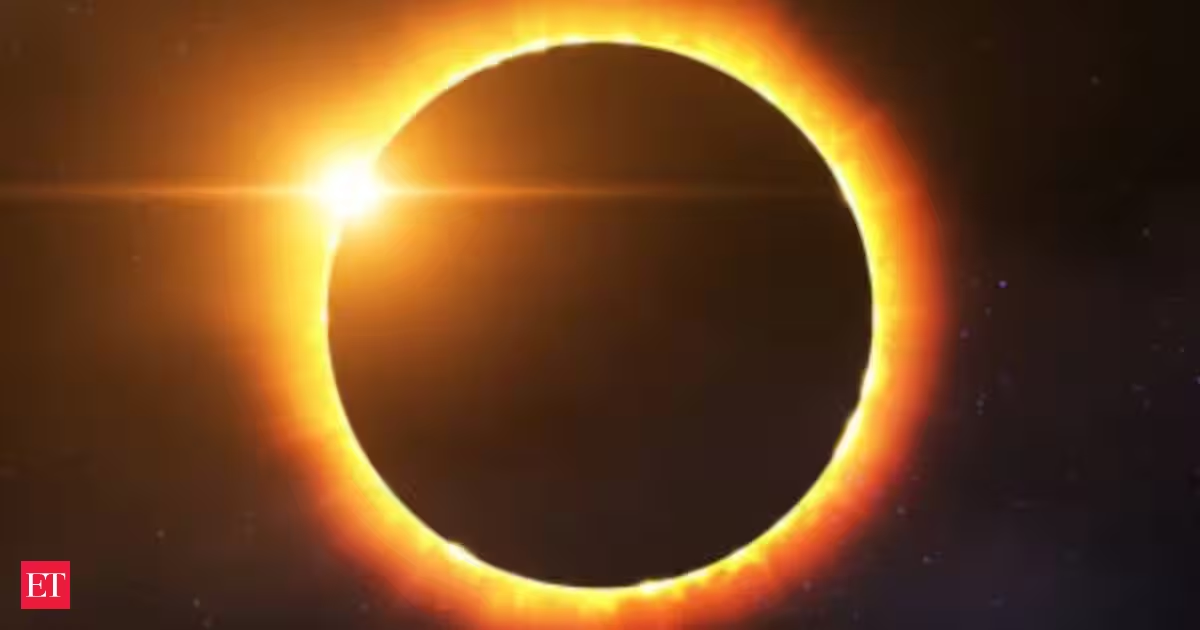
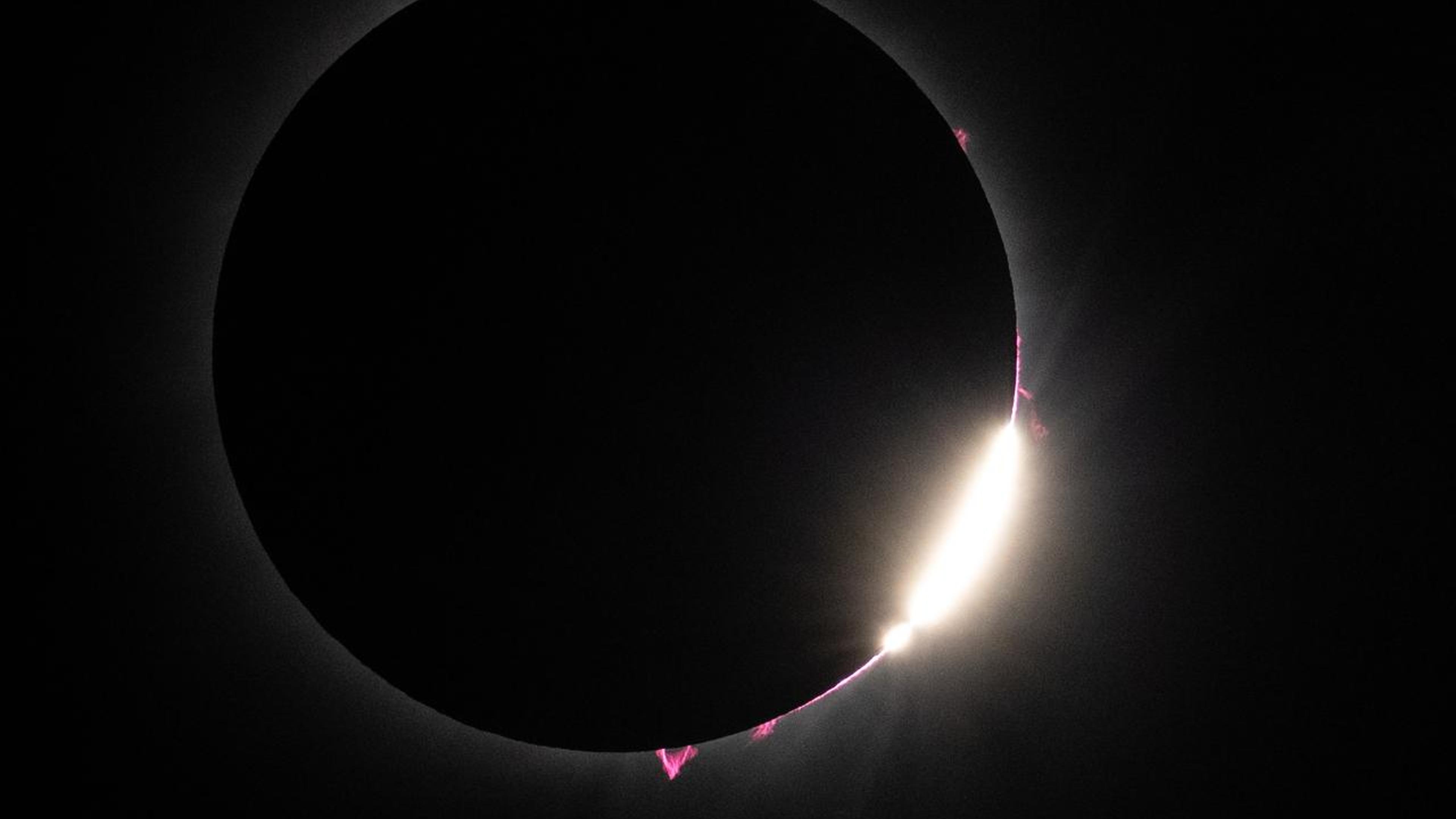
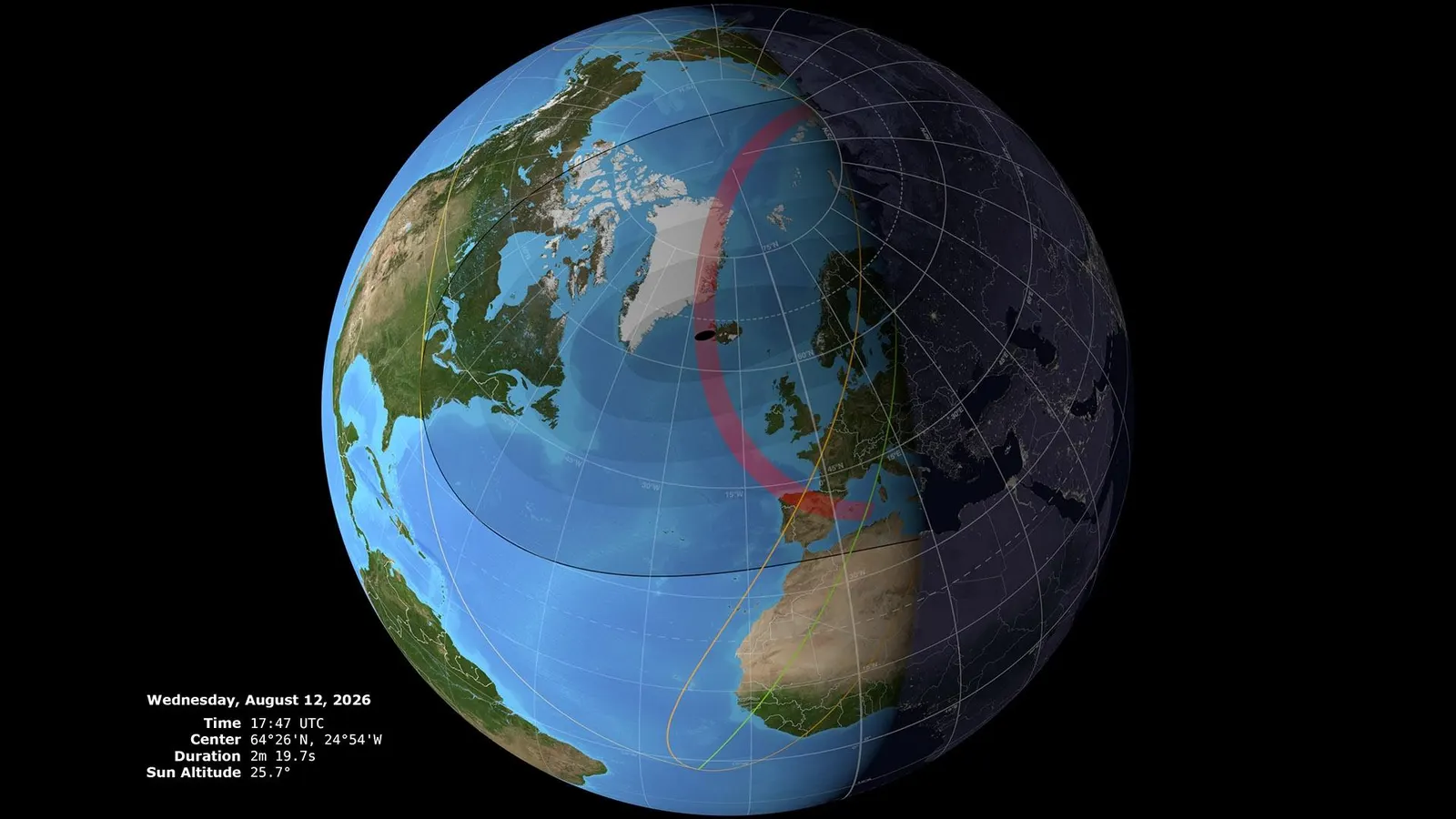
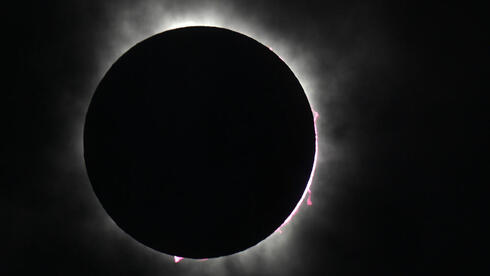
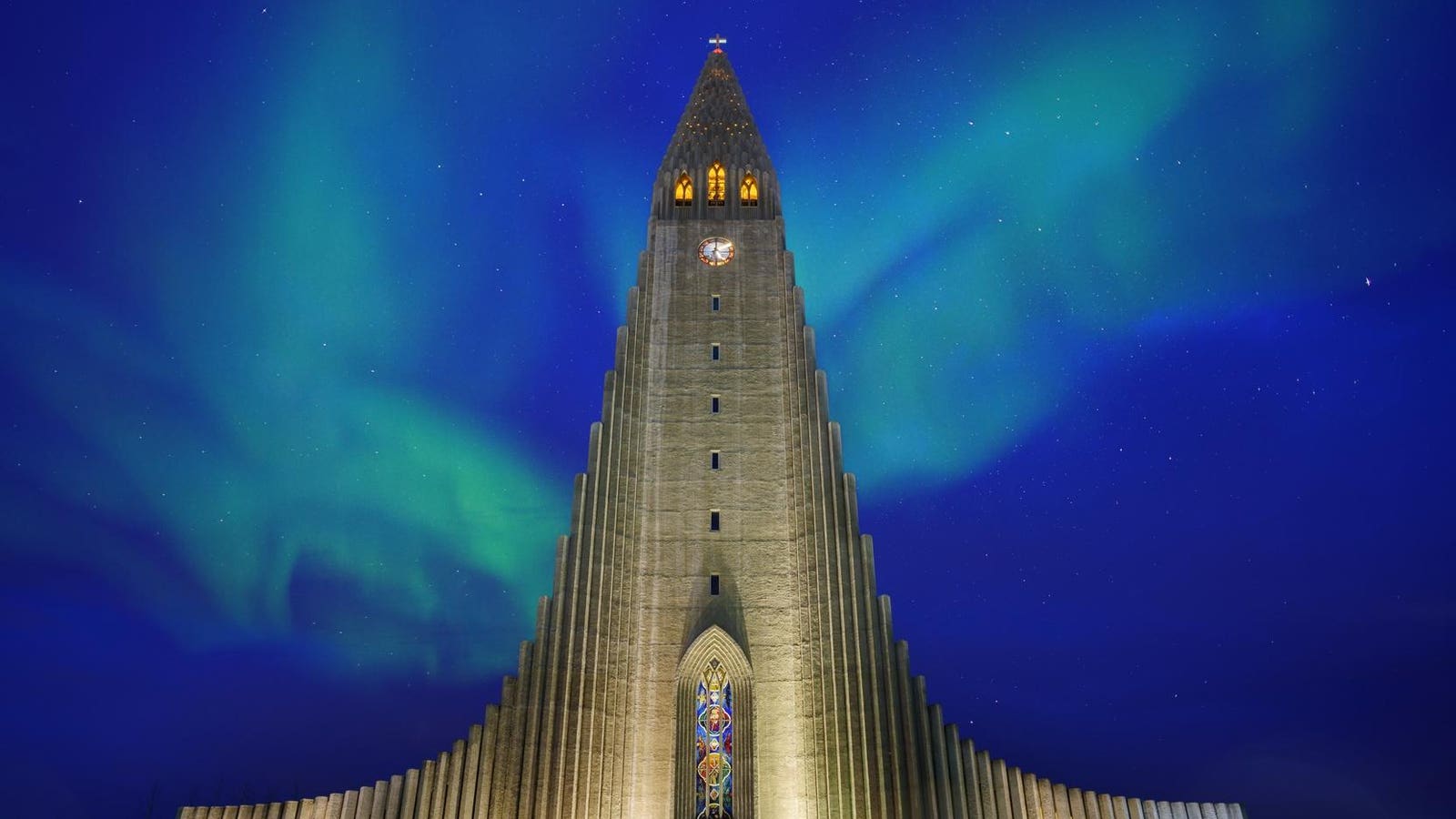
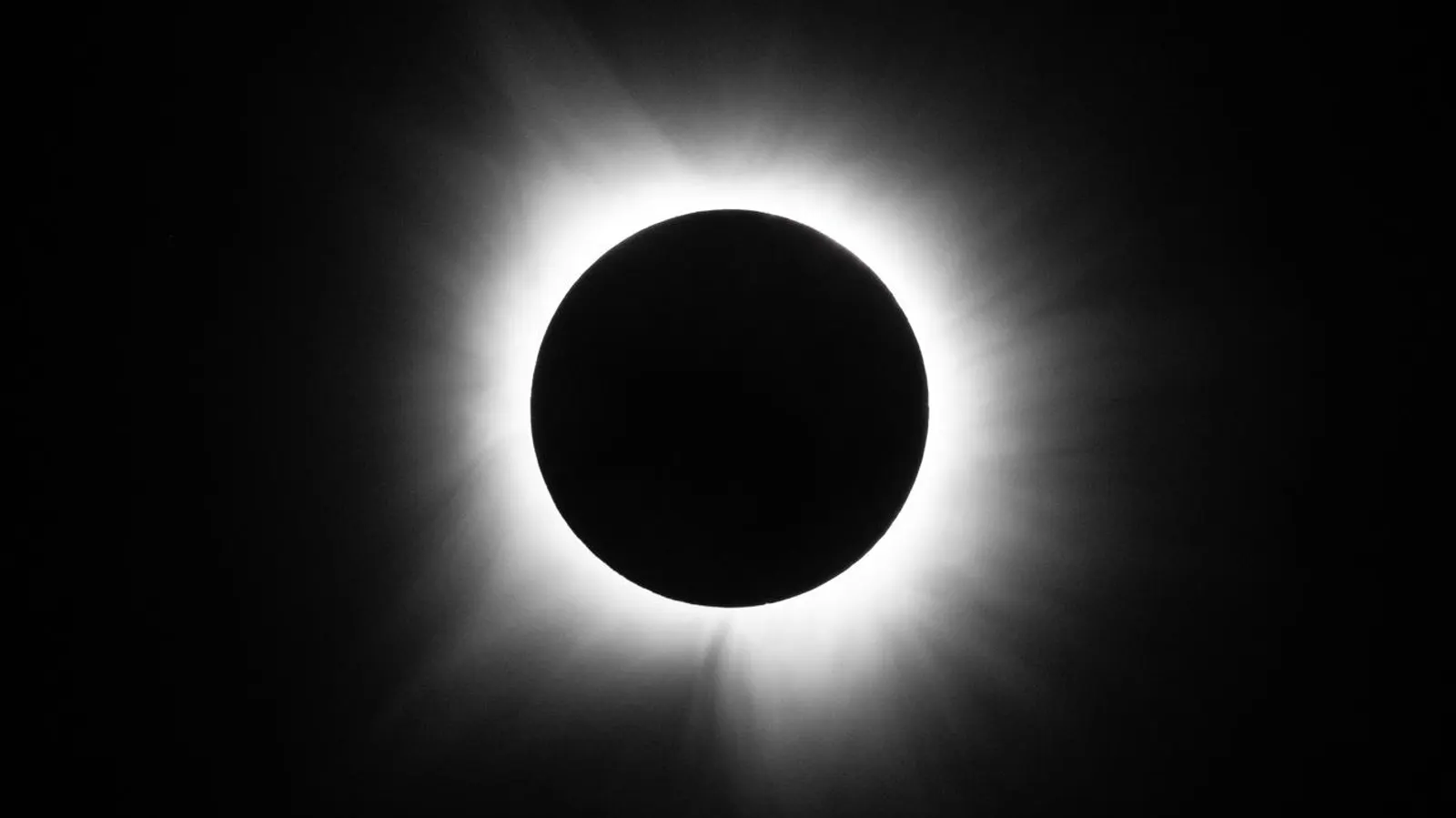
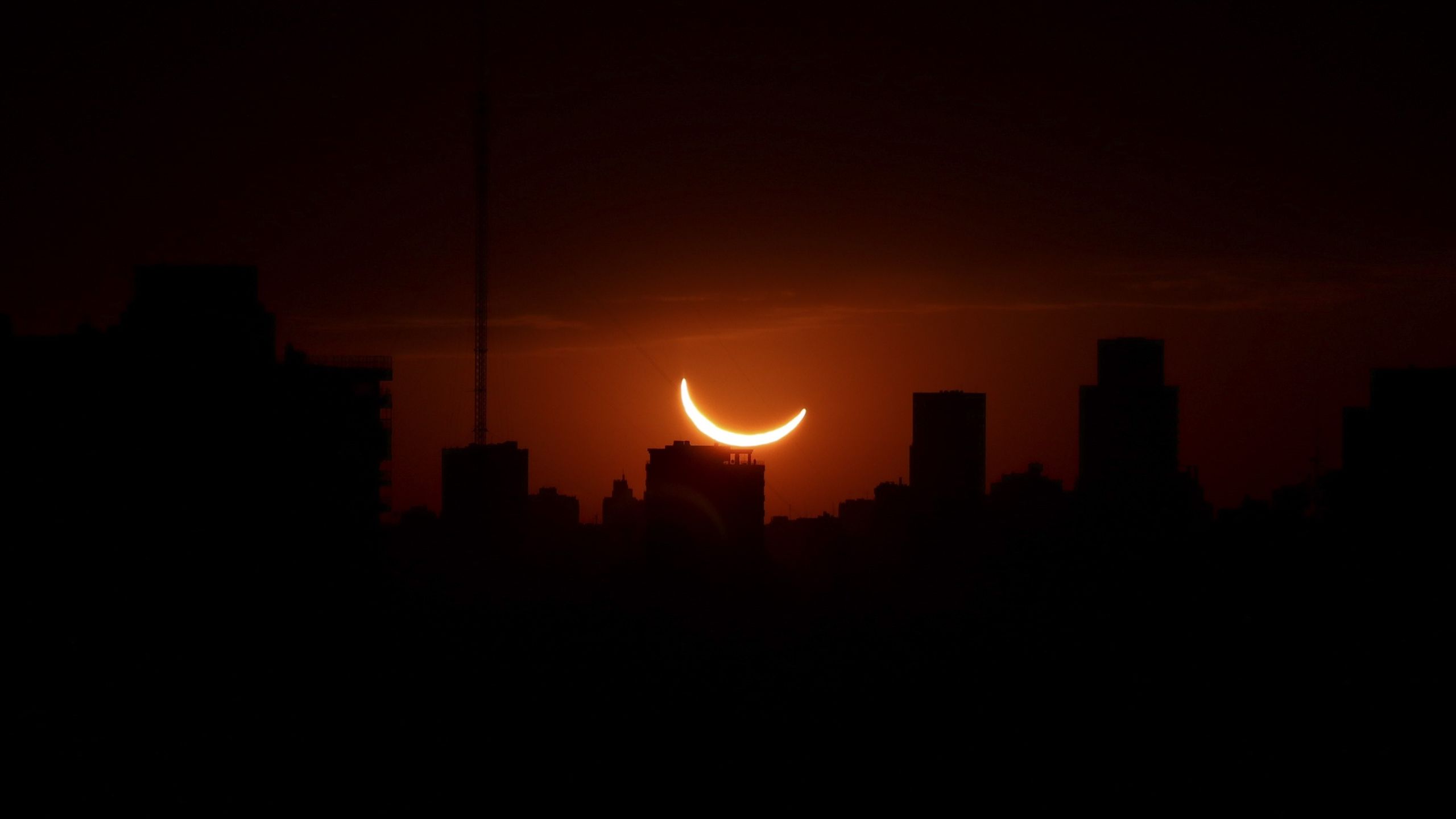
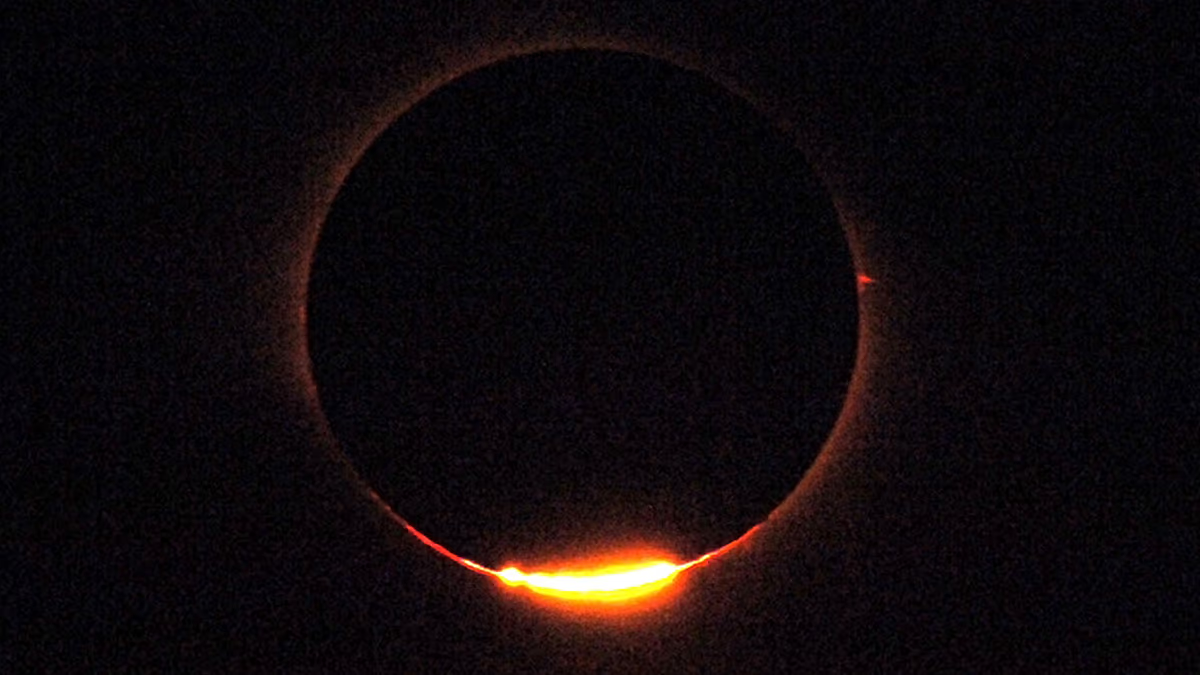
On Aug. 12, 2026, a total solar eclipse will sweep across Earth, giving skywatchers across Greenland, Iceland and northern Spain an incredible view of totality. As the moon completely covers the sun, day will briefly turn to twilight, revealing the sun's faint outer atmosphere, the corona. But could totality reveal something else too?Although totality never produces true nighttime darkness, it does briefly dim the sky to roughly the brightness of twilight. Since eclipse chasers in Greenland and Iceland will be in the auroral zone — the geographic zone around Earth's magnetic pole where auroras are most frequently seen — it's natural to wonder whether the two phenomena could appear together.The answer is yes — but only if everything falls perfectly into place."During totality, the sky brightness is comparable to civil twilight (the first period of darkness after sunset, until the sun reaches six degrees below the observer's horizon). It's uncommon to see auroras during this time, but by no means impossible," Tom Kerss, independent astronomer and Chief Aurora Chaser for tour company Hurtigruten, told Space.com in an email.Kerss knows this from experience. Last year, he photographed the northern lights in Norway at twilight, demonstrating that sufficiently bright auroras can remain visible even before the sky becomes fully dark.