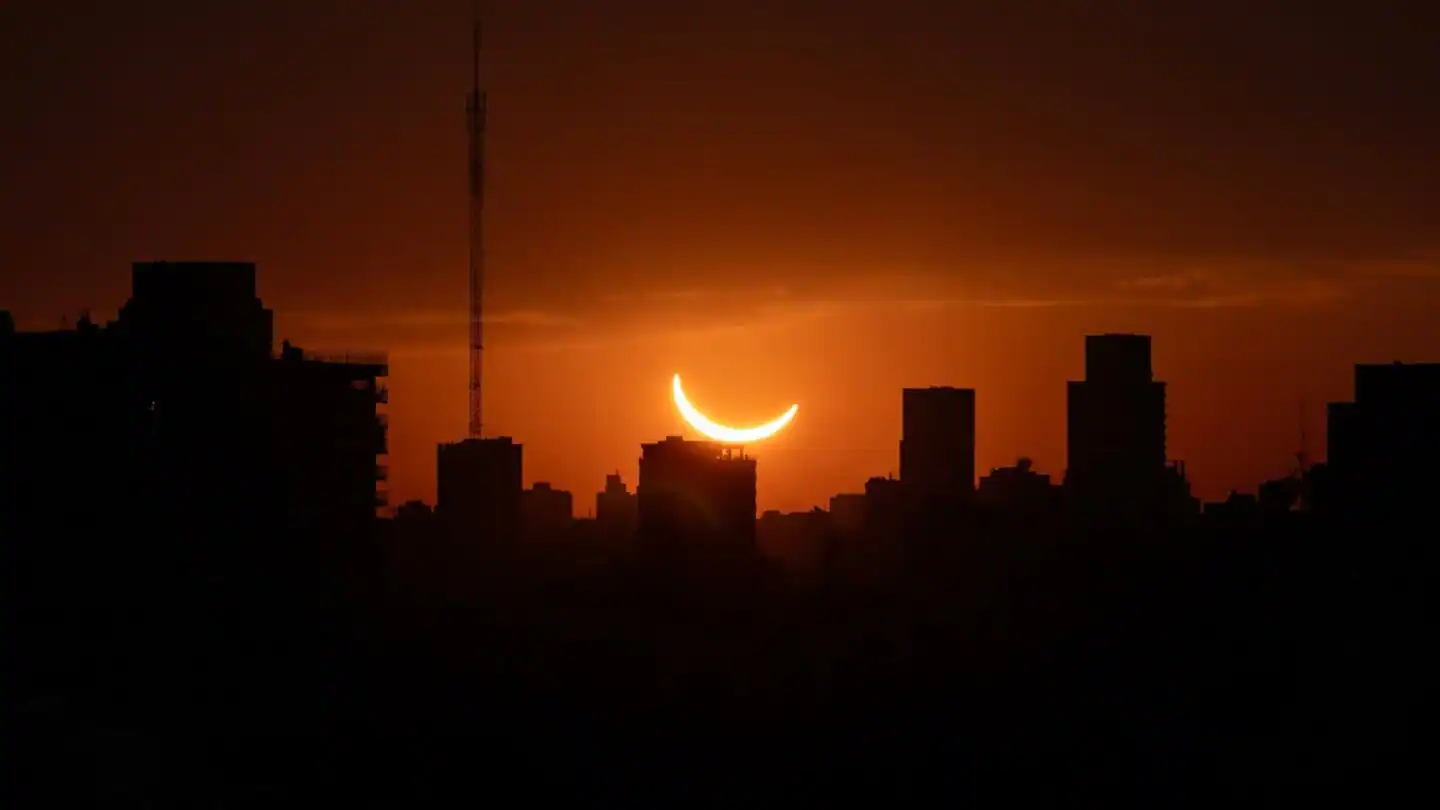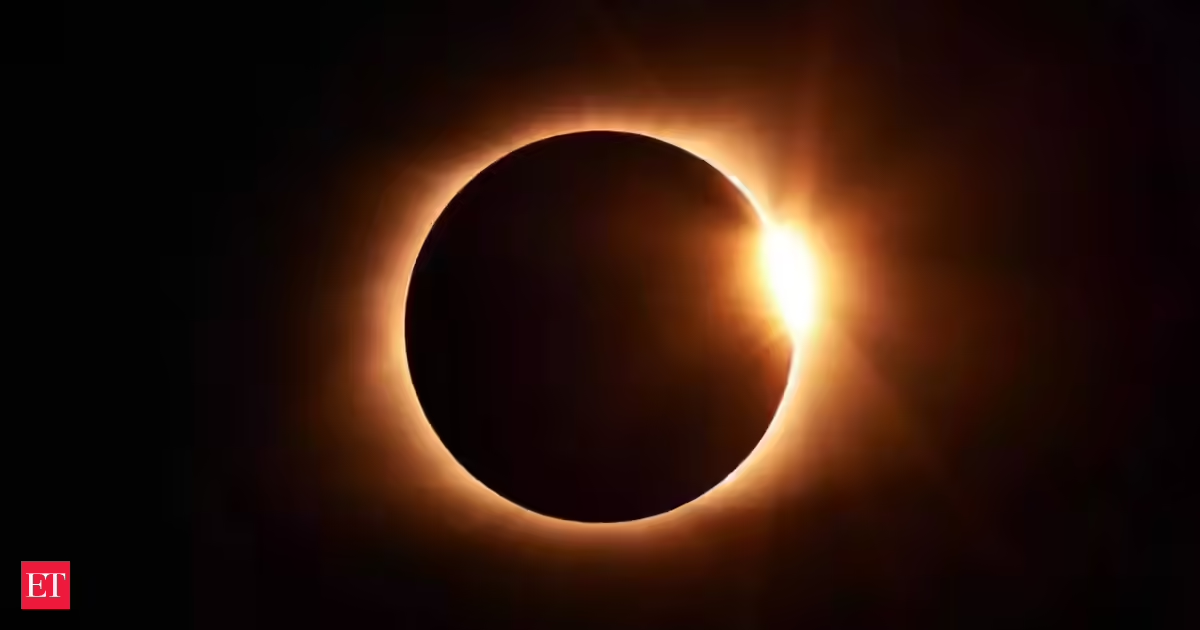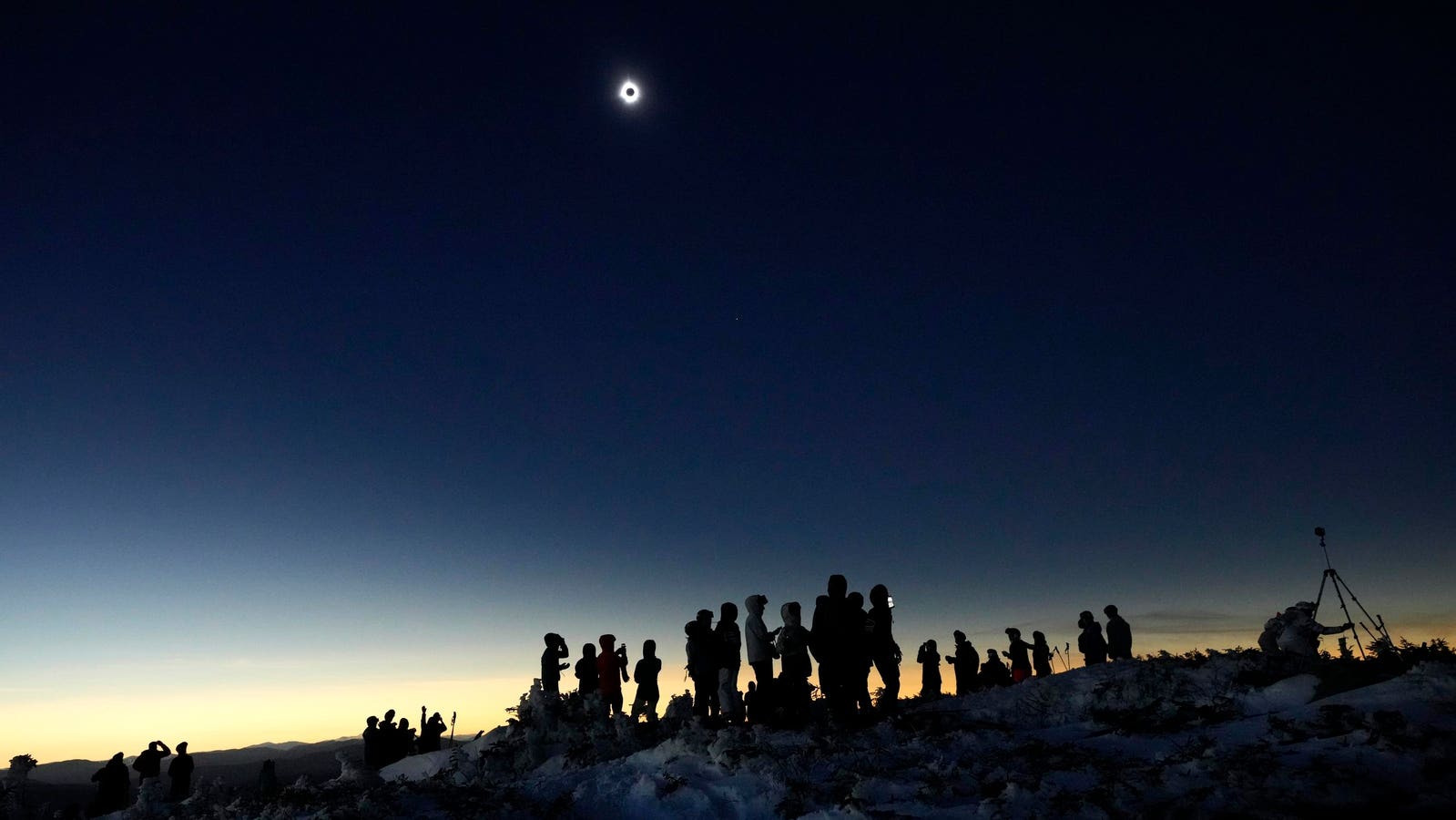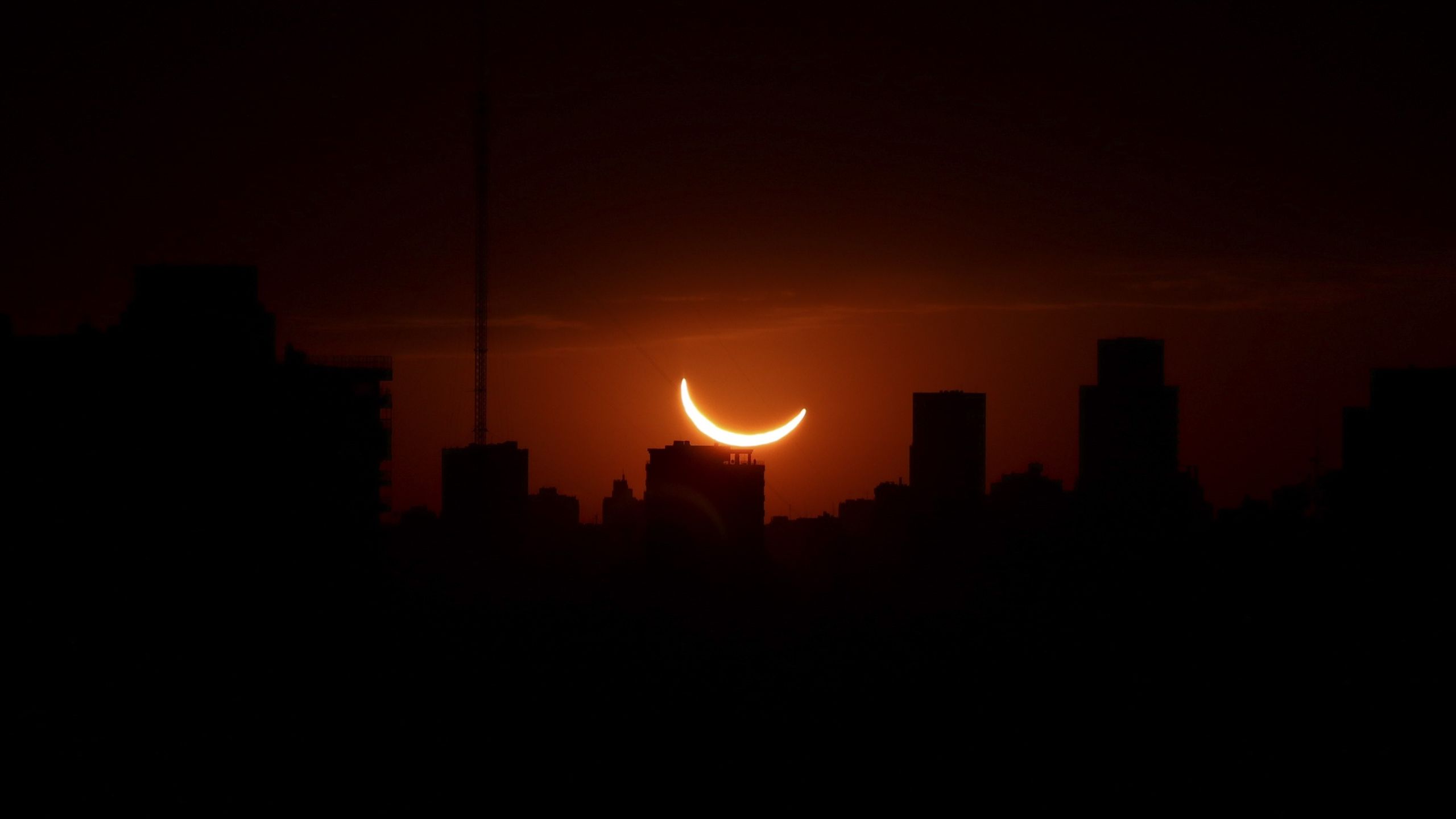
Some of Europe will see a sunset solar eclipse on Aug. 12, 2026. This image was captured during a solar eclipse over Buenos Aires, Argentina on July 2, 2019.
(Image credit: Photo by Muhammed Emin Canik/Anadolu Agency/Getty Images)
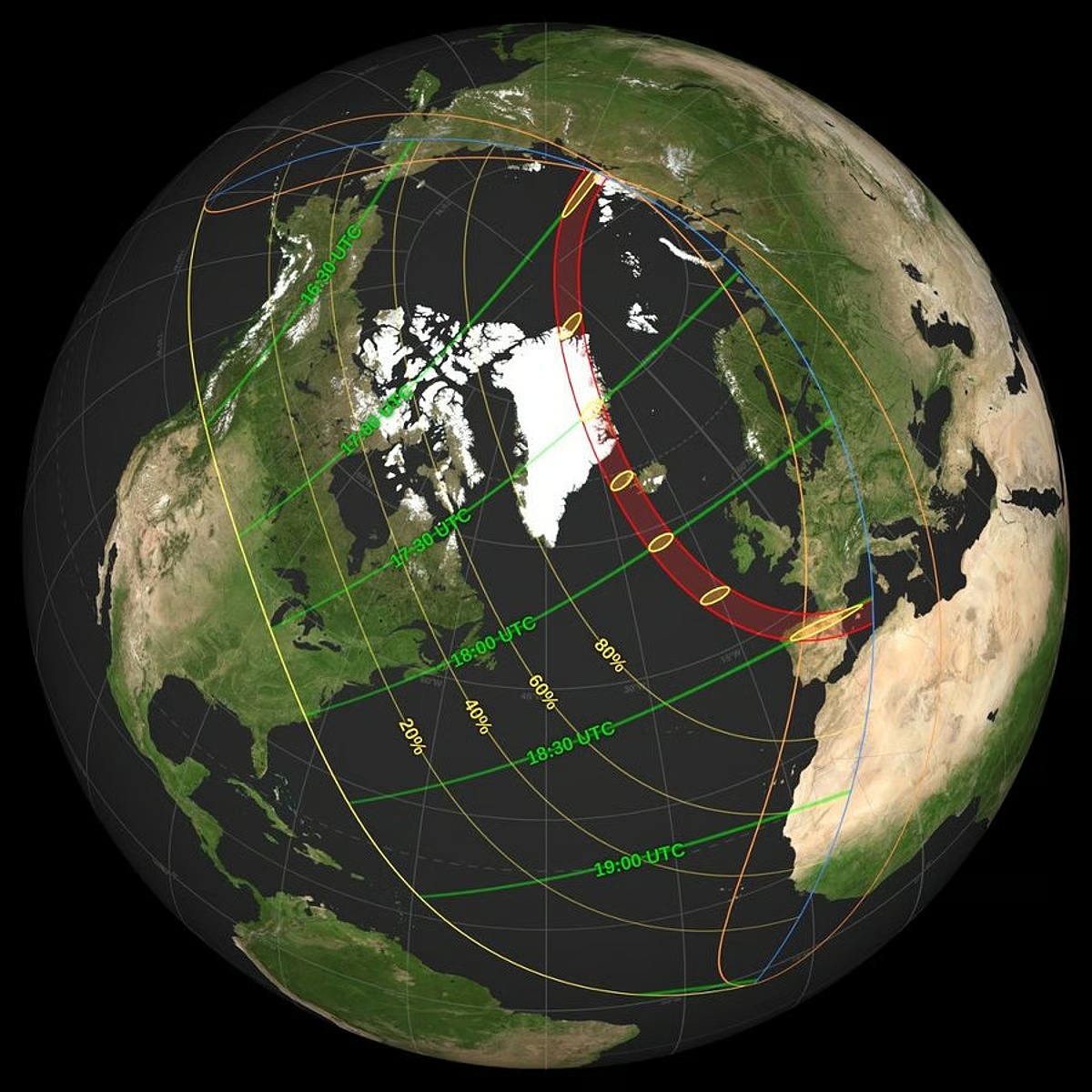
On August 12, 2026, a total solar eclipse will be visible in eastern Greenland, western Iceland and northern Spain. Eclipse chasers will travel to the path in droves, keen to witness a relatively short but ultimately dramatic totality. From Spain, eclipse chasers on the east coast will witness the rare spectacle on land of a totally eclipsed sun just a couple of degrees above the western horizon, minutes from sunset.Read more: Total solar eclipse 2026 — Everything you need to knowWhat many eclipse chasers — and those unable to travel to the path of totality — may overlook is the massive partial solar eclipse visible across Europe. Across almost the entire continent, a huge chunk of the sun will appear eclipsed. Even rarer, a partially eclipsed sunset will be visible in France, Belgium, Germany, Poland, Estonia, Latvia, Lithuania, Belarus, Russia, Finland, Ukraine, Slovakia, Austria, Croatia, Hungary, Romania, Serbia, Italy, Kosovo, North Macedonia, and Albania. In Northwest Africa, a similar view awaits Morocco, Western Sahara, Mauritania, Algeria, Tunisia, Mali, Senegal, the Gambia, Guinea-Bissau, Guinea, Sierra Leone, Liberia, the Ivory Coast, and Burkina Faso.This promises to be a mighty event that millions can view in some form — but do many know about it yet? Here's what you need to know about seeing a partial solar eclipse across Europe on Aug. 12, 2026.How to read an eclipse mapThe black line on the map above shows where the maximum partial eclipse will happen at sunset. In Warsaw, Poland, for example, the sun will be 83% eclipsed — the maximum there — as it sets. For locations just east of the black line, the sun sets before the partial eclipse ends. Just to the west, sunset occurs as the partial eclipse deepens.