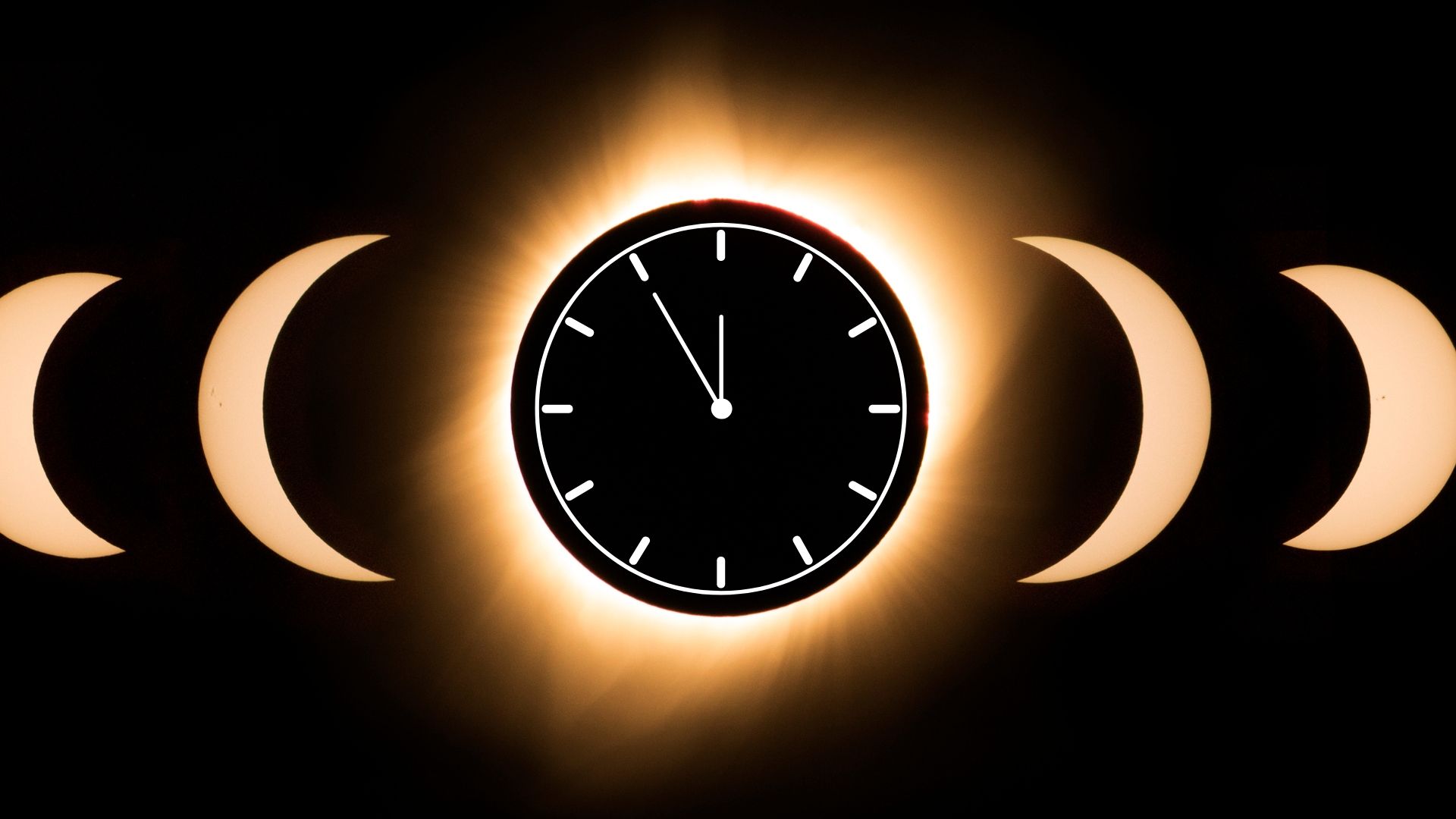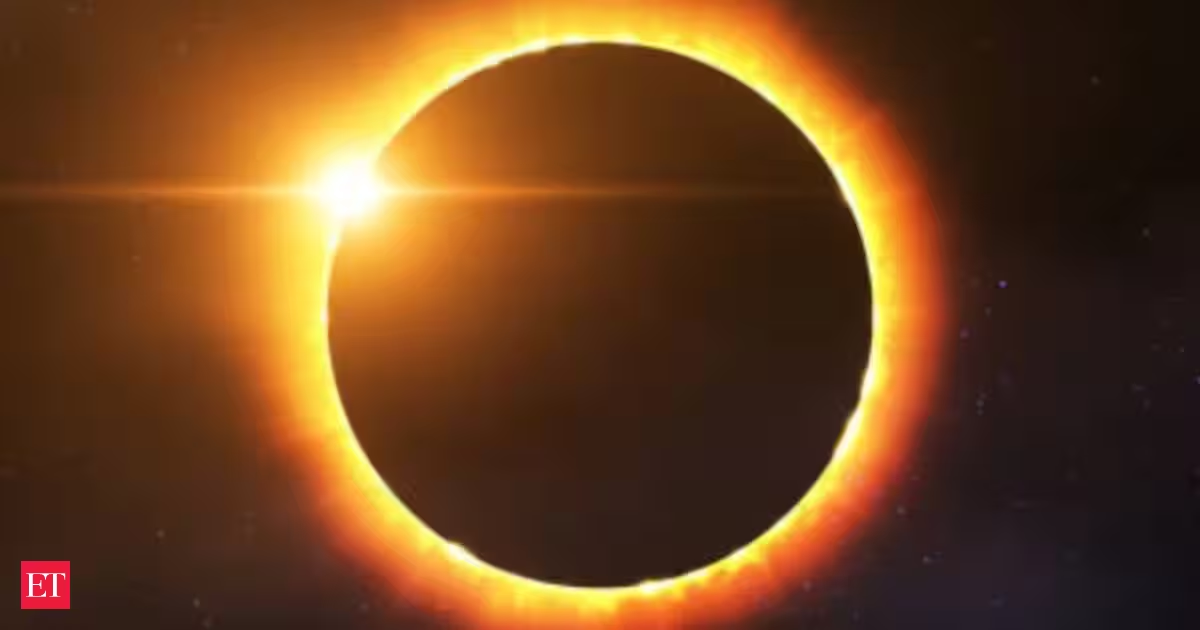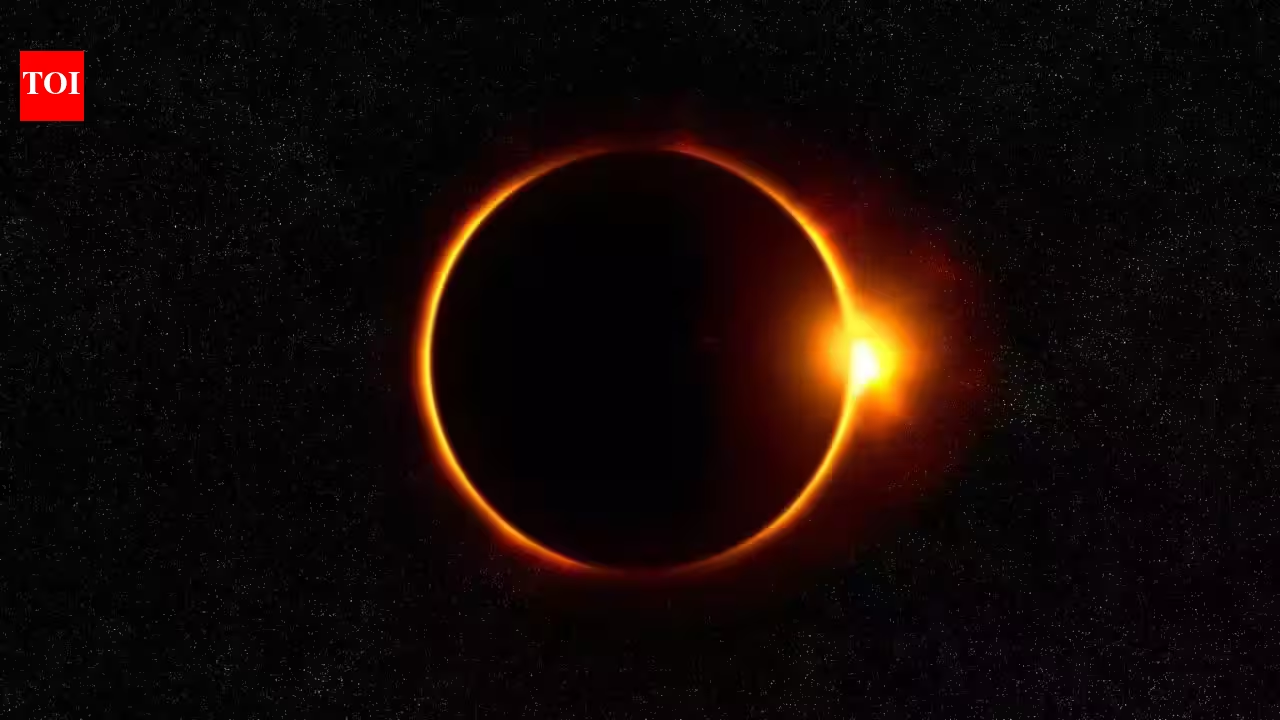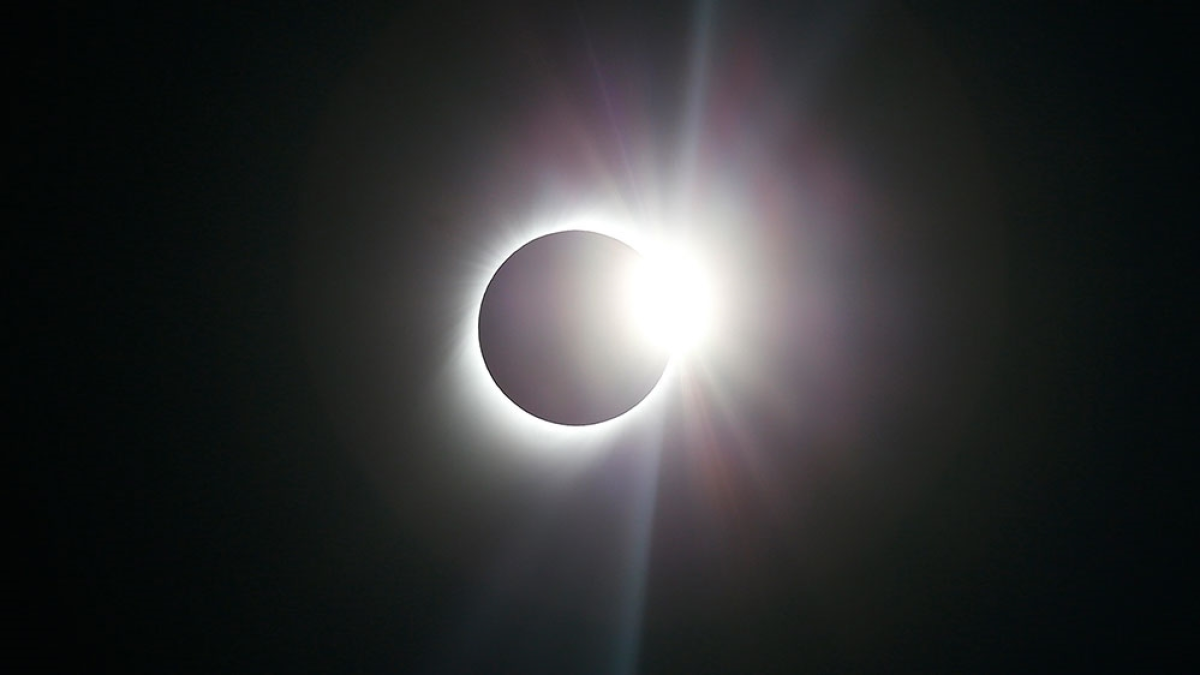
On August 12, 2026, starting at 15:34 GMT, the moon’s shadow will race from the Arctic across Greenland, Iceland and Spain, blotting out the sun for as long as two minutes and 18 seconds.Wednesday’s eclipse will be mainland Europe’s first total solar eclipse since 1999, with about 15 million people, mostly in Spain, living in the path of totality.A partial eclipse will be visible across much of Western Europe, parts of Northwestern Africa, and a small portion of the United States. Overall, about 980 million people, nearly one in eight worldwide, can see the sun at least partly covered.That leaves seven in eight of us under an ordinary sky on Wednesday. Enter your location in the tool below to see where the moon will pass on August 12 and whether it will cover your area. Get the next eclipse date and time in your city.What happens during an eclipse?An eclipse happens when one celestial body moves into the shadow of another.In a lunar eclipse, Earth’s shadow falls across the moon. In a solar eclipse, the moon passes between Earth and the sun and blocks its light, in one of four ways: partial, annular, total or hybrid.
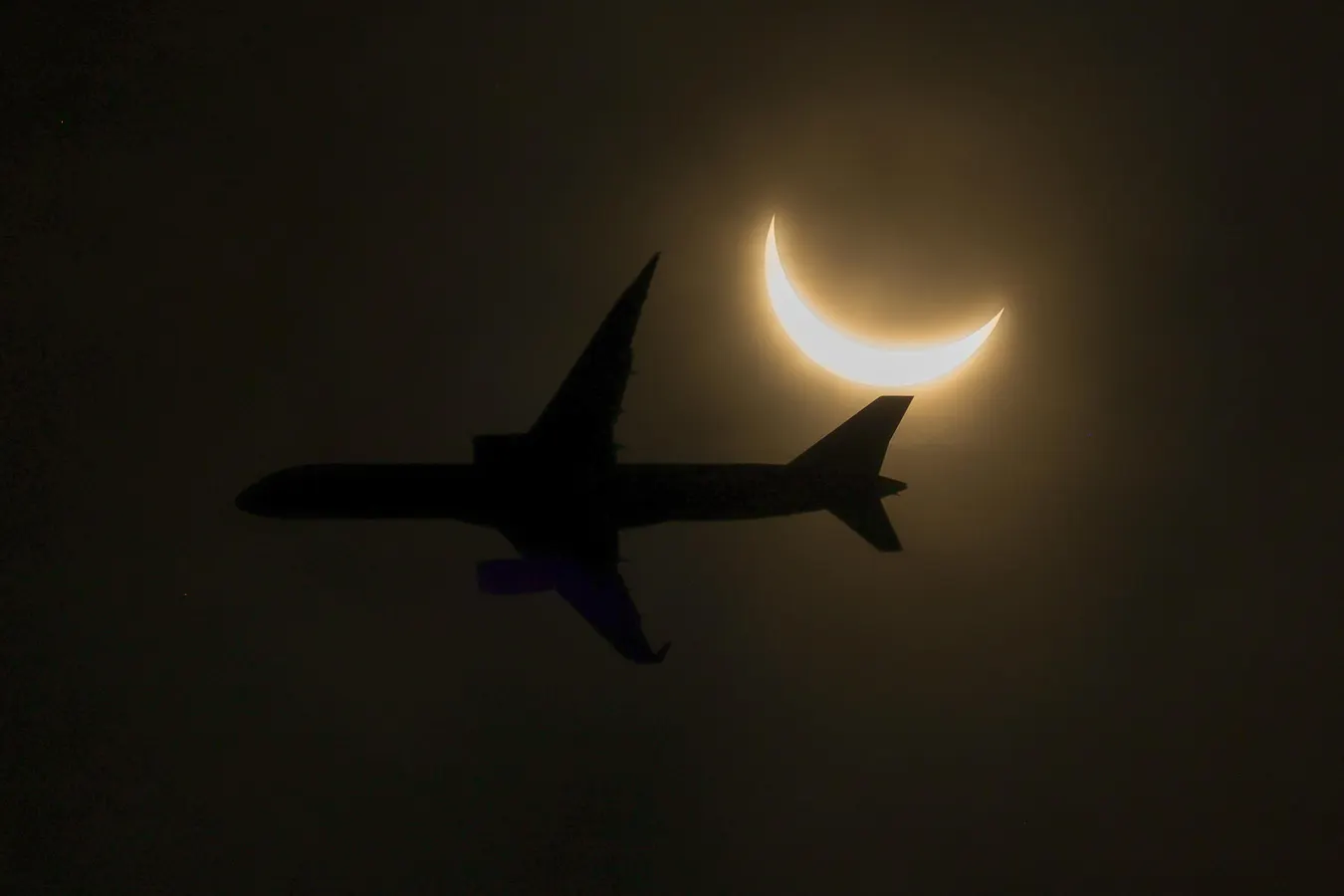
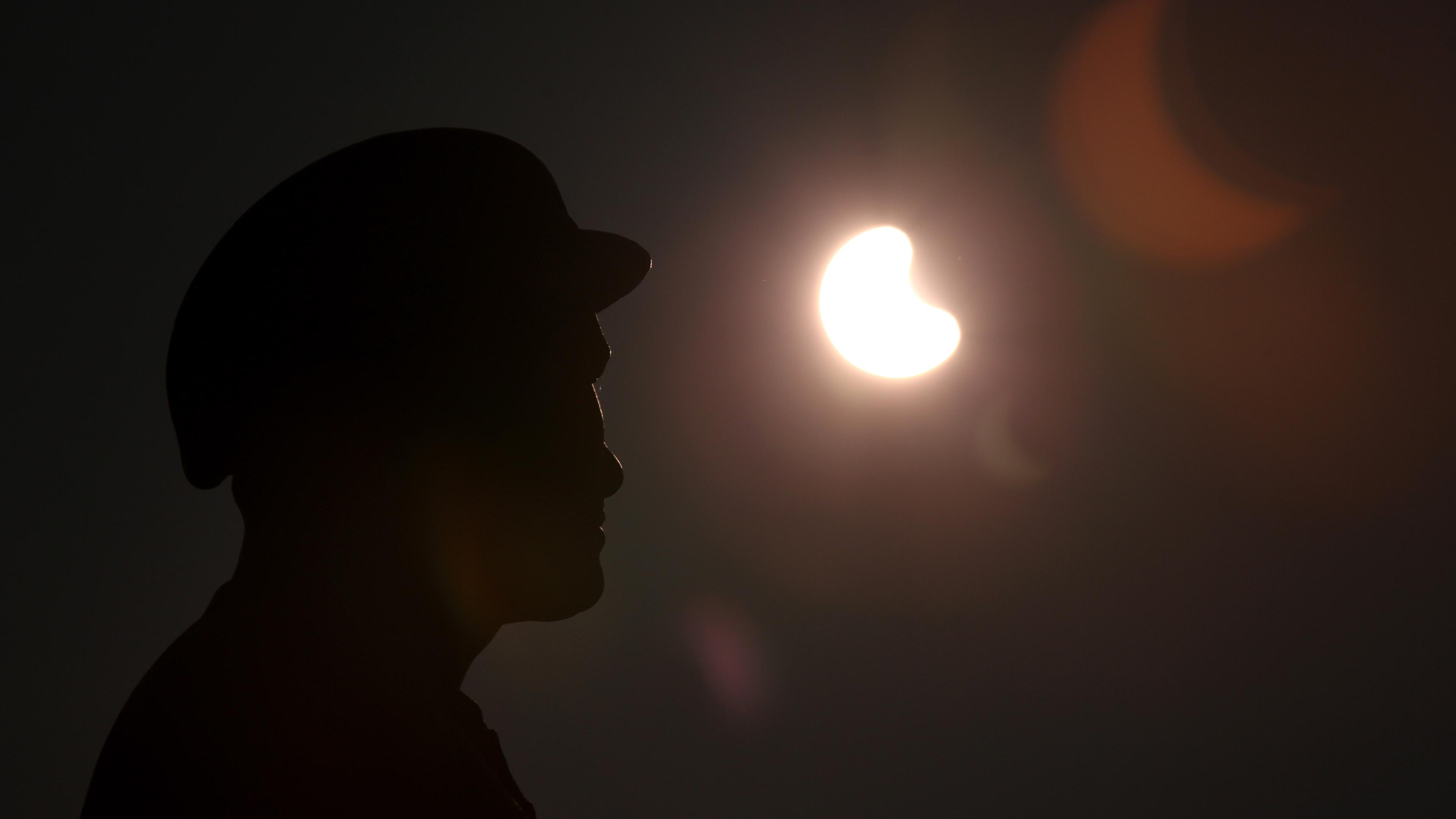
Partial – The moon clips the sun’s edge, covering only part of it.
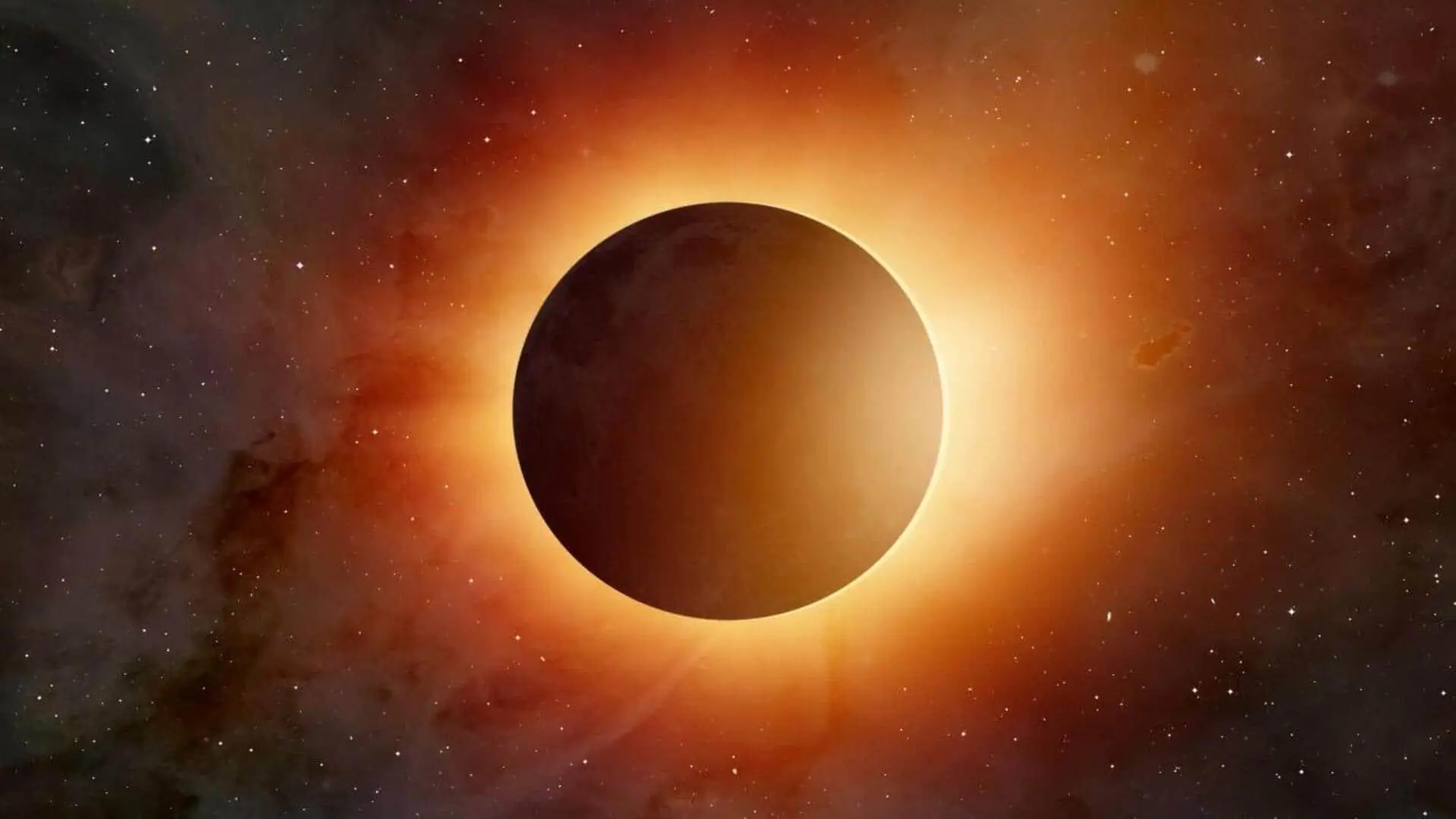
Total – The moon covers the sun completely, turning day to dusk and revealing the corona, the sun’s faint outer atmosphere.