Free daily briefing on global business news.
The total solar eclipse of 2026 arrives August 12, and this guide covers eclipse safety, what totality looks like, and where the path of totality crosses Iceland and Spain
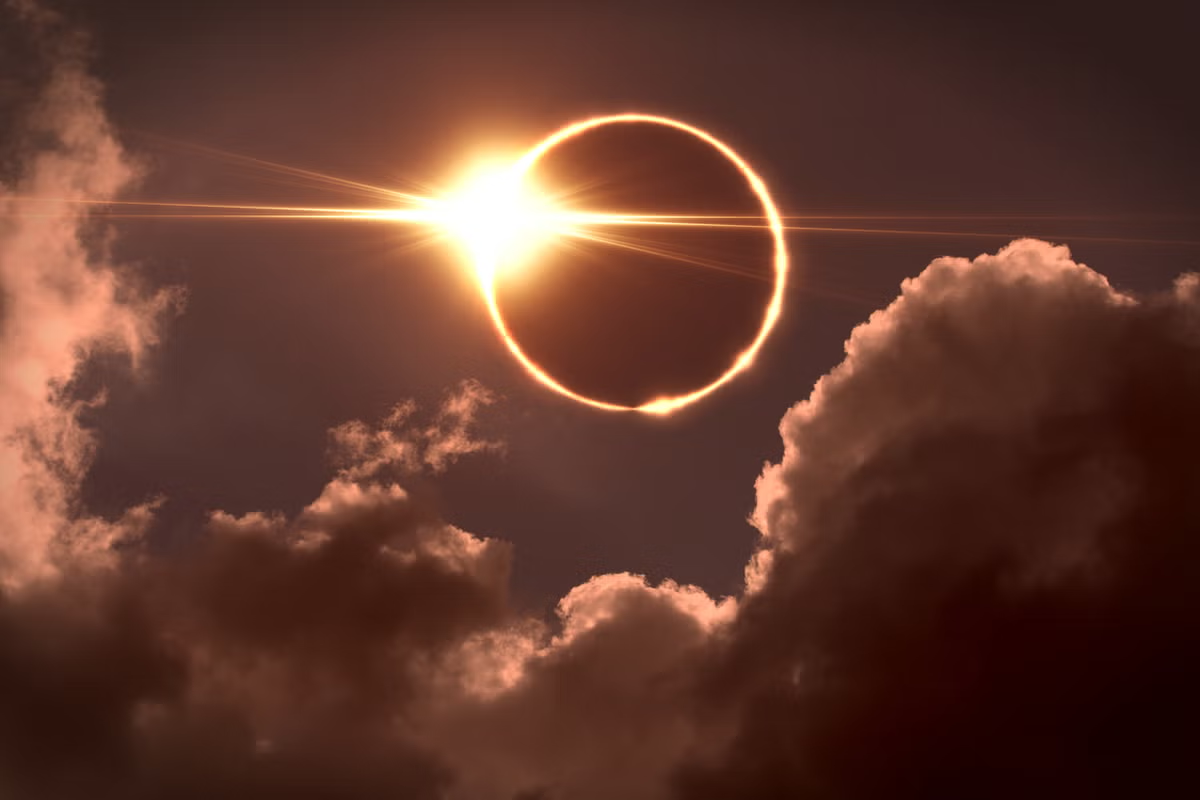
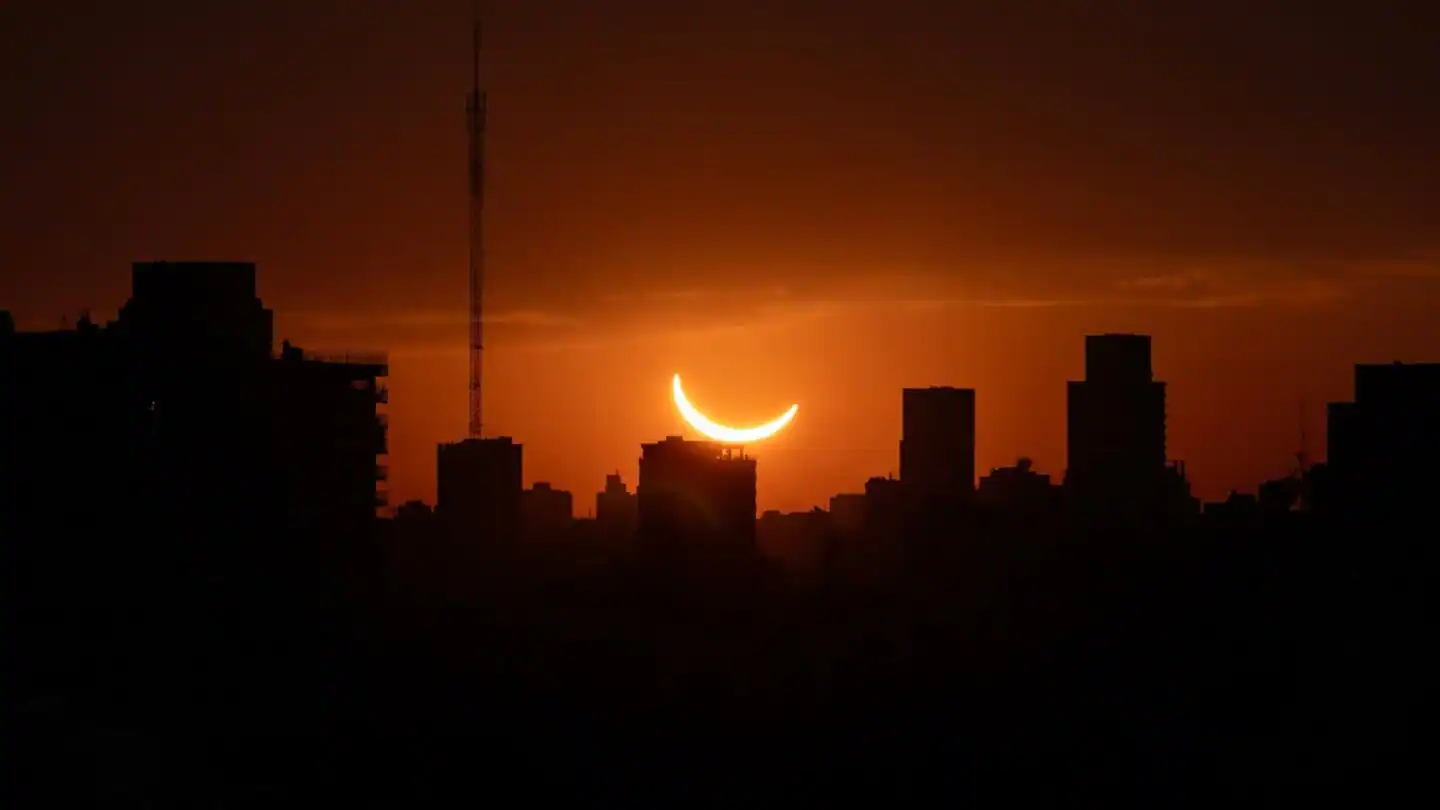
A total solar eclipse 2026 event arrives on Wednesday, August 12, when the moon's shadow sweeps out of the Arctic, across Greenland, and down through Iceland and northern Spain. It is the first total solar eclipse visible from mainland Europe since 1999. For the tens of millions of people within reach of the path of totality, it will be unlike any other astronomical event most of them have witnessed. Outside that narrow band, a much wider partial eclipse will reach nearly all of Europe, much of North America, and parts of northwestern Africa. The sun there will never fully disappear.
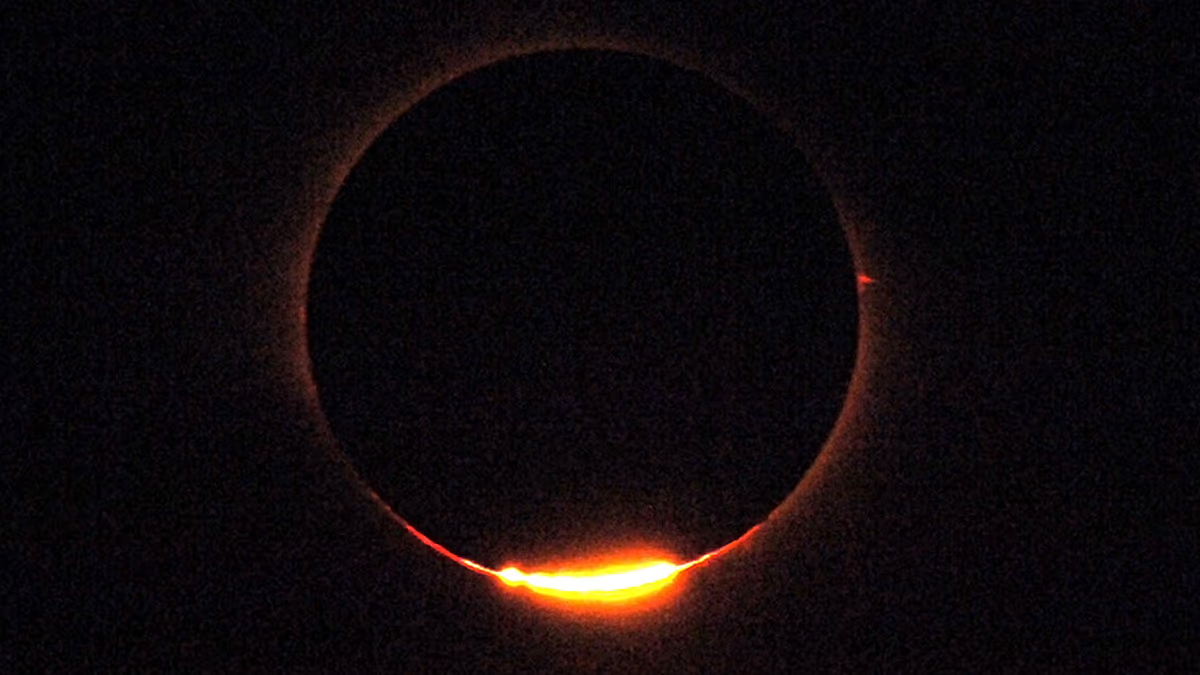
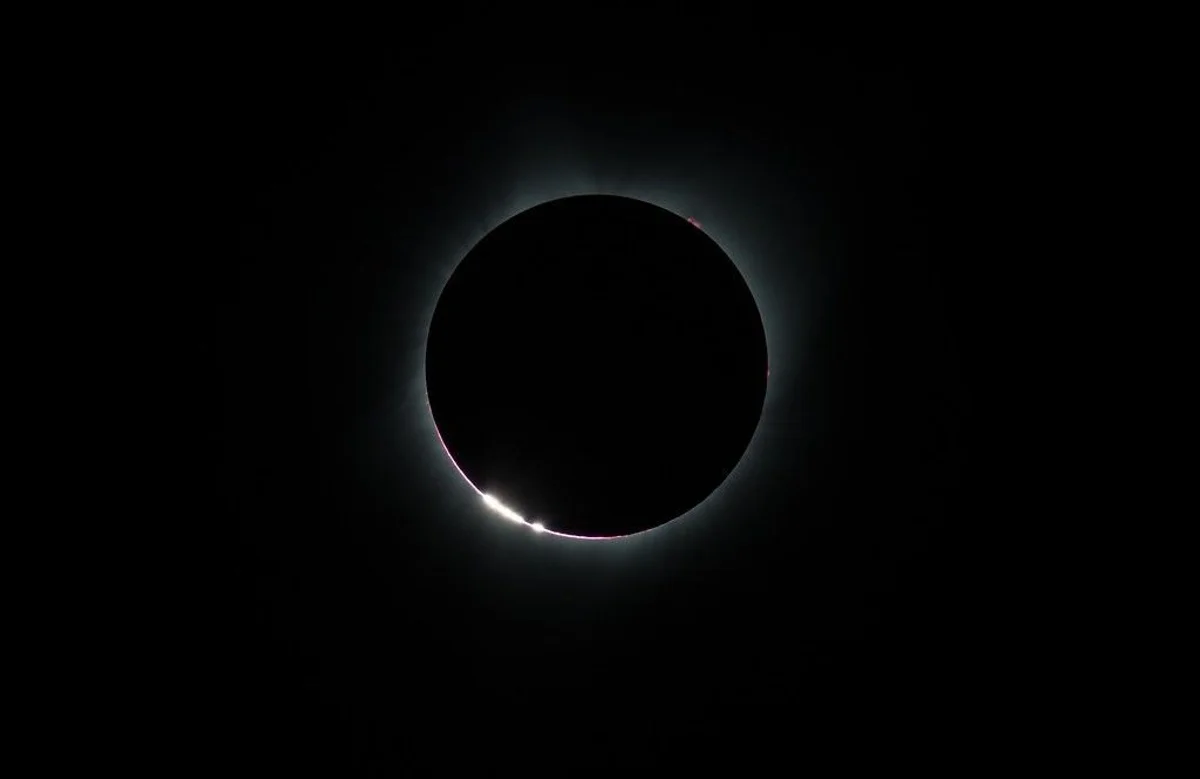
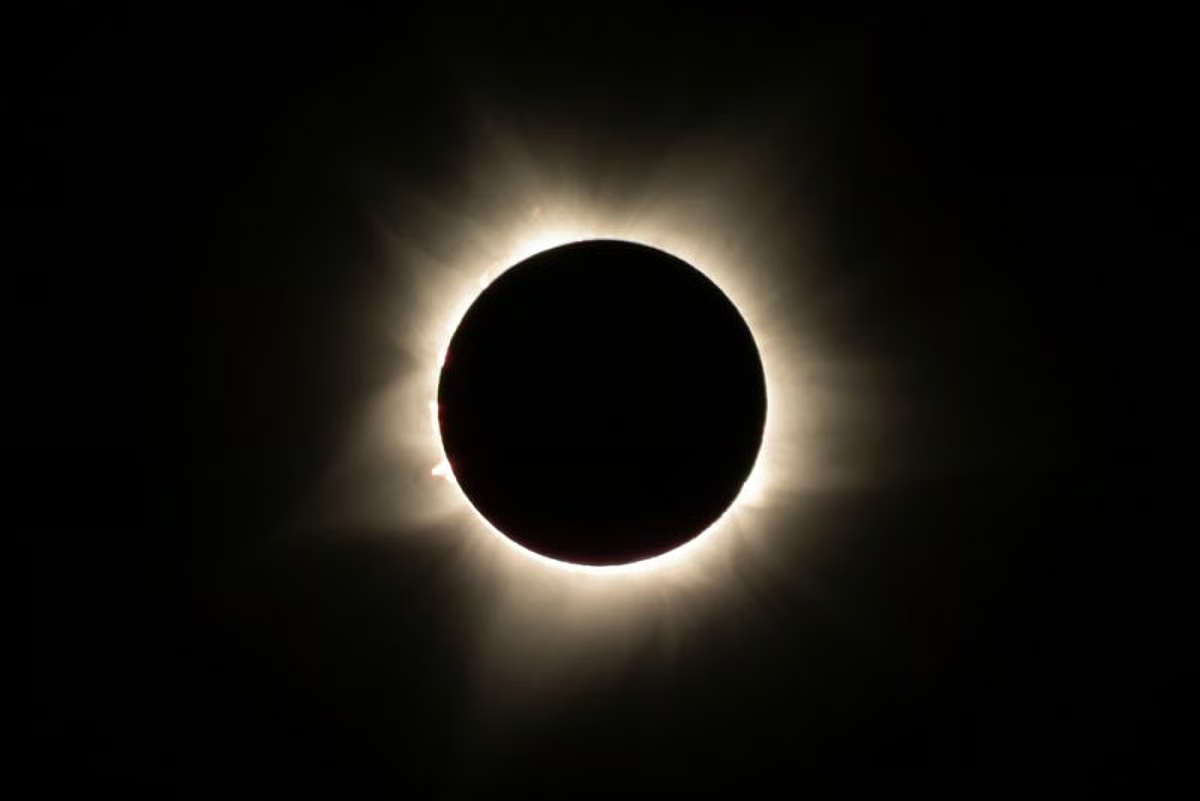
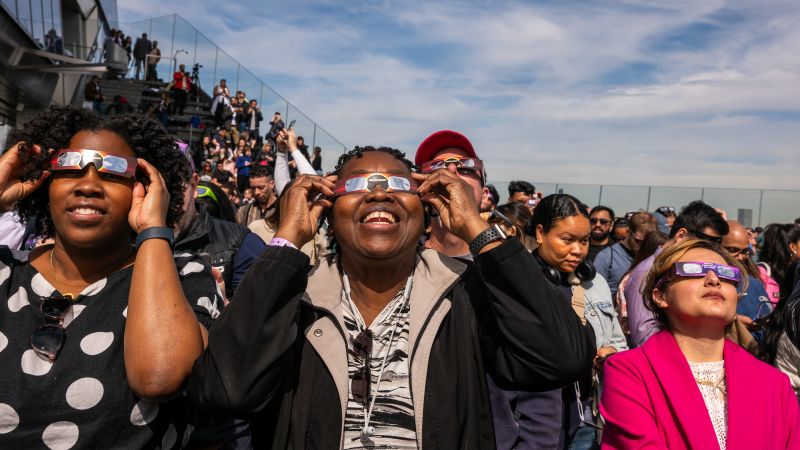
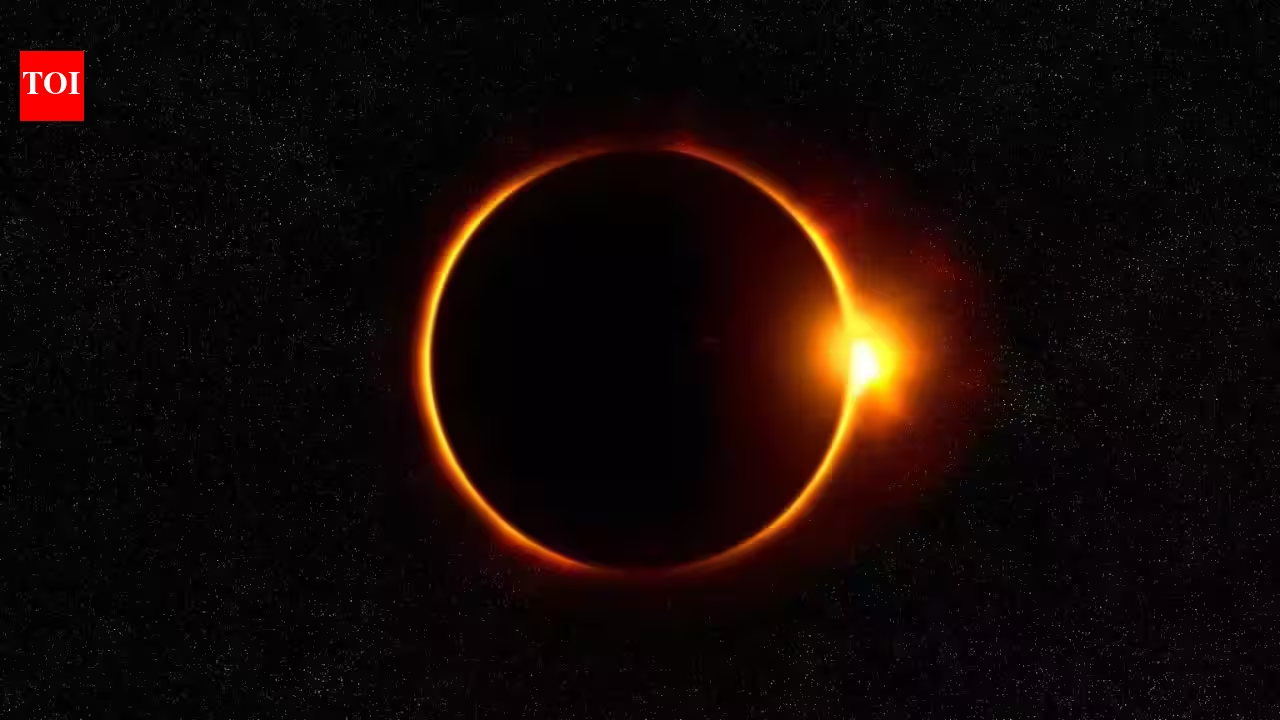
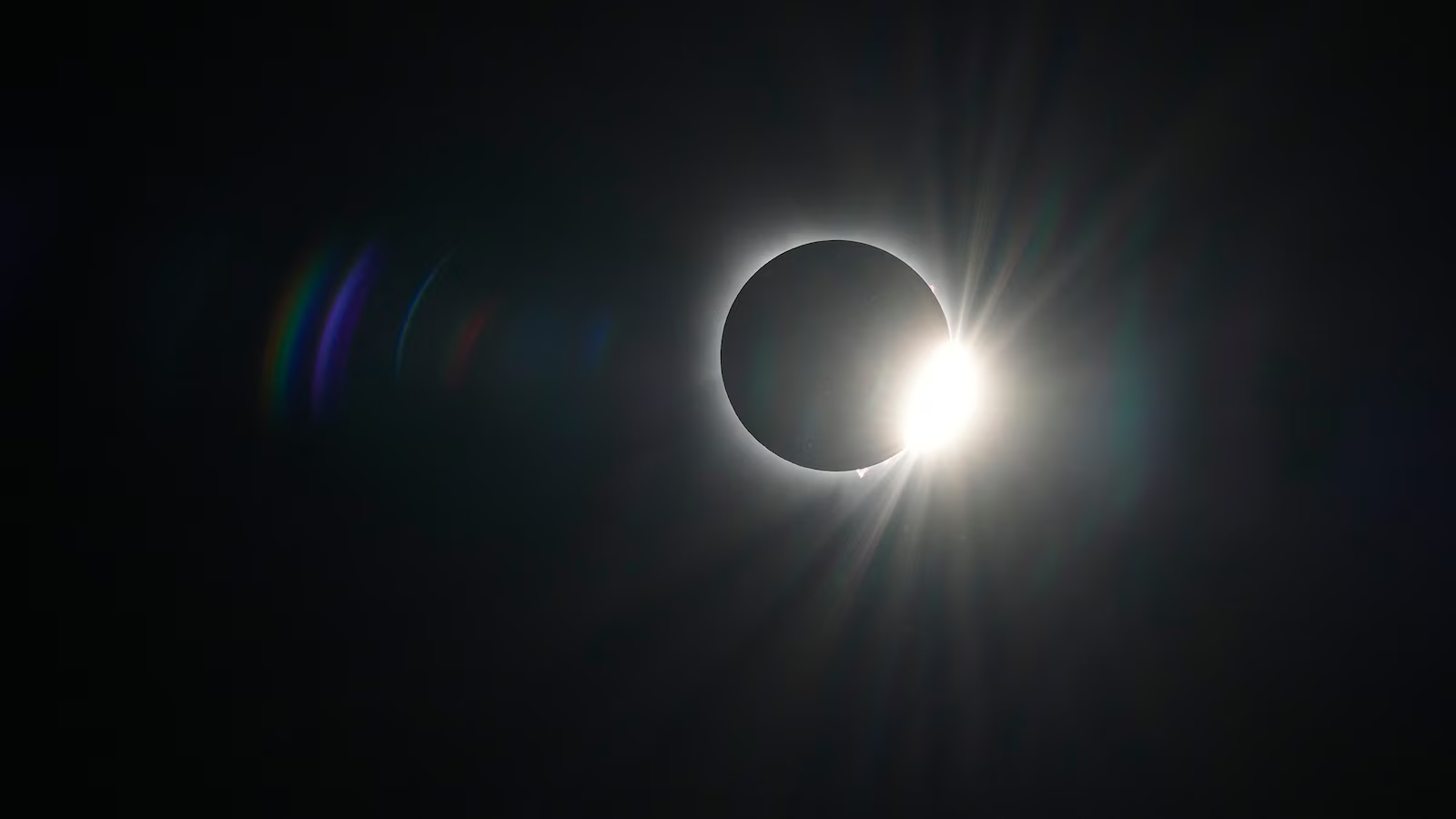
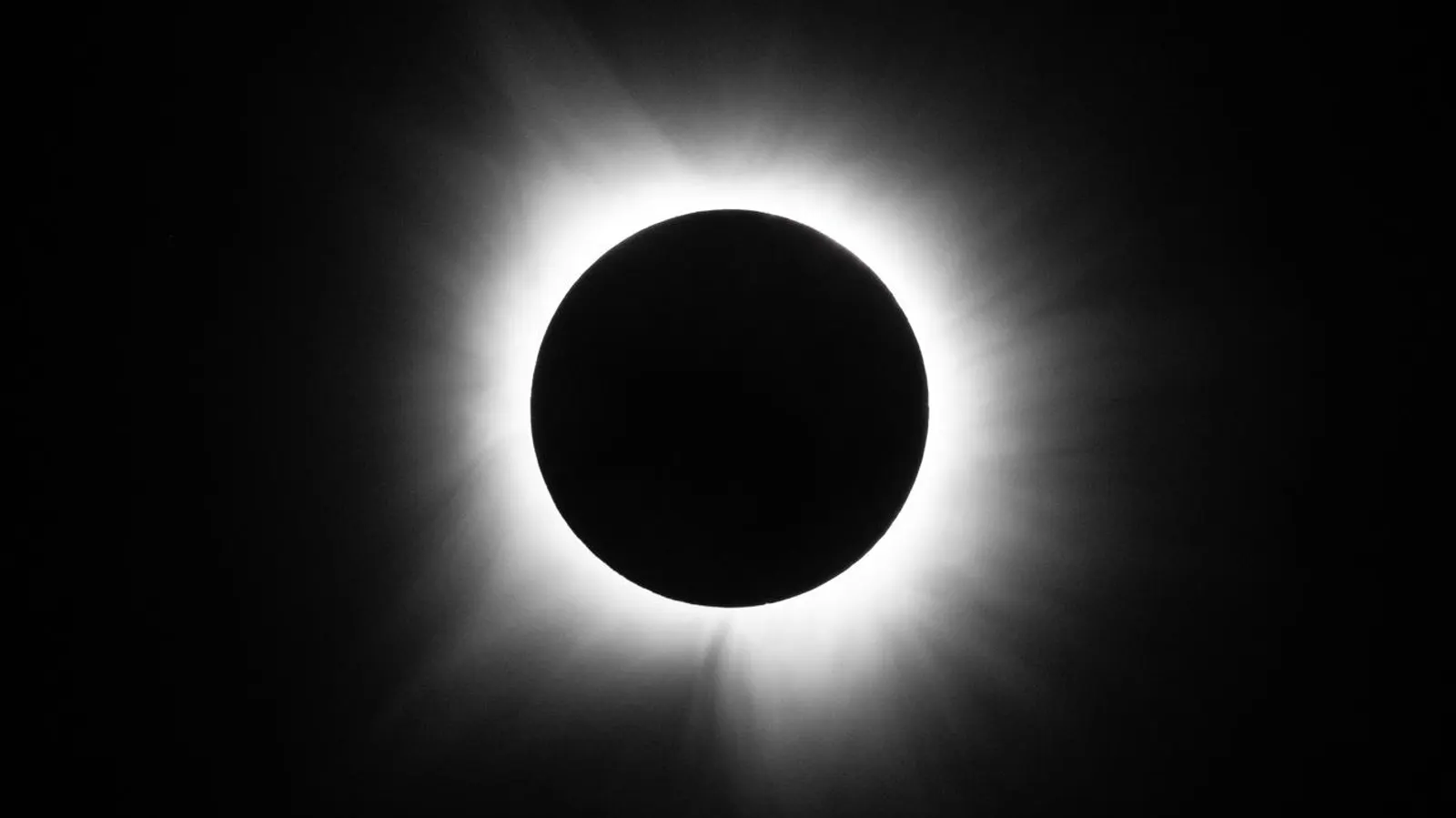
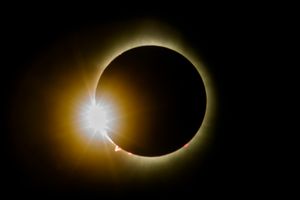
The gap between watching a partial eclipse and standing inside the path of totality is enormous, and it rarely gets explained clearly before eclipse day arrives. A partial eclipse dims the light slightly and requires eclipse glasses the entire time. A total eclipse turns day into a strange, colorless dusk for a couple of minutes and reveals the sun's normally invisible outer atmosphere. It also allows a brief window when looking up with the naked eye is not just safe, but the only way to see the full effect. Getting the timing, the safety rules and the visual sequence right in advance matters. It makes the difference between a memorable few minutes and a wasted trip or a damaged pair of eyes.