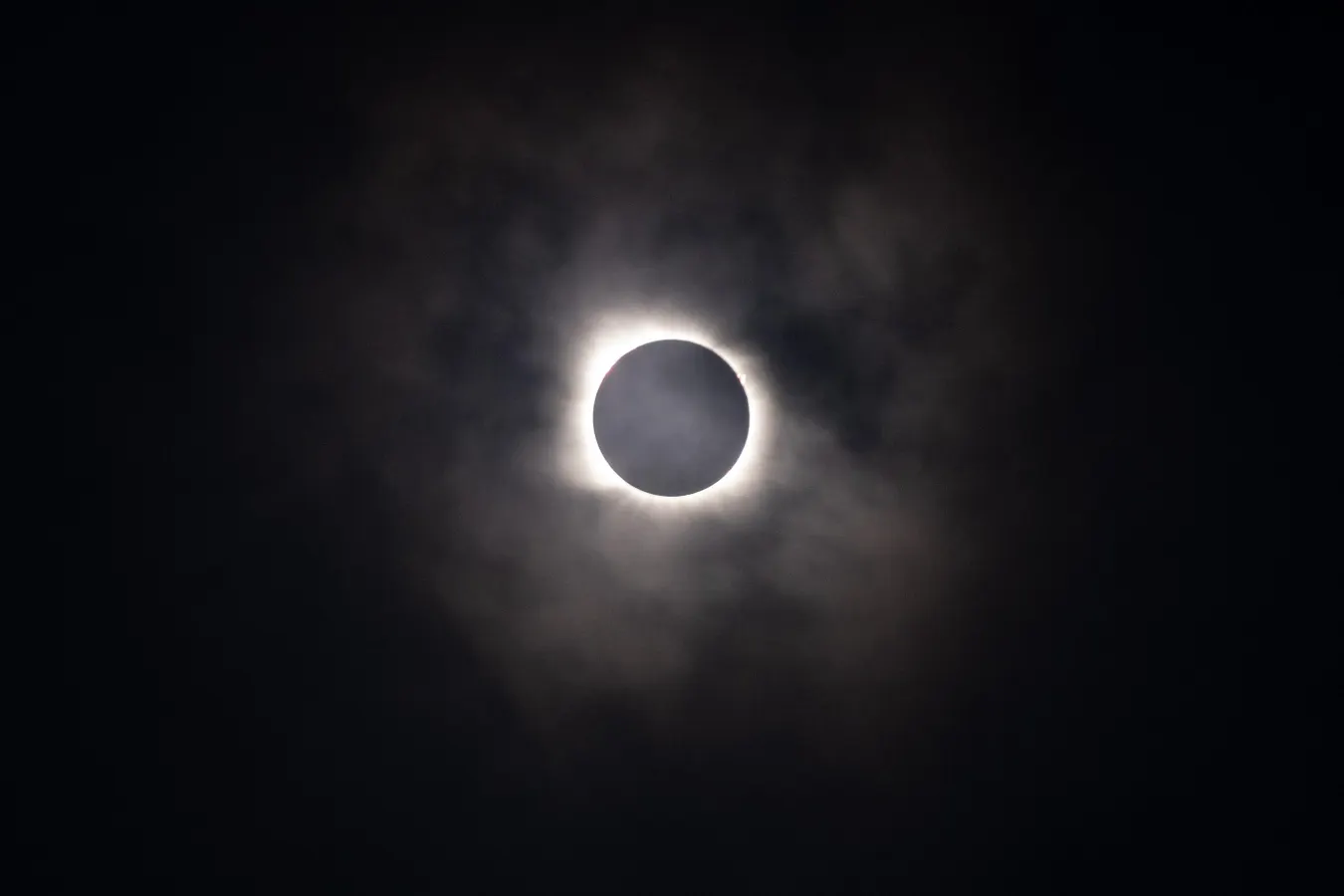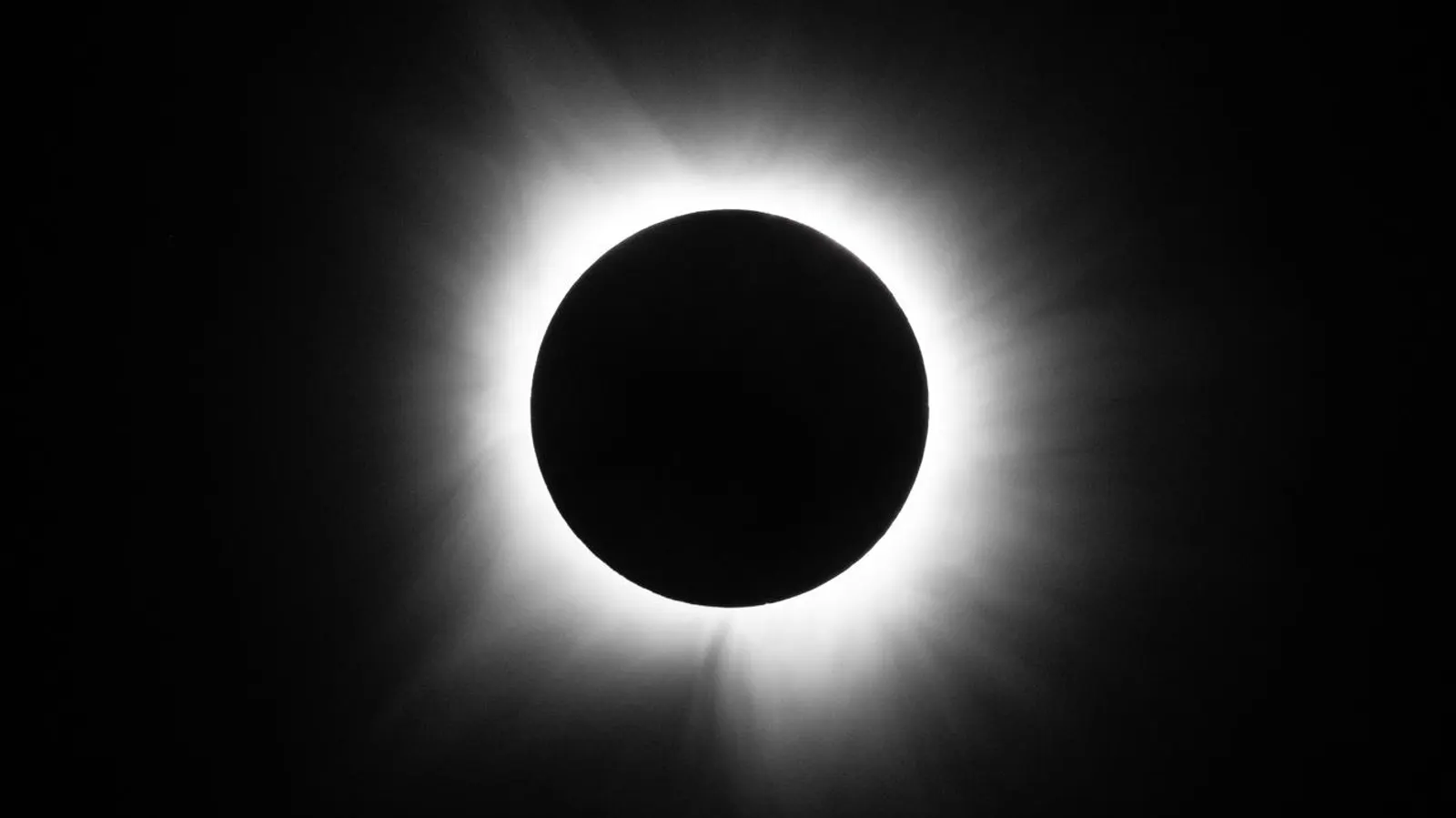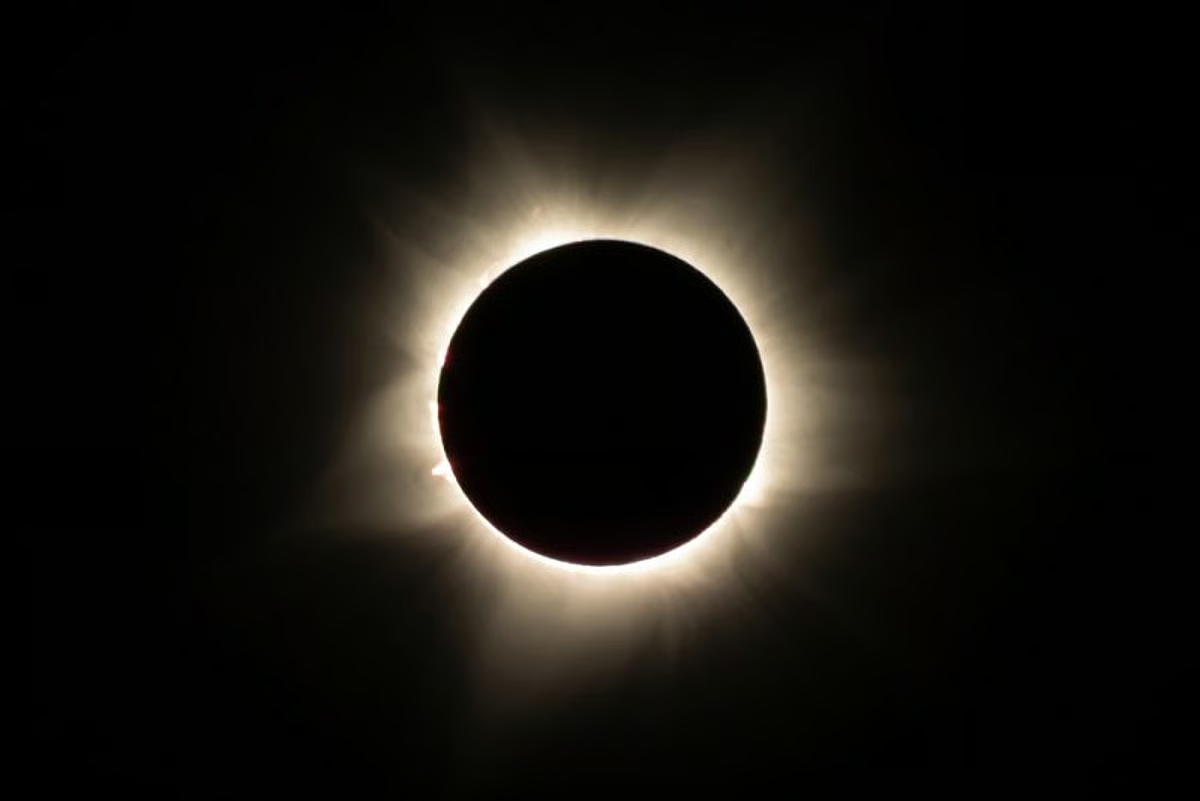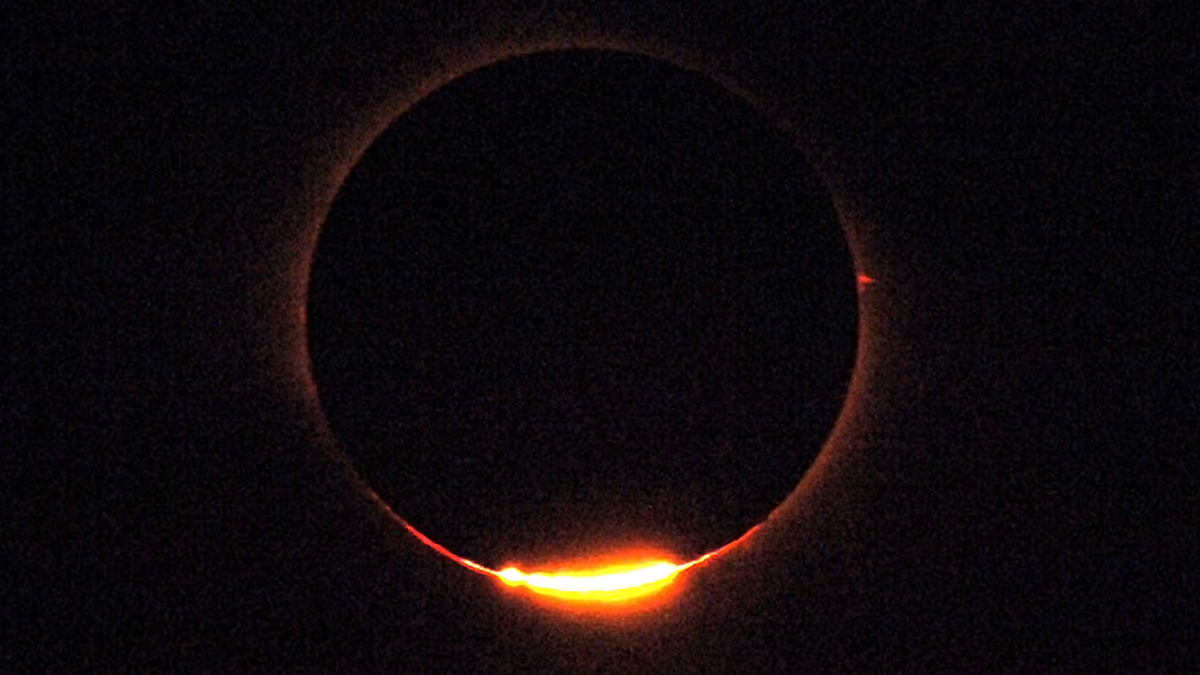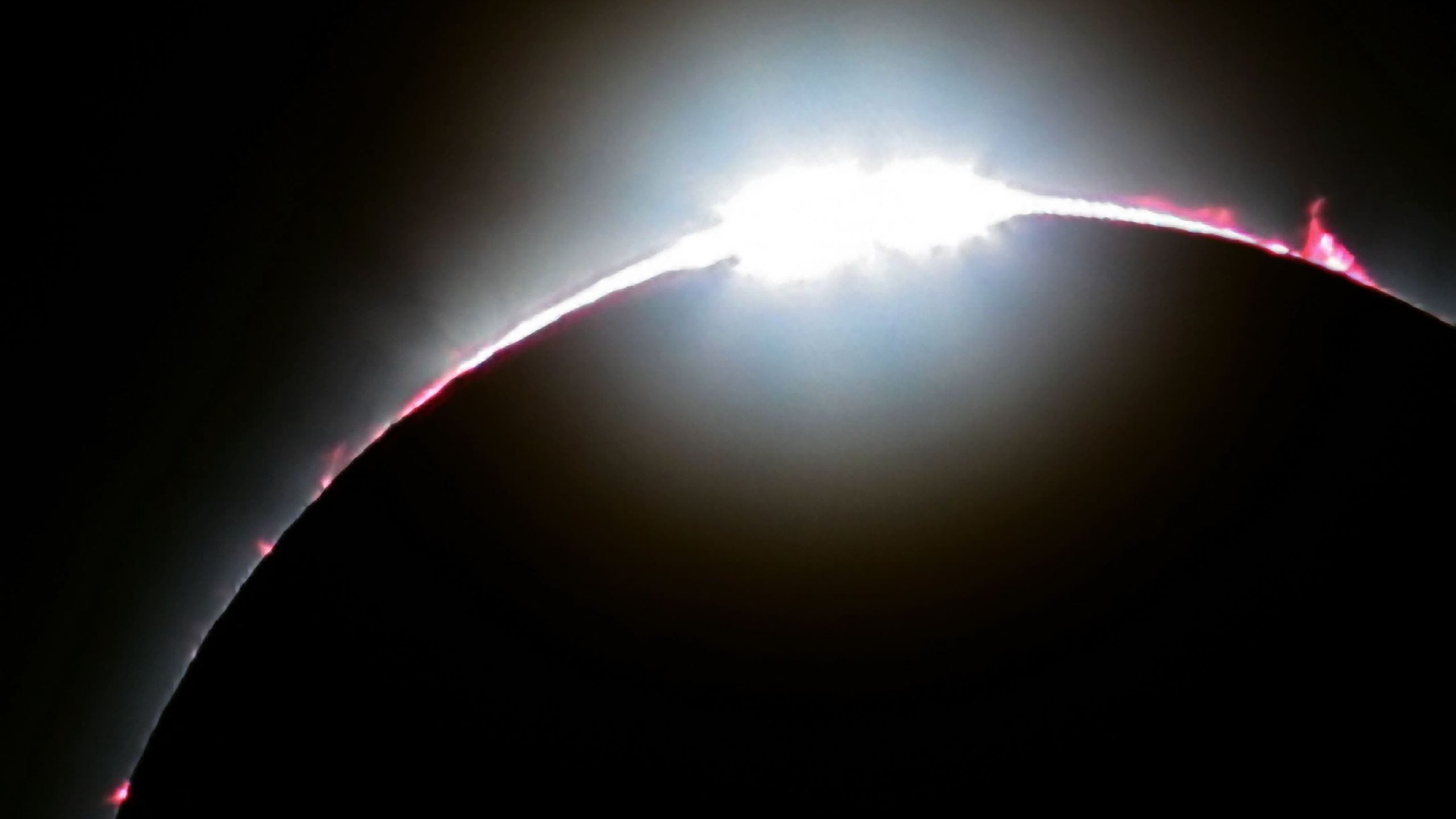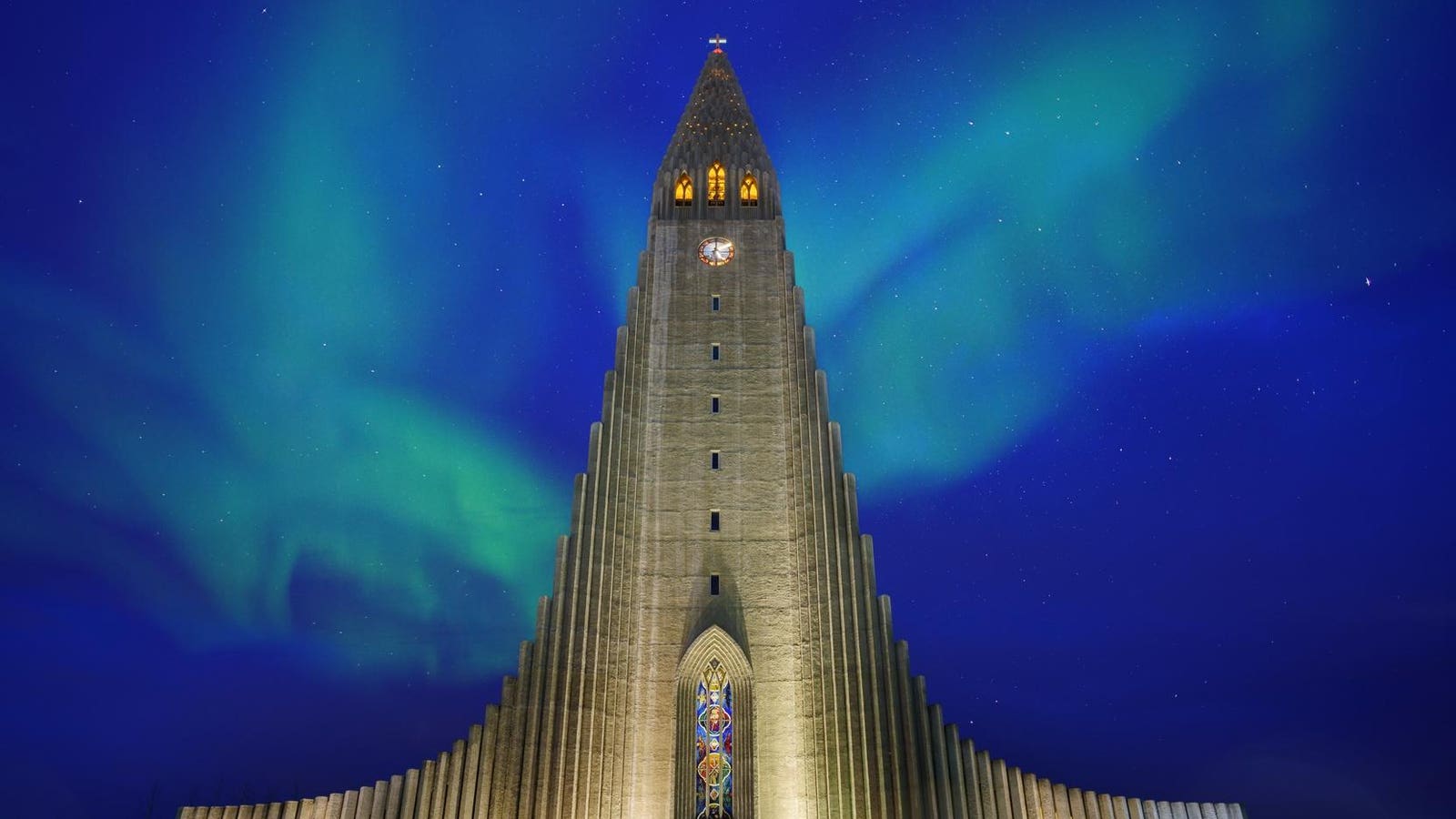
When the moon completely covers the sun during a rare total solar eclipse over western Iceland on Aug. 12, most people will be focused on the spectacular solar corona glowing around the moon’s silhouette. The eclipse — Iceland’s first since 1954 — comes in the wake of strong solar activity in the past few years, alerting some to the possibility of aurora during totality itself. While some say it’s unlikely and even impossible, there’s a possibility that totality itself could cause aurora.
A total solar eclipse on Aug. 12 — Iceland’s first since 1954 — comes in the wake of strong solar activity in the past few years, alerting some to the possibility of aurora during totality itself.
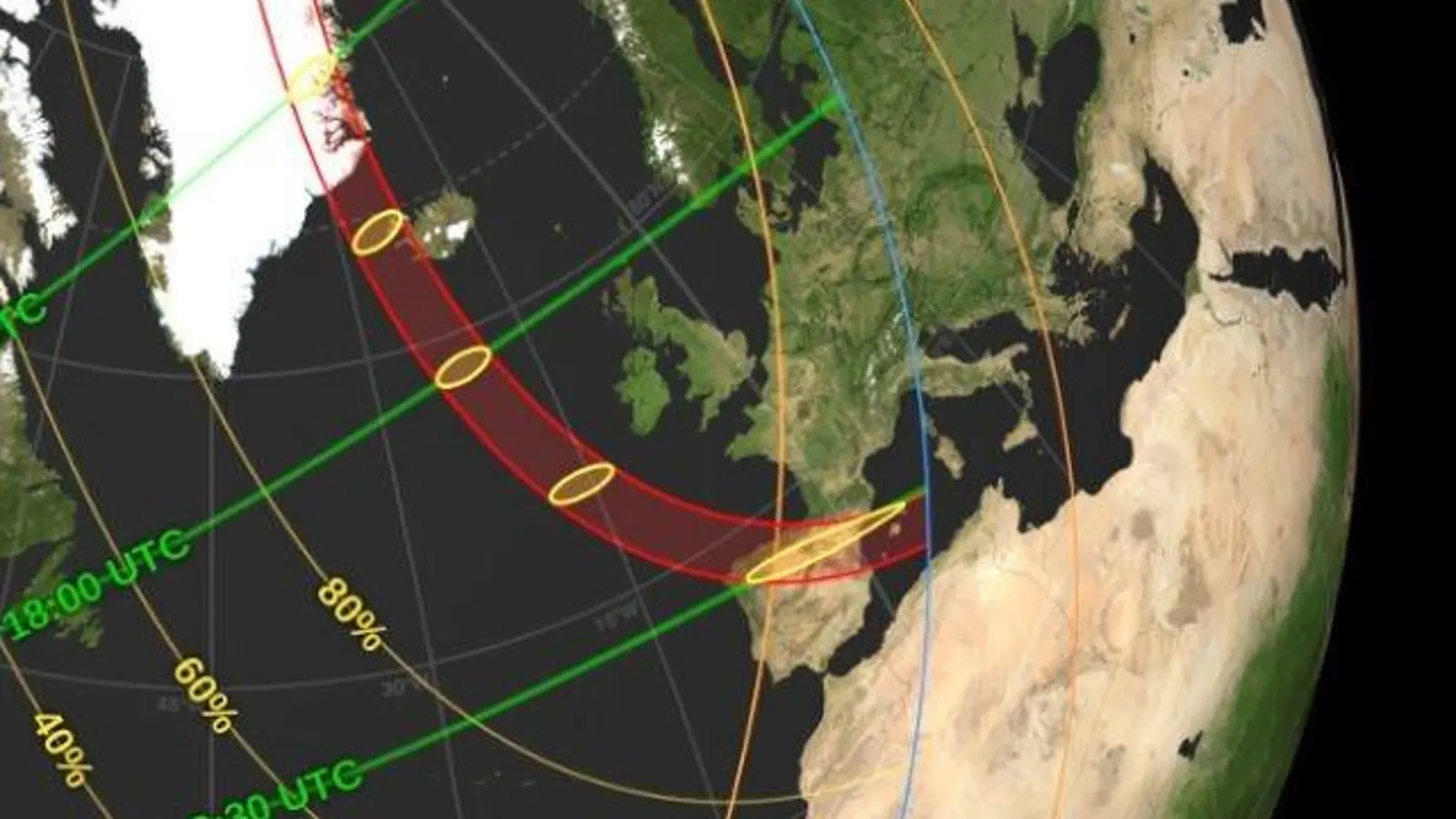
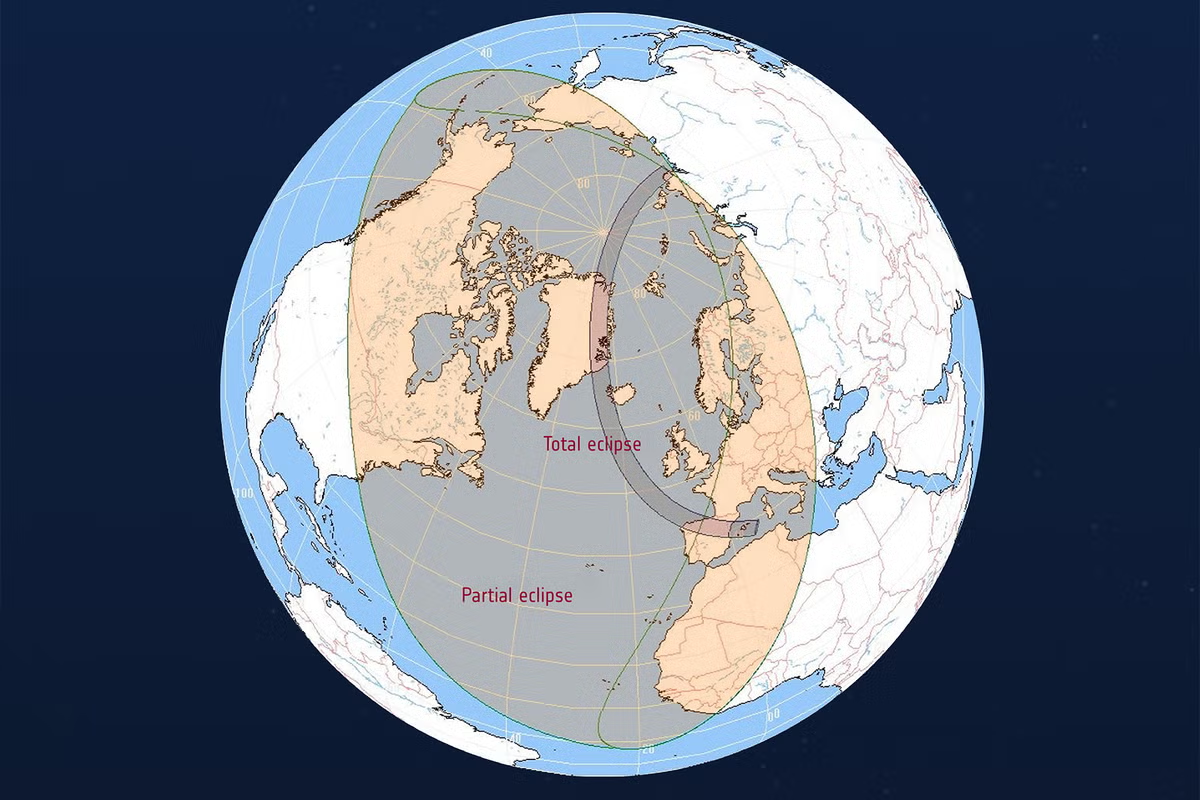
Aug. 12’s total solar eclipse will only be visible from a narrow 180-mile (290-kilometer) path of totality through eastern Greenland, western Iceland and northern Spain.
Observers in Iceland and Greenland are encouraged to look toward the eastern sky during totality, the darkest part of the sky.
It will be Iceland’s first since 1954, which was the last Arctic total solar eclipse — when aurora could have been observed during totality — in Svalbard and the Faroe Islands on March 20, 2015. The next will be in Alaska on March 30, 2033.