Free daily briefing on global business news.
Iceland's 2026 solar eclipse delivers longer totality, higher skies and wilder scenery than any other stop on the eclipse's path across the Atlantic
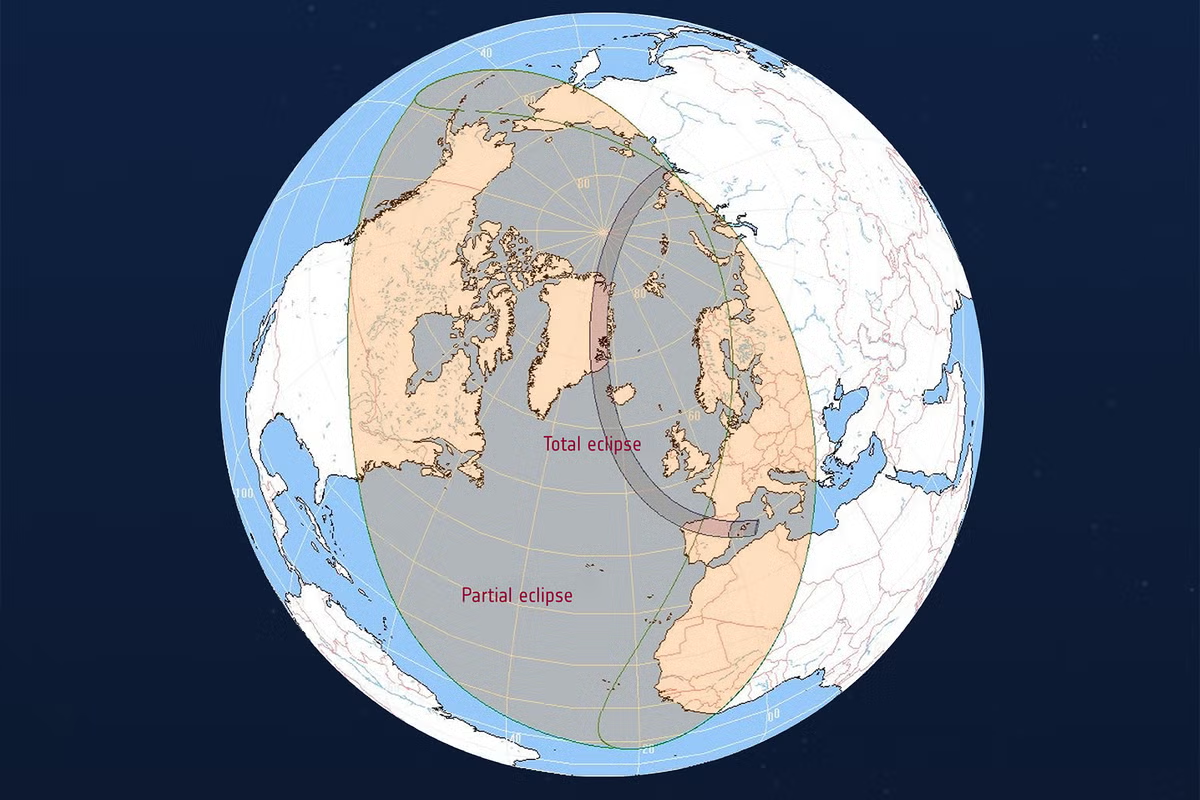
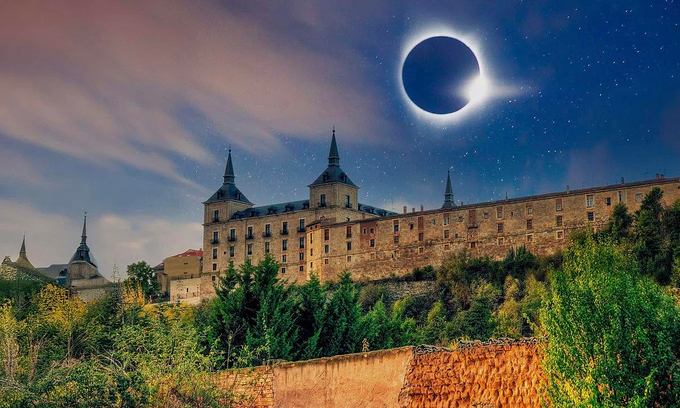
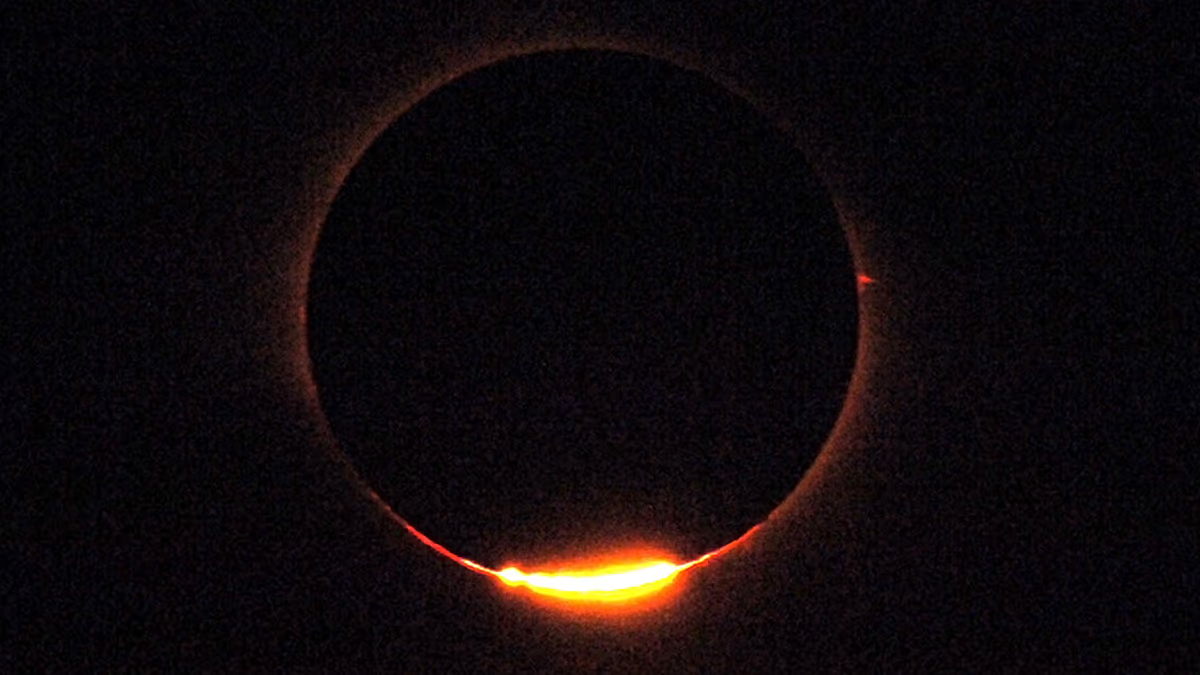
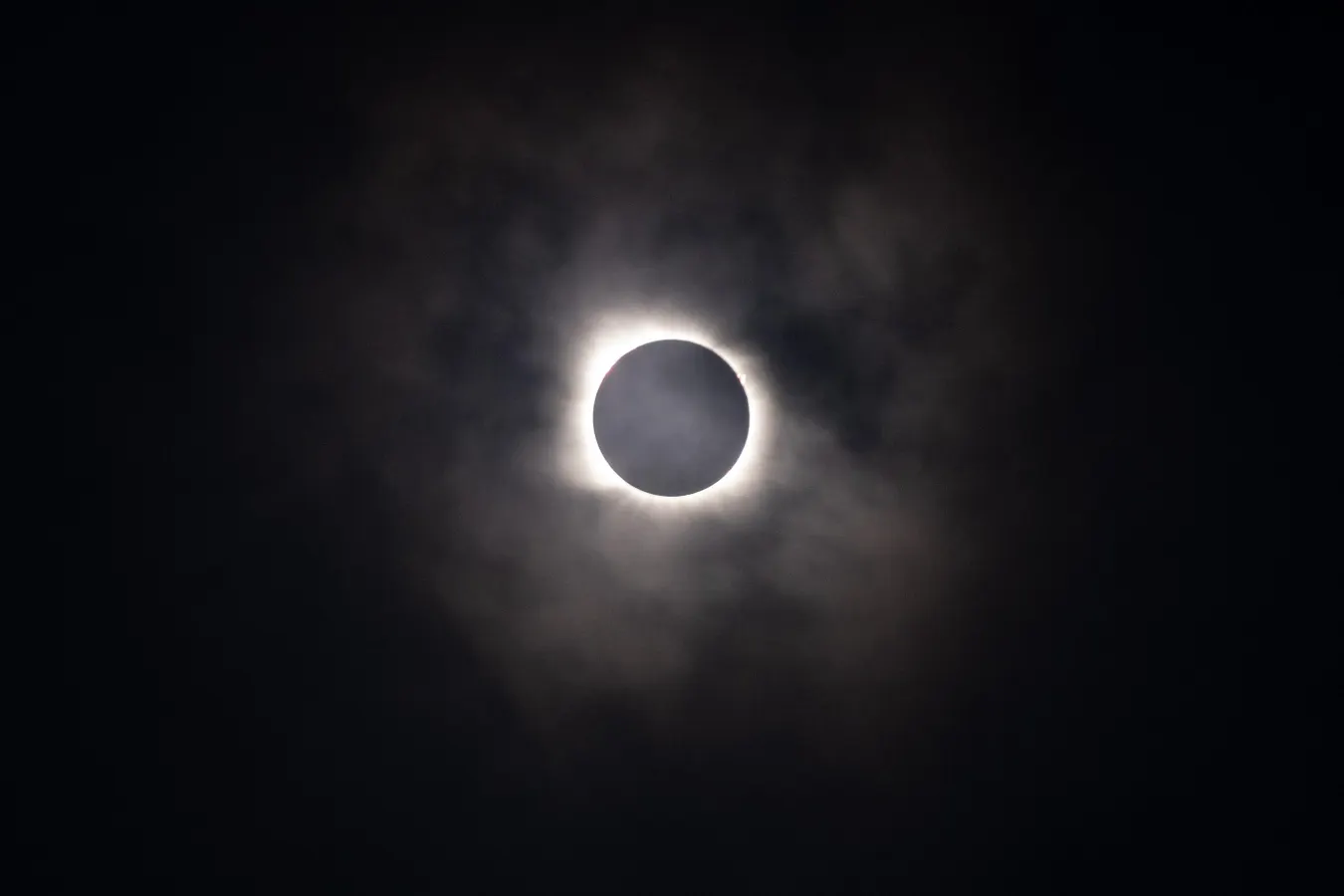
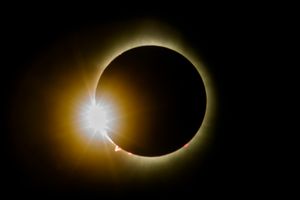
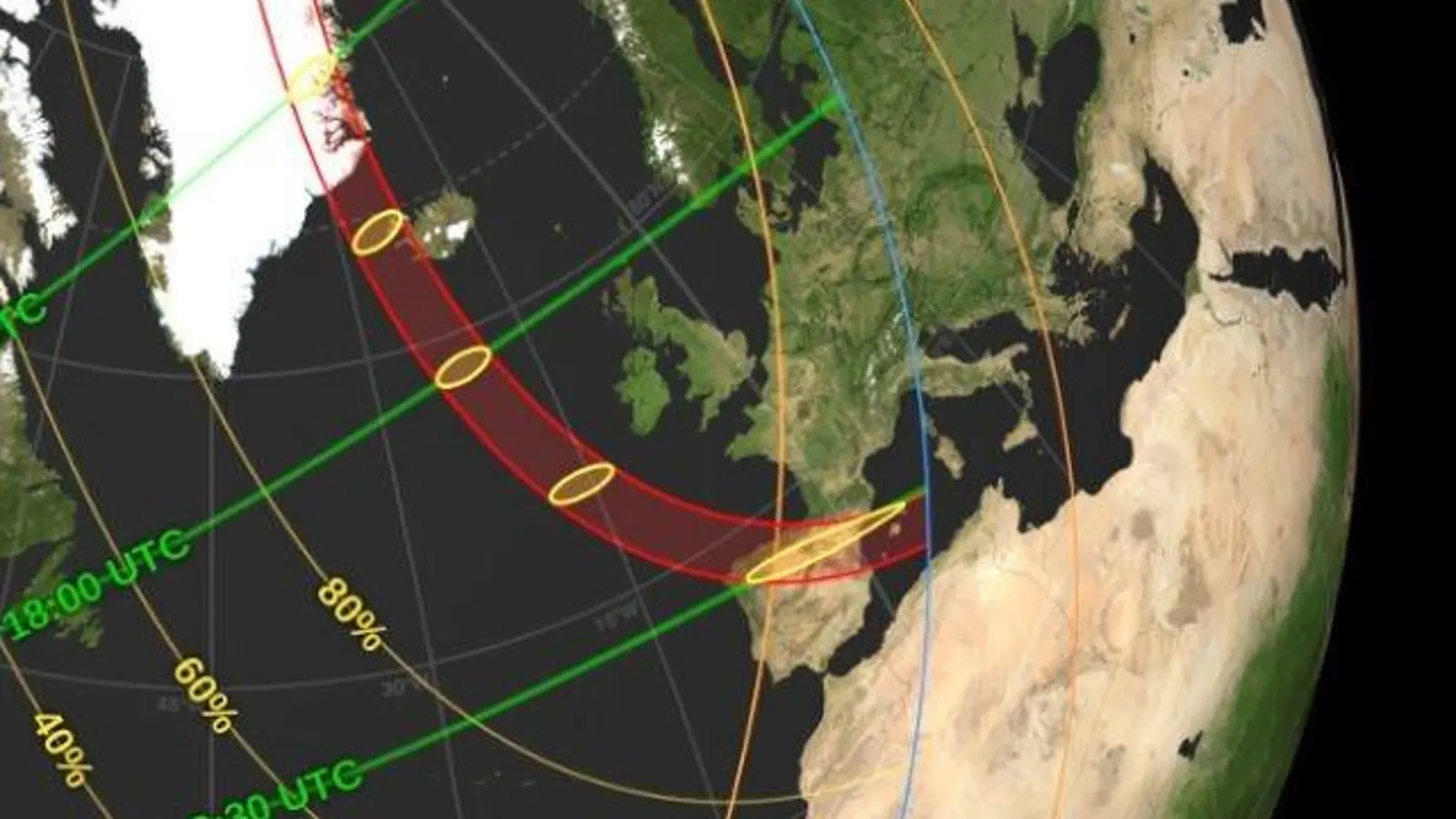
On August 12, 2026, the moon's shadow will sweep across the North Atlantic. It marks the first total solar eclipse to reach mainland Europe since 1999. Iceland's 2026 solar eclipse is arguably the most compelling stop along that path, and not simply because the country happens to sit in the way. The path of totality is roughly 180 miles wide. It begins over the uninhabited Taymyr Peninsula in Siberian Russia, arcs up and over the North Pole rather than the usual west-to-east route, then crosses the Greenland ice cap. From there it reaches Iceland's west coast before heading south to Spain and a small corner of Portugal. Some astronomy writers have taken to calling it the Ice and Fire Eclipse. It's a nod to the glaciers at one end of the path and the sun-baked plains of Spain at the other.
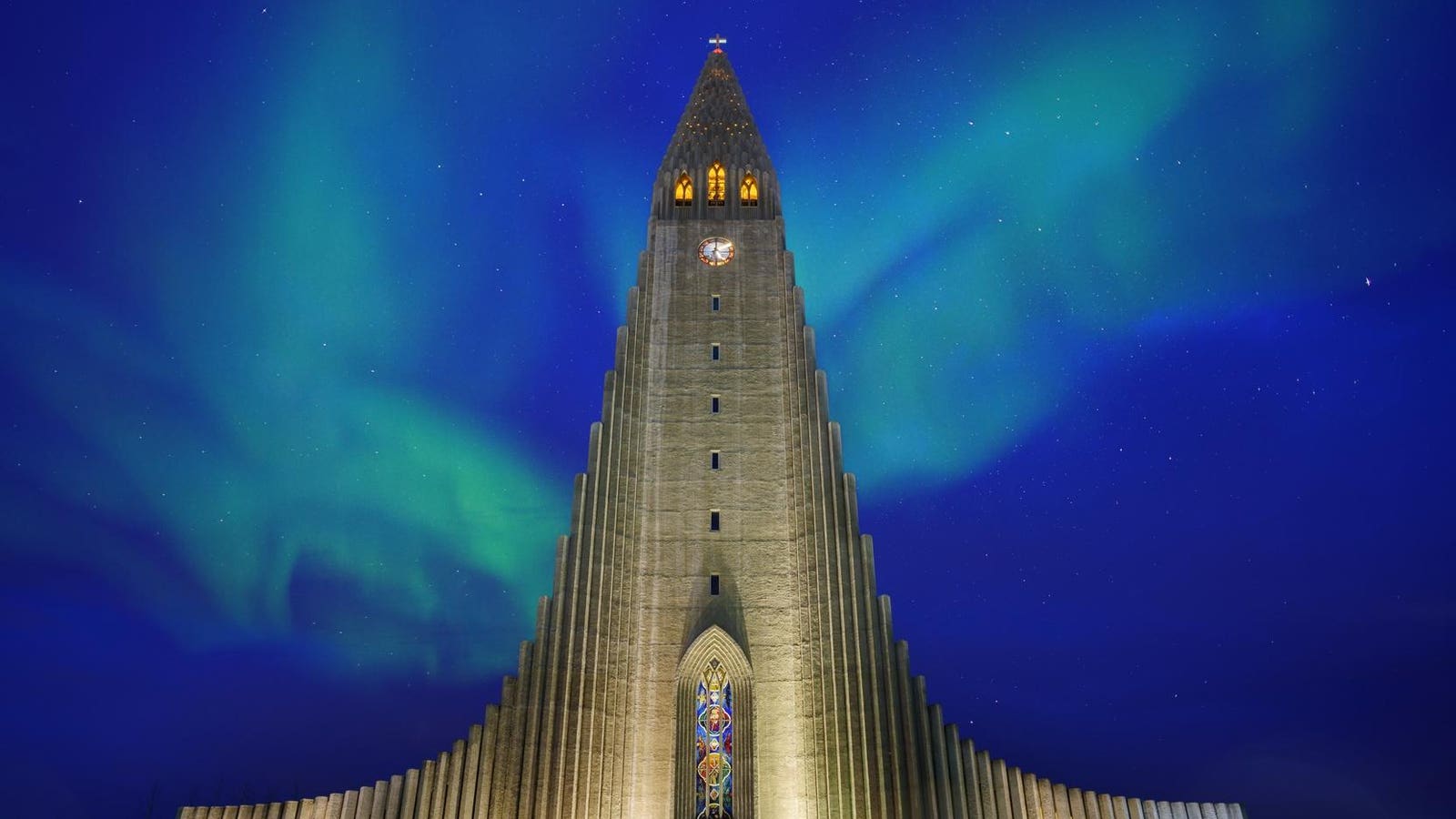
Most of that route passes over open ocean, polar ice or land with almost nobody living on it. Iceland is different. The shadow crosses the Westfjords, the Snæfellsnes Peninsula, the Reykjanes Peninsula and, remarkably, the capital city itself, along with the international airport that serves it. A total eclipse passing directly over a national capital is unusual anywhere on Earth. Reykjavík has not experienced one since 1433. Layer in a glacier-topped volcano that inspired one of the best-known novels in science fiction. Add some of the largest seabird cliffs in Europe, and a coastline still being reshaped by recent volcanic activity. Iceland offers a range of scenery no other stop on the path can match.