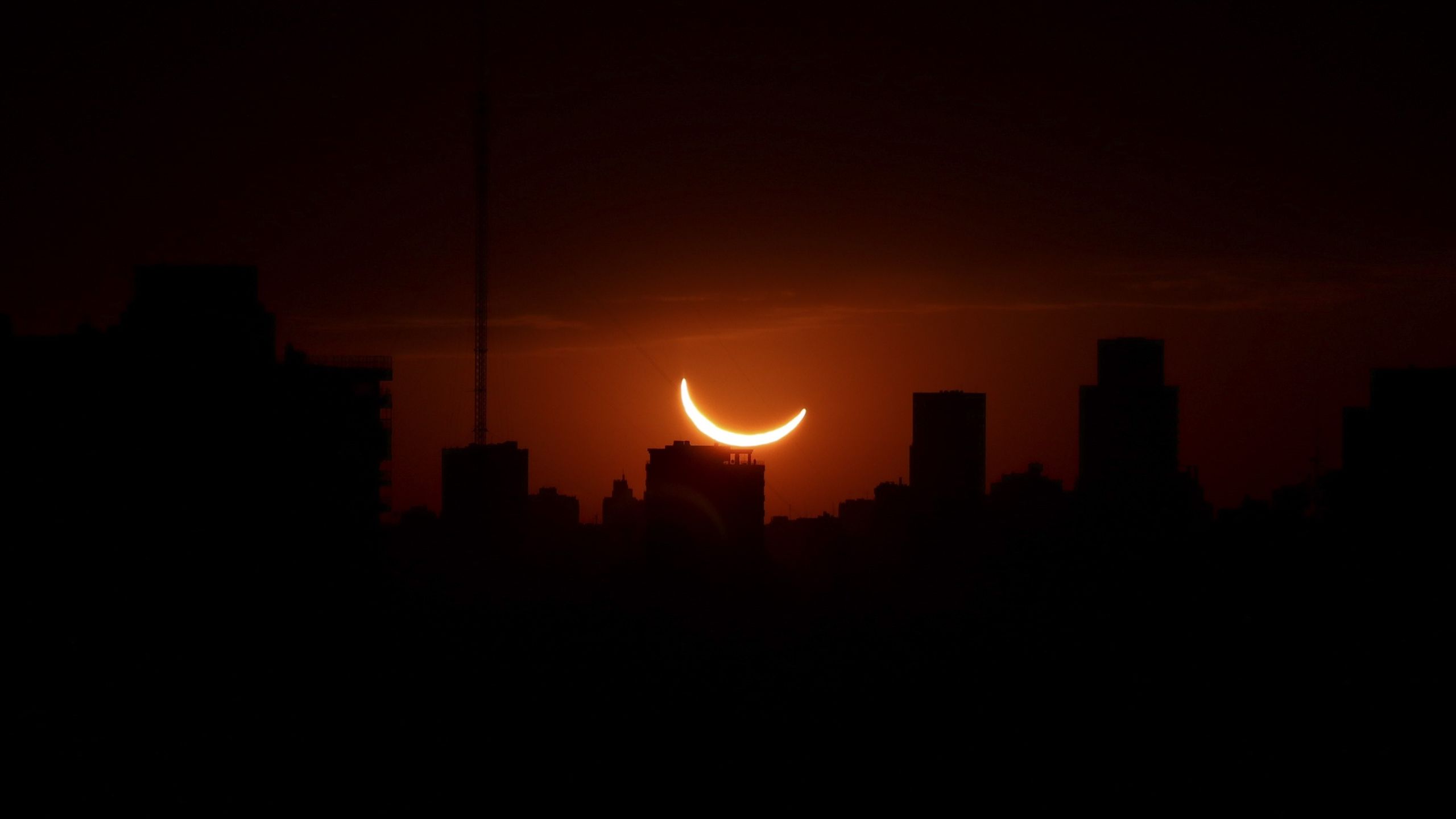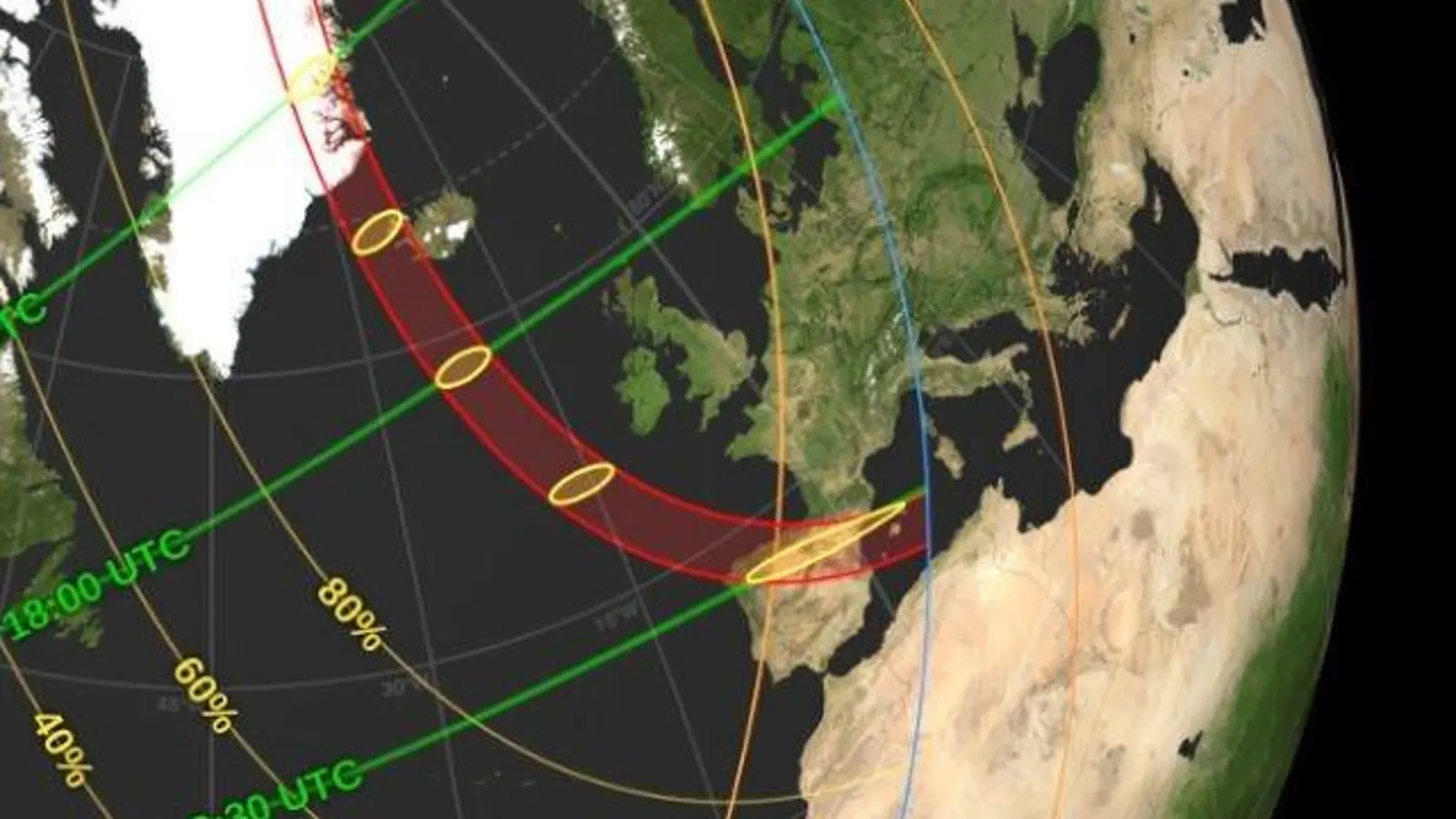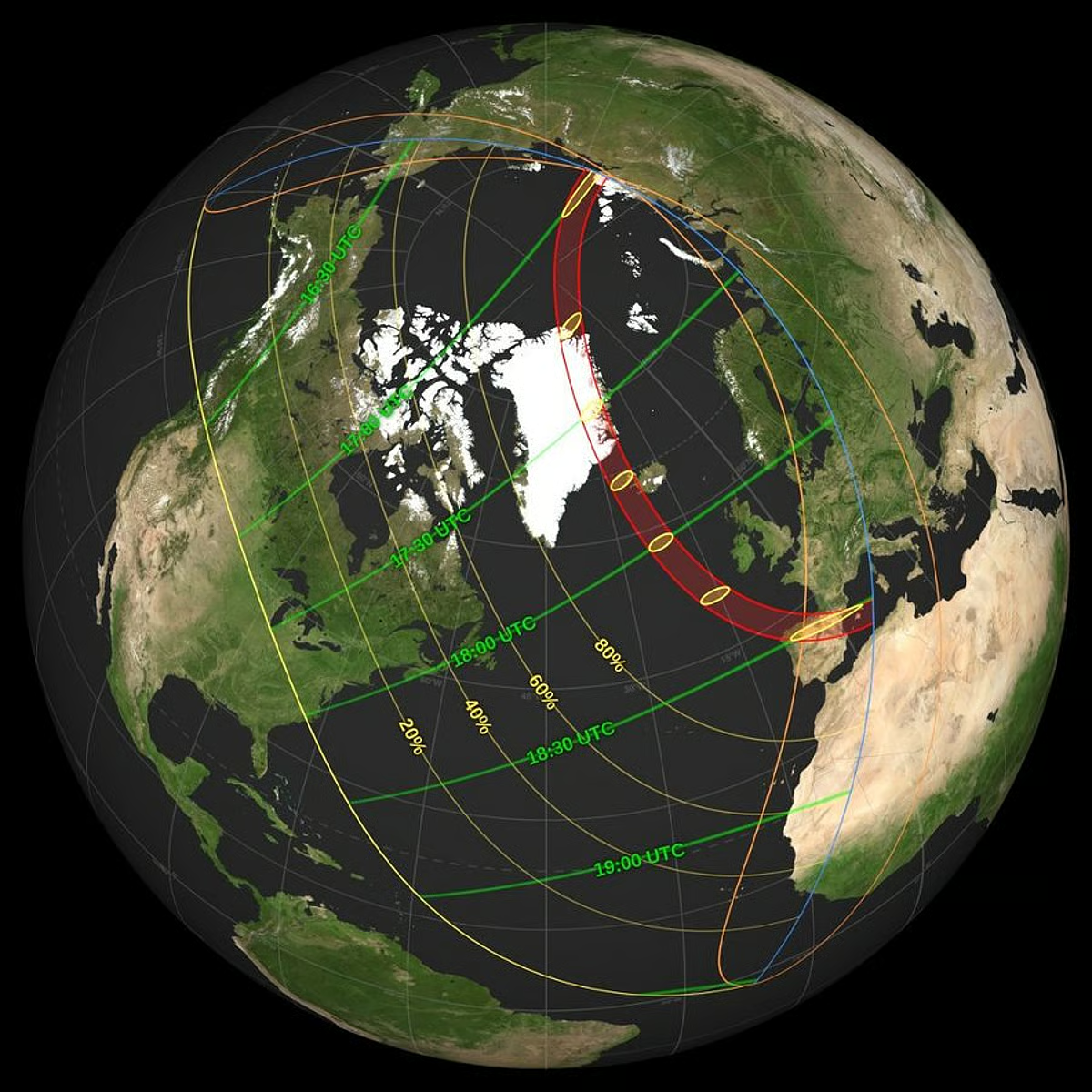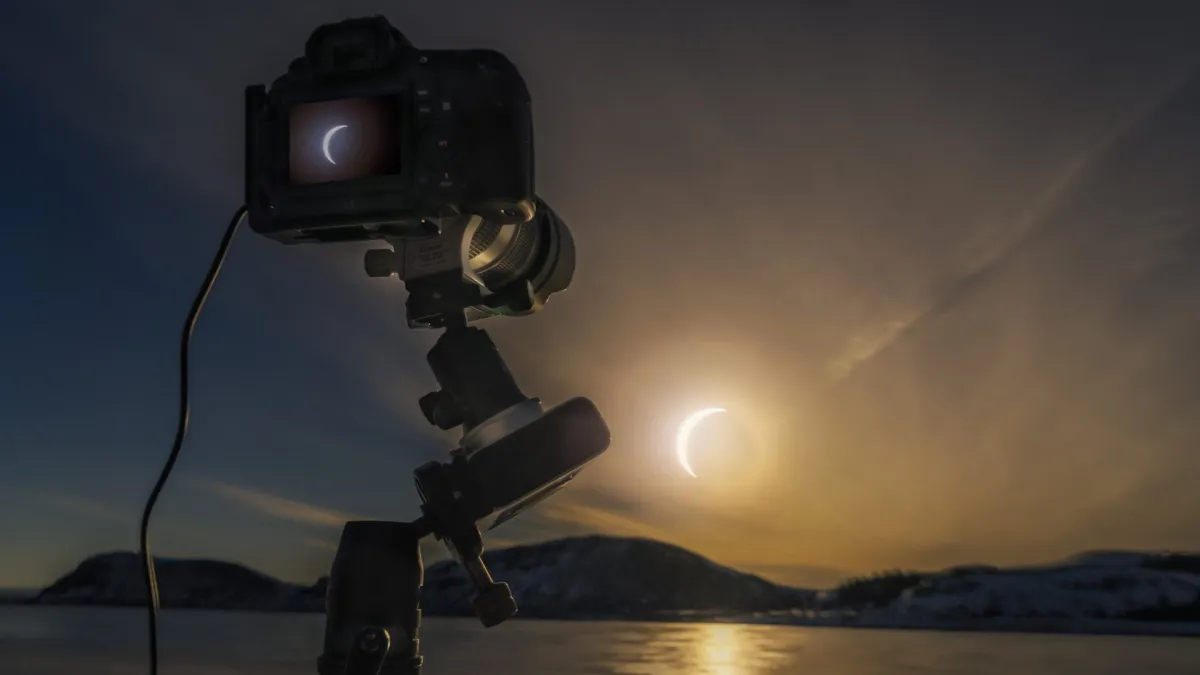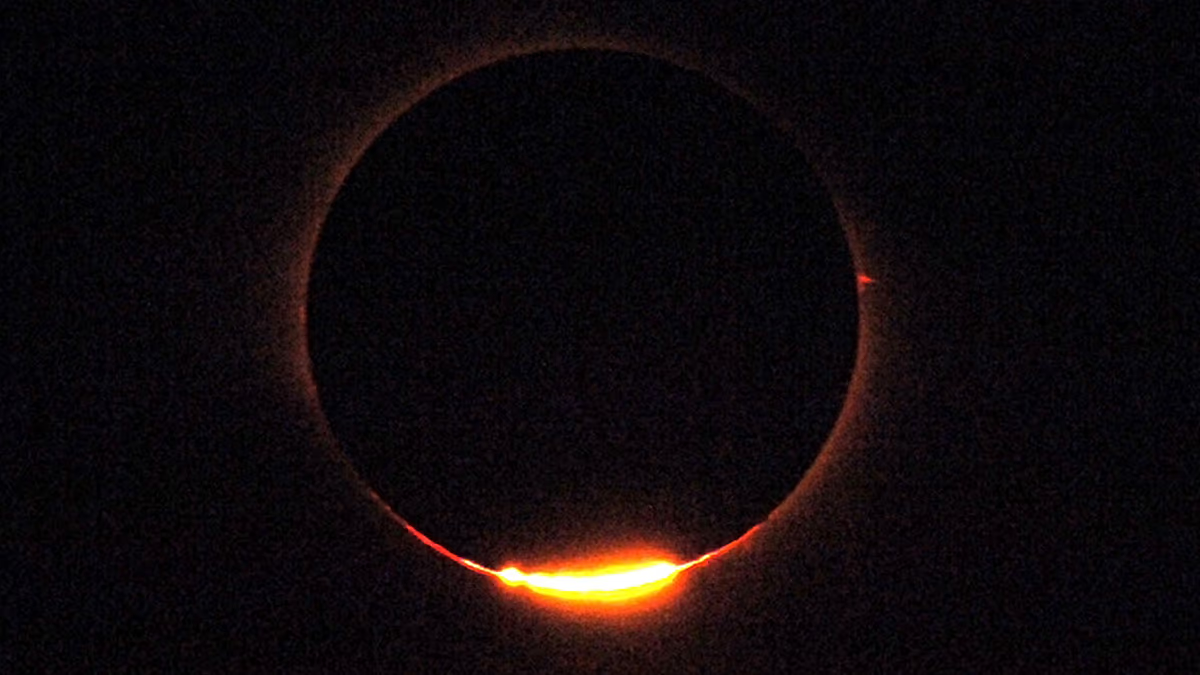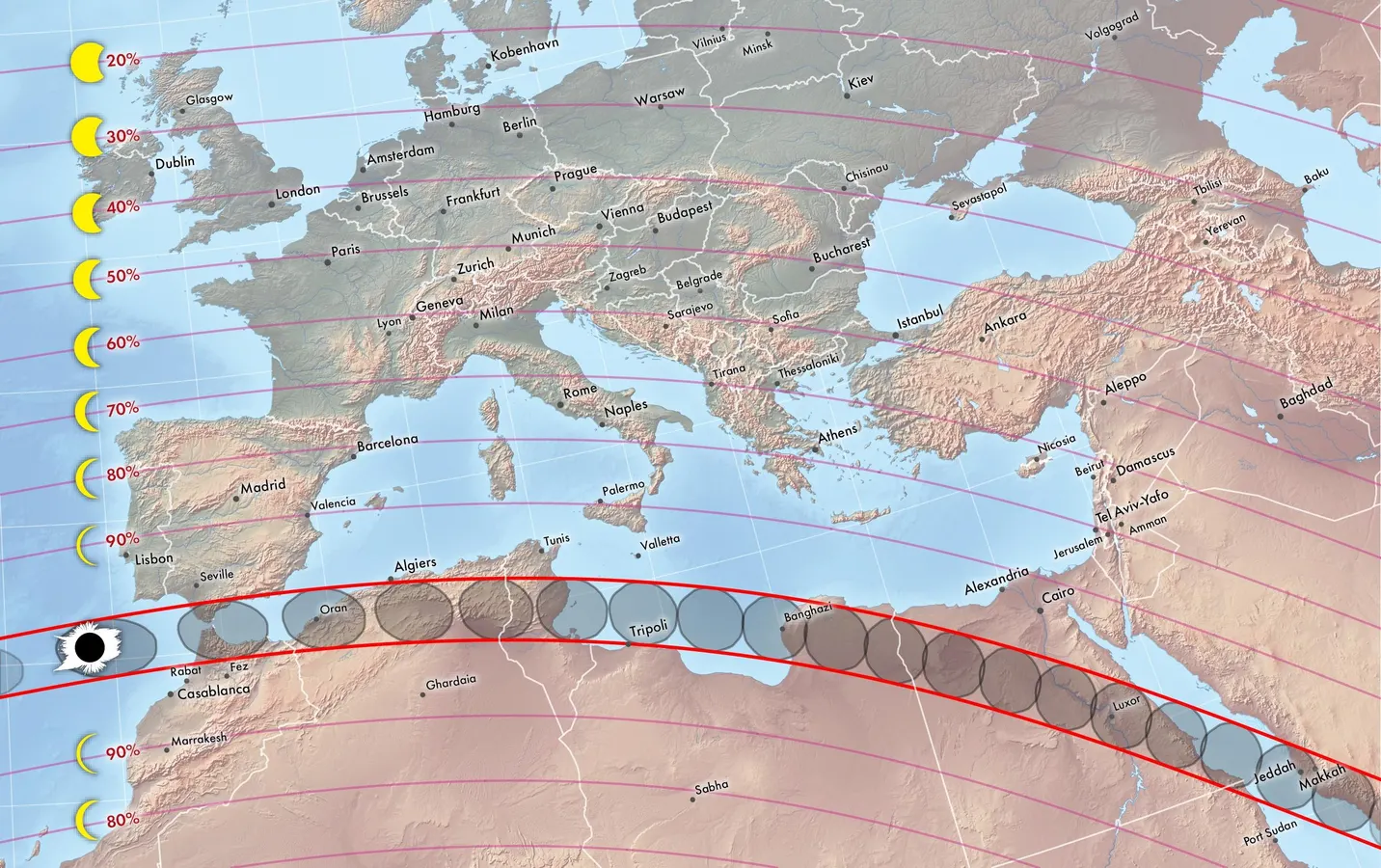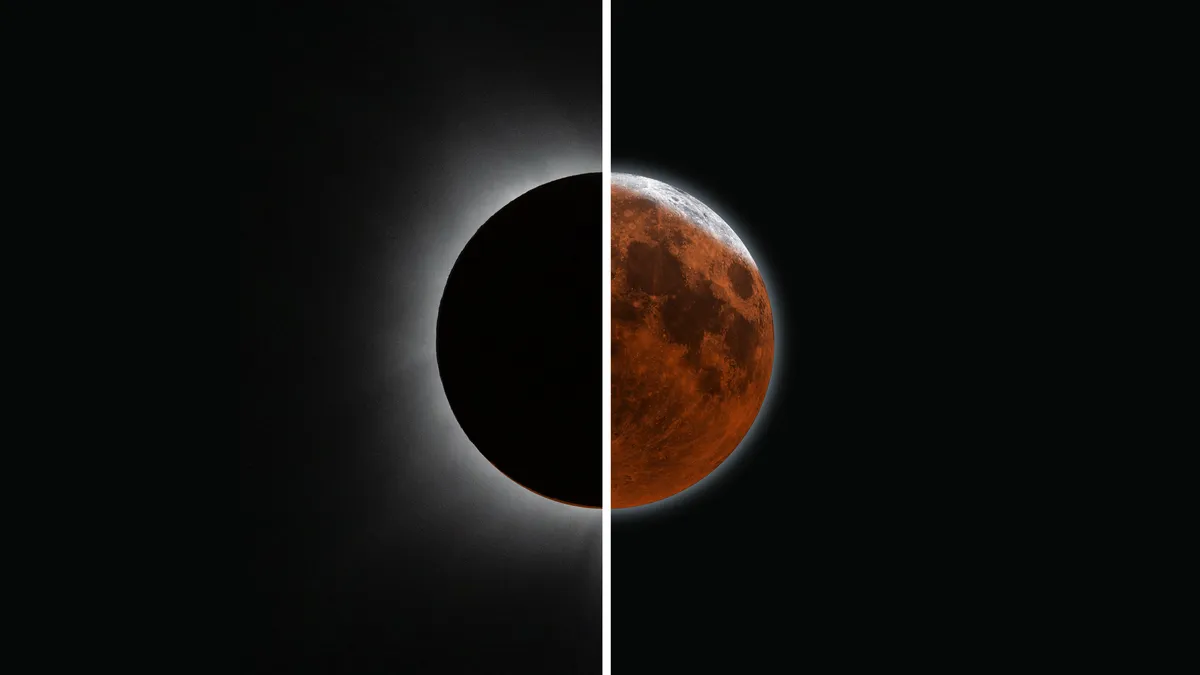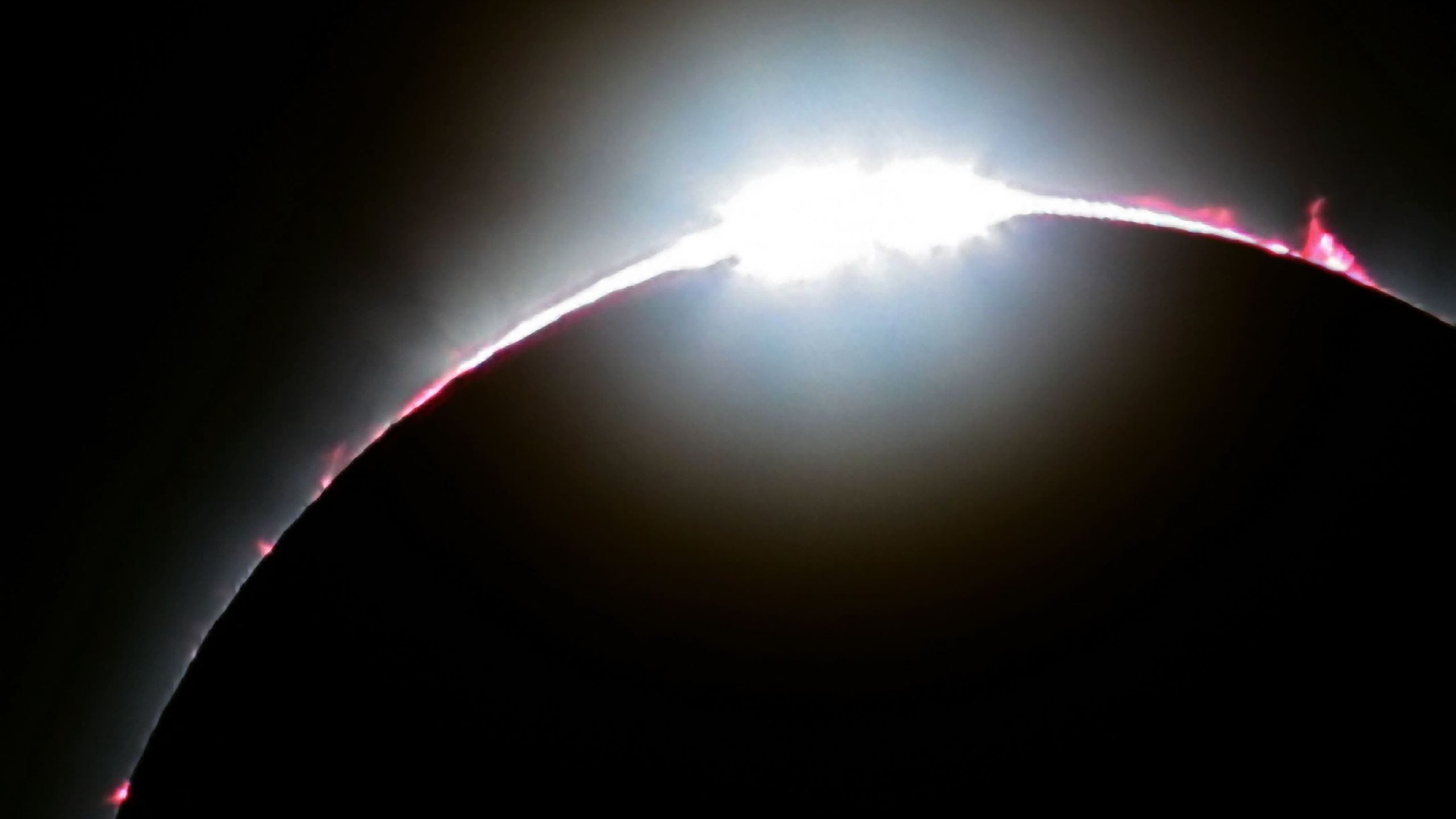
Mainland Europe will see its first total solar eclipse for 27 years on Aug. 12, 2026.
(Image credit: Photo by SSPL/Getty Images)
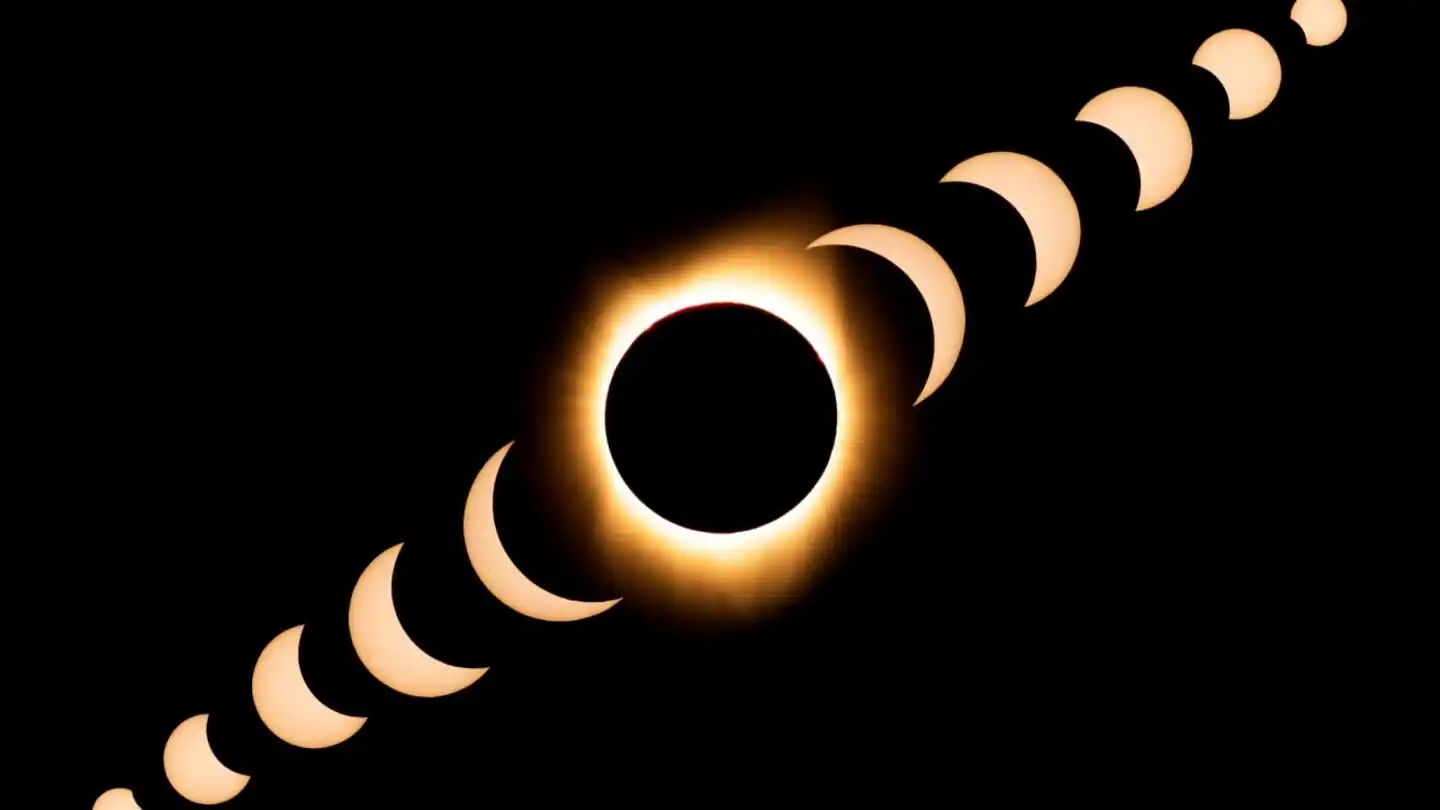
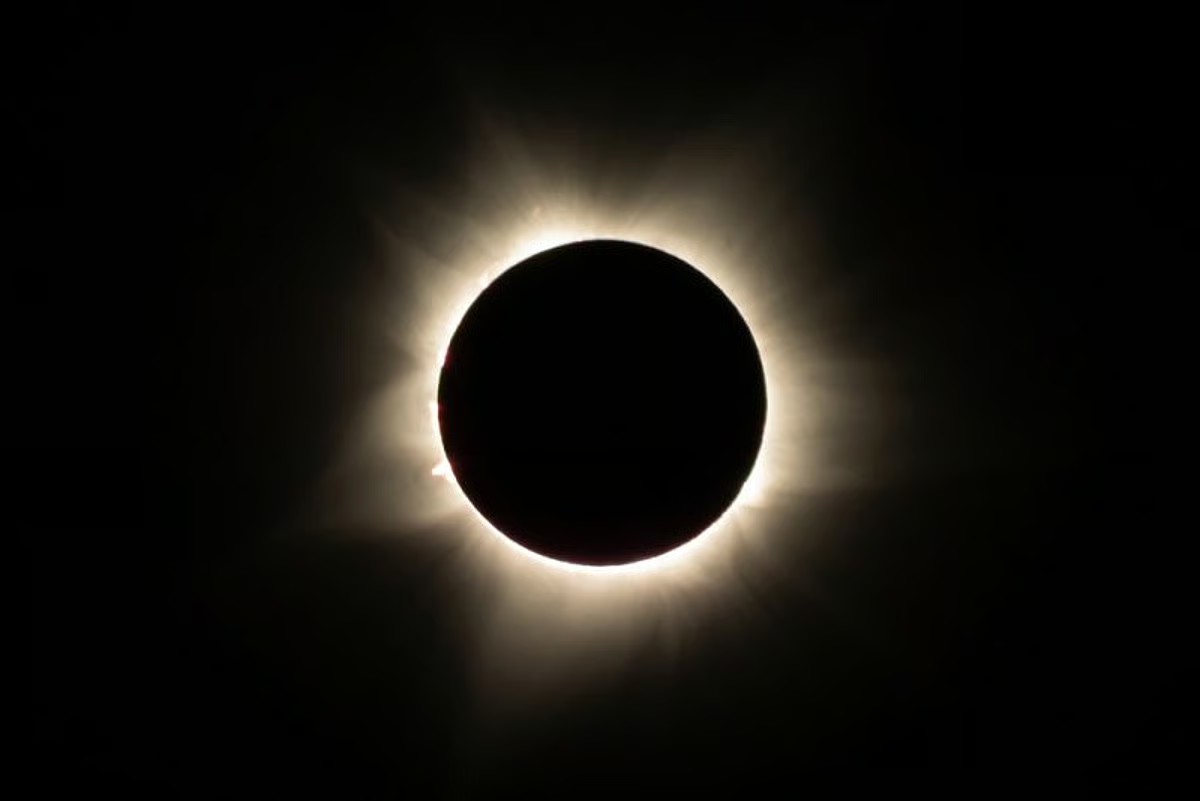
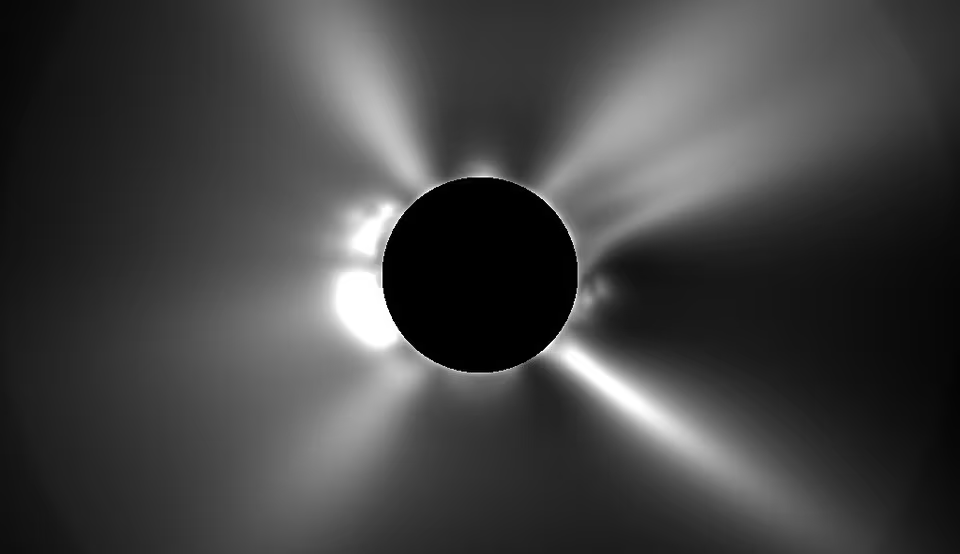
Mention that a total solar eclipse is coming, and almost nobody will say, "Wow, we get to see the solar corona!" That's despite the sun's tenuous outer atmosphere being the number one sight during totality — a genuine jaw-dropper.Instead, the focus on social media is always on the darkness during the day, arguably the least interesting — but easiest to grasp — aspect of a total solar eclipse. It's no wonder that many people misunderstand and underestimate them, and think of eclipse chasers as a little odd.But that's not the half of it. There are dozens of things to see and experience during a total solar eclipse, so many that we've put together a checklist of things to see as you're swallowed by the moon's shadow. Here's what you may experience during the solar eclipse on Aug. 12, 2026, roughly in the order they occur from first contact — when the moon begins to eclipse the sun — to fourth contact, when it departs.1. Sunspots
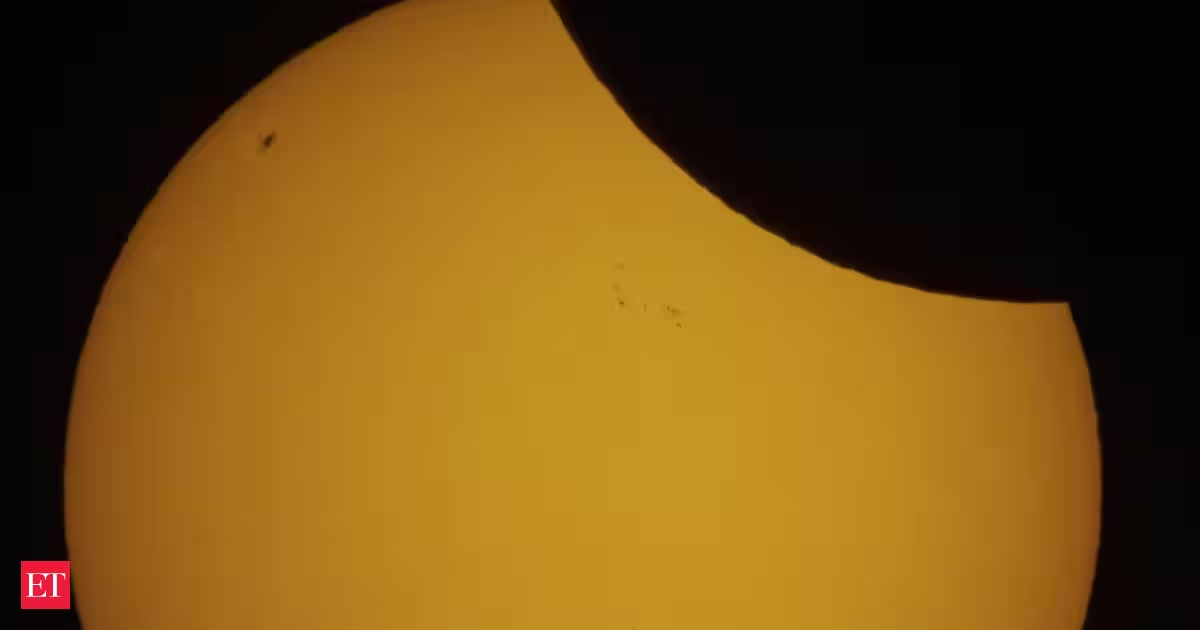
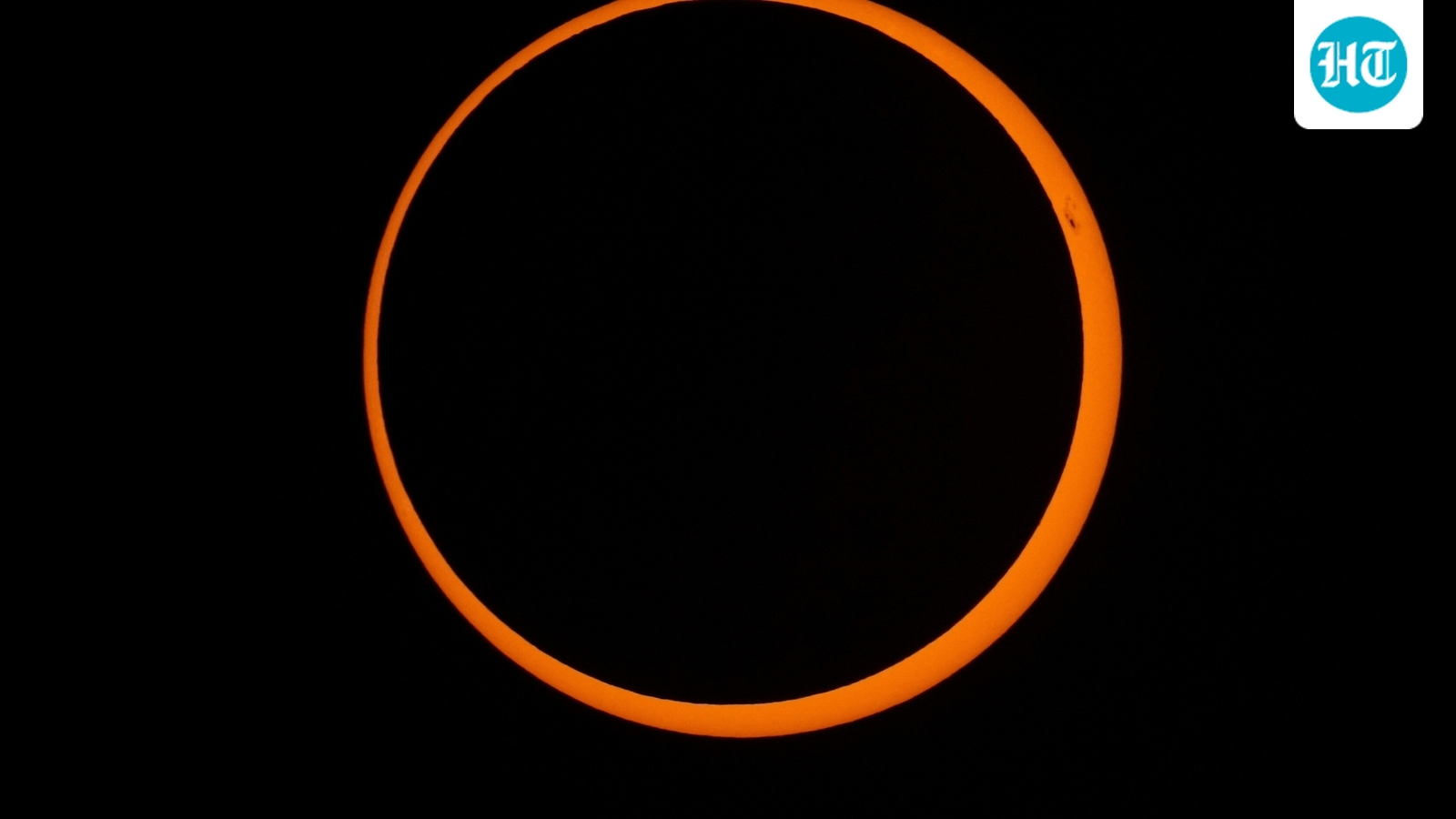
Look for sunspots during the partial phases. (Image credit: Stan Honda / AFP) (Photo by STAN HONDA/AFP via Getty Images)Here's one everyone in both the partial and total eclipse zones can see on Aug. 12, 2026. As the moon's silhouette moves across the sun, look through your ISO-certified safe solar eclipse glasses/solar filters. With luck, you'll see the edge of the moon move across dark spots on the solar surface. These are sunspots, cool patches where the sun's magnetic field is concentrated and complex. They're where solar flares come from.2. Planets