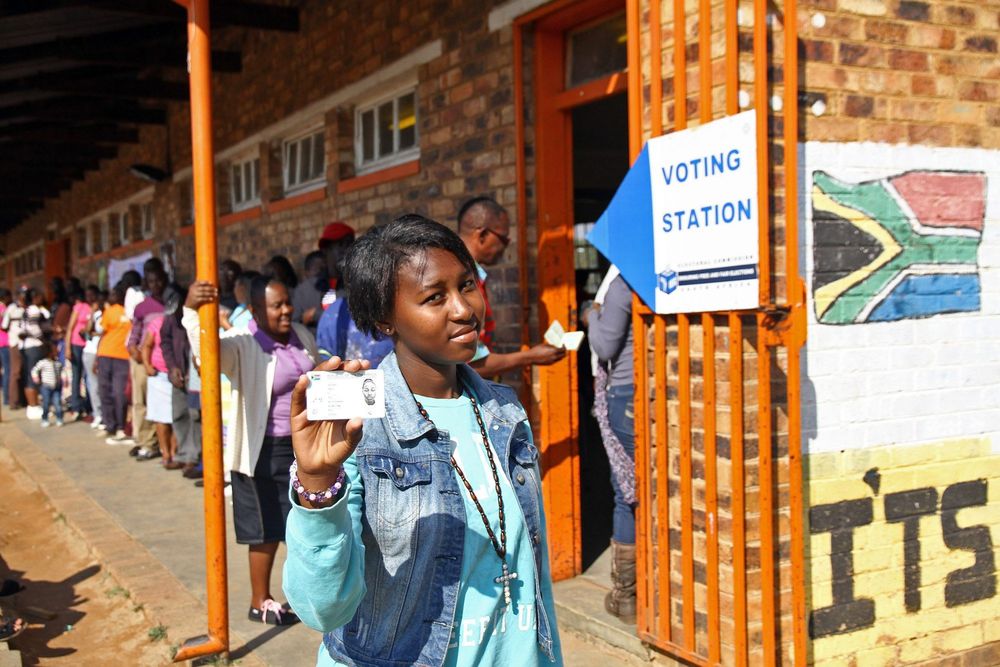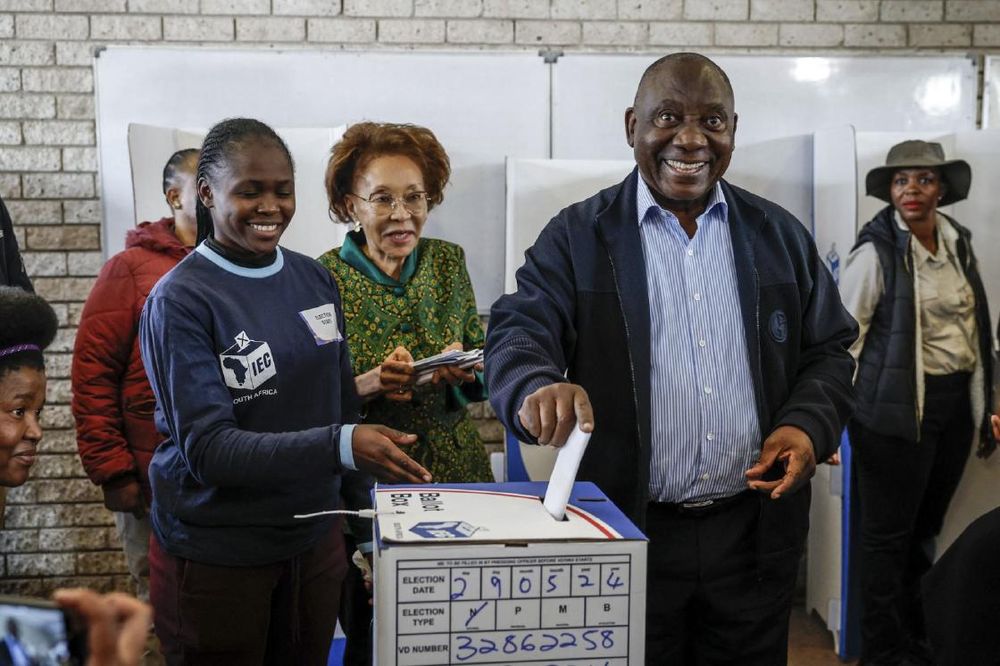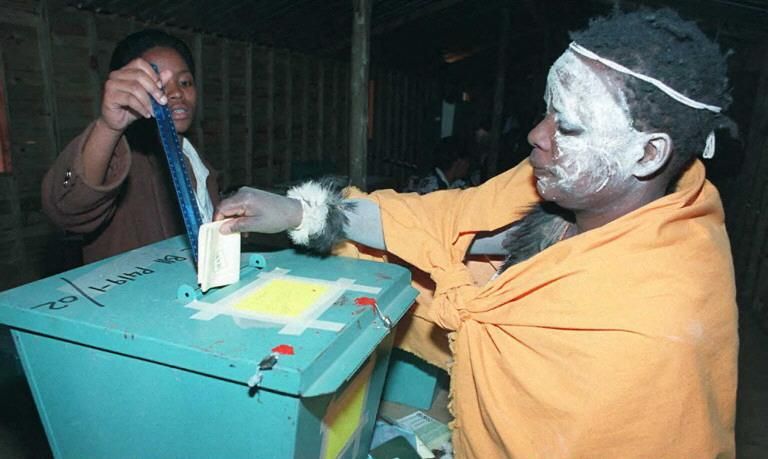
A woman casts her vote in Ntuzuma outside Durban on 26 June 1996 during South Africa's first local government elections in the democratic era. Every woman who votes can help create a more just, equal and democratic society. The ability to achieve real change lies with the more than 16 million women who are registered to vote, says the writer.
Dr. Reneva Fourie
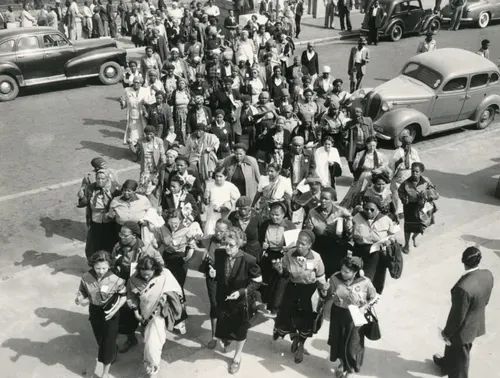
The 9 August 1956 women's protest against the Pass Laws was a unified act of resistance that directly challenged the authority of the apartheid-colonial state. They refused to accept enforced subordination and the denial of their basic rights.
To commemorate this event effectively, we must understand the nature of power in present-day South Africa and recognise the available methods for change. One of these methods is the local government elections of 4 November 2026. Using elections to effect change requires the active and progressive participation of women.
The structural oppression of women in South Africa has deep historical roots. The concept of triple exploitation, introduced by women in the Sandinista movement and later adopted by the anti-apartheid movement, frames class, race and gender oppression as interconnected.