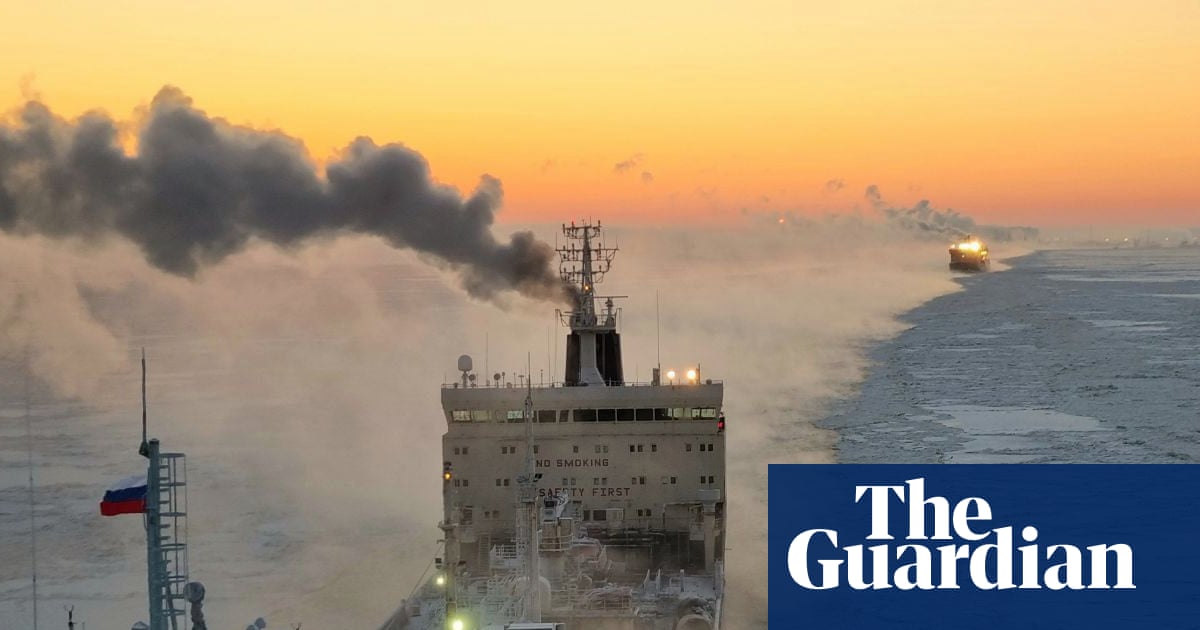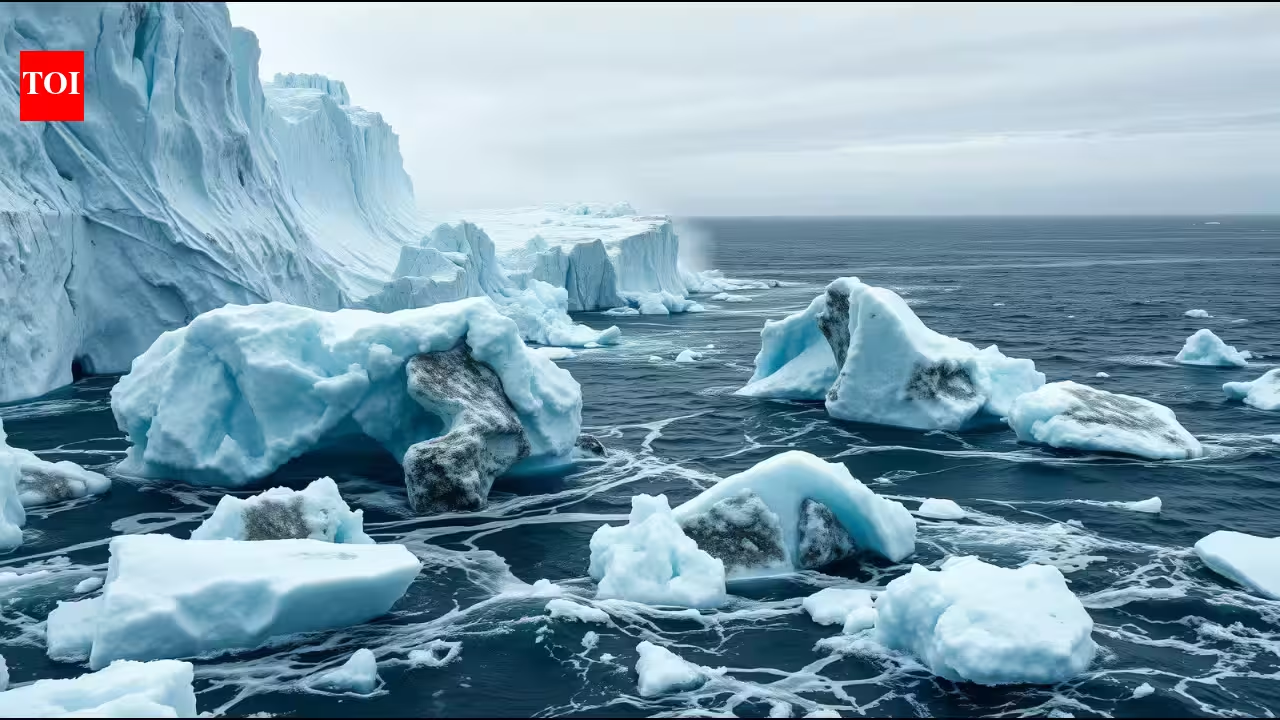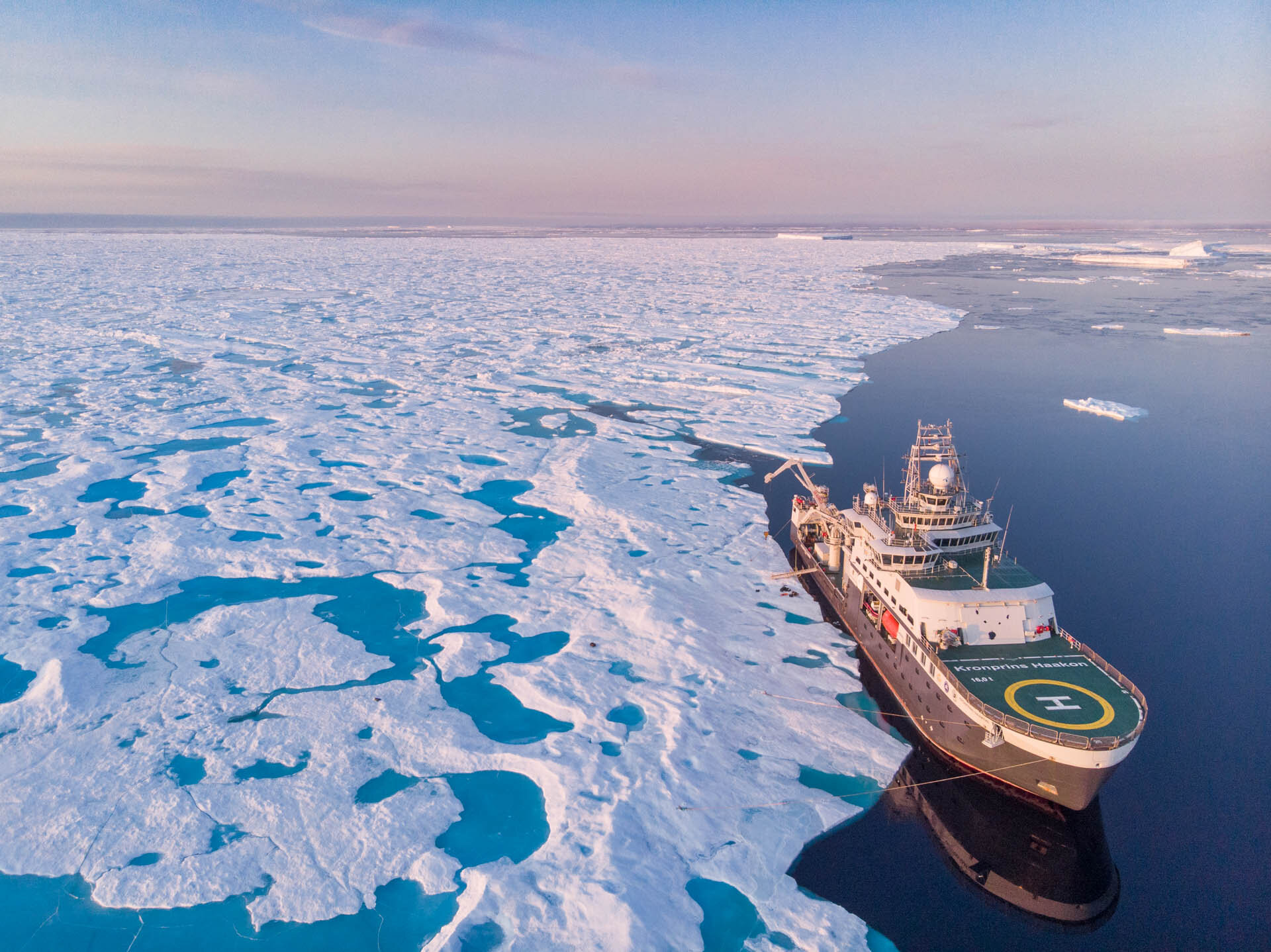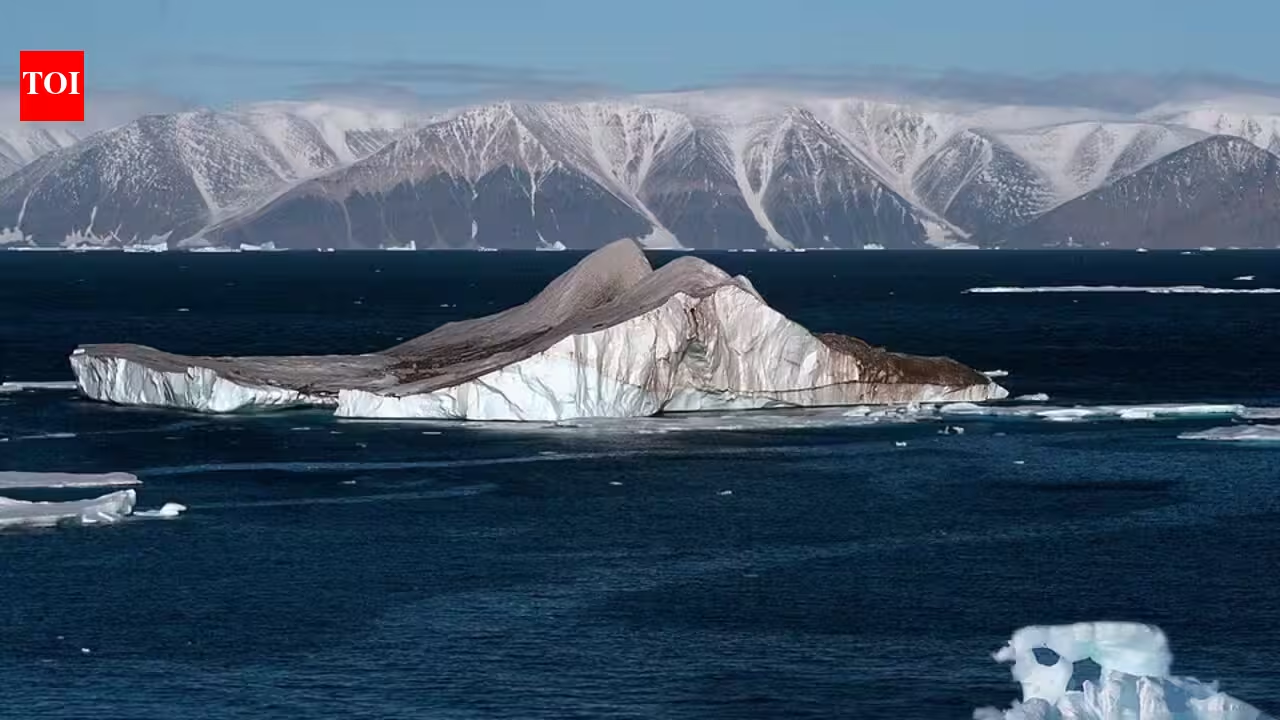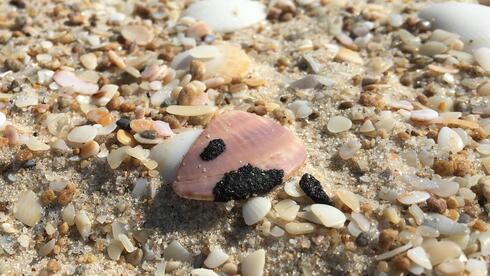
By making the Arctic less ice-covered, climate warming has increased both shipping traffic and the risk of oil spills in the region. Changing ice conditions may, however, affect the effectiveness of currently available oil spill response measures, according to a recent study by researchers from Estonia and Norway.
Sea ice is a challenging habitat for microorganisms. Most microbial cells live in narrow brine channels, where they face subzero temperatures, high salinity, oxidative stress and restricted access to oil compounds. Despite these harsh conditions, a number of bacterial species thrive there, capable of breaking down various petroleum compounds and using them for metabolic processes.
Oil-degrading bacteria obtain carbon from oil. They also need nitrogen and phosphorus to grow, although these nutrients are very scarce in North Atlantic waters, writes Jaak Truu, a professor of microbiology at the University of Tartu.
Dispersants, compounds that break oil into small droplets, have been introduced as one possible means of combating oil spills at sea. In this way, the oil disperses more quickly in the water column, reducing the direct impact of the spill on marine life and making it easier for microbes to break it down.