view more
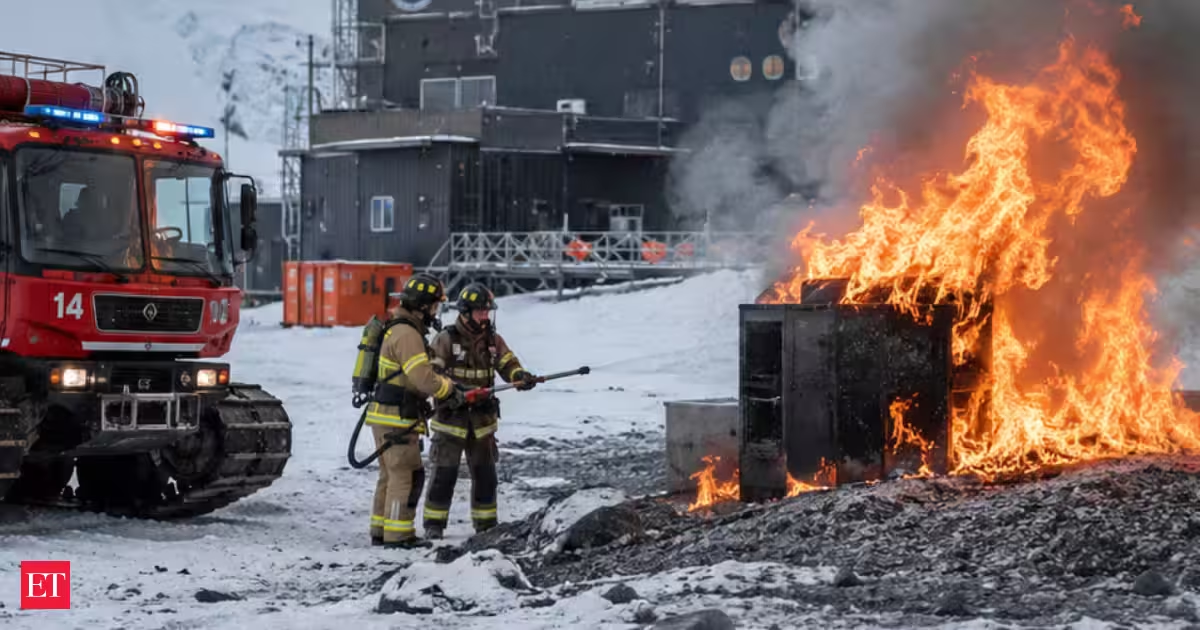
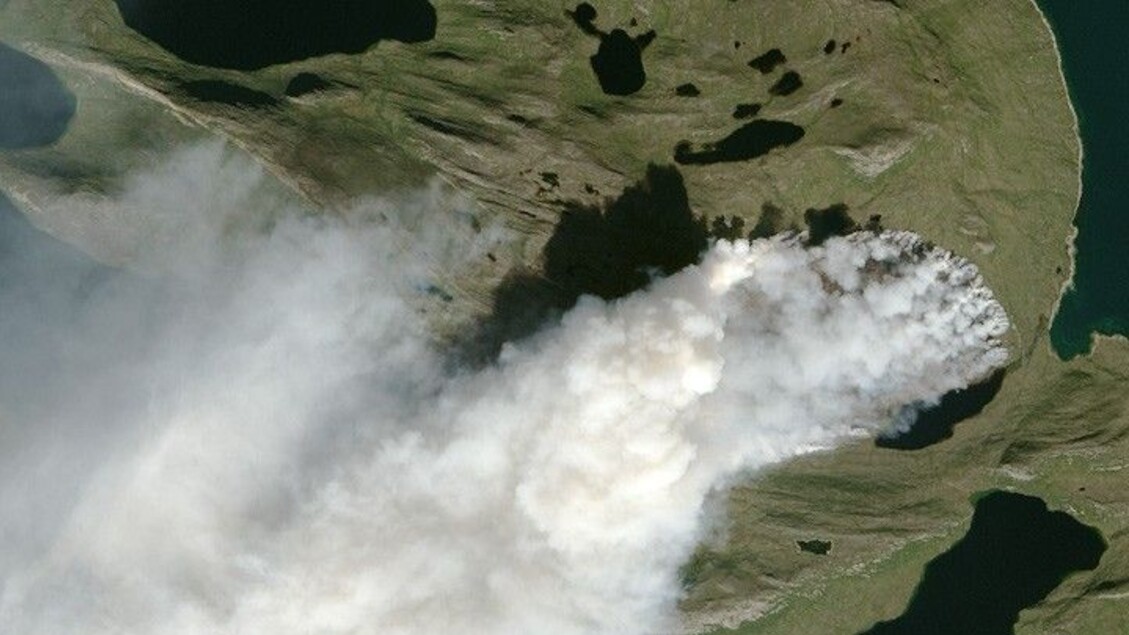
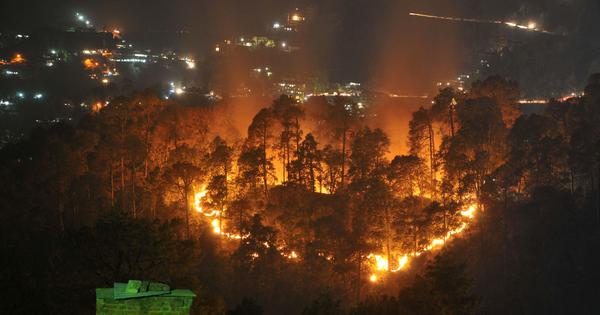
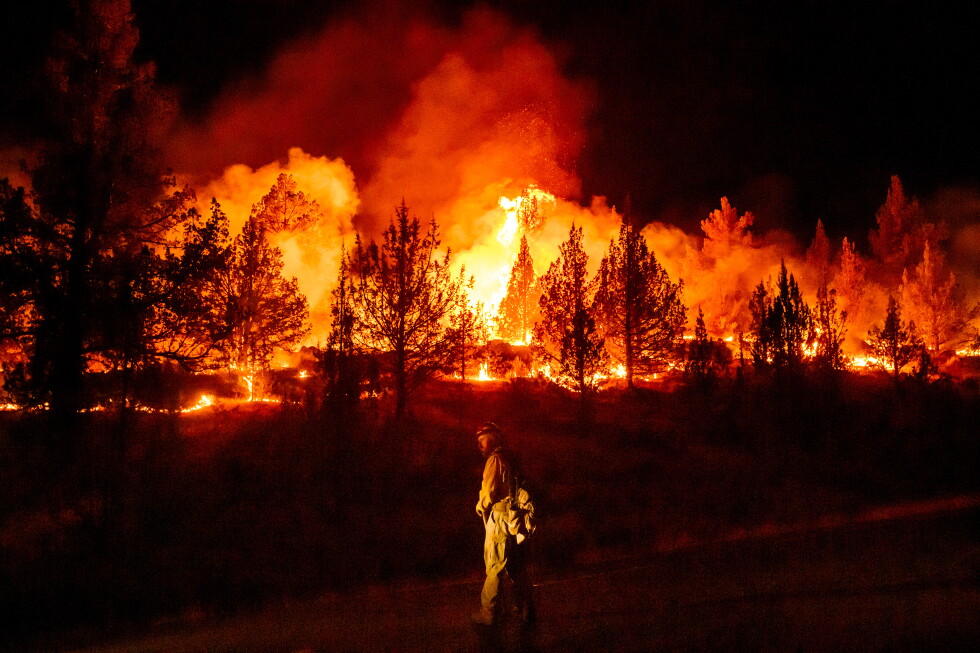
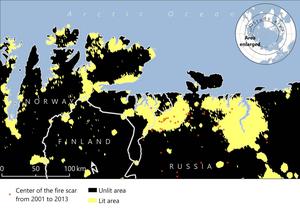
The occurrence of fires in the Arctic is linked not only to warming temperatures and increasingly dry conditions, but also human activity in the region. An international research team led by the University of Zurich found that fires occurred 2.5 times more often in lit areas associated with human activity than in climatically similar unlit areas. Effective fire prevention and response can help reduce risks whose impacts extend far beyond the Arctic.
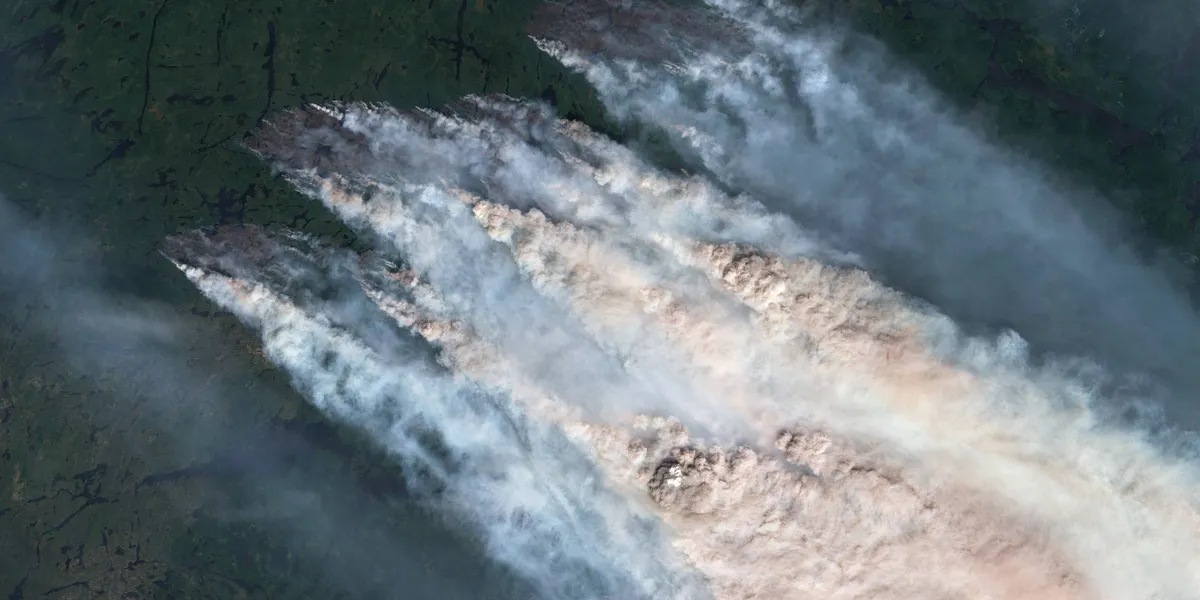
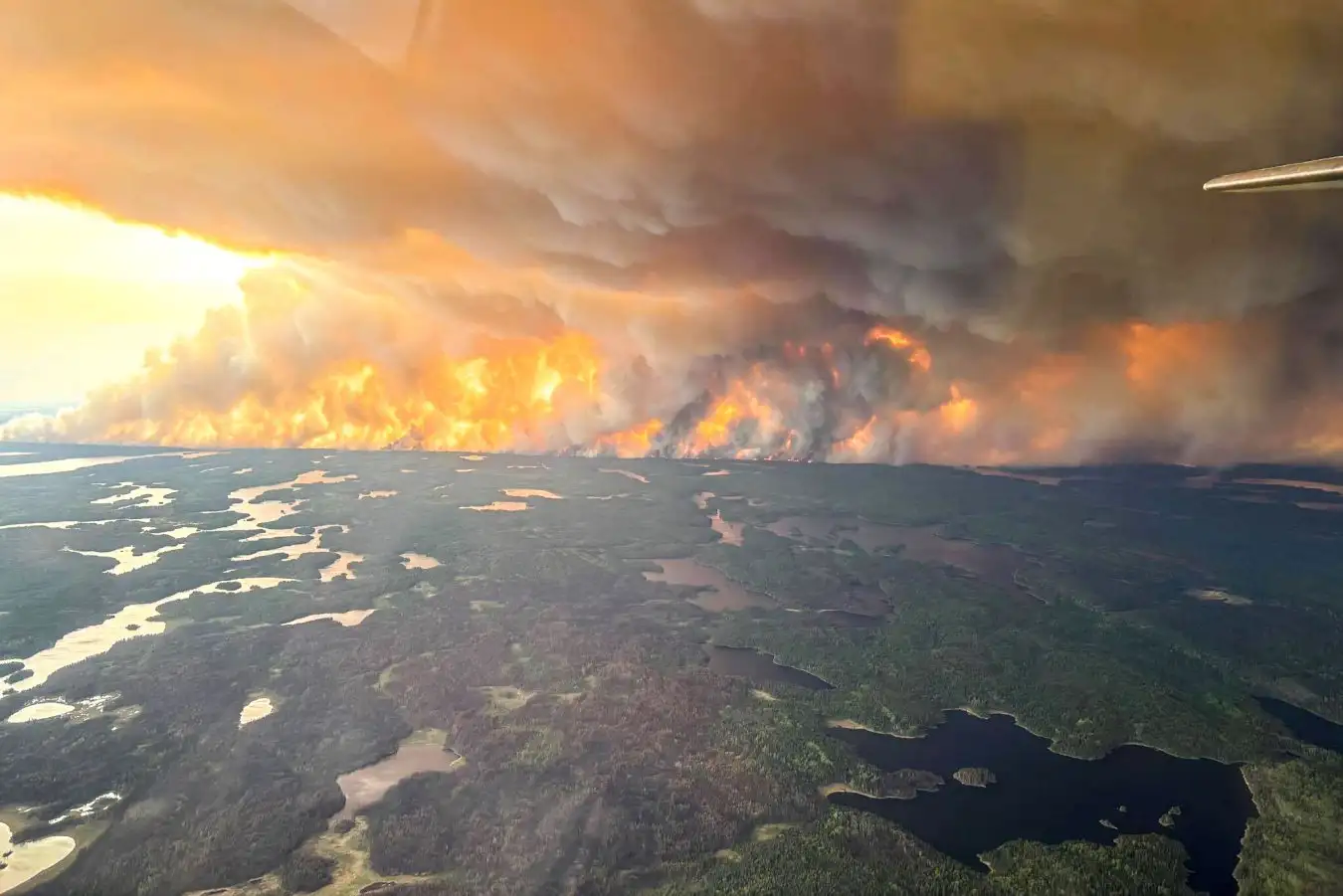
Fires in the Arctic are not solely a regional issue, as shown by the hazy skies in Switzerland last summer despite otherwise sunny weather. Smoke from major fires in northern Canada crossed the Atlantic and reached Europe. Until now, large-scale studies of Arctic tundra fires have focused primarily on rising temperatures and drought as the main drivers. The role of human activity has received much less attention, even as industrial development, settlements, roads, and other infrastructure expand rapidly in parts of the Arctic, particularly in connection with extractive industries such as oil and gas production and mining.
Comparing artificial light at night and fire occurrence
An international team of researchers led by the University of Zurich (UZH) has investigated for the first time at the pan-Arctic scale whether human activity is linked to fire occurrence between 2001 and 2013. Study leader Gabriela Schaepman-Strub from the Department of Evolutionary Biology and Environmental Sciences at UZH collaborated with colleagues from NASA’s Goddard Space Flight Center, USA, and the University of Münster, Germany. Since direct and consistent data on human activities across the entire Arctic are difficult to obtain, the researchers used artificial light at night as a satellite-based indicator of human presence, including settlements and industrial activities.