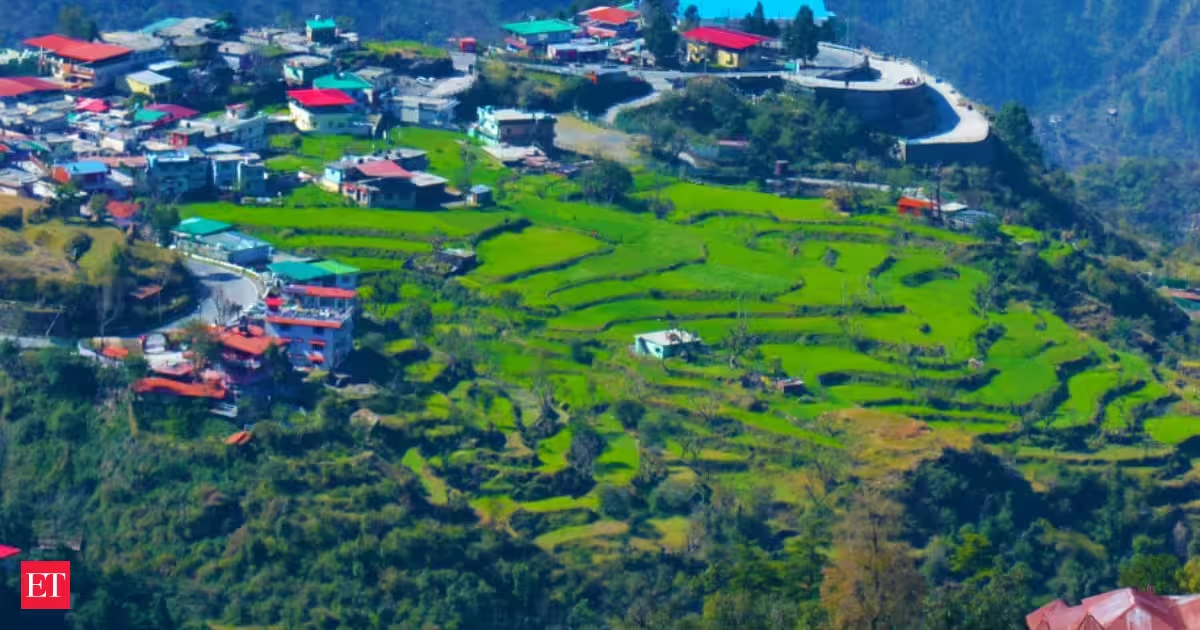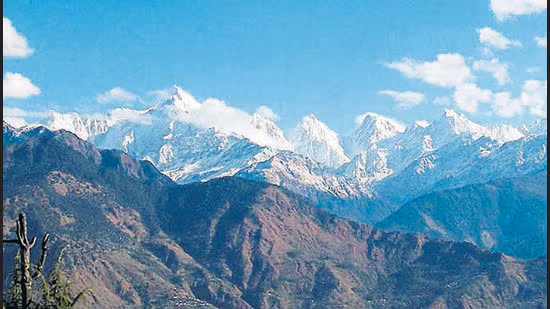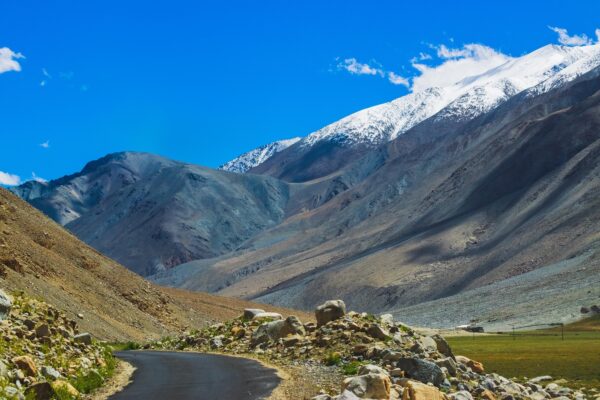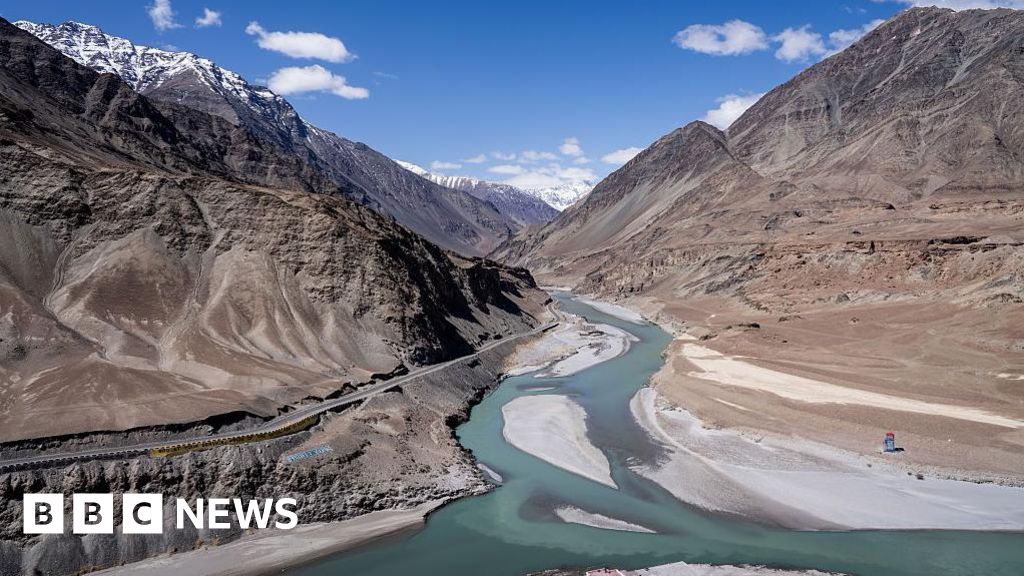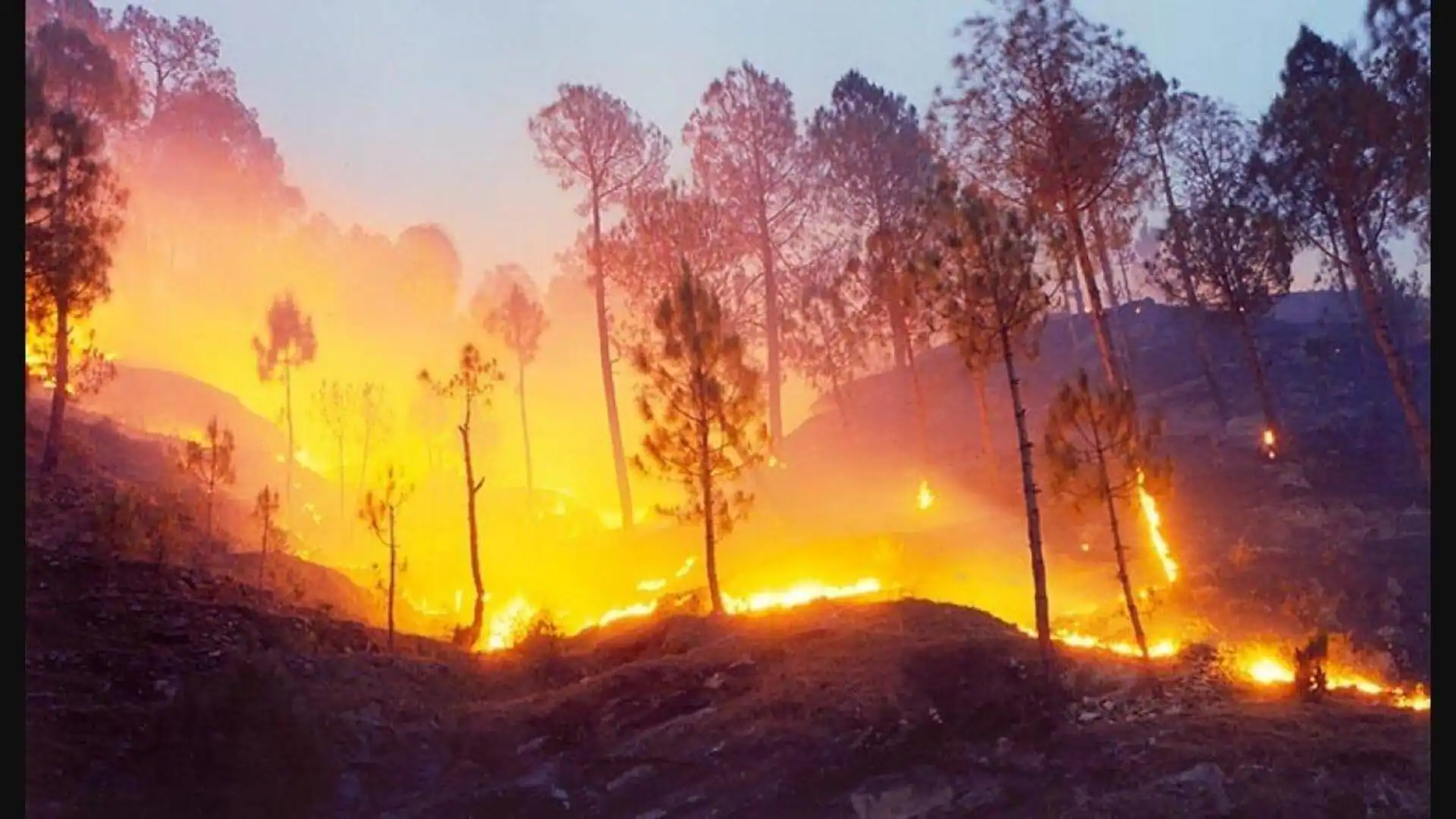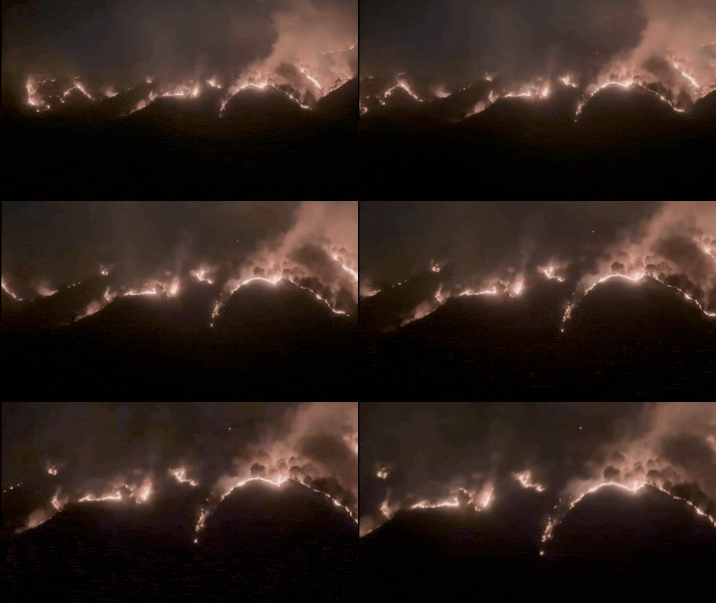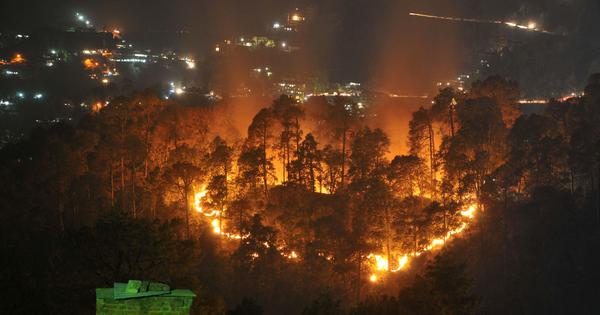
Forest fires in the Himalayas typically occur between November and June, during the drier months. However, out-of-season and higher elevation fires have sparked concerns about their effective management in a changing climate. A new study from the Western Himalayas provides more clues into the underlying factors driving forest fires in the region.A higher frequency of forest fires was associated with a decline in floristic diversity and the promotion of fire-dominant plant species in Uttarakhand – the most fire-prone state in the Indian Western Himalayas, according to the Forest Survey of India. Fires in the Himalayas are also particularly worrisome because they threaten to erode carbon stocks. Including the Eastern Himalayas, the Himalayan forests are estimated to hold 3,273.1 million tonnes of carbon.For the Western Himalaya study, researchers from the Forest Research Institute, Dehradun, and Indian Institute of Technology, Roorkee, considered a host of bioclimatic, anthropogenic, and topical variables that could influence forest fire dynamics in the region. “What we tried to do was study 10 years of past data to understand how these variables interact with each other. Temperature had the biggest edge out of all of them,” said Amit Kumar Verma, a senior technical officer and faculty member with the Forest Research Institute (FRI) who authored the study.Adding fuel to fireThe study’s findings add to a growing body of evidence of forests’ sensitivity to environmental fluctuations – and temperature in particular. Though most forest fires are triggered by human activity in India, every one degree celsius rise in mean summer temperatures was associated with approximately 128 additional fire incidences, the study found. The results align with other studies from across India, including central forests, which find temperature to be a leading [variable] in forest fire occurrence.The analysis took into account over 18,000 independent fire locations between 2013 and 2022 in Uttarakhand, Himachal Pradesh, Jammu, Kashmir, and Ladakh. Across 39 different variables — including proximity to human settlements, topography, precipitation, soil moisture and wind intensity, among others — temperature thresholds proved to have an outsized impact on forest fire occurrence.
Rising temperature could be sparking more Himalayan forest fires
A study found that though human activity is a major cause, forests are very sensitive to temperature fluctuations.
964 words~4 min read