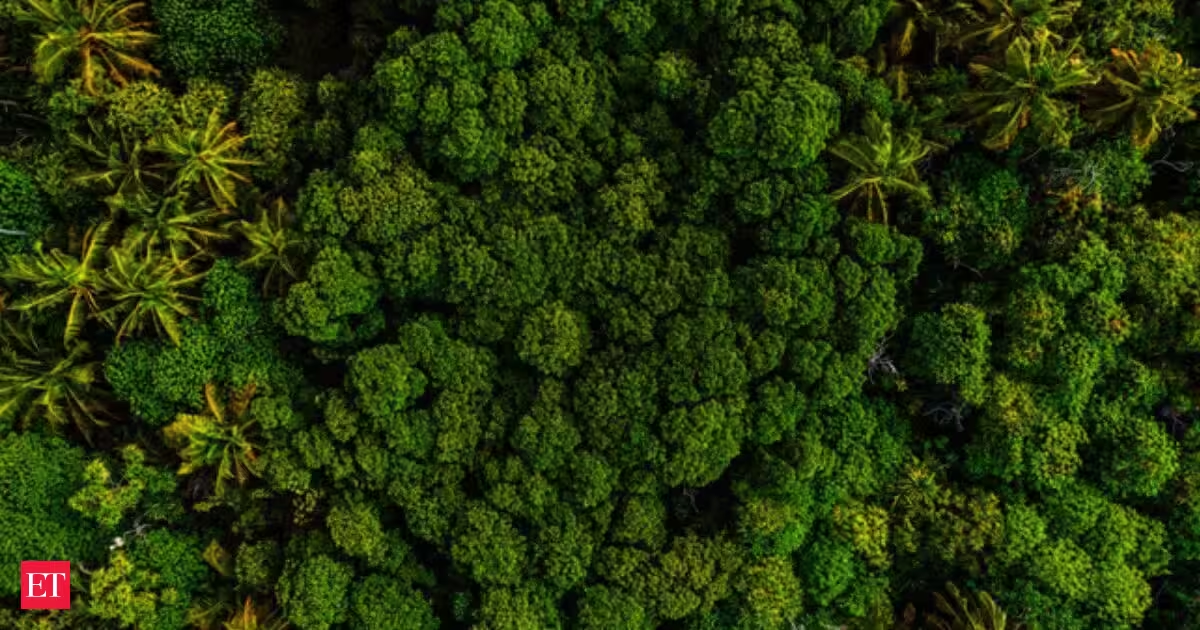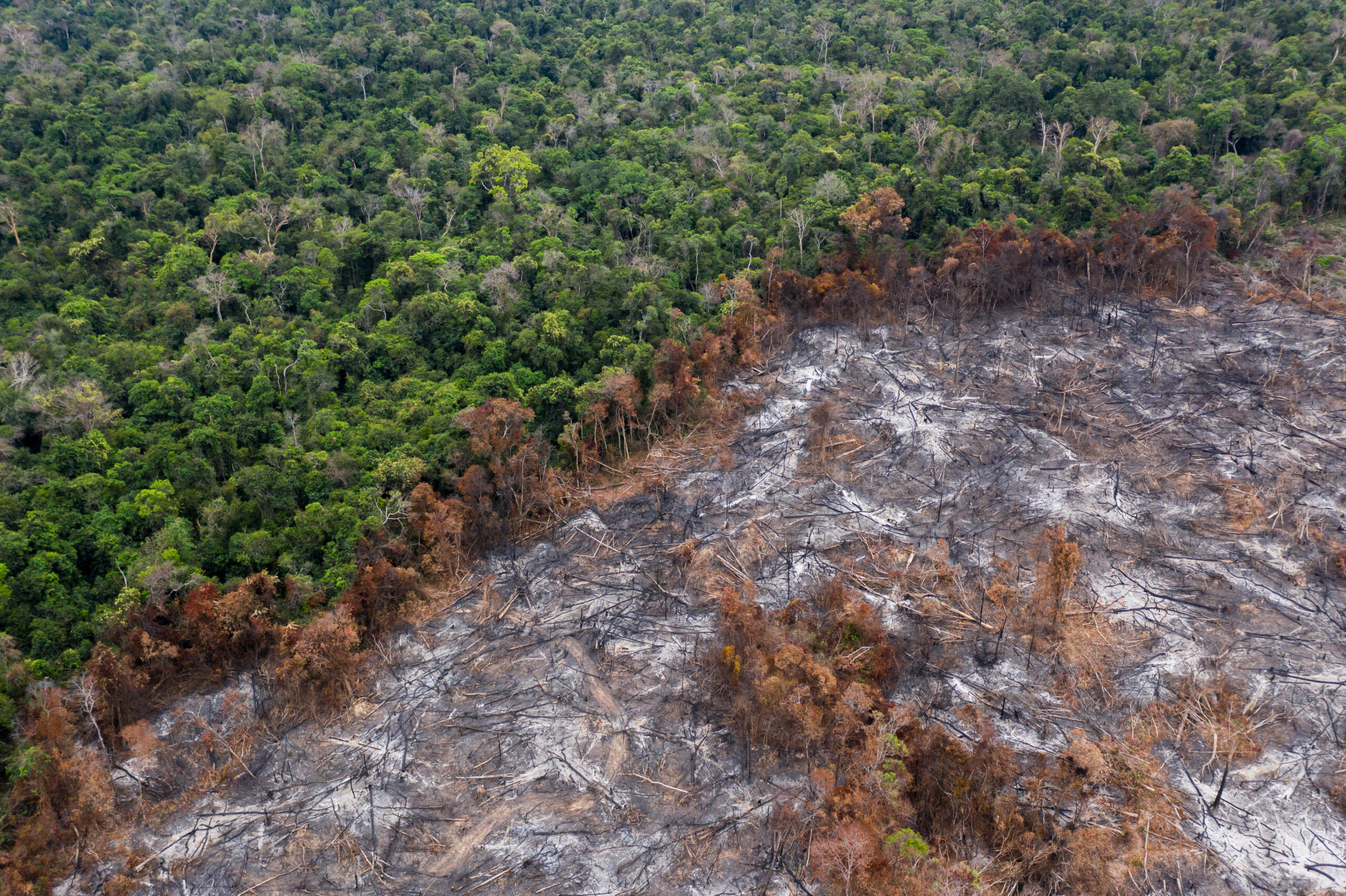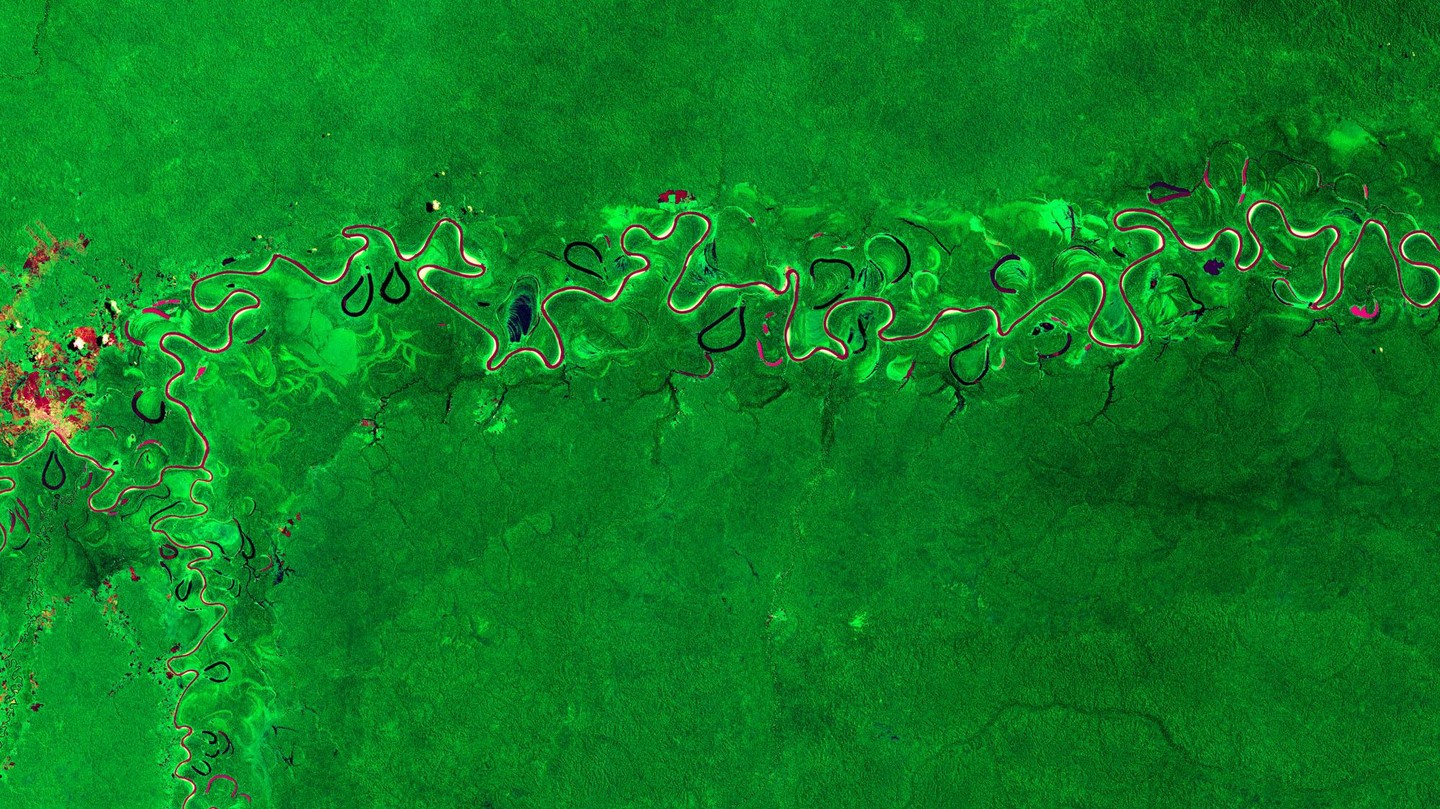
An EPFL study shows that tropical forests regularly exceed the temperatures at which photosynthesis begins to fail, threatening the planet's ability to absorb carbon dioxide.As heatwaves continue one after another, we are feeling their effects on our own bodies: it becomes harder for us to function normally. Trees also have their limits when temperatures are too high. Above a certain critical temperature, photosynthesis, the process by which plants produce their own nutrients, release oxygen, and absorb CO2 from the atmosphere, starts declining, reducing growth and increasing the risk of plant mortality.According to a new EPFL study, tropical forests are increasingly exposed to temperatures that exceed the limits for efficient photosynthesis, threatening their ability to absorb carbon dioxide. “There is a safety margin of about 15 degrees in which plants can still do photosynthesis. Due to global warming, droughts, and extreme events, this margin has narrowed significantly,” says Charlotte Grossiord, Tenure Track Assistant Professor at the Plant Ecology Research Laboratory, who led the study along with Devis Tuia, Associate Professor at the Environmental Computational Science and Earth Observation Laboratory.The study, published in the Proceedings of the National Academy of Sciences (PNAS), is among the first to combine species-specific thermal thresholds with large-scale satellite observations to assess heat stress across tropical forests.When photosynthesis stopsIn the same way that extreme heat affects biological functions in humans, thermal stress also affects biochemical reactions occurring in leaves. “When leaves become too hot, the proteins that drive photosynthesis begin to break down. As a result, trees absorb less carbon dioxide and grow less efficiently,” says Grossiord.The loss of some plant species is the most dramatic consequence of rising temperatures. However, it is not the only one. Changes in forest composition can alter ecosystem functioning, also reducing animal biodiversity and weakening their resilience to future heatwaves and droughts. Tropical forests are among the world's most important carbon sinks. As their capacity to absorb CO₂ declines, global warming could accelerate. At the same time, tropical forests will also release less water vapor into the atmosphere, thus increasing the risk of droughts and extreme events worldwide.Although climate change is progressing rapidly, it is occurring on a timescale that still allows some species to adapt to changing conditions. “Within the same forest, more heat-tolerant species may adapt and gradually replace others that disappear,” explains Grossiord. However, how quickly these shifts can occur, and the temperatures beyond which plants can no longer adapt, remain largely unknown.A surface larger than FranceIn this study, EPFL researchers compared the critical temperatures catalogued for 200 species with satellite-derived temperature measurements collected across tropical forests between 2001 and 2020. Over two decades, the area of tropical forest experiencing treetop temperatures above the average critical threshold increased from 43 to 57 million hectares, an area larger than France.The future projections are not particularly optimistic. By 2050, it is expected that the area of tropical forests exceeding the critical temperature could cover 83 million hectares, while by the end of the century, this figure could increase to 160 million hectares, an area larger than South Africa.The impact on Swiss forestsAlthough the study focused on tropical forests, recent heatwaves have also pushed some Swiss trees and crops beyond their thermal tolerance. This suggests that heat stress is not only a tropical issue. The methodology developed by Grossiord and Tuia can help identify plants under thermal stress and determine where intervention measures such as irrigation may be needed. “We can detect those areas that are at risk and prepare for the coming decades,” explains Grossiord.Expanding to other regions and speciesIn future studies, researchers plan to increase the number of species studied beyond the approximately 200 species included in the current study, out of the more than 15,000 species found in tropical forests. “In this study we focused on some dominant species. However, rare species can play disproportionately important roles in how ecosystems work,” notes Tuia. Their aim is also to extend the study to other regions of the planet, in particular in Europe, where Mediterranean forests have been highly impacted by heatwaves and lack of rainfall.
Heatwaves hinder photosynthesis
An EPFL study shows that tropical forests regularly exceed the temperatures at which photosynthesis begins to fail, threatening the planet's ability to absorb carbon dioxide.
676 words~3 min read