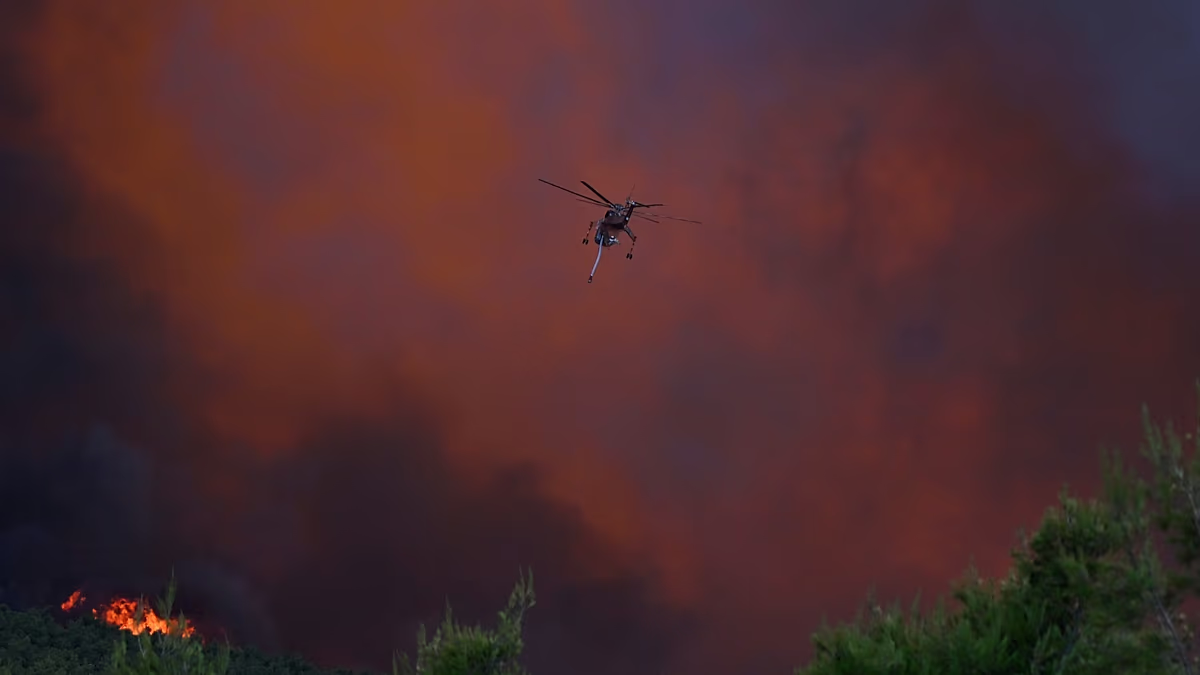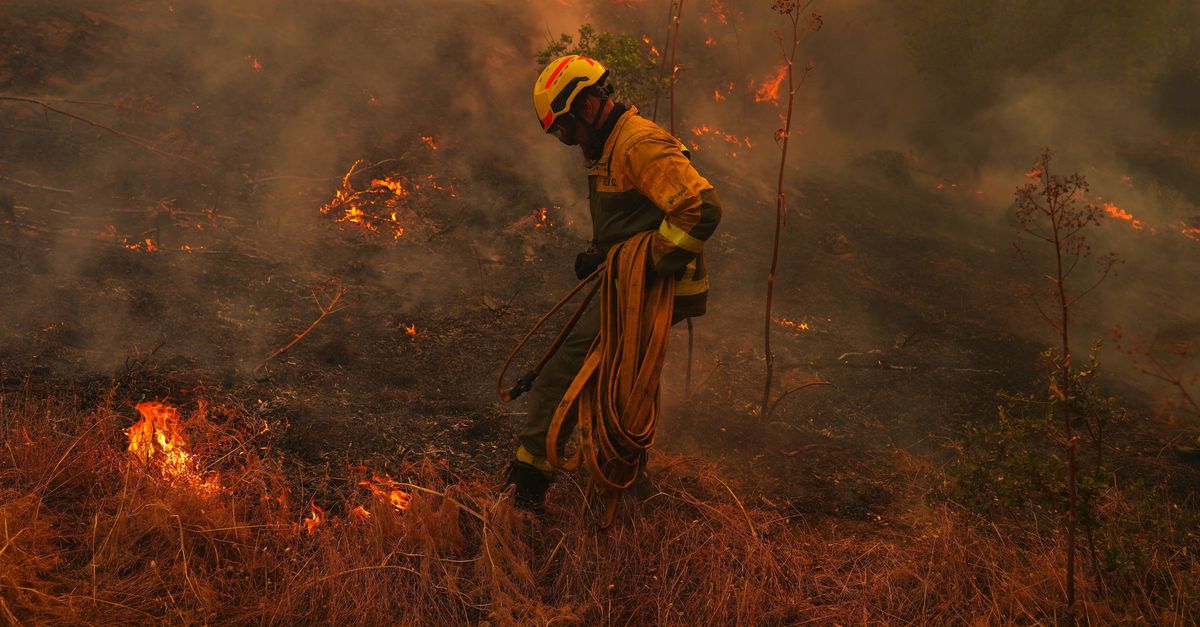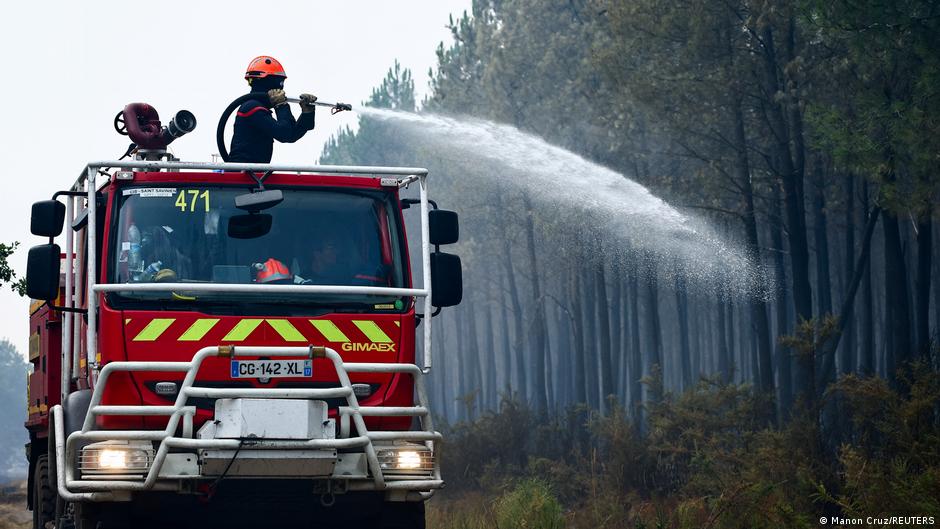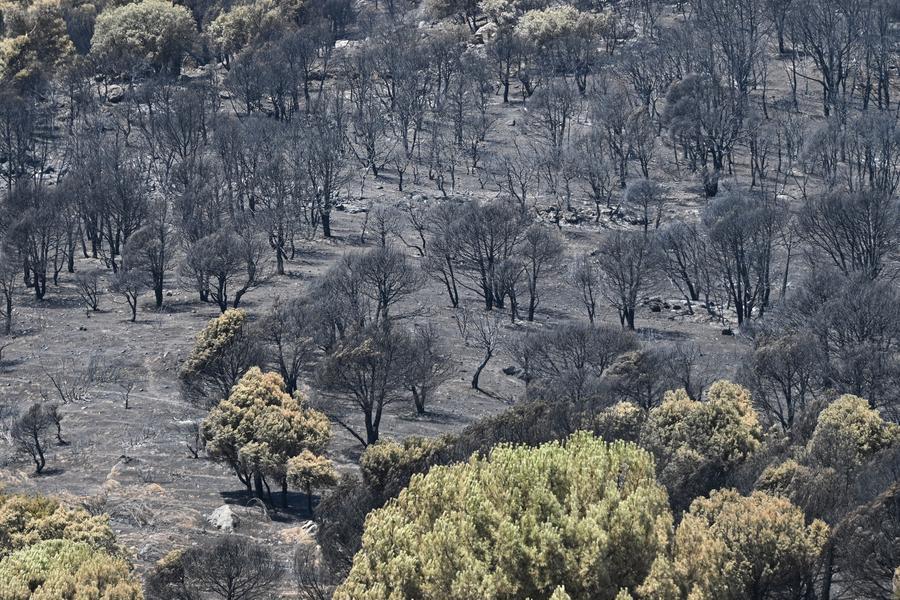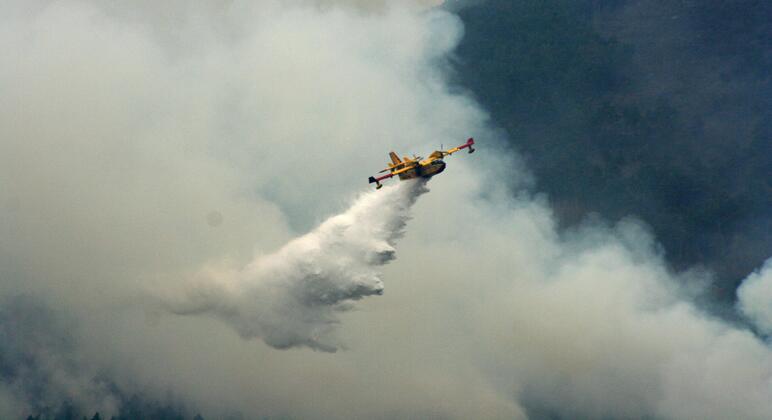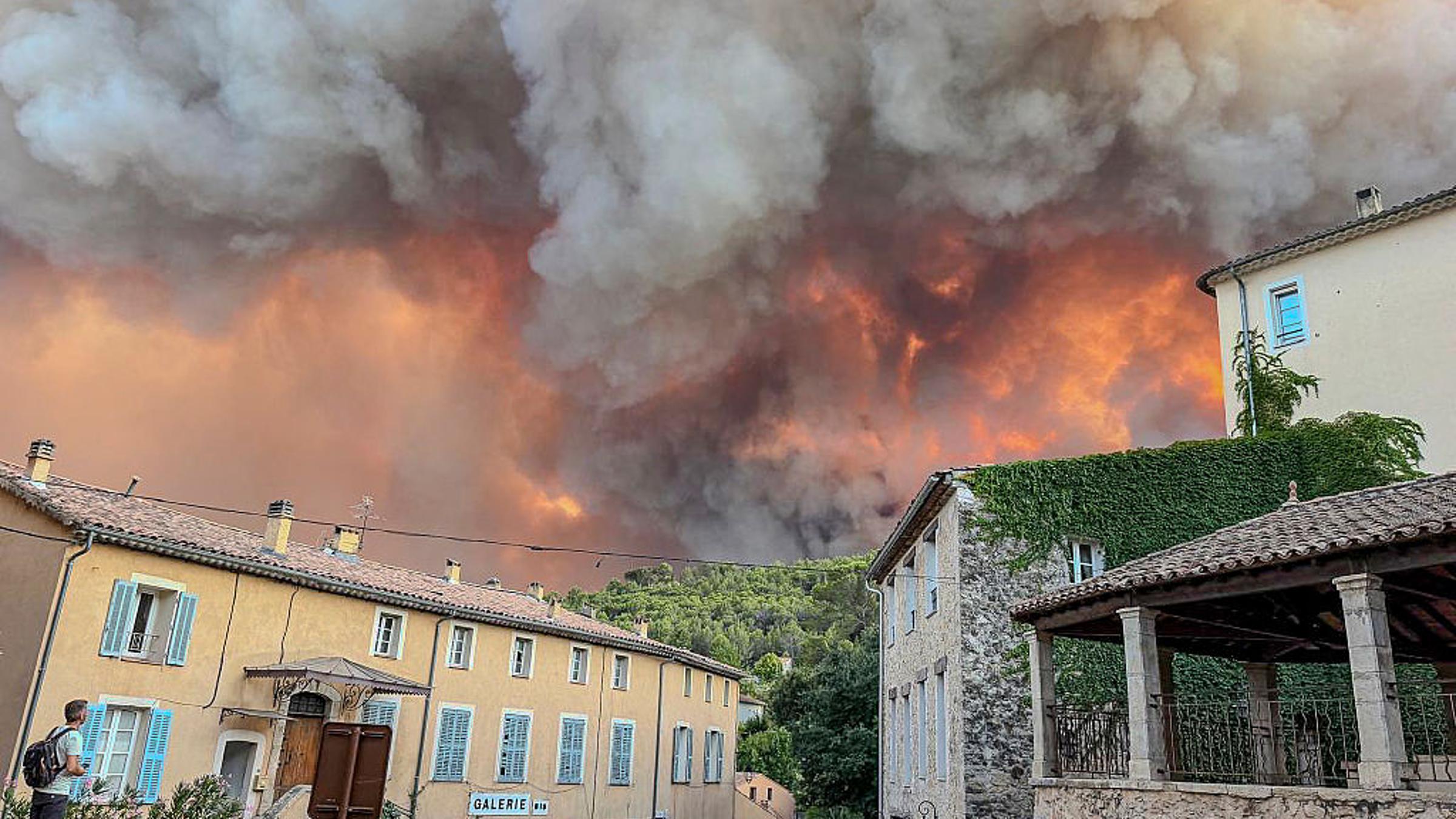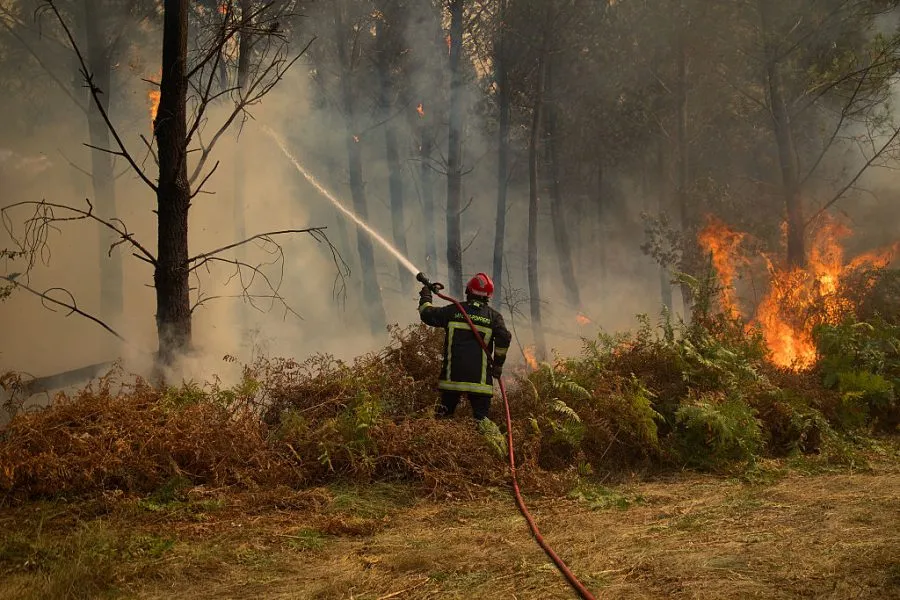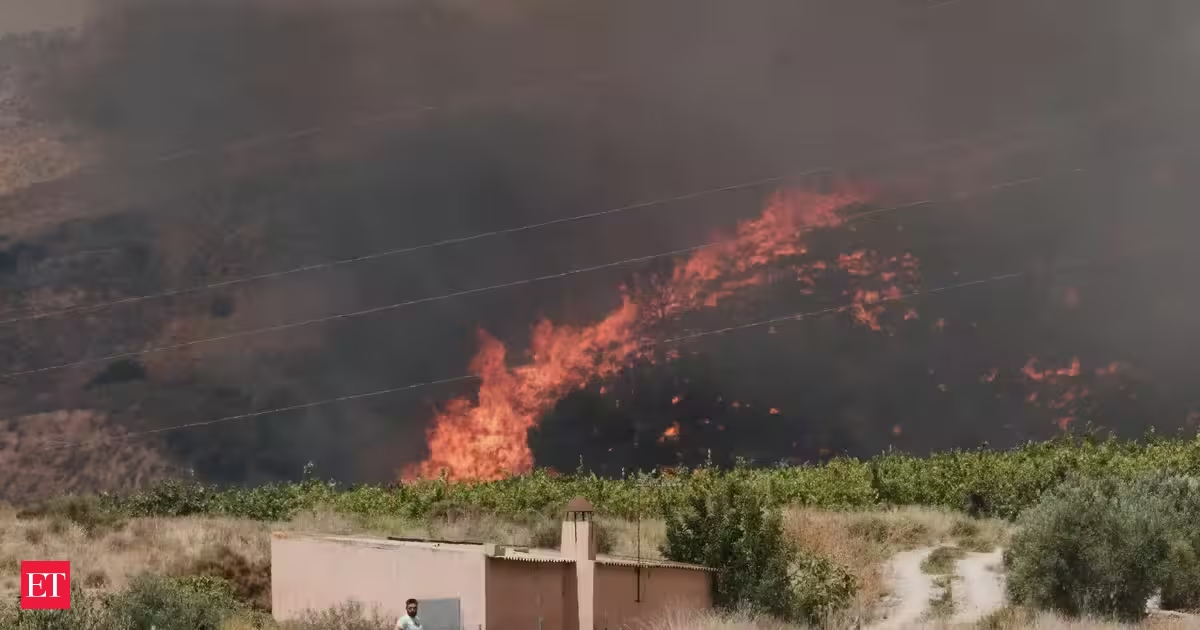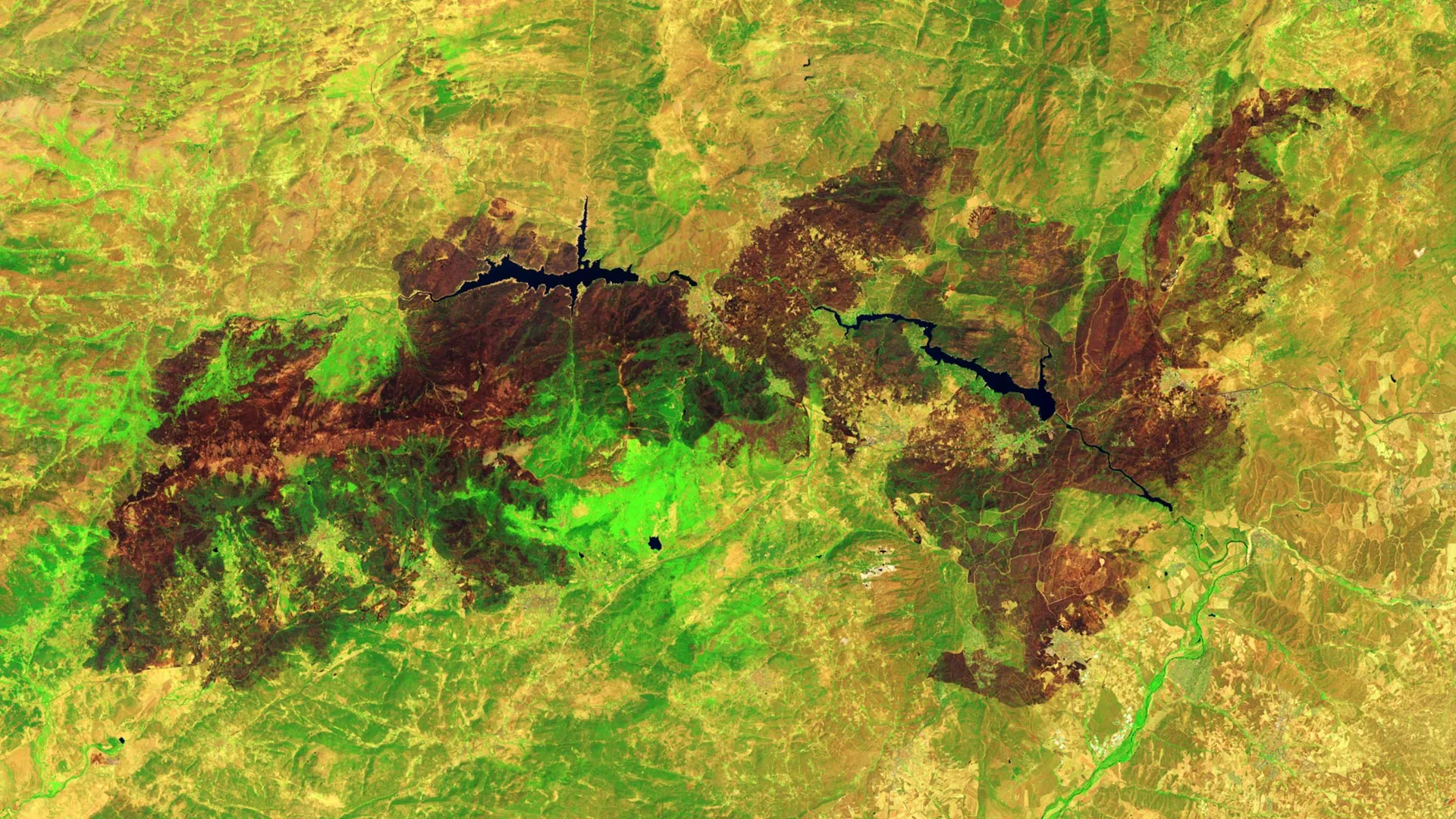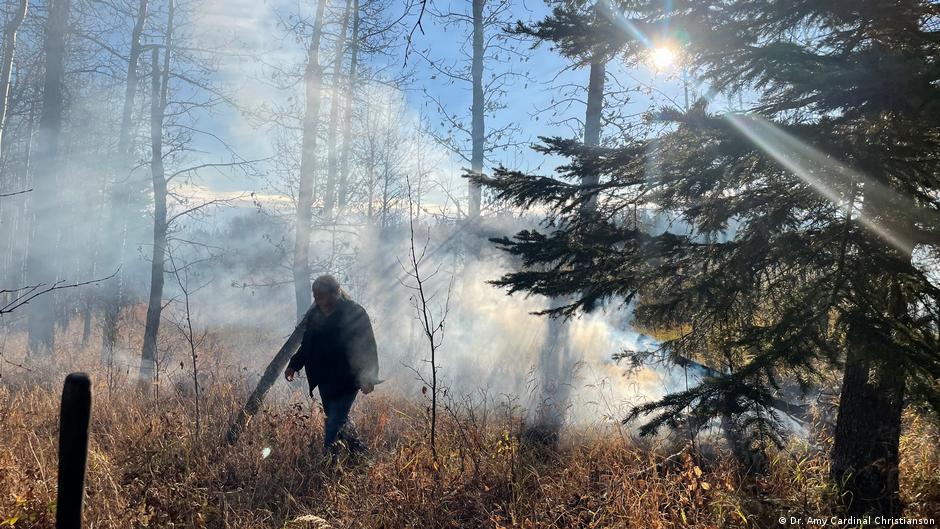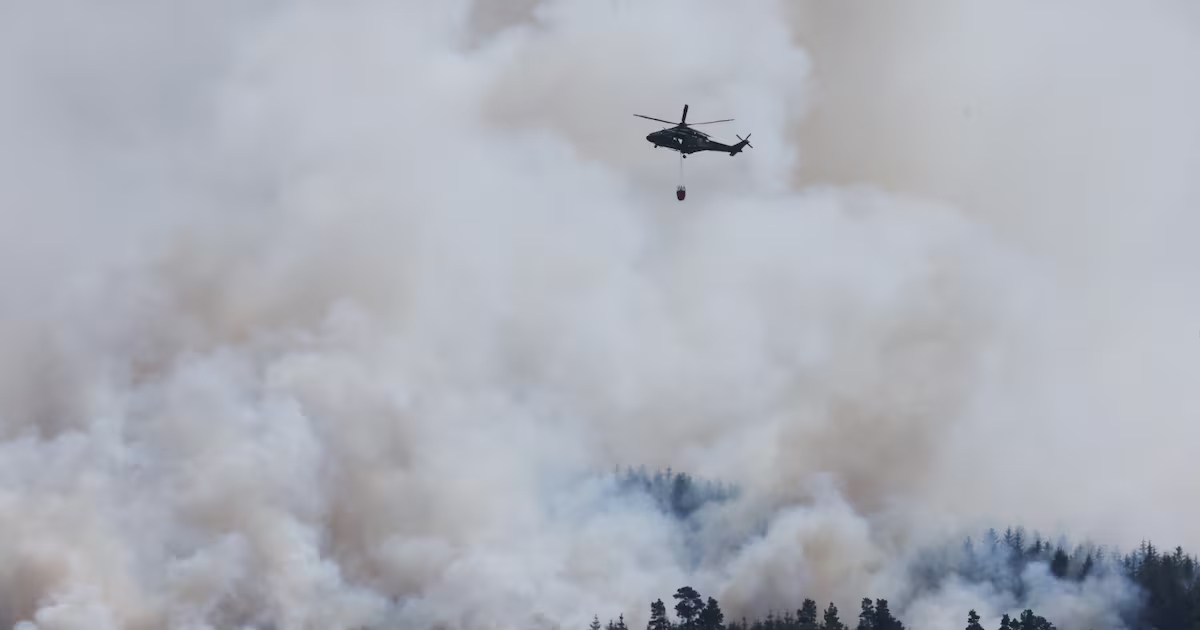
2026 is shaping up to be an exceptional year for unplanned wildfires, with hundreds of thousands of hectares burned. According to the European Forest Fires Information Service, 2025 was the worst year on record for burned land area, but France has already had six times more land burned in 2026 as the average for this time of year.A fire needs three things: heat, fuel and oxygen. While unplanned and uncontrolled wildfires occur naturally in forests, grasslands and shrub lands, human actions are boosting all three components of the “fire triangle”. To live within the new and riskier fire landscape that is emerging throughout Europe, including here in Ireland, we need to understand how heat, fuel and oxygen are changing in our landscapes.Climate change is increasing the likelihood of hot, dry weather conditions. This provides heat and makes the fuel – dry vegetation – more combustible. Drainage of cooler, waterlogged land for agriculture increases land surface temperature and makes oxygen more available in the soil surface, causing even peatlands to burn if they get dry enough. Reduction of greenhouse gas emissions is the most important action we can take to reduce wildfire risk. The May heatwave in Ireland was attributed to human-caused climate change by the WASITUS project. As temperatures increase, climate change projections point to increased wildfire risk.Fire influences most land-based ecosystems on Earth. Ecosystems have evolved with the fire regimes they have been exposed to and that they help to shape. Fire has been a critical part of human evolution too, as people learned to exploit wildfires and then to control them. While humans have had the ability to control fires for over 400,000 years, recent wildfires have clearly shown that 400,000 years of practice does not mean that we have learned how to live well with fire.Some ecosystems burn hotter and more frequently than others, with the repeated occurrence of fire over time termed a “fire regime”. Historically, natural ecosystems, even somewhere as wet as Ireland, are not immune to burning; however, the frequency of wildfires has increased with human activity, and large scale planned fires are purposefully set by people for clearing land for agriculture, reducing unplanned fire risk and even as a conservation tool for maintaining fire-adapted habitats. In Ireland, changes in the climate, together with changes to natural ecosystems, mean that we can no longer rely on naturally fire-resistant ecosystems to protect us. The near obliteration of natural native forests, drainage and exploitation of extensive peatlands, a forestry system that is overly reliant on a single fire-sensitive species (Sitka spruce) and widespread agriculture and human settlement have utterly changed how Irish ecosystems respond to fire. We need to understand contemporary fire risk in the landscape and identify strategies for managing fire to protect people and their assets – and the natural ecosystems we rely on for regulating the climate, providing food and protecting our physical and mental health. No single fire regime or strategy will be sufficient to achieve these sometimes-competing objectives. The search for a fire management “silver bullet” is therefore doomed to failure. Instead, we need to think about how a mosaic of fire management strategies might be planned in the landscape for different purposes and how they may need to change through time. [ Greek firefighters battle deadly wildfires on Crete for a second dayOpens in new window ]Strategies for living with fire can be broadly grouped into suppression, fuel removal and adaptation of land use. All three strategies require not just a better biophysical understanding of how the climate and nature interact to shape fire risk, but also how social systems shape risk and our response. Fire suppression is the dominant strategy in Ireland. This involves the reduction of ignition sources (eg campfire and barbecue bans, prevention of agricultural land burning) and fighting fires when they start. When combined with the protection or restoration of fire-resistant ecosystems, including diverse native woodland or peatlands, suppression strategies can be effective. They can be made more effective through incentives to restore and rewet ecosystems together with prevention of risky and damaging land use and burning practices. Fuel removal strategies include grazing and controlled burning to remove above-ground dry vegetation that can feed a fire. Grazing is not appropriate for all ecosystems, as it can prevent tree regeneration and erode and degrade peatlands, but it could be used strategically to manage fuel in semi-natural grasslands. It may seem counterintuitive to use fire to manage wildfire risk, but controlled burning is extensively used elsewhere to prevent the build-up of fuel in ecosystems. Controlled burning can be used to either reduce overall fire risk or ensure that any unplanned fires that do occur will be reduced in intensity, extent or both, promoting a fast, “cool” burn with reduced risk to people and nature. However, controlled burning is technically difficult and depends on having the right weather and fuel conditions at the time that fuel reduction is needed. Many Irish ecosystems naturally have reduced fuel loads due to the rapid decomposition of dead vegetation in warm, wet conditions.Any change to the fire regime, whether it is suppression or fuel reduction, will benefit some species more than others. Species that can either resist fire, through adaptations such as thick protective bark or burrowing behaviour, or that can recover quickly after a fire through adaptations such as seed germination being stimulated by fire, may do well. Species that are damaged by fire, and that cannot recover quickly enough in the period between fires, will be selected out of the ecosystem. This means that changing the fire regime will change the species that make up that ecosystem and, therefore, the services that the ecosystem provides. As climate and land use change put additional pressures on ecosystems, it is important to promote landscape diversity. This gives species the opportunity to move to a habitat or management regime that is better suited to their ability to tolerate fire. Part of that landscape diversity will be how we decide to manage fire. Our adaptation response will also involve making decisions around where and how we build to minimise the risk to people, property and infrastructure. Fire risk is projected to keep increasing with climate change, and every sector of the economy and society needs to have a plan to assess and respond to increased fire risk.Yvonne Buckley is professor of zoology at Trinity College Dublin and co-director of the Co-Centre for Climate + Biodiversity + Water
Yvonne Buckley: 400,000 years of practice does not mean that we have learned how to manage fire
While wildfires occur naturally in forests, grasslands and shrub lands, human actions are boosting all three components of the ‘fire triangle’
1,072 words~5 min read