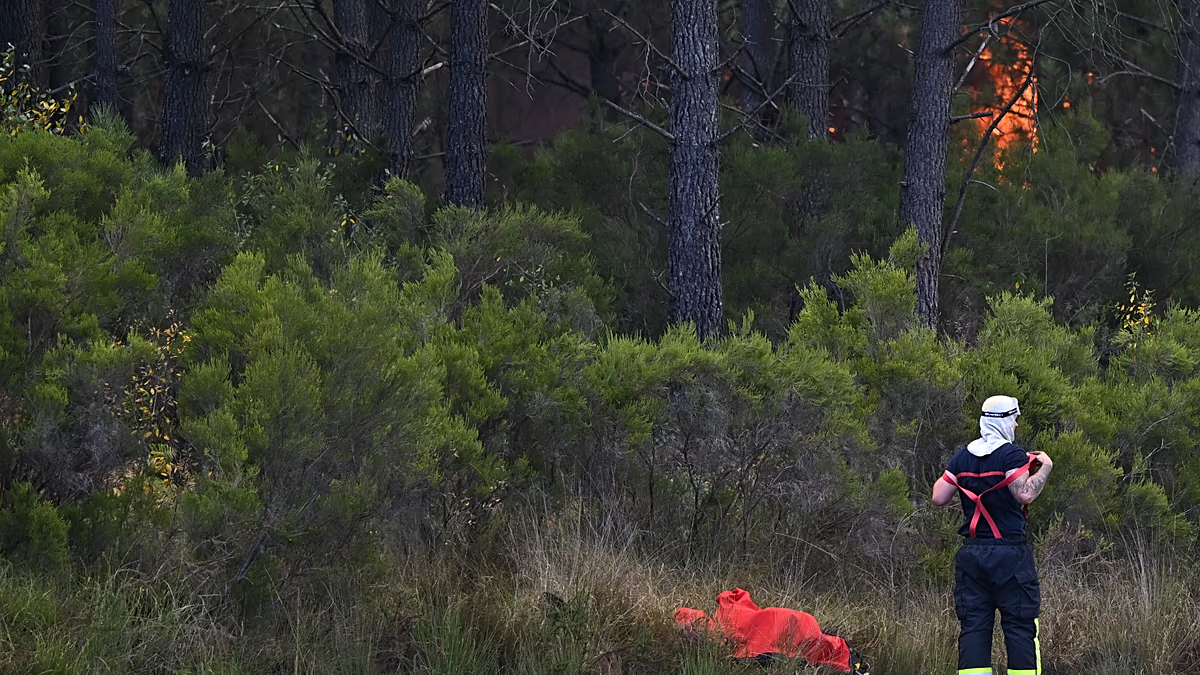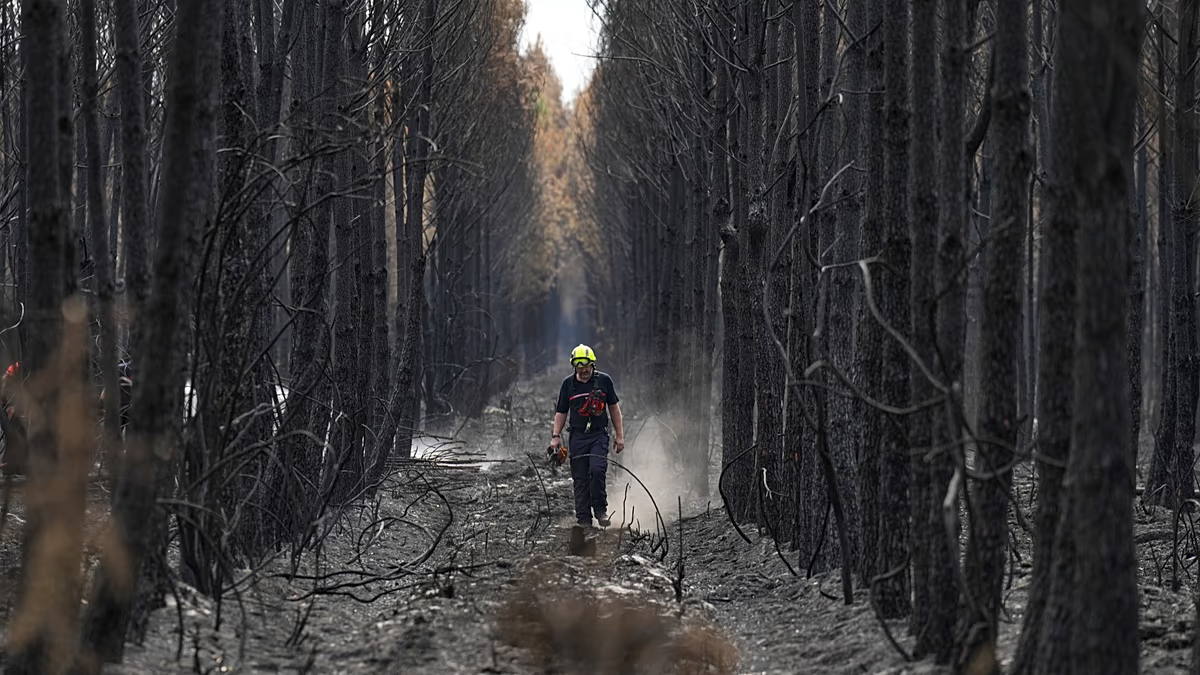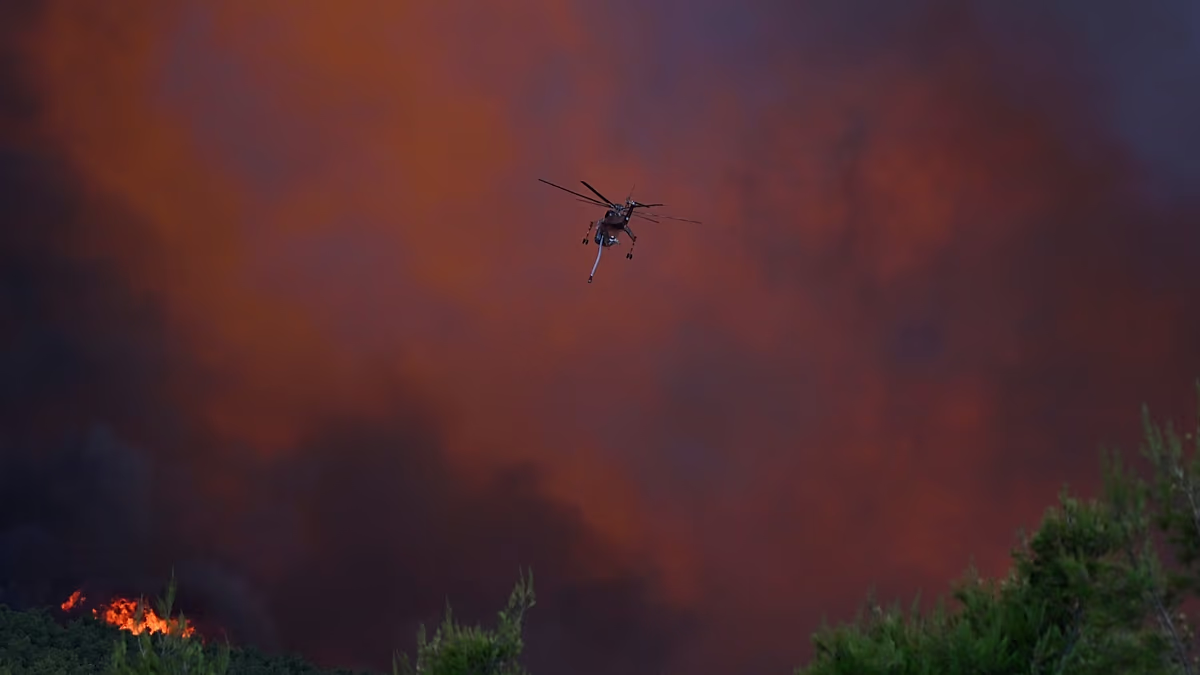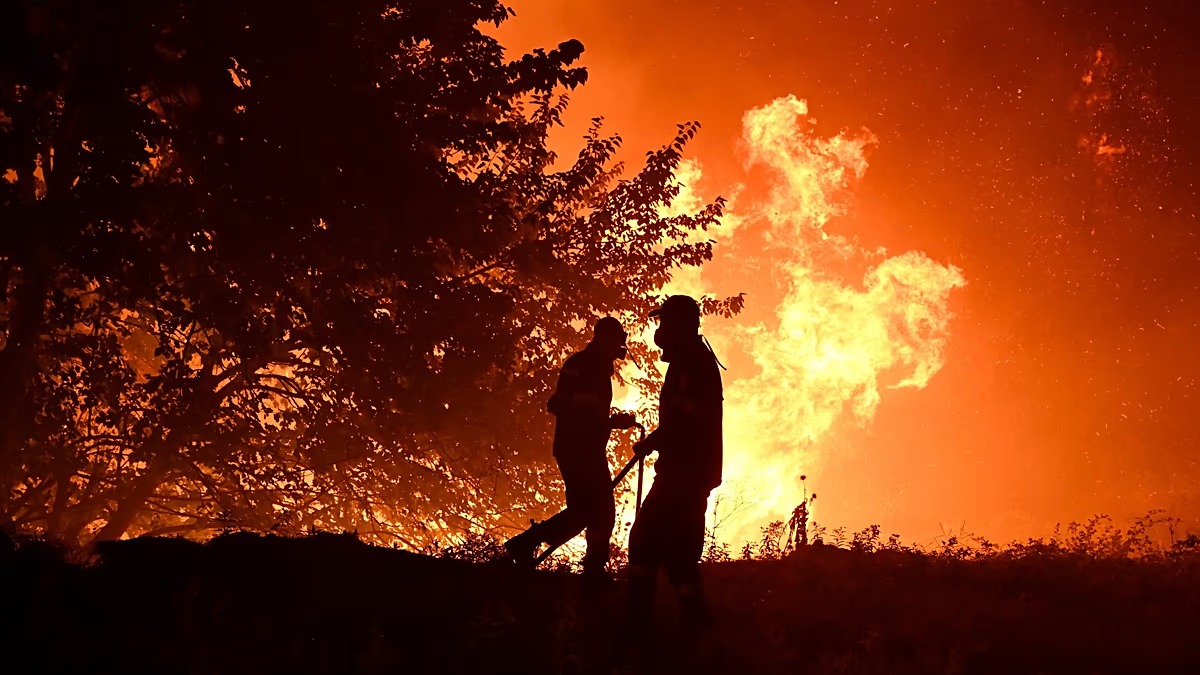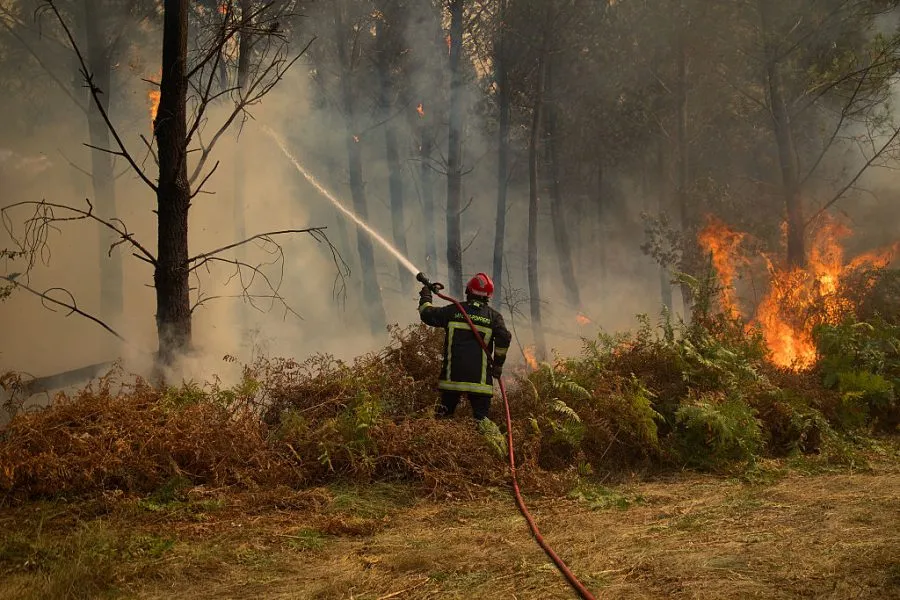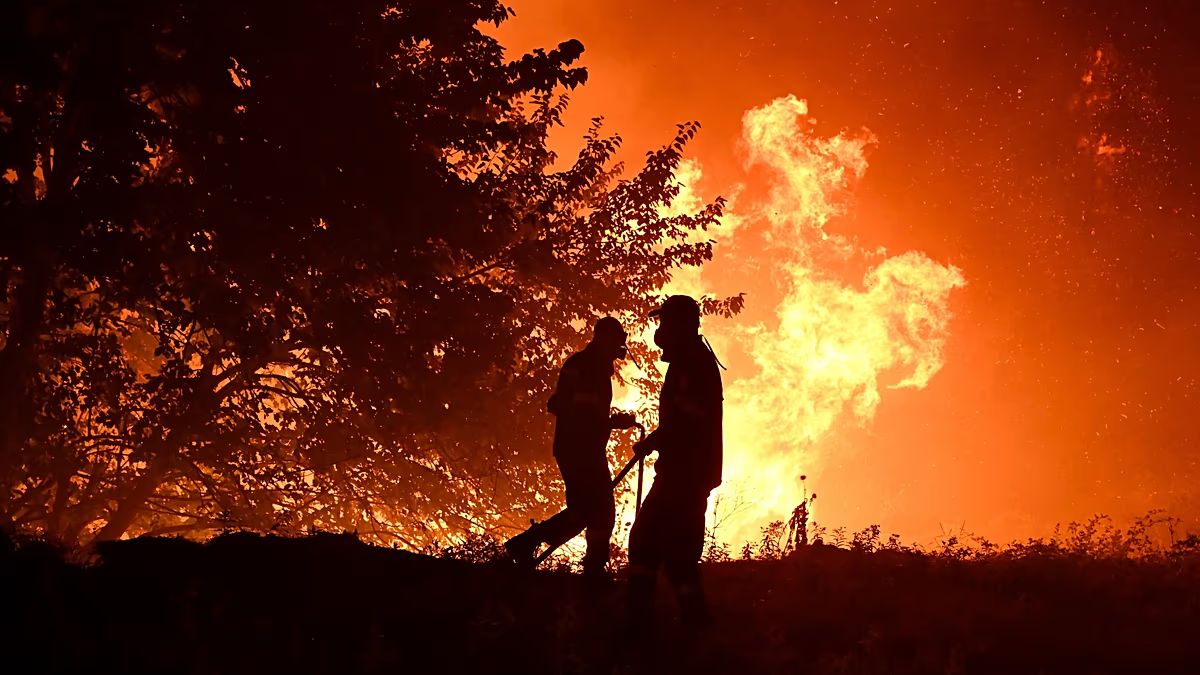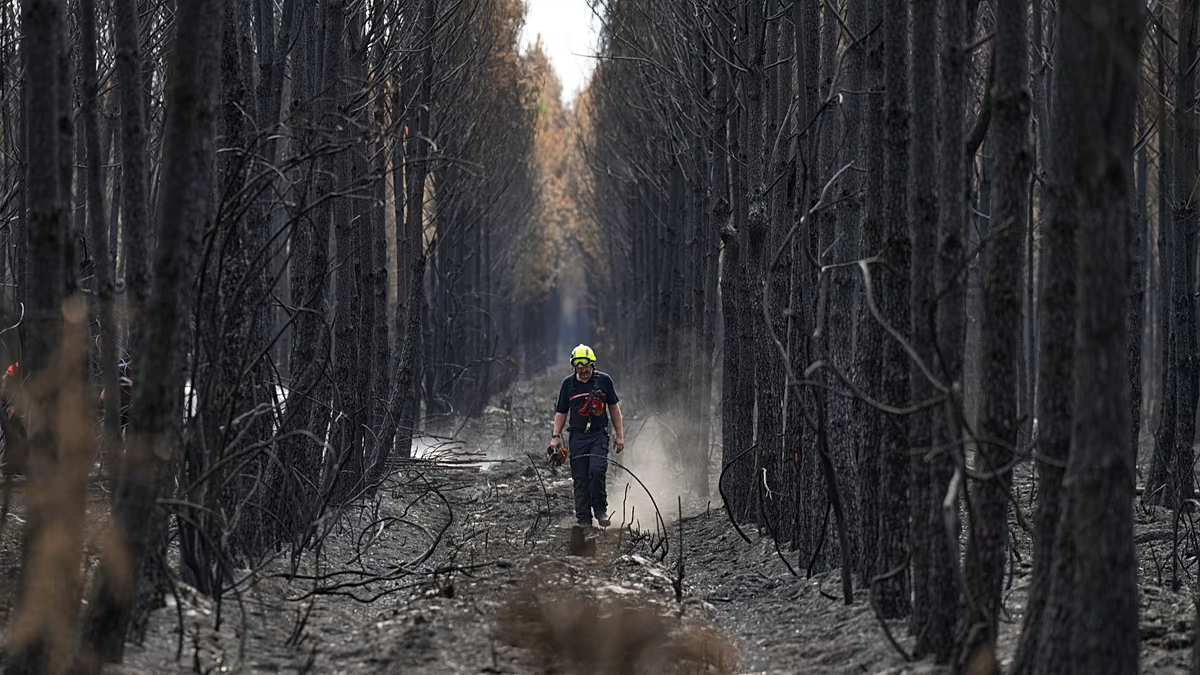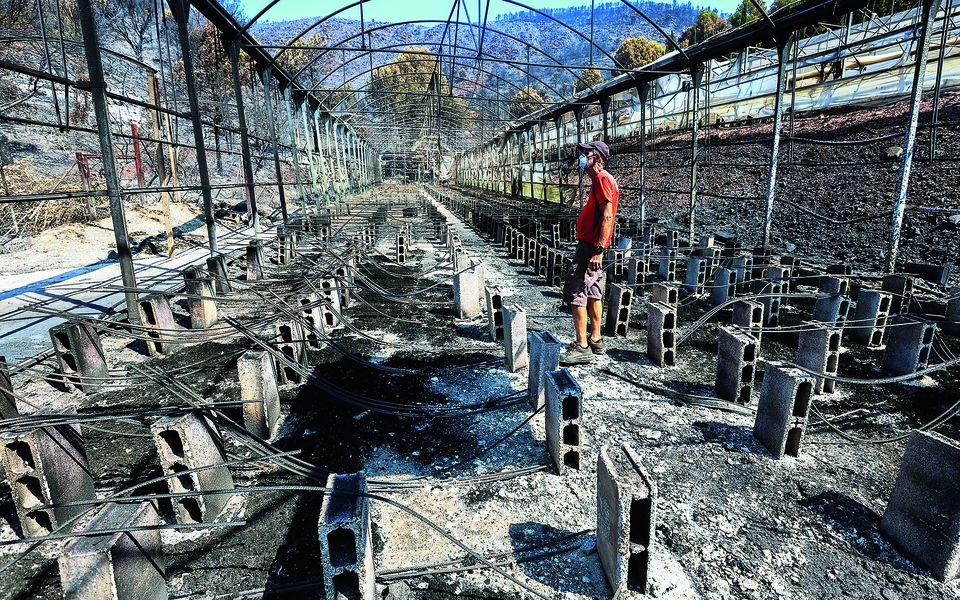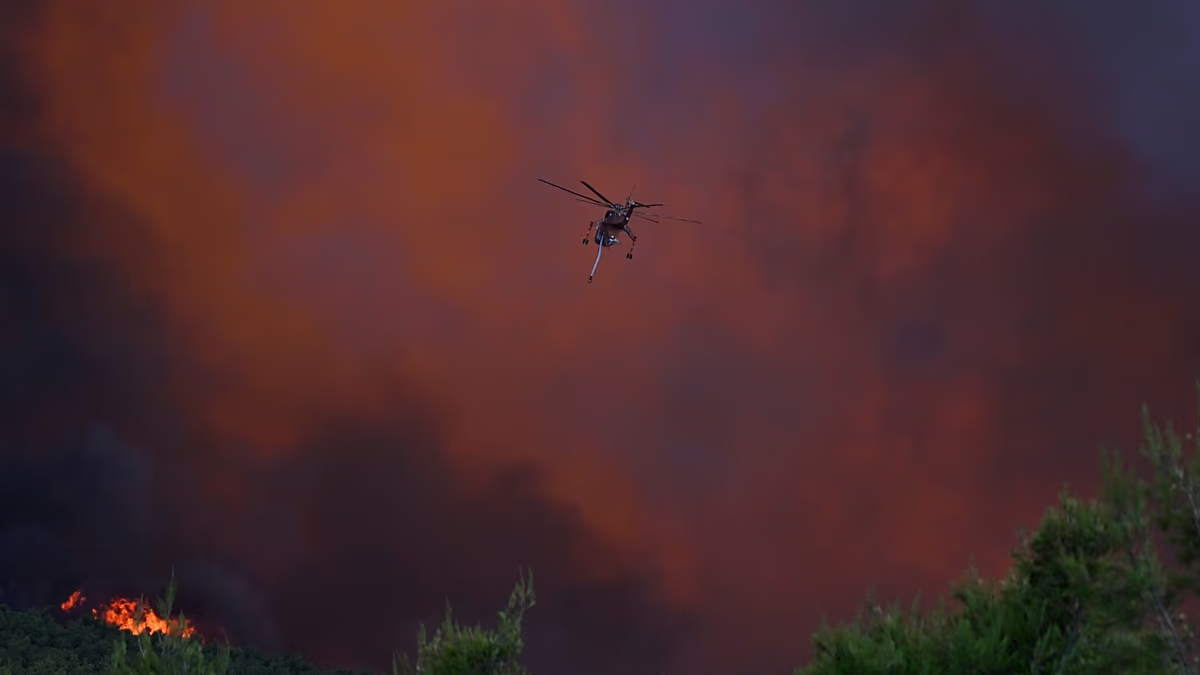
More than 434,976 hectares have burned across the EU so far, according to the July 30th data from the European Forest Fires Information System (EFFIS). In 2025, more than one million hectares burned, making it the worst wildfire season since records began.
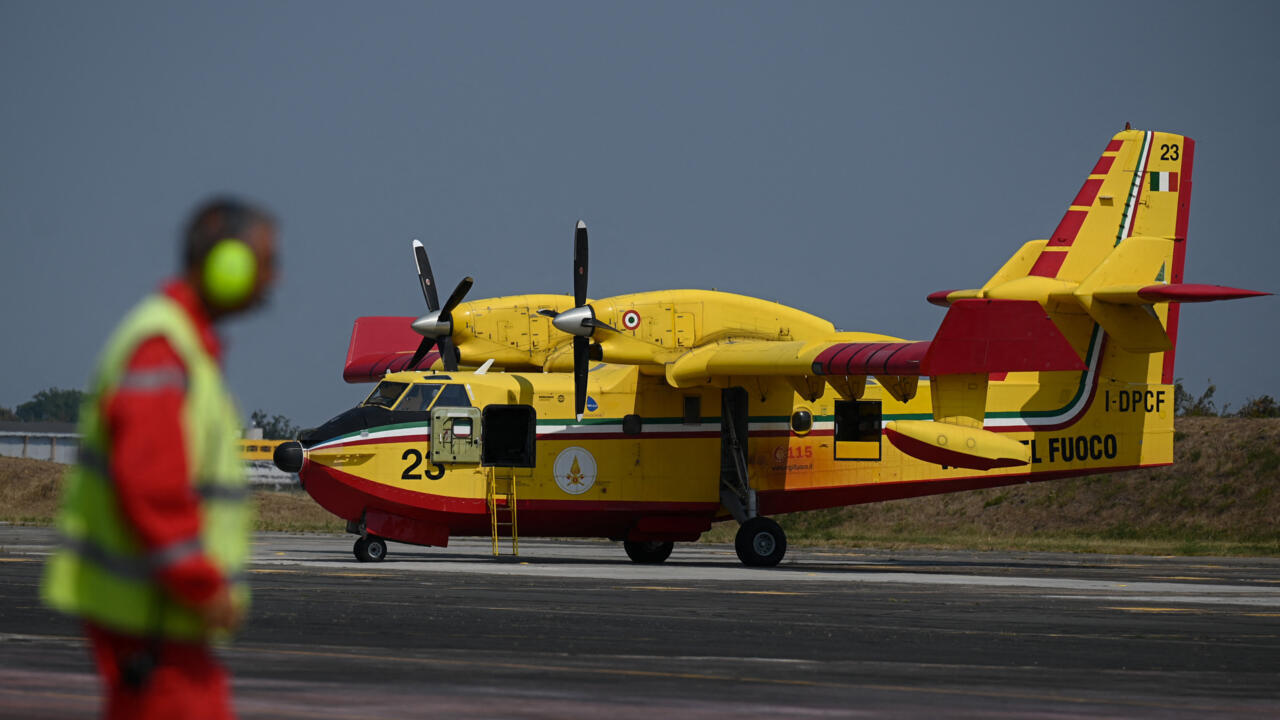
This is why Brussels decided to rewrite the rulebook on how Europe deals with fire. For decades, EU wildfire policy meant buying more planes, trucks, and firefighters. Now, the emphasis is shifting toward something more consequential: stopping fires from becoming catastrophic in the first place.
Why response alone was never going to work
The logic is simple, says Alexander Held, a forester at the European Forest Institute and the Pan-European Forest Risk Facility, who has spent 25 years working on fire policy across the continent. Once a fire starts under hot, dry, windy conditions, no number of aircraft or crews can guarantee control. "If you look at what's happening right now from Portugal to Spain to France to Greece to Turkey to Germany, we have simultaneous large fires," he says. These conditions overwhelm even the most experienced fire services.
Held's frustration is with where the money has historically gone. Despite two decades of EU declarations about resilience and prevention, funding has stayed skewed toward suppression, "because it is easier to invest in the response side," he says. "It's not as easy as buying a fire truck or a helicopter." He points to Portugal as the exception that proves the rule: it shifted roughly half its wildfire budget into land management and prevention rather than firefighting alone. His wish is a simple 50-50 rule, every euro spent on suppression matched by one spent on reducing risk before ignition.