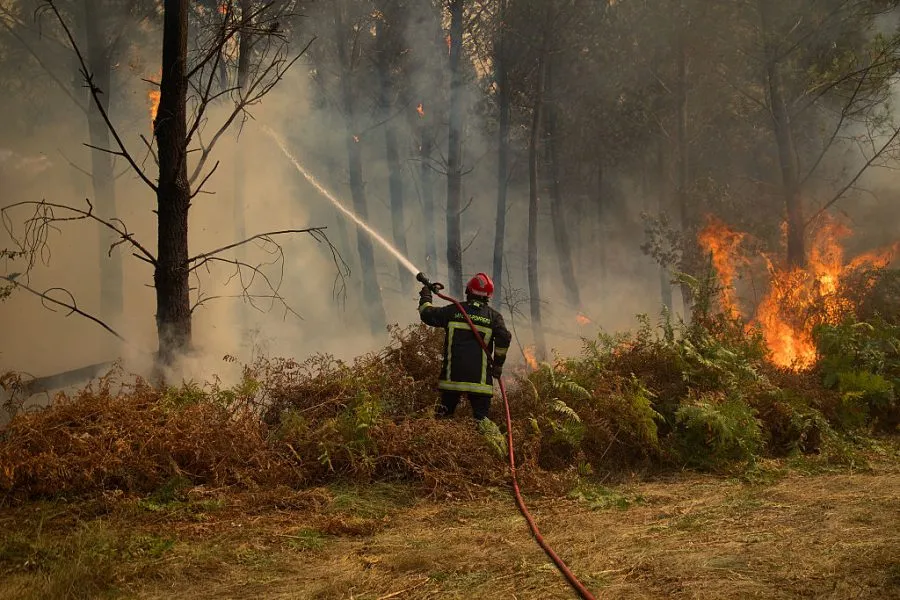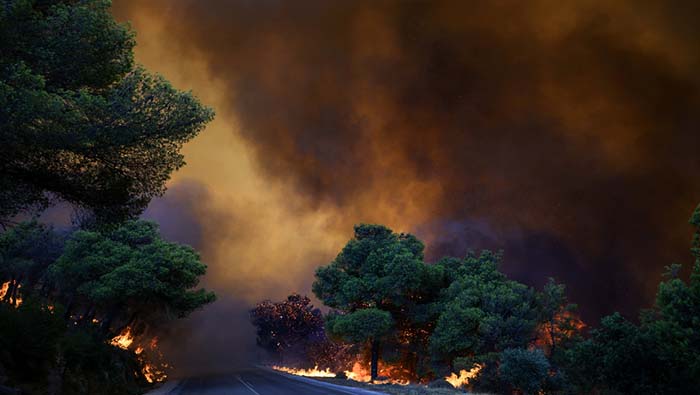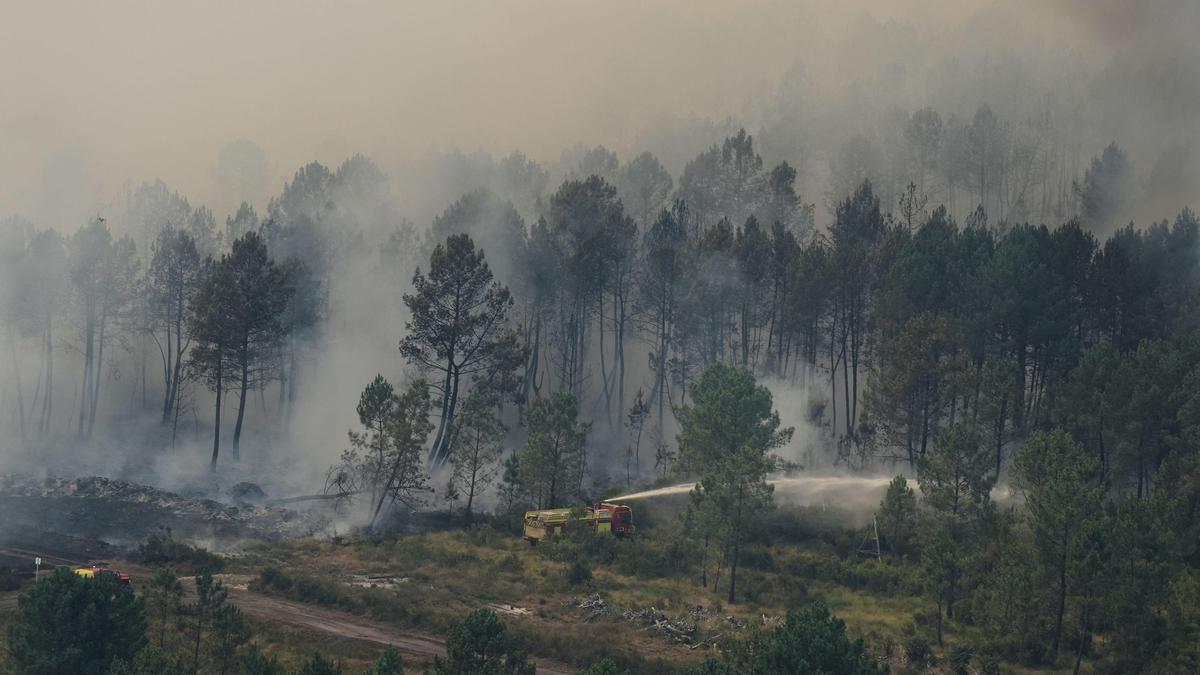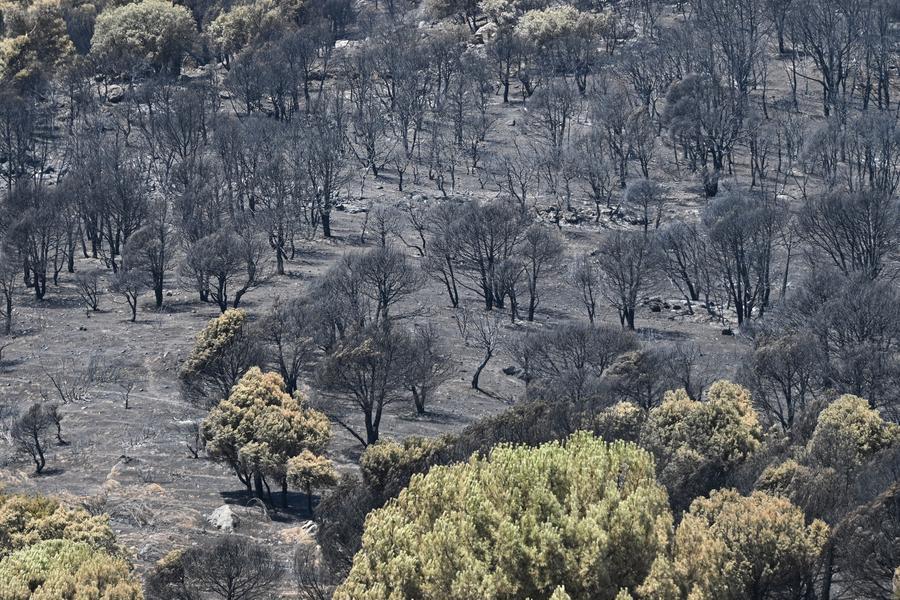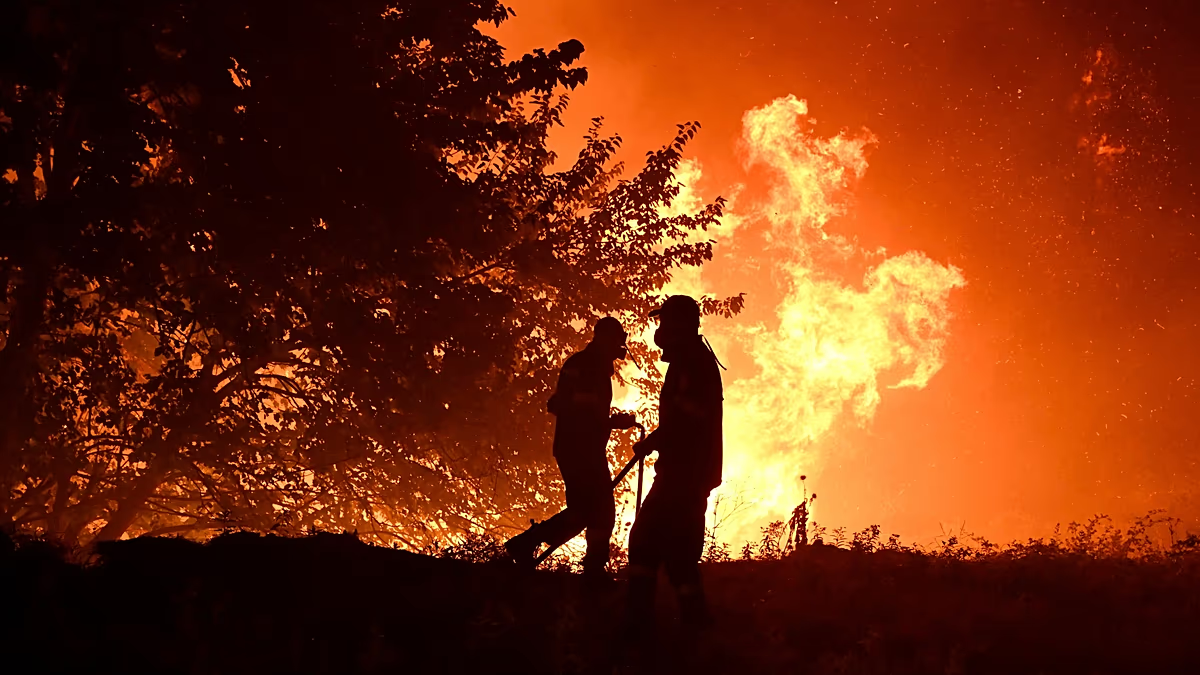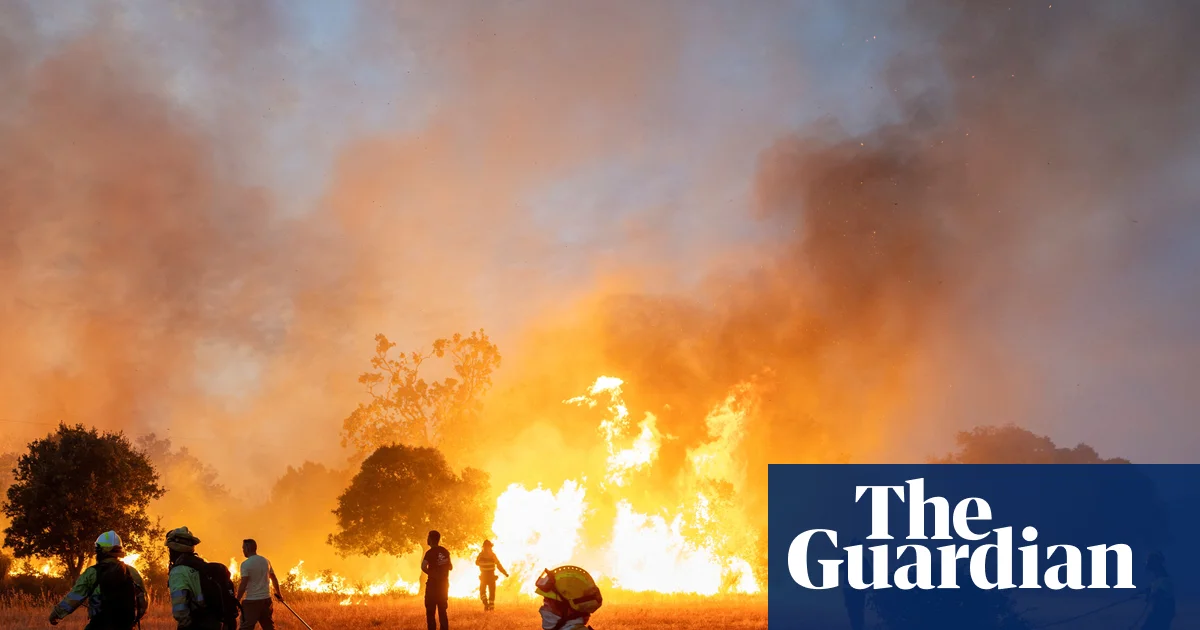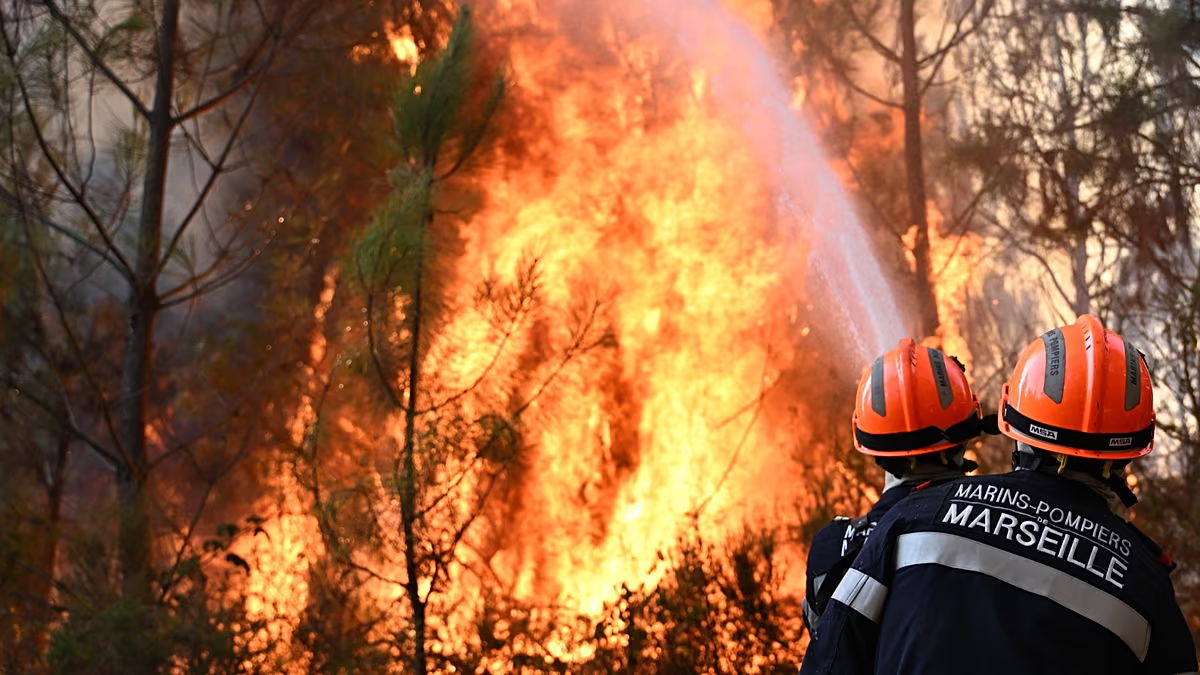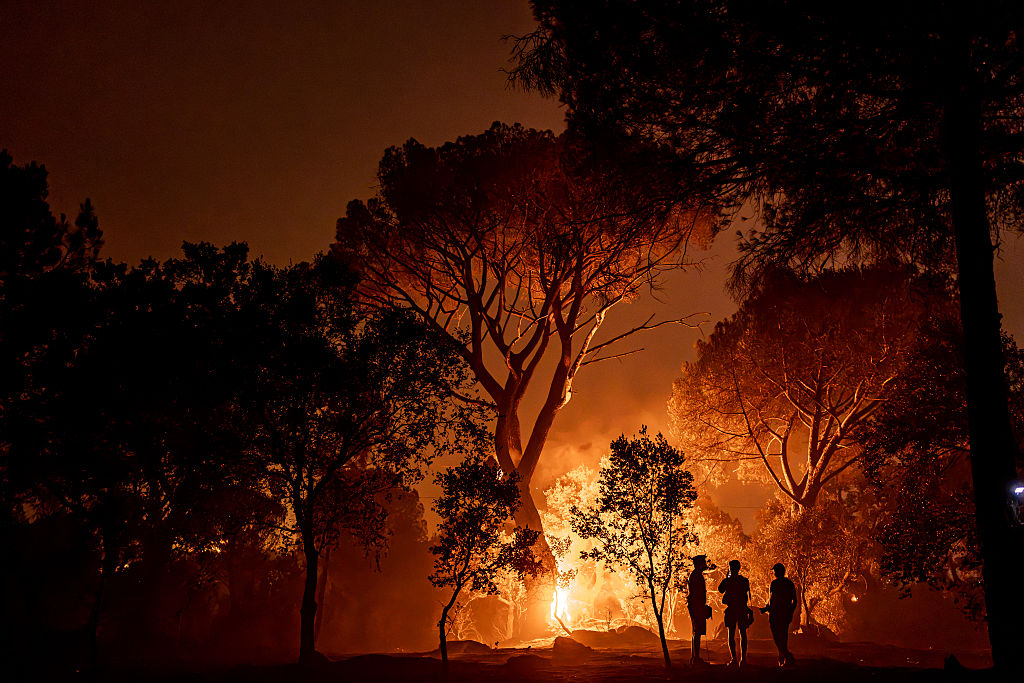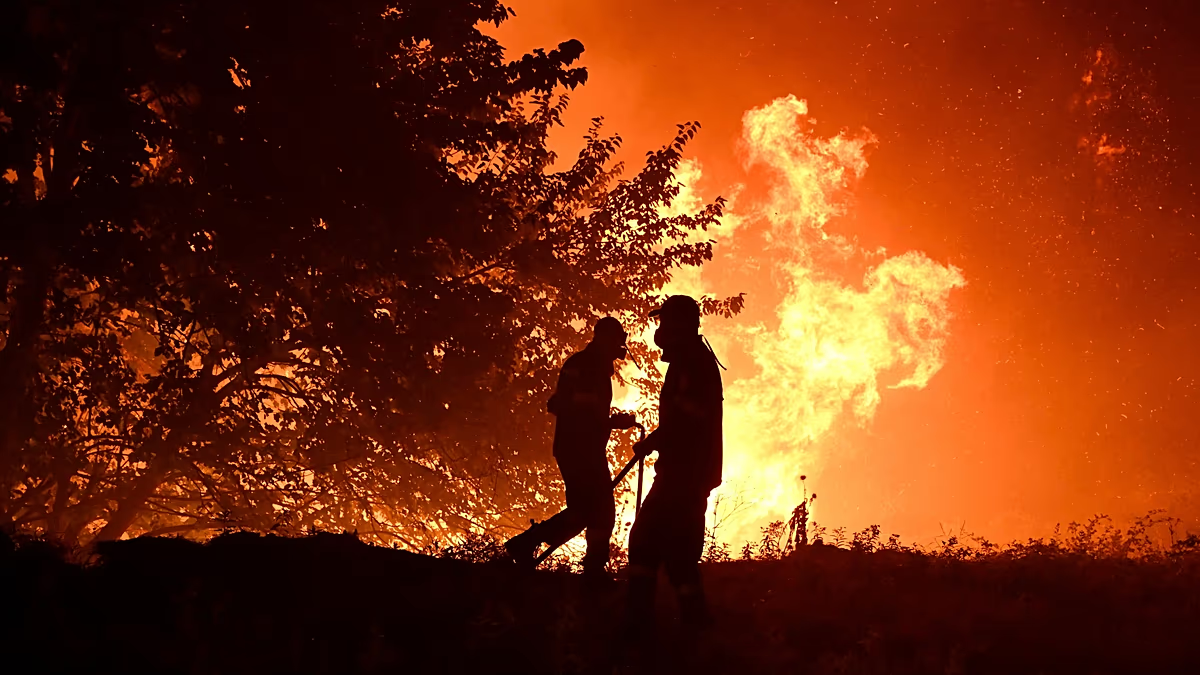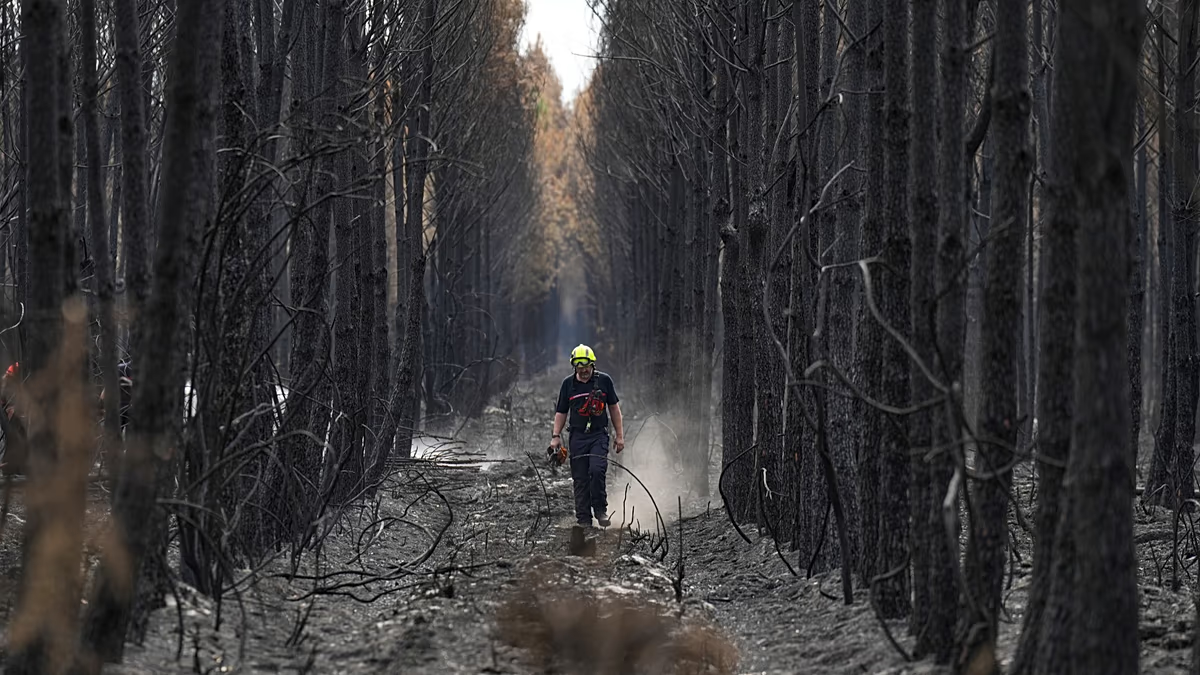
Europe is facing another summer of devastating wildfires. Data from the European Forest Fire Information System (EFFIS) on July 30 shows that more than 434.976 hectares have burned since the start of 2026. So far, 1.407 fires have been detected, releasing an estimated 17.98 million tonnes of CO₂.
"These fires are out of capacity," said a European Commission official, describing how wildfires were spreading faster than firefighting efforts could match.
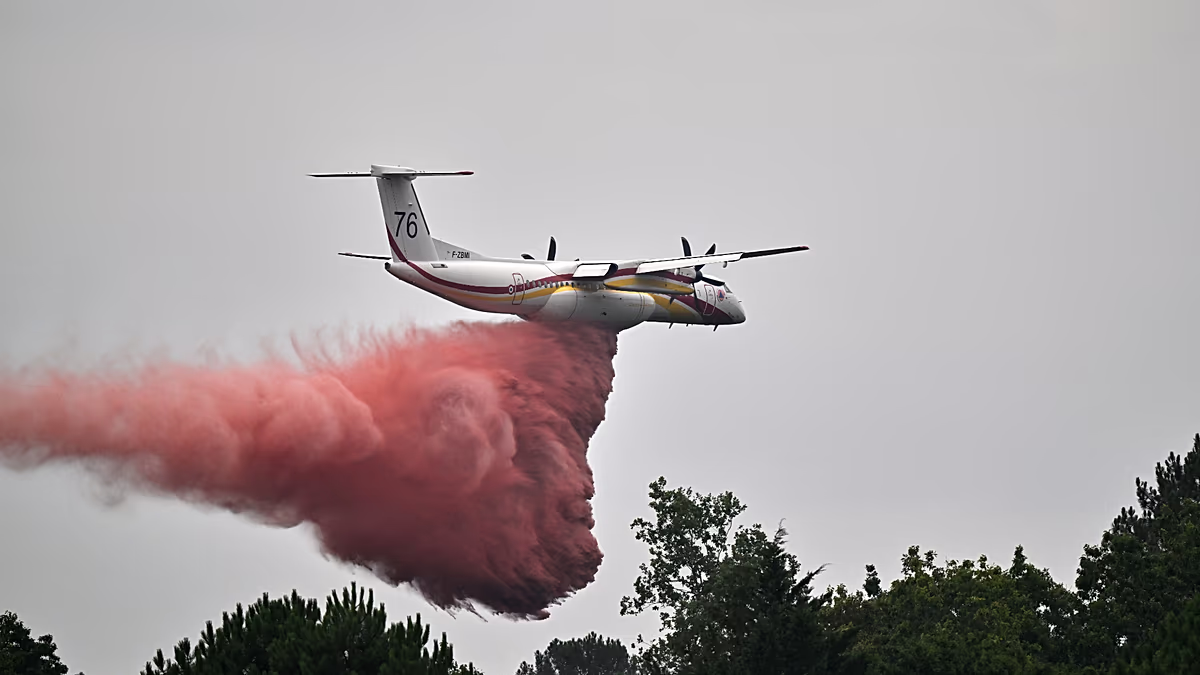
The EU has spent the last two years building what it calls a more serious, integrated wildfire strategy with new funding, a new fleet, a new Cyprus hub, and since March 2026, a new philosophy that puts prevention ahead of suppression. So, what exactly does the EU have, and is it holding up under this summer’s pressure?
The toolkit
At the centre of the system is the EU Civil Protection Mechanism, a solidarity framework that lets an overwhelmed country ask other member states for help. It does not activate automatically: a state must request assistance, usually once it determines a fire has outgrown its capacity.