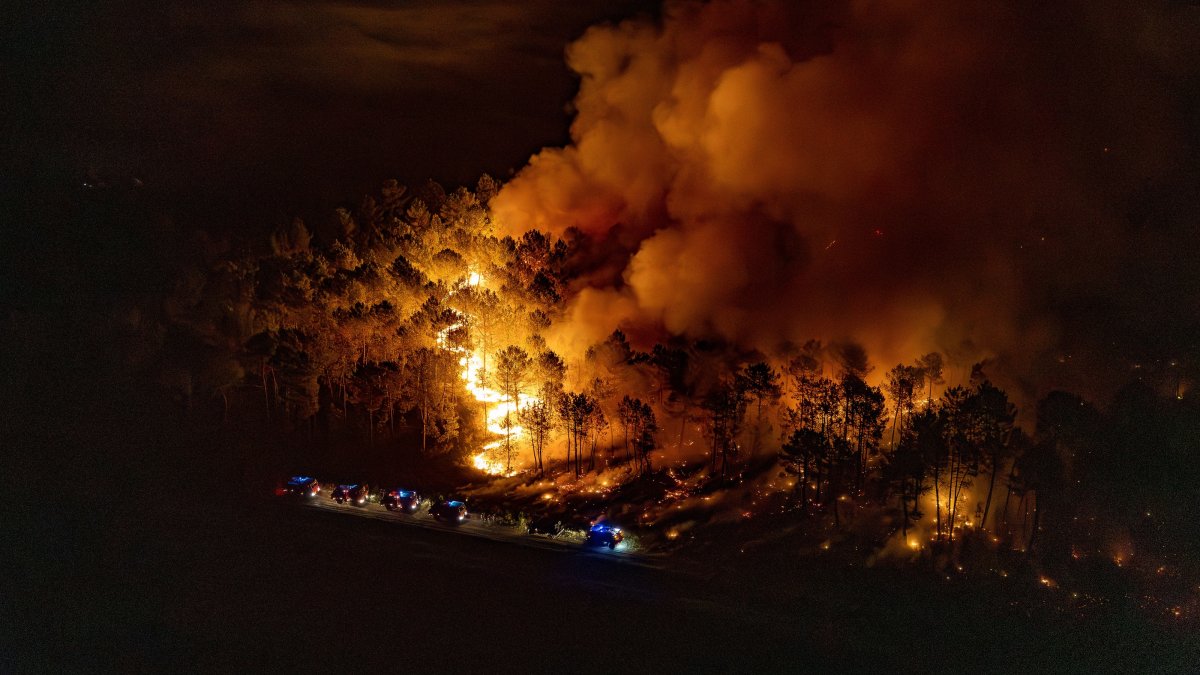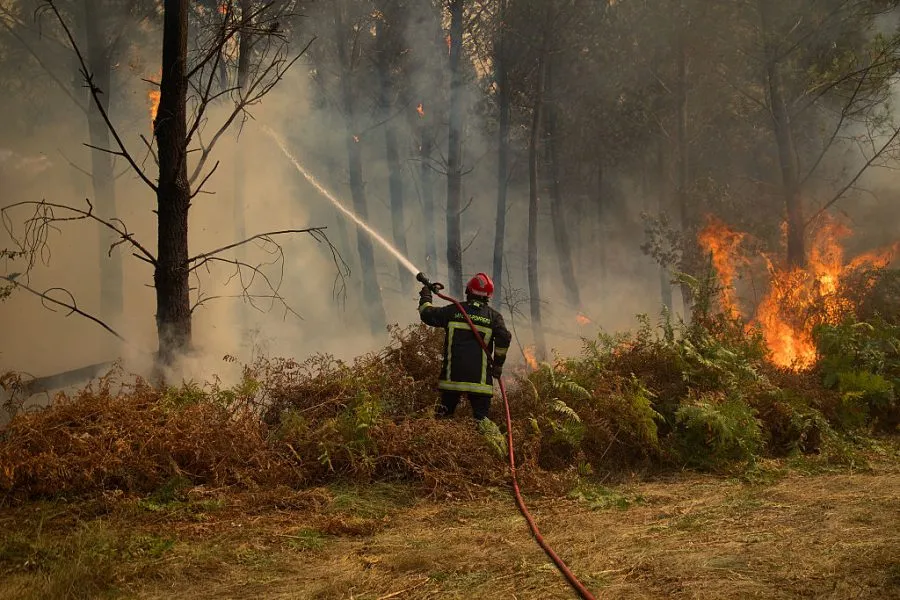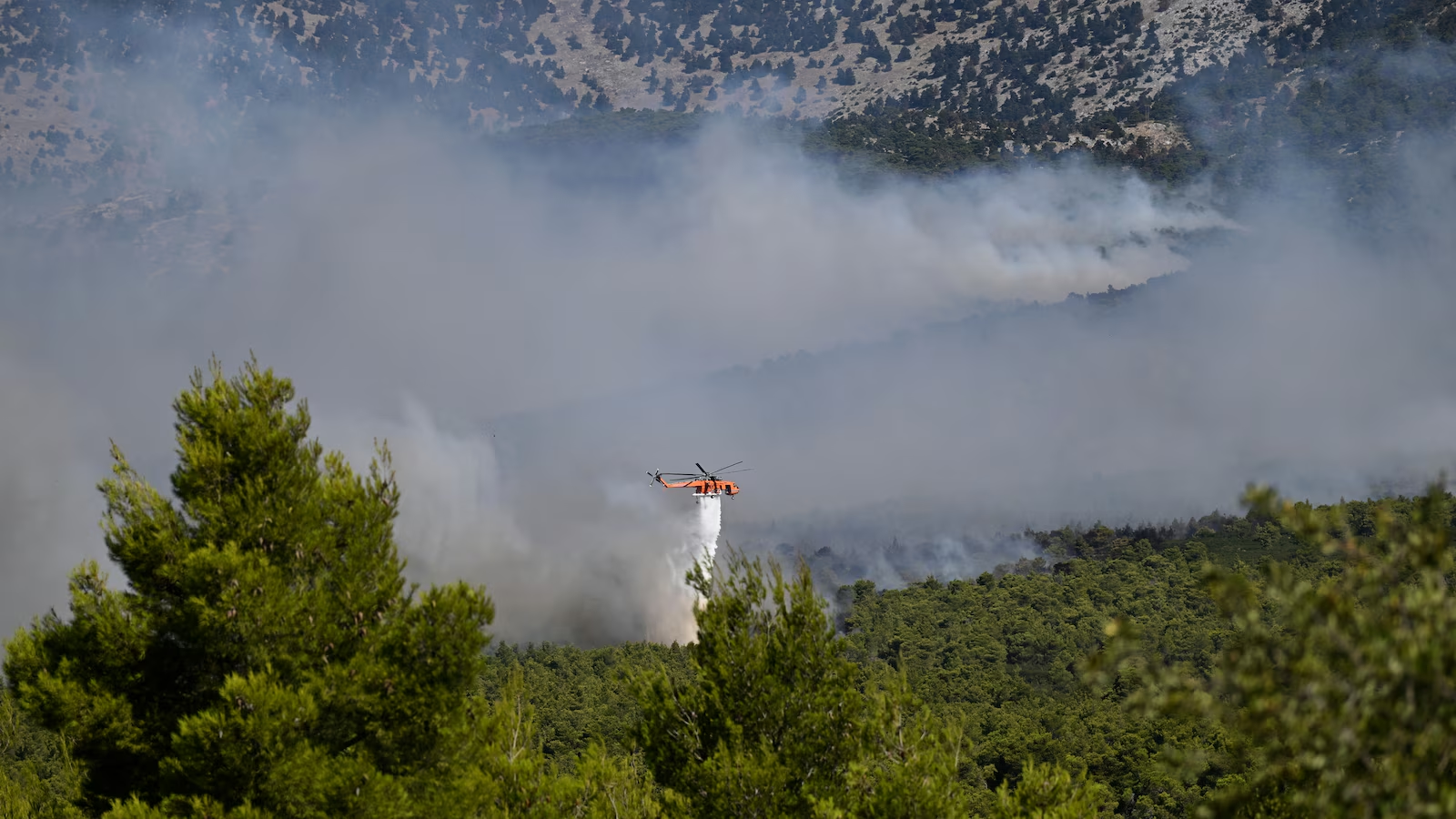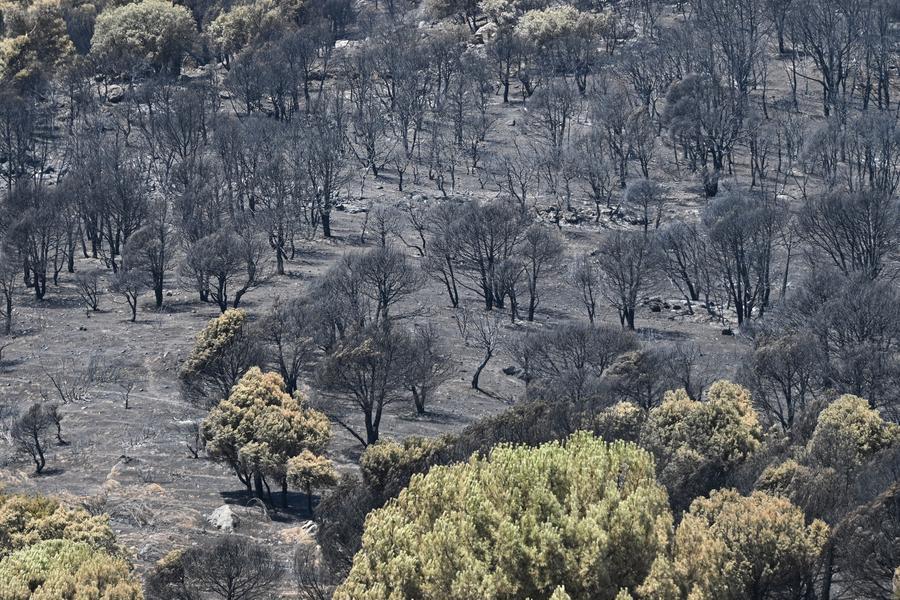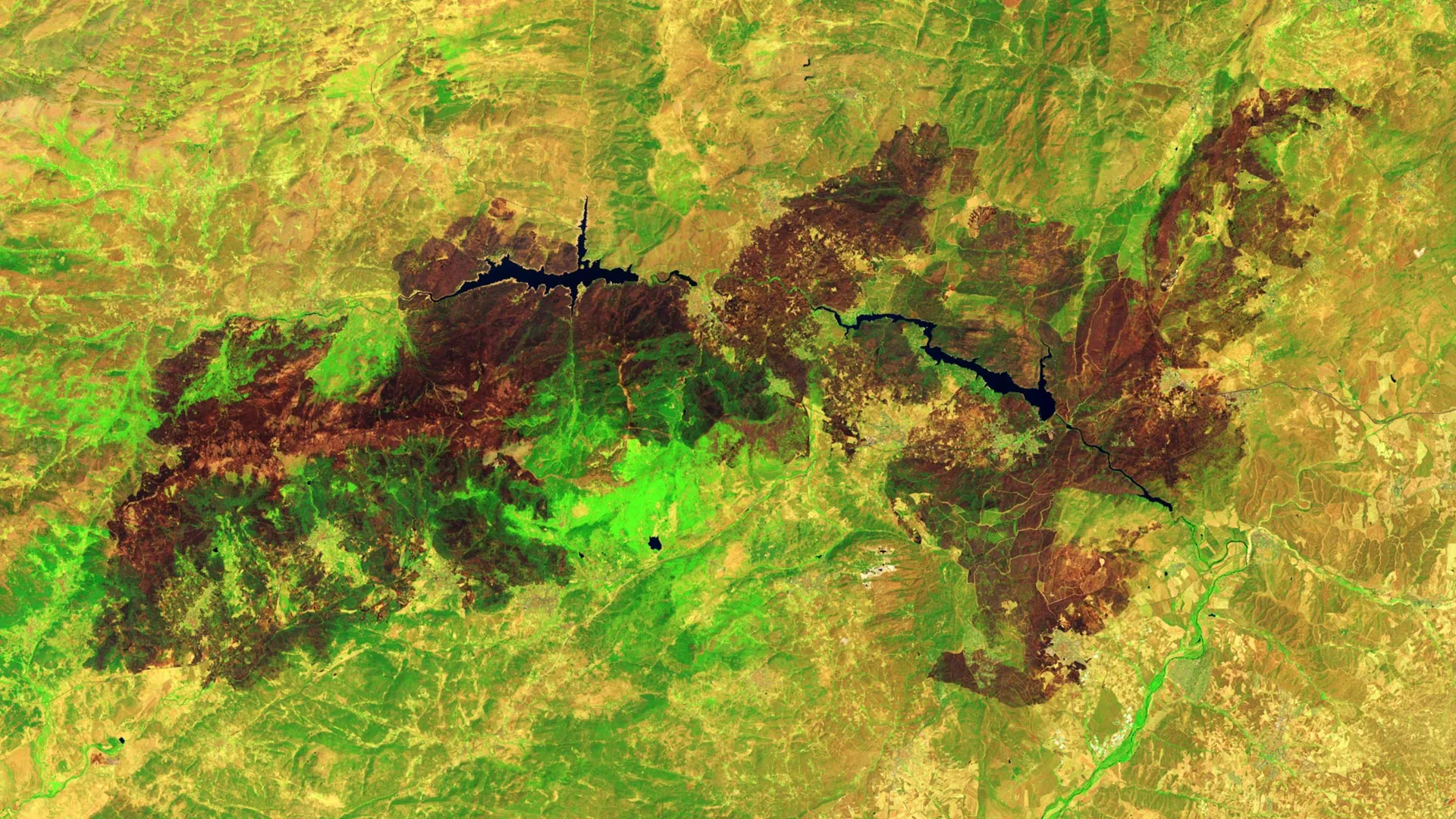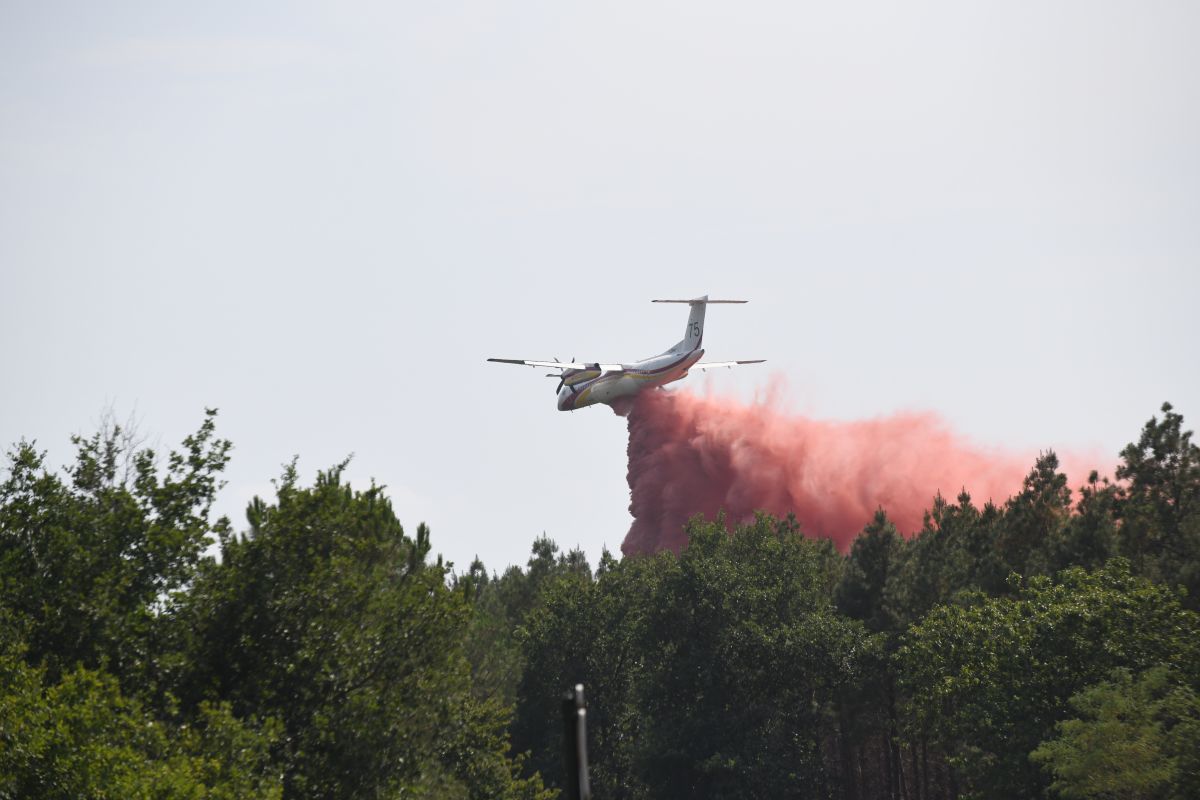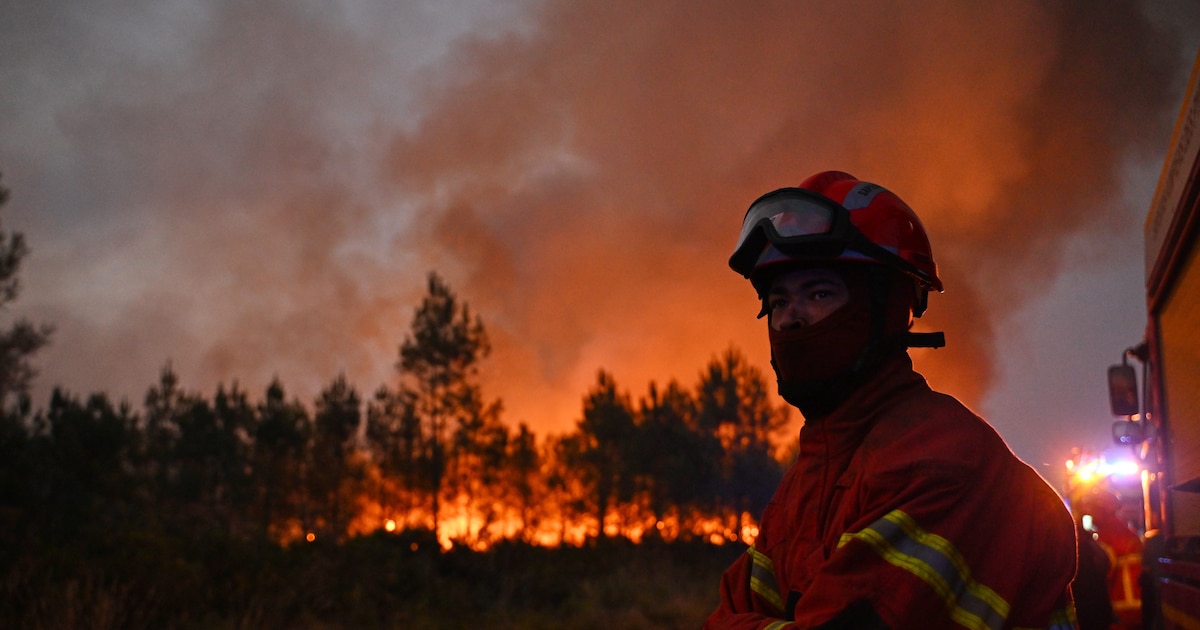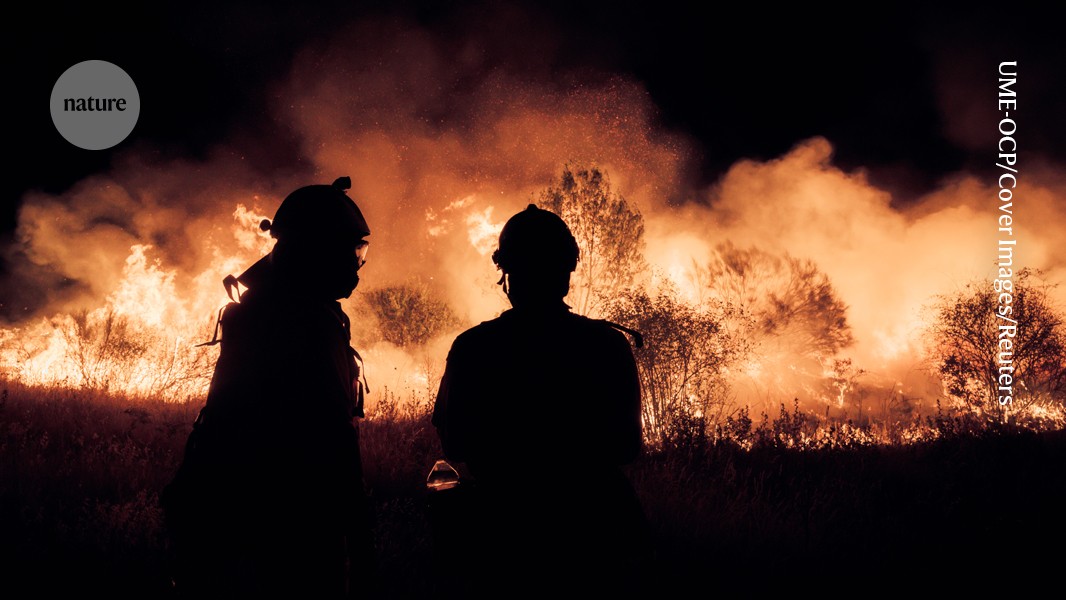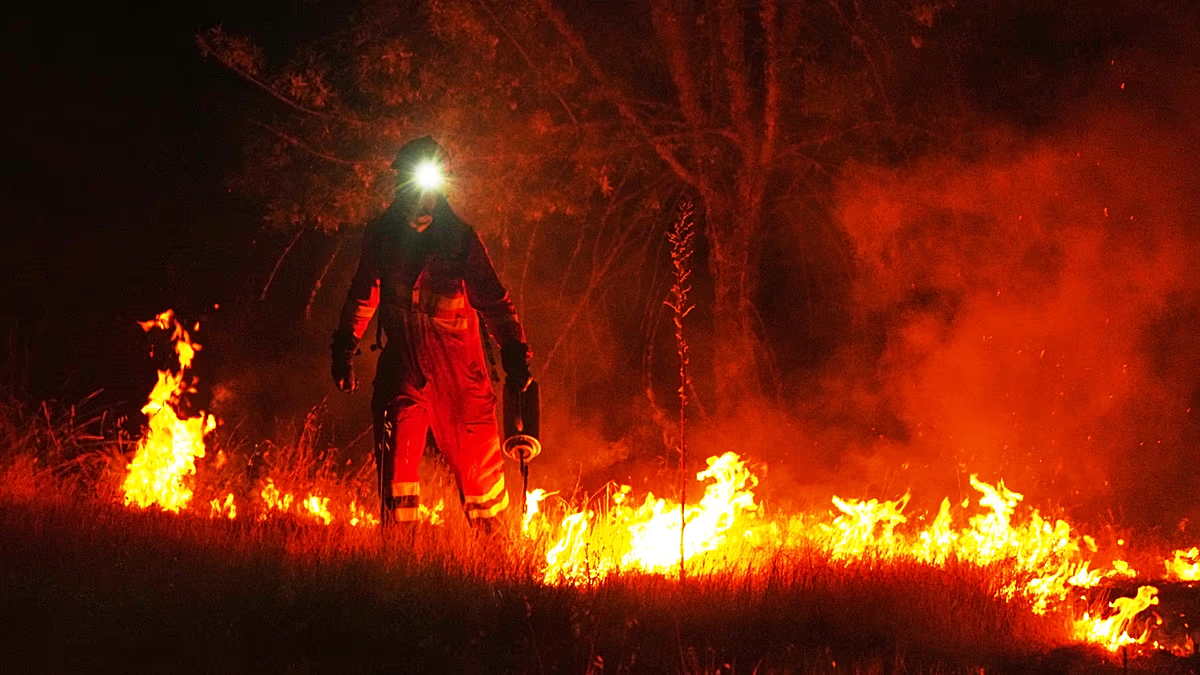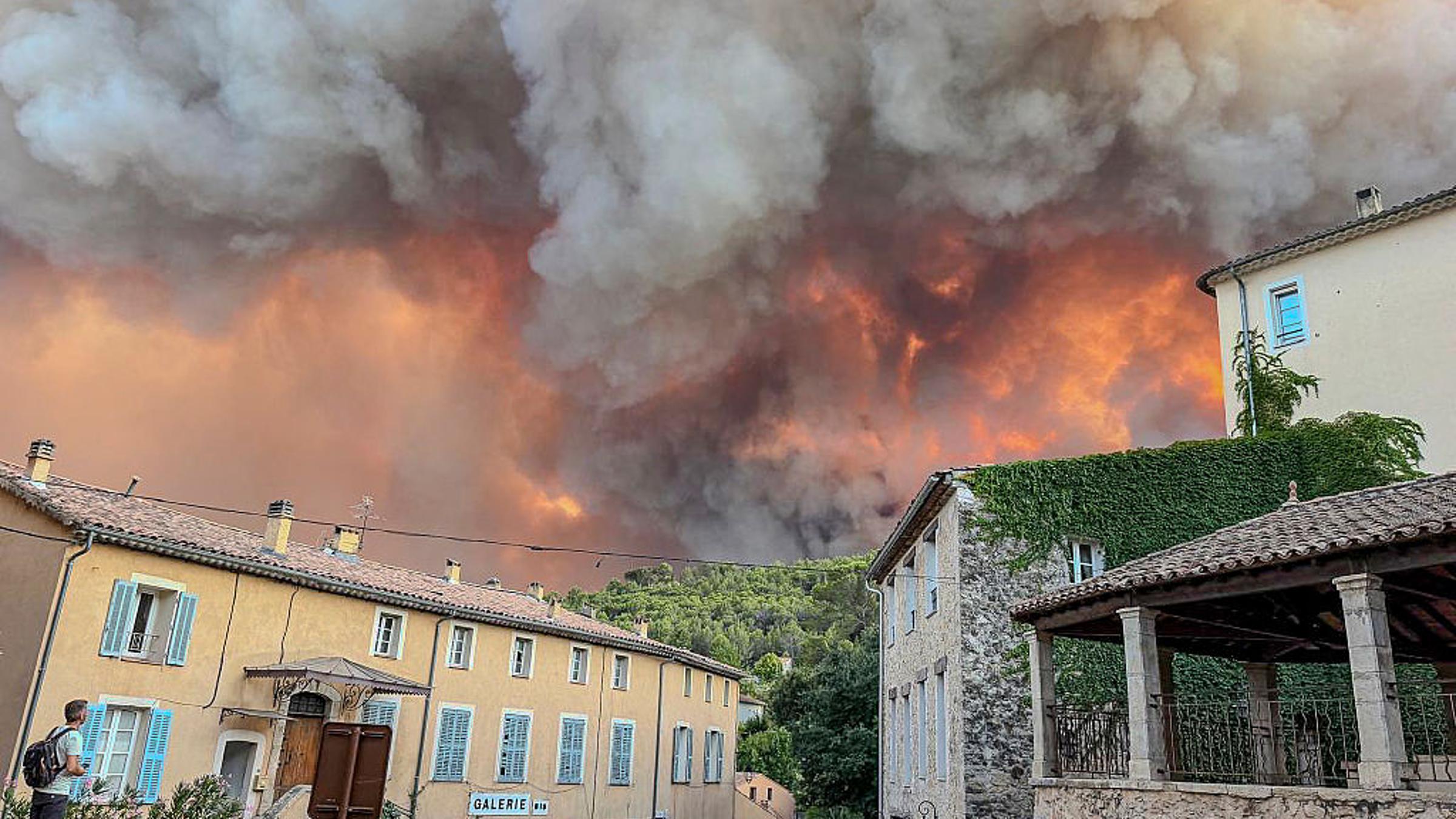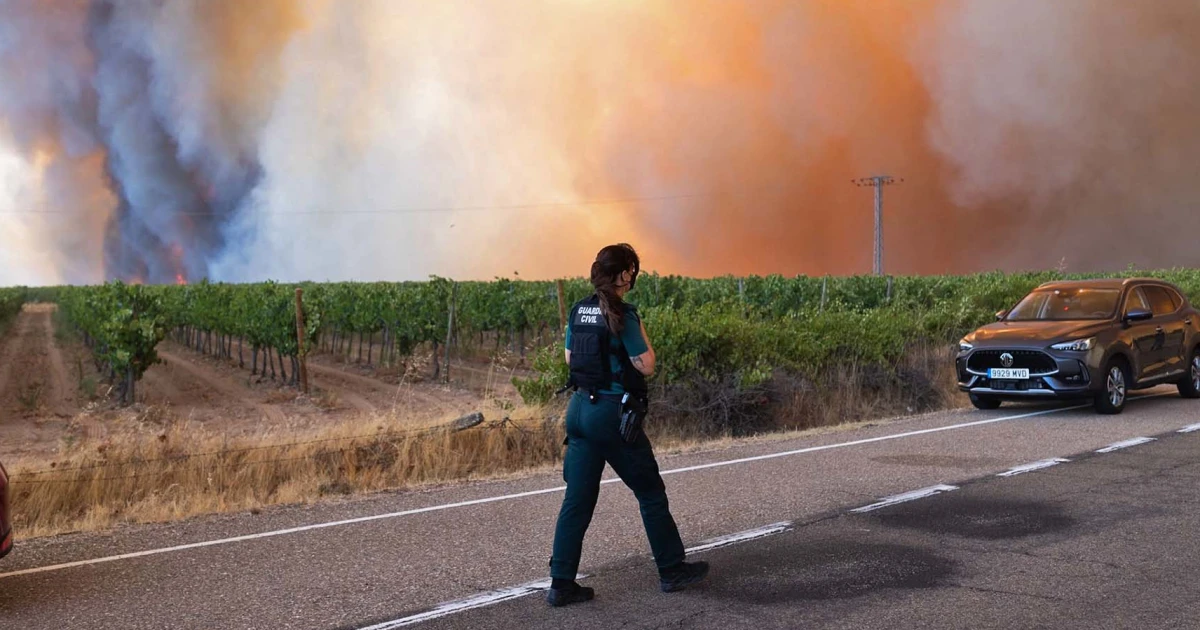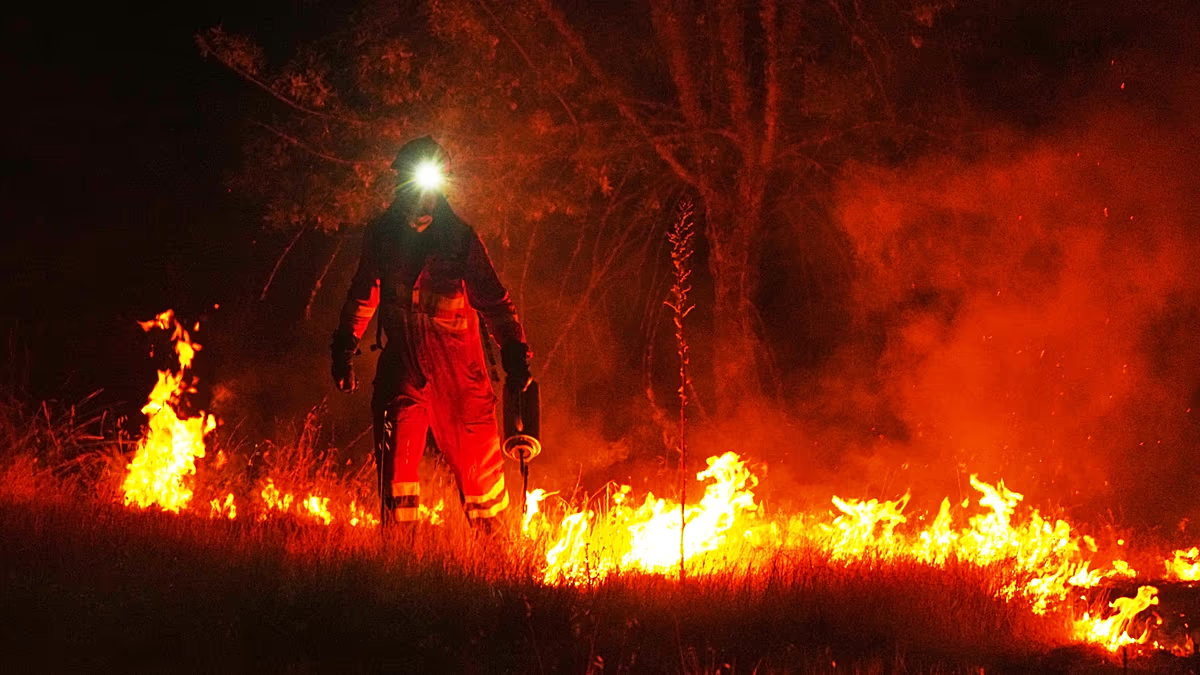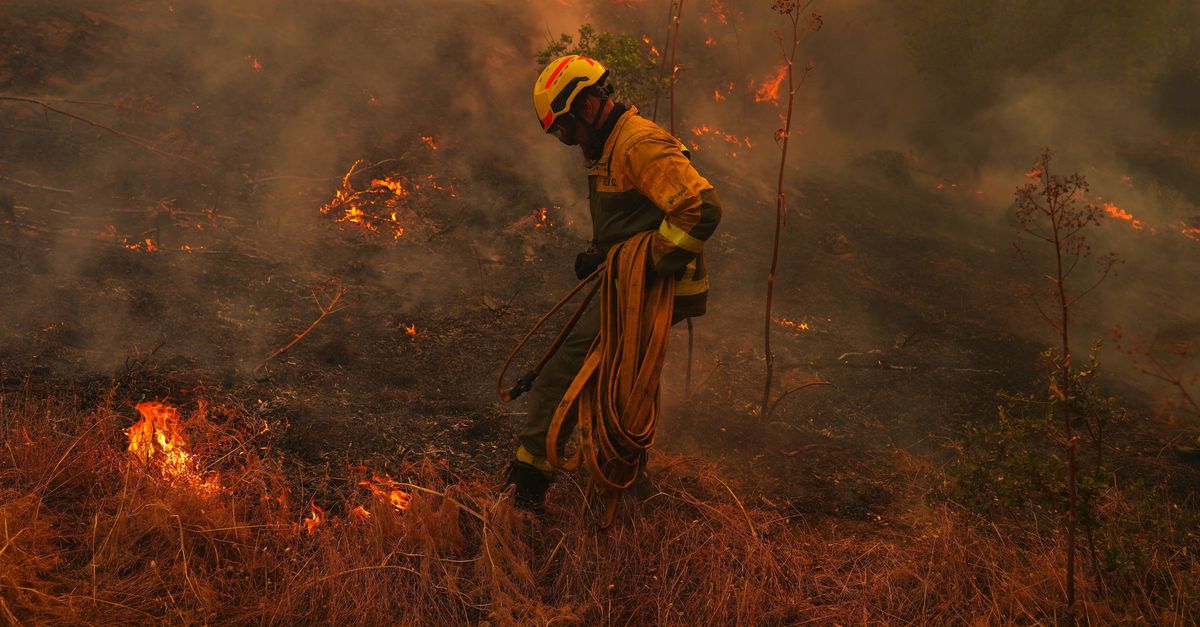
From 2006 to 2025 the total area burned by fires in France every year averaged some 15,000 hectares—a bit smaller than Washington, DC. By July 28th, the fire to the west of Bordeaux which started just six days earlier had burned almost three times that. Meanwhile, some 500km to the south, savage fires advanced perilously close to Madrid. More than 300,000 people have been evacuated.
These fires may end up being the worst that Europe sees this summer. But do not bank on it. A series of heatwaves has left lots of places desiccated and flammable—and more hot weather is to come. Last year the European Union saw more than 1m hectares burn; this year could break that record.
De redactie van NRC selecteert de beste artikelen uit The Economist voor een breder perspectief op internationale politiek en economie.
And it is not just one summer. The continent is heating up faster than any other. Because it has decades of worsening hazards ahead, it needs to get ready.
The rest of the world is not far behind. Wildfires are not purely a matter of climate, but climate does matter. The frequency and extremity of fire-friendly weather have been increasing for 40 years; conditions very unlikely before climate change are becoming increasingly common. Measured against a definition of extreme fires that combines size and intensity, the past decade has been particularly bad.