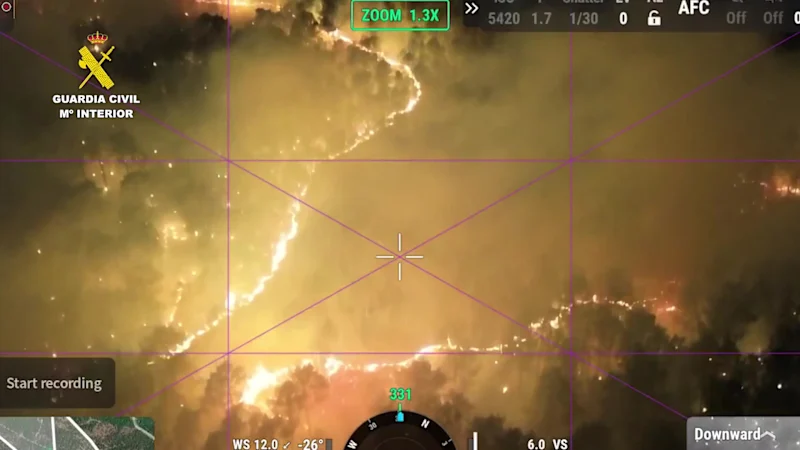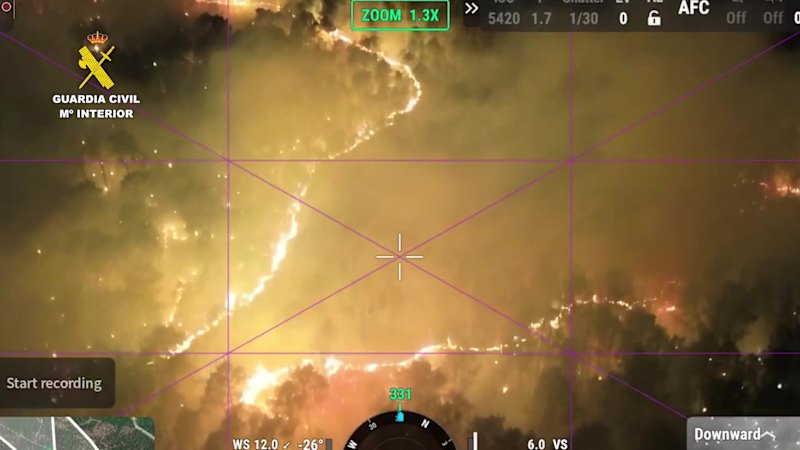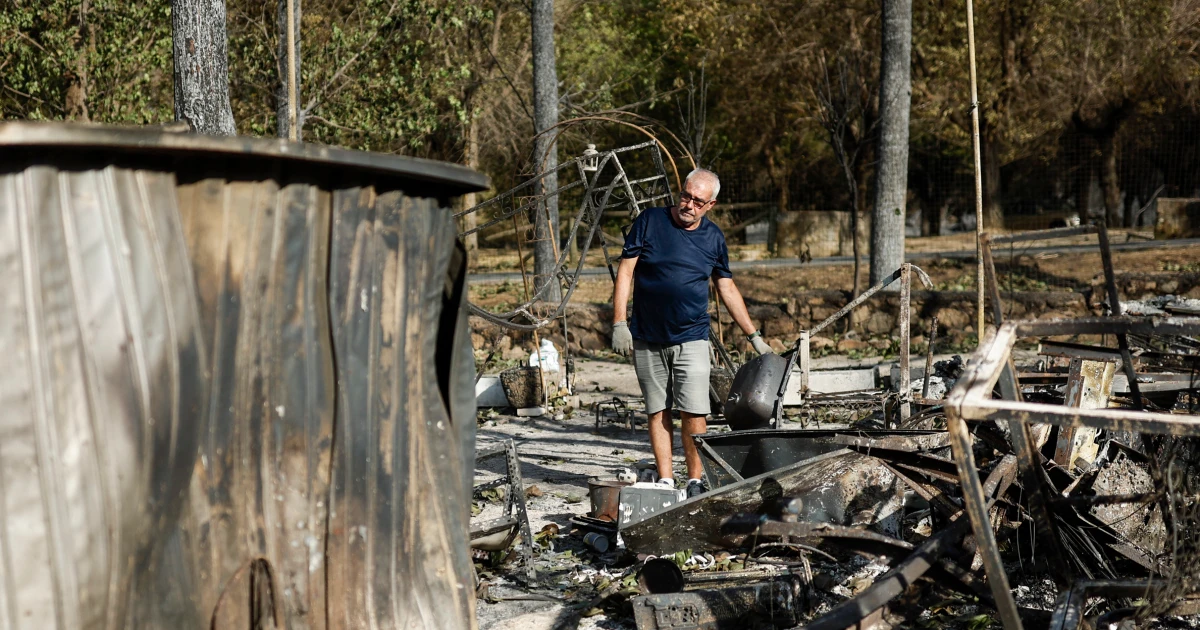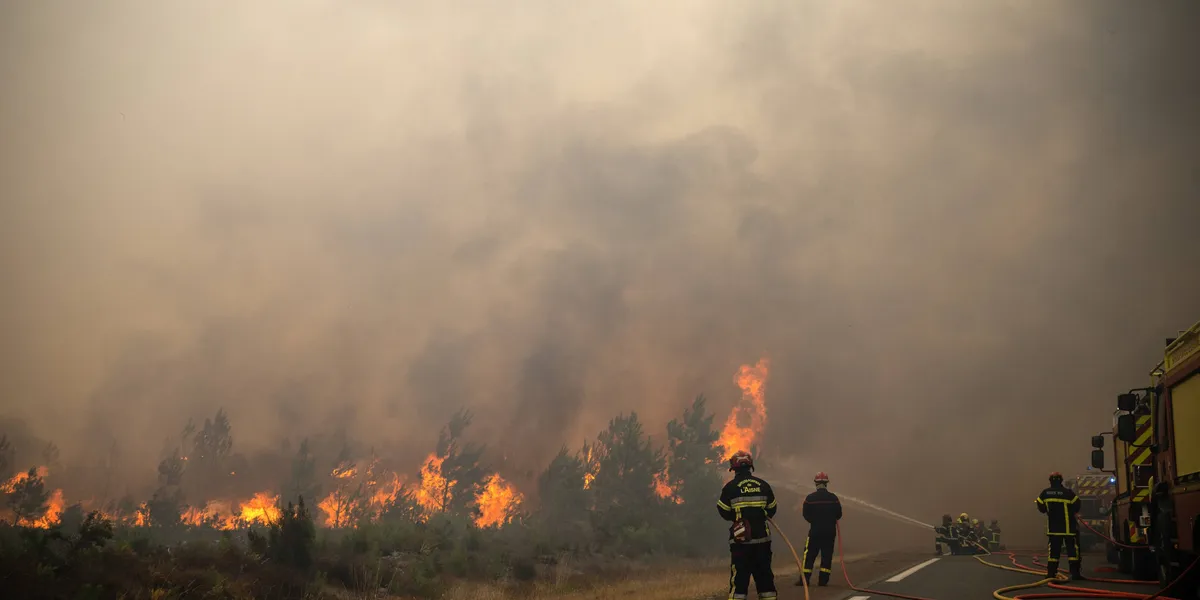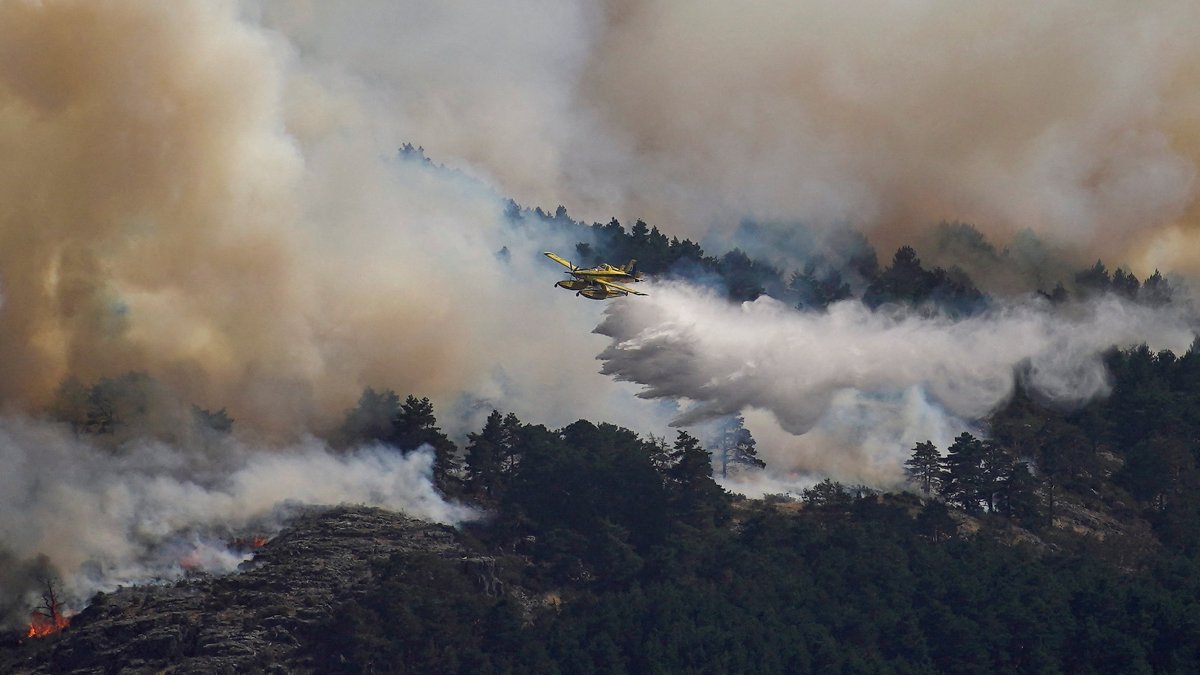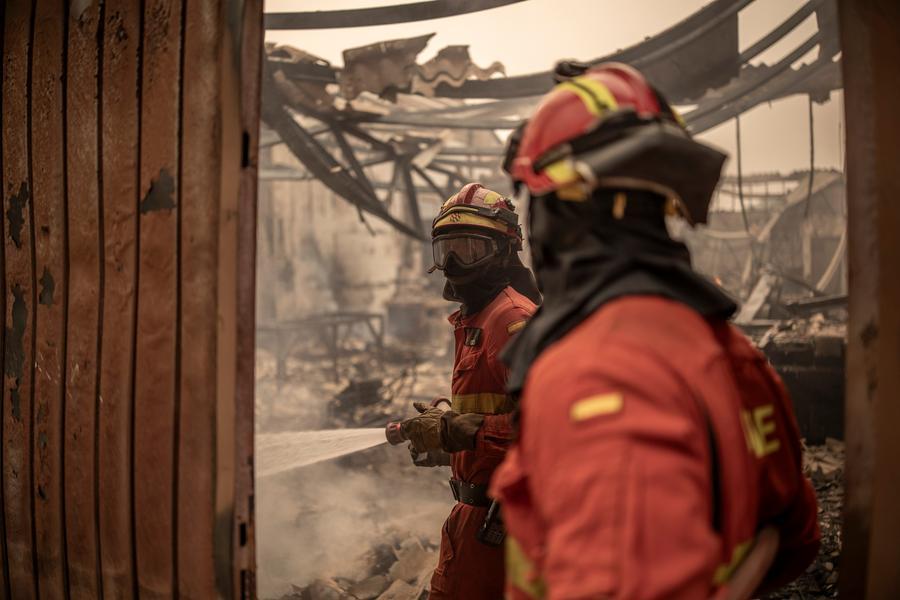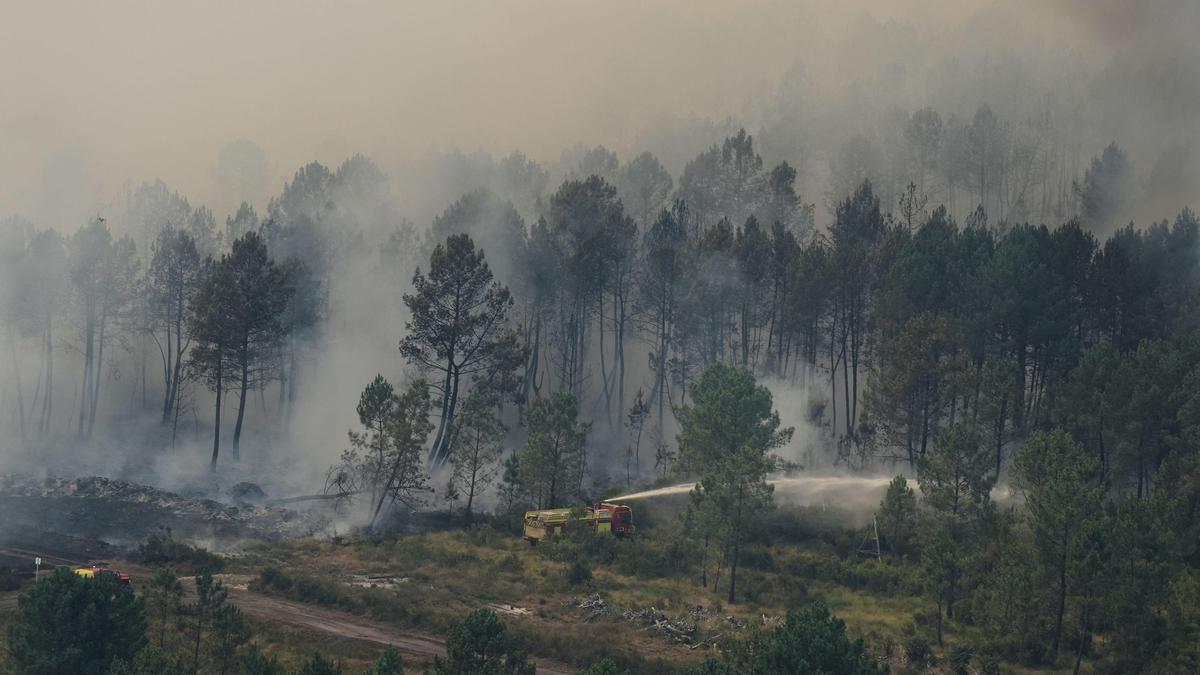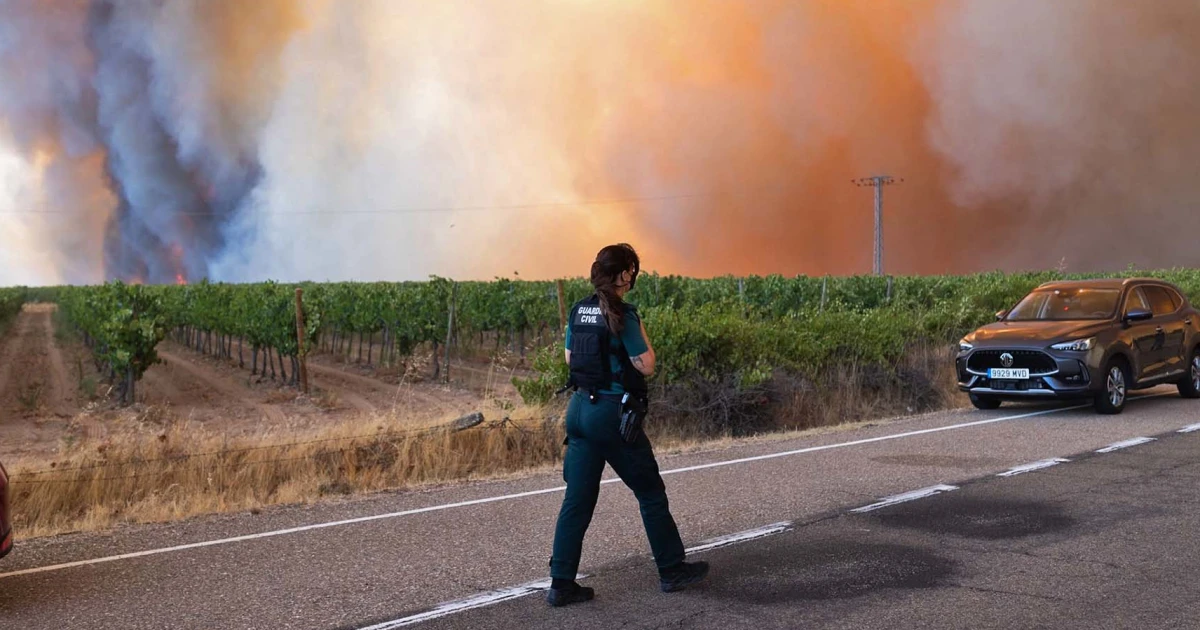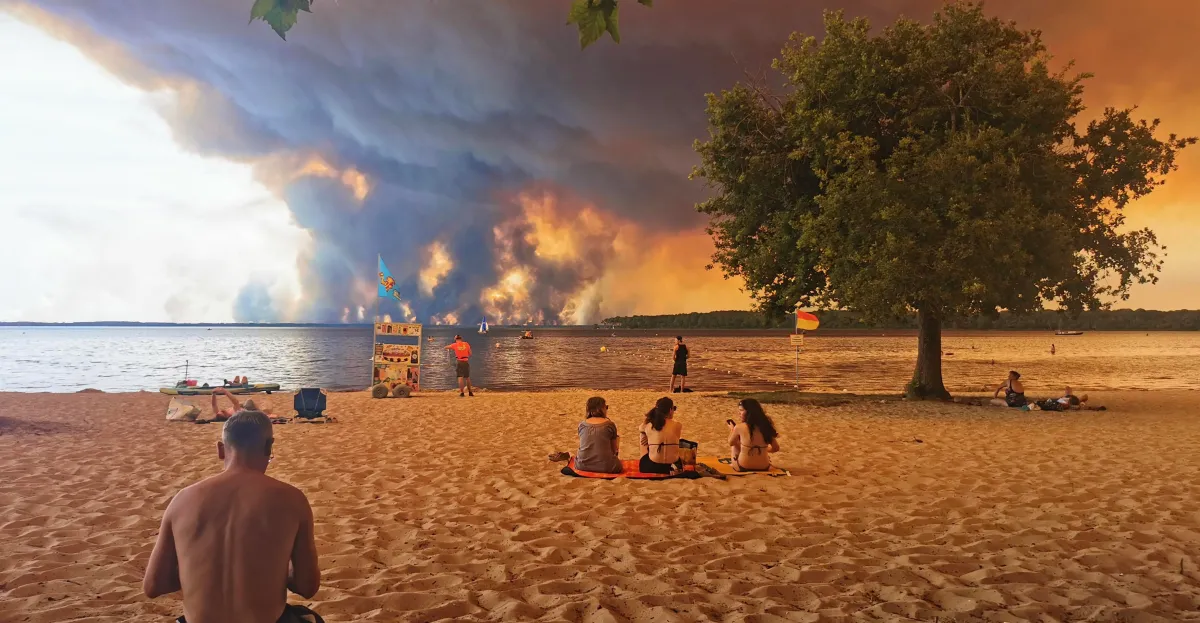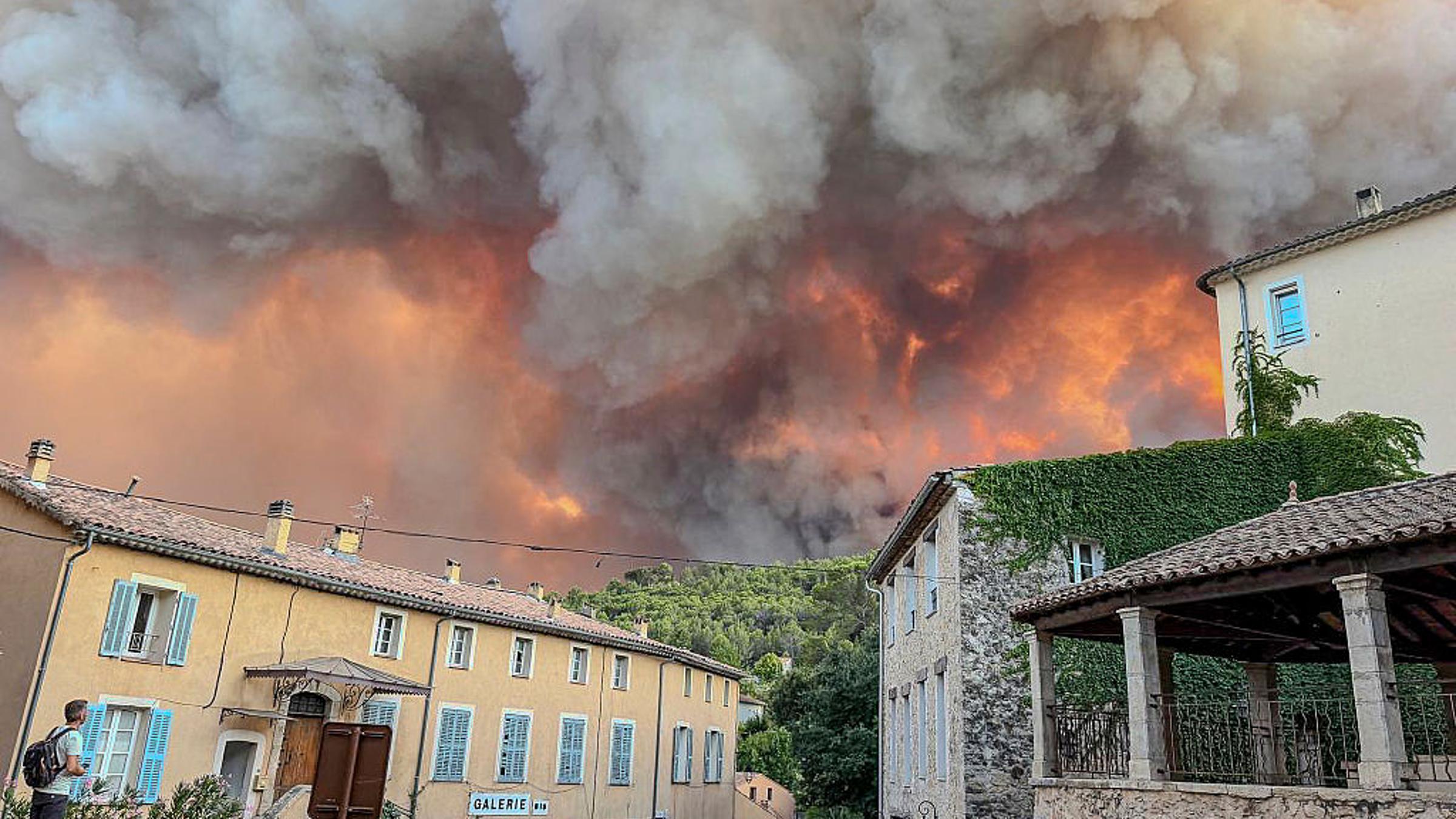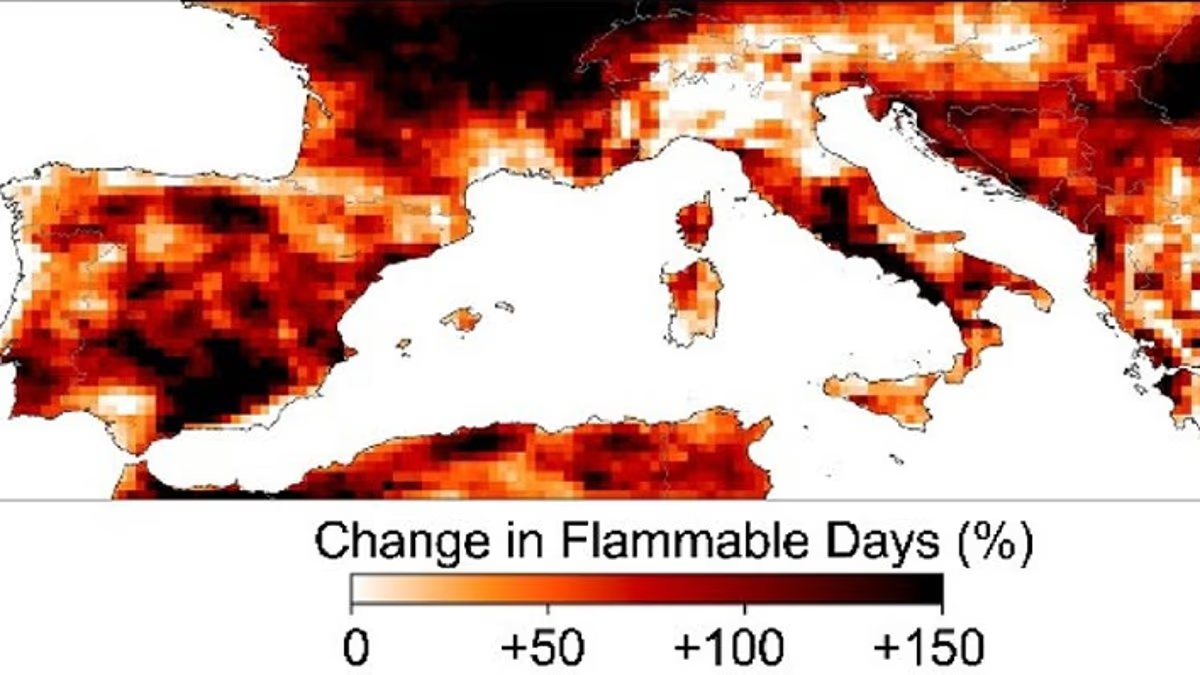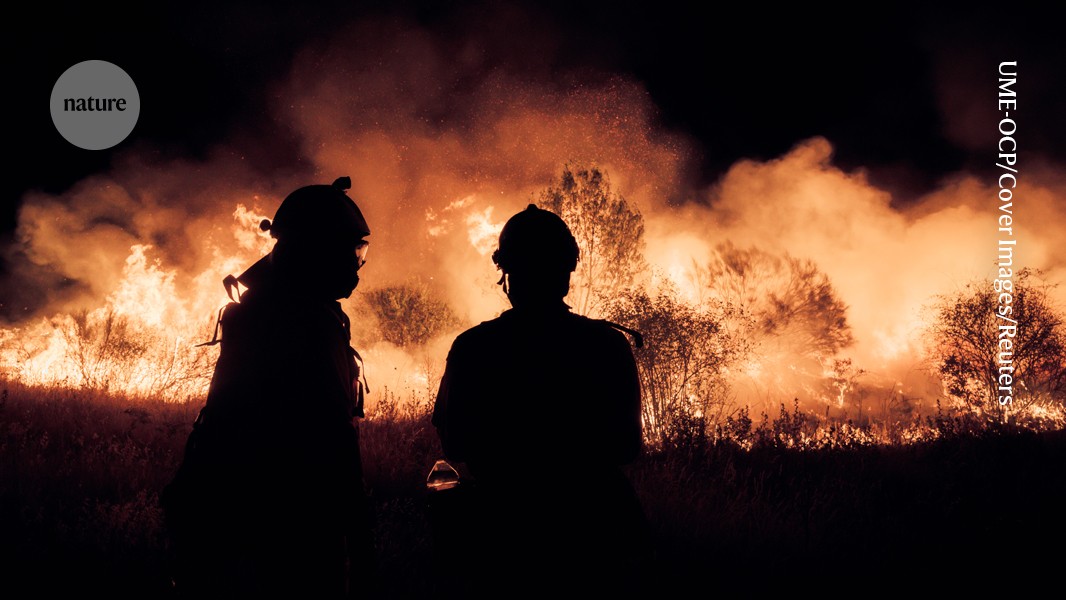
Firefighters watch a blaze west of Madrid. Credit: UME-OCP/Cover Images/ReutersFuelled by an unprecedented heatwave, the powerful fires scorching France and Spain are breaking records or are on the verge of doing so — and there are still months to go in the fire season.“We have been telling society this is going to happen, that we are going to have larger, more catastrophic, more dangerous fires,” says Cristina Santín, who studies wildfires and is at the University of Oviedo in Mieres, Spain. “And now they are here.”Satellite data show that 91,000 hectares have burnt in France as of 29 July (see ‘Europe ablaze’), smashing the previous record of just over 66,000 hectares burned during the entire fire season, which generally lasts from March until the end of October. In Spain, more than 200,000 hectares have burnt — well above average this early in the season — and a fire close to Madrid has become the largest single fire in the country’s history.Source: European Forest Fire Information SystemThe fires have led to the evacuation of hundreds of thousands of people. Ministers from Spain and the United Kingdom issued a joint statement on 29 July saying that “this summer’s wildfires demonstrated that climate change was now a national security emergency facing Europe and threatening our way of life."Scientists say the blazes could mark a shift in southern Europe’s fire patterns: after decades of relative quiet, the region’s fire regime is starting to resemble that of notoriously combustible places such as California. A study1 published today in Scientific Reports shows that the intensity of hot, dry fire-promoting weather in parts of France and Spain was up to 50% higher in the past decade than in the period between 1981 and 2010. Parts of Spain and Portugal that once saw fewer than ten days of highly fire-promoting conditions in a year now see up to 25.The intense fires seen in Europe this year and the previous few years suggest that heightened fire risk seems to be becoming a reality, researchers say. The fire burning near Madrid nearly destroyed a NASA complex used to communicate with deep-space spacecraft. Firefighters in France battled a towering ‘fire cloud’ intense enough to generate its own erratic weather — the first ever observed in the nation. And another heatwave is developing.Quiet before the firestormTo understand trends in fire risk in southern Europe, Raúl Cordero, a meteorologist at the University of Groningen in the Netherlands, and his colleagues compiled records as far back as the 1980s on the area of burned land and the number of fires in Portugal, Spain, France, Italy and Greece1.The researchers found that between 2016 and 2025, wildfire activity across this region was substantially lower than between 1981 and 2010. There were fewer fires, and, apart from in Portugal, which saw huge fires in 2017, less area burnt. The number of fires declined by at least 40% in each country.That decline is all the more remarkable given that fire weather — the hot, dry, windy conditions that make it easier for vegetation to burn — has seen the opposite pattern. “Europe used to be kind of an anomaly,” says Cordero. In the past few years, it was having higher temperatures than before and a higher fire risk “but the burned area was going down”.You’re not imagining it: extreme wildfires are now more commonRising temperatures driven by anthropogenic climate change are the main factor behind the increase in fire weather, says Cordero. “When you have a heatwave, you are also going to have extreme fire-weather conditions.”This year, the multiple heatwaves that have baked Europe since May have parched vegetation, priming it to burn. This pattern is similar to the combination of intense heat and subsequent record-breaking fires that burnt in Spain in 2025, says Cordero. And this pattern is set to repeat. Previous research2 projected that the increasing temperatures this century will substantially boost fire risk in Europe. “This is the kind of trend that is unstoppable,” says Santín.
Fires in Europe are breaking records: here’s what the future holds
Countries such as Spain and France can expect fire regimes more like those of California as climate change favours hot, dry conditions, scientists suggest.
661 words~3 min read