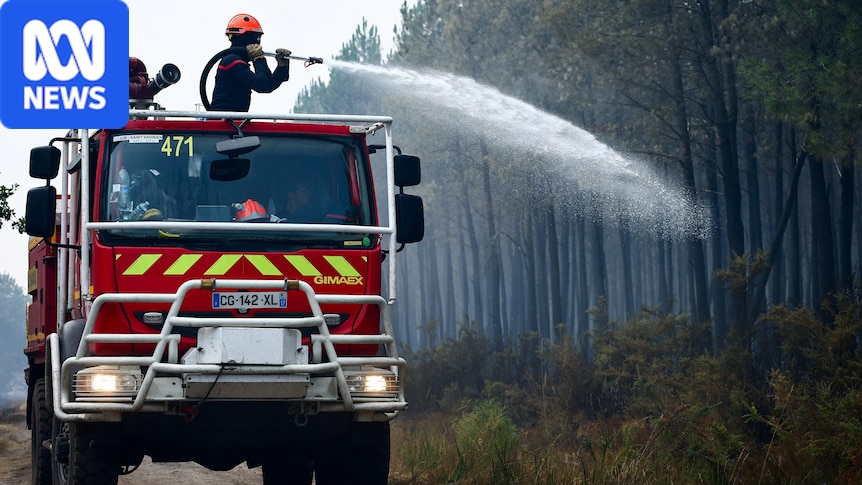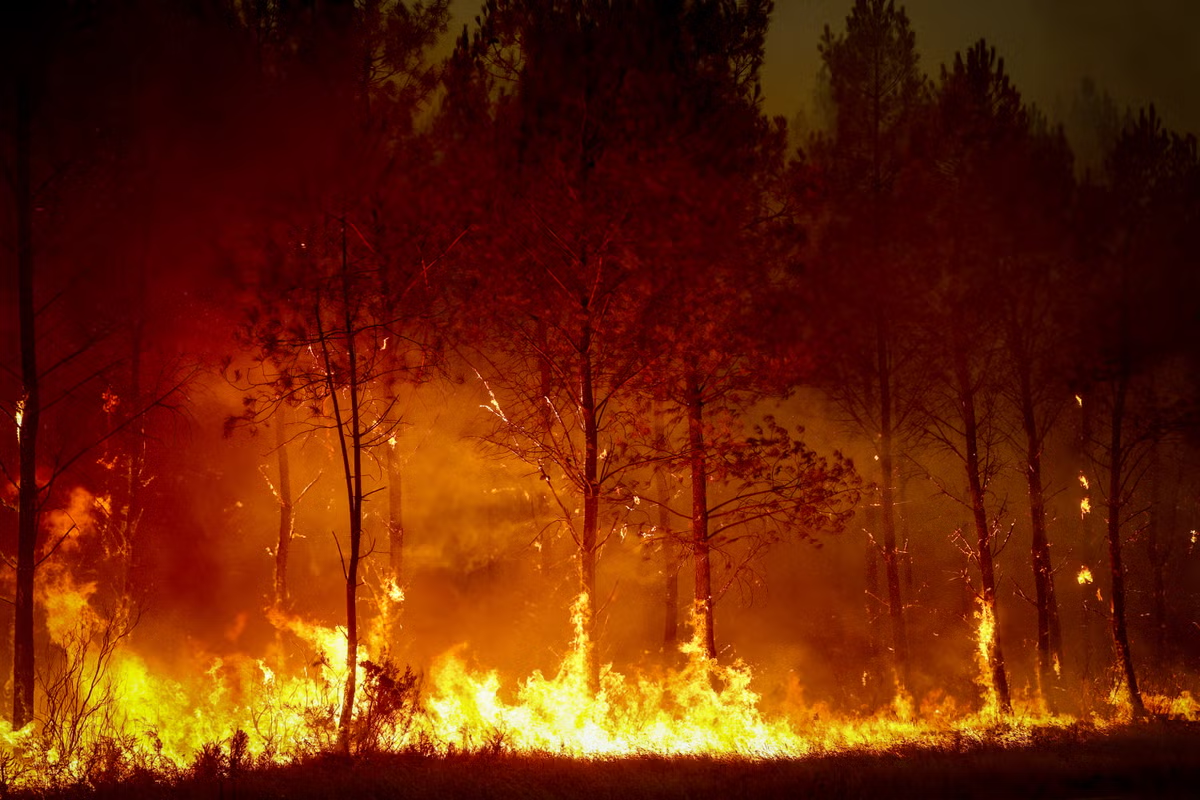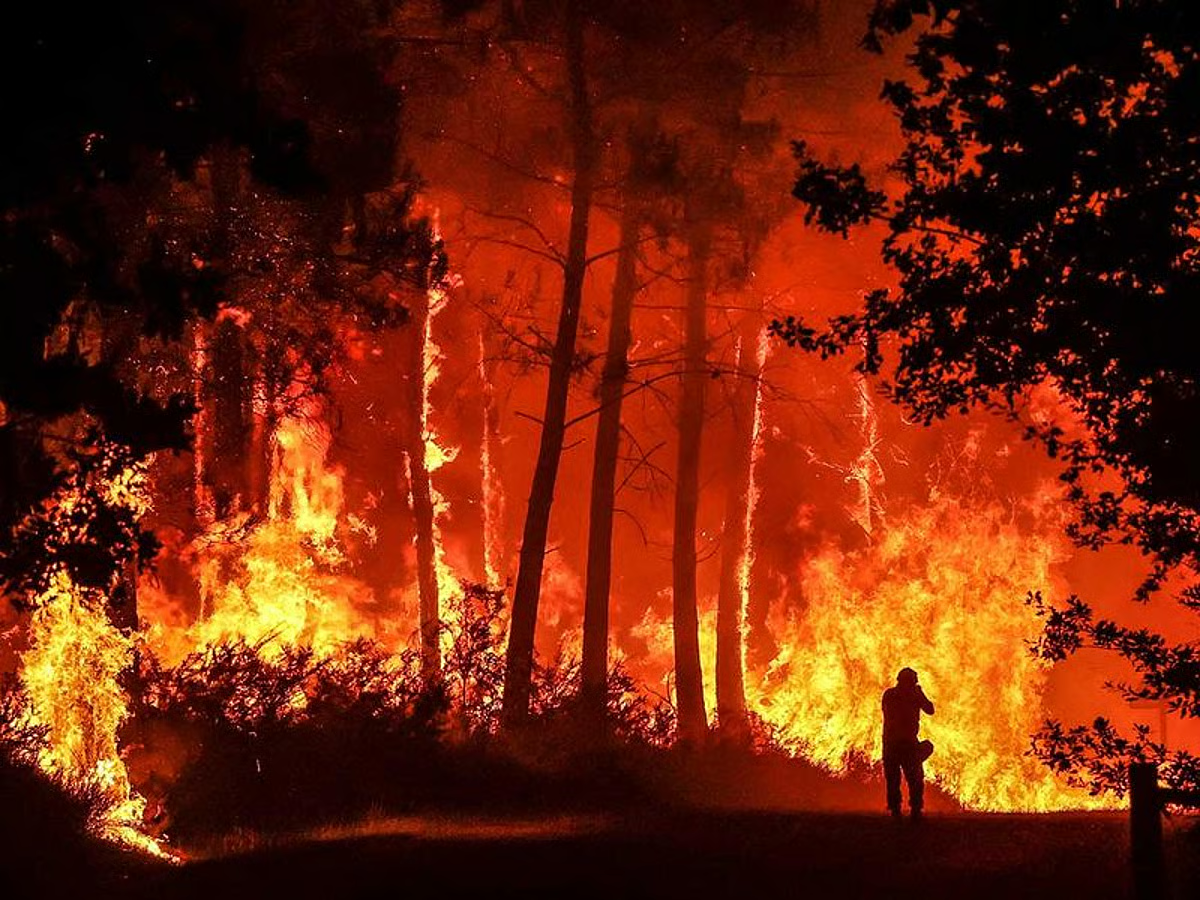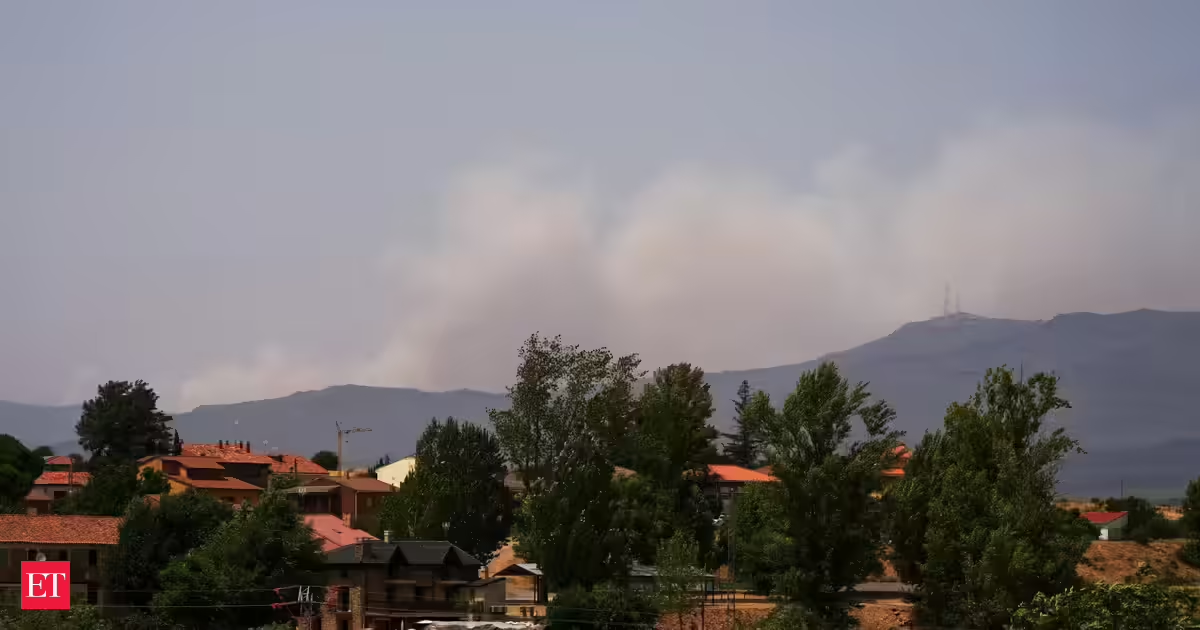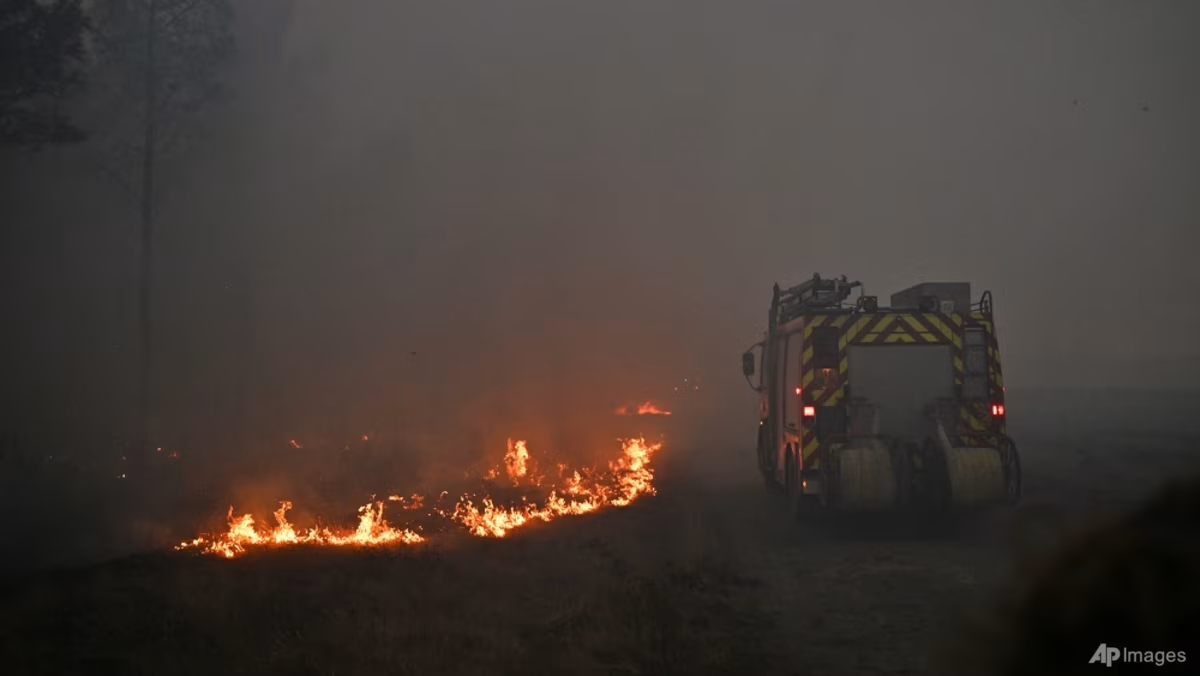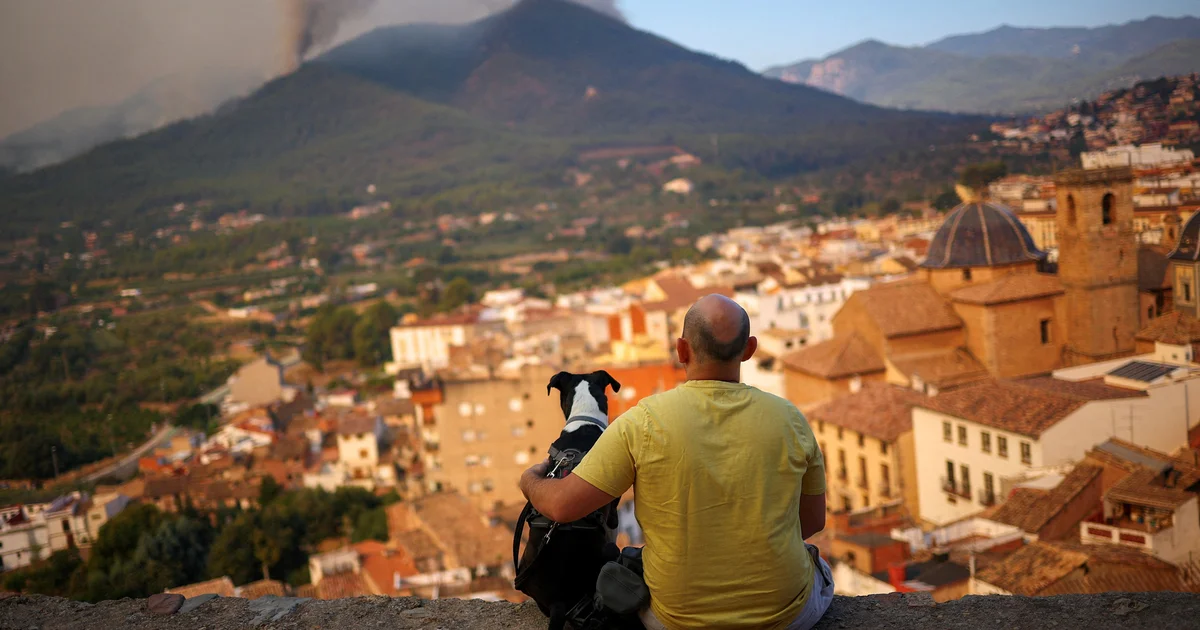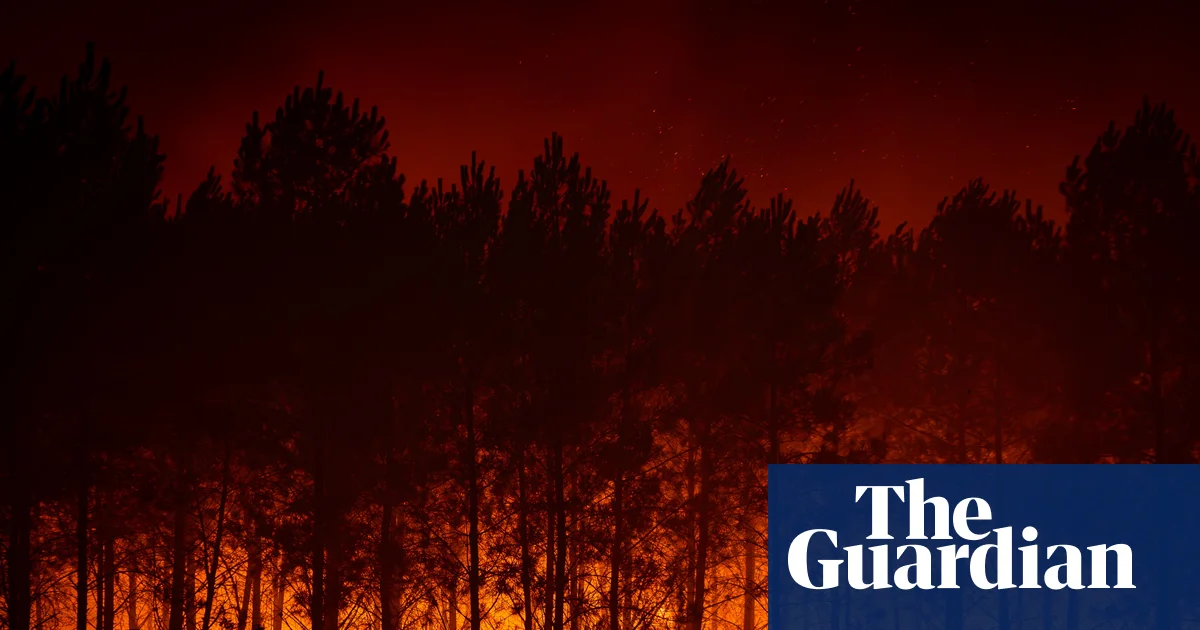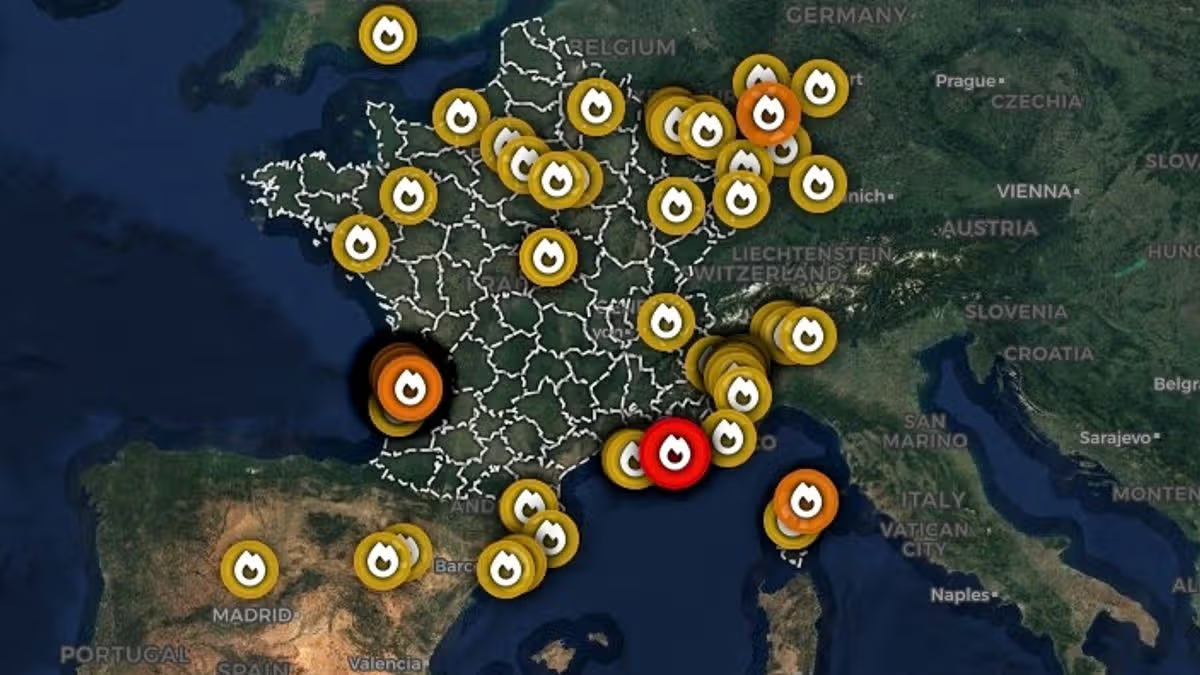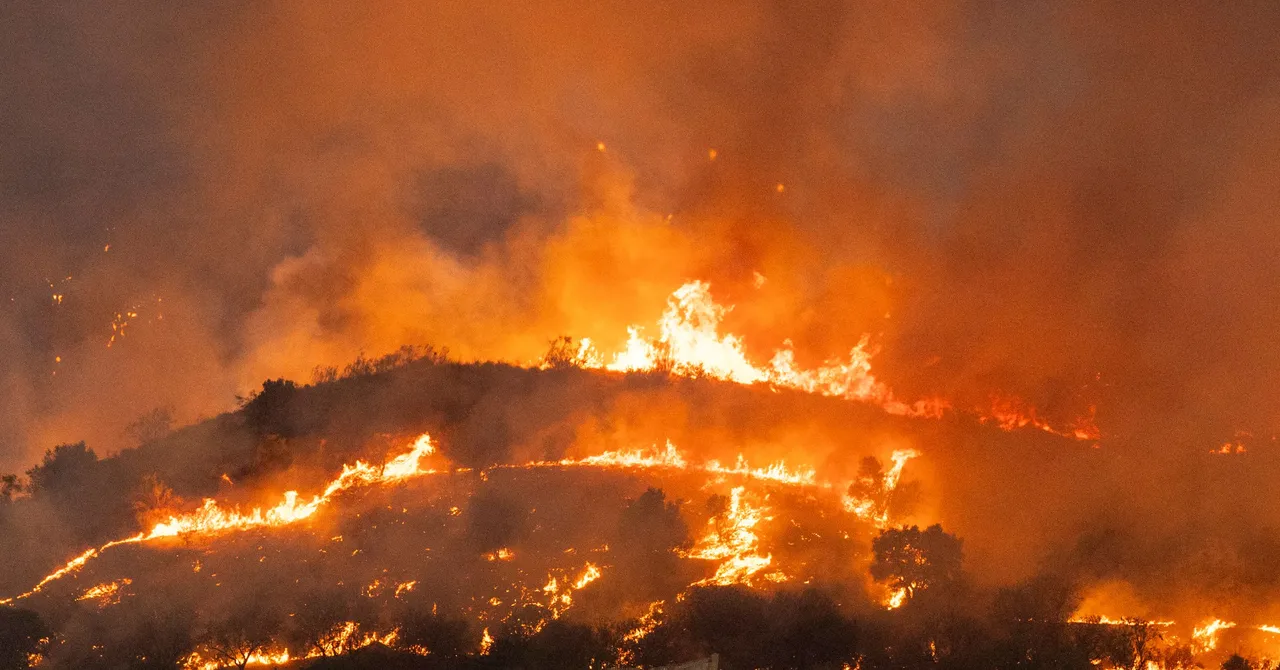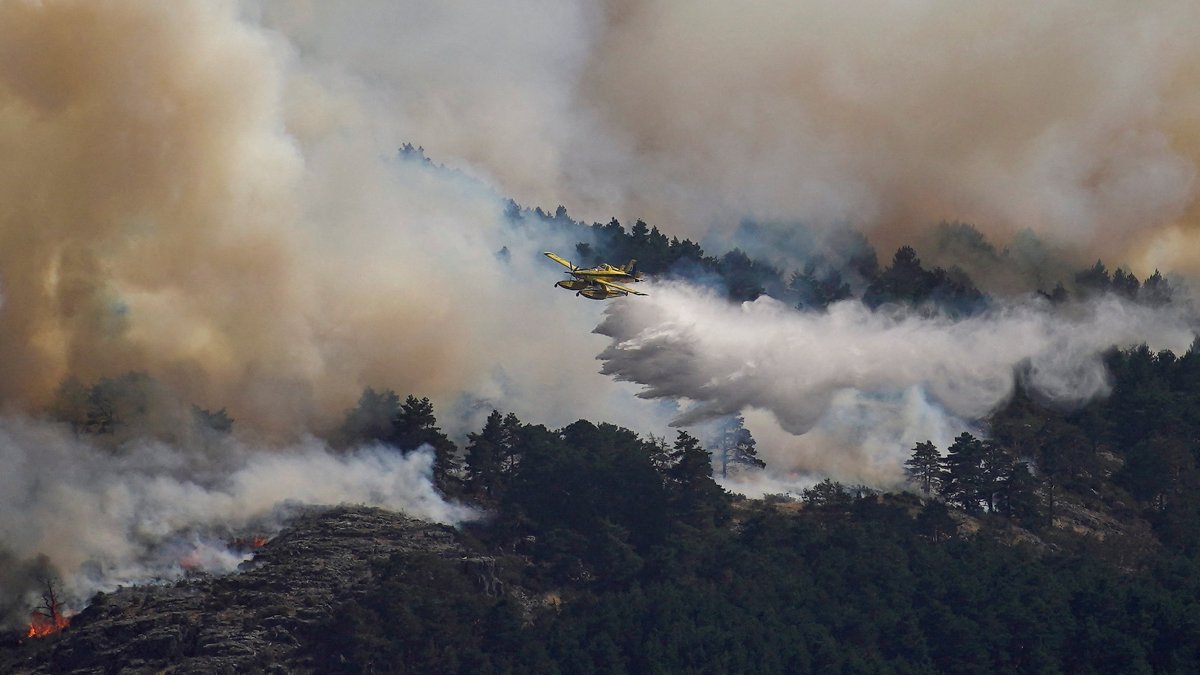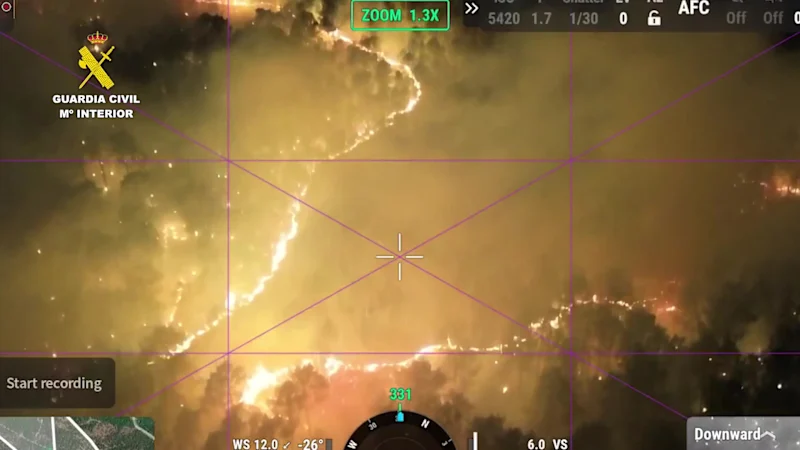
July 28, 2026 — 8:58amLondon: Spanish Prime Minister Pedro Sanchez has warned of more devastating wildfires across Europe, with climate change making heatwaves more frequent, as emergency crews raced to contain blazes in Spain and France before temperatures soar later this week.Sanchez pledged more funding for fire shelters ahead of a meeting of national ministers that is tipped to commit to new measures on climate change during a growing debate on the country’s worst wildfires in decades.Burnt vehicles in a parking yard in Chapinería, Spain, on Monday.AP Photo/Manu FernandezA firefighter monitors flames in La Adrada, in Spain’s Avila province.Anadolu via Getty ImagesThe Spanish fires appeared to slow on Monday after spreading over the weekend in the Avila province west of Madrid, but a fire near Valencia in the south of the country continued to burn out of control.In south-western France, a vast fire heading toward Bordeaux slowed as winds died down, but government officials warned of mounting risks when temperatures reach 39 degrees in the coming days.French authorities have evacuated about 220,000 people, including local residents and people on holiday, while Spanish authorities have told some 100,000 people to leave their homes or seek shelter.A charred bicycle in Lège-Cap-Ferret, outside Bordeaux, France.AP Photo/Emma Da SilvaFirefighters work to suppress a blaze near Lacanau, France, on Monday.AP Photo/Baz RatnerSanchez visited La Vall d’Uixo in Castellon province, north of Valencia, to step up his calls for a “state pact” across governments to do more to address climate change.“What we’re experiencing isn’t a succession of isolated events,” he said. “It’s the most painful expression of a climate emergency that is making sixth-generation wildfires more ferocious, heatwaves more frequent, and our territory more vulnerable.”The Spanish Civil Guard released dramatic drone footage on Monday (shortly after 10pm, AEST) that showed the Avila fire spreading quickly through dense forests. The agency has deployed more than 8000 personnel to fight the fires.The State Meteorological Agency in Spain, AEMET, forecast another heatwave – the fourth of this northern summer – to begin on Wednesday and continue until at least Sunday.“The wildfire danger level will continue to increase, reaching extreme levels and making firefighting efforts more difficult due to high temperatures, locally gusty southerly winds and widespread low humidity,” it said in a statement.Fires across Spain have scorched 150,000 hectares and killed 13 people since the start of this year, according to Sanchez.Waterbombing outside Bordeaux.AP Photo/Emma Da SilvaHouses destroyed in Navas del Rey, Spain.AP Photo/Manu FernandezThe Avila blaze alone, which is now within 100 kilometres of Madrid, has burned an estimated 47,000 hectares, which would make it the country’s worst wildfire since official records began in 1968.While the fires heightened arguments about climate change, French Prime Minister Sébastien Lecornu revealed concerns about arson in police investigations into suspected criminals.Lecornu said fires across France had burned 116,085 hectares since January, surpassing the record year of 2022, when 72,000 hectares burned.“Our country is going through an unprecedented fire season,” he said, noting that there had been 13,566 “fire starts” recorded since January.“The fight against wildfires begins with prevention. Nine out of 10 fires are human-caused and most arise from carelessness: a cigarette butt, a barbecue, work carried out without precaution.“But not all these fires are accidents. Some are deliberately set. Since July 6, 162 arrests have already taken place.“Security forces are fully mobilised to identify arsonists. They will be found, arrested, and held accountable for their actions before the courts.”Lecornu said deliberately lighting a fire was a crime punishable by 15 years in prison.In a visit to Bordeaux, French President Emmanuel Macron thanked firefighters for their hard work, warning the coming weeks would remain difficult.French President Emmanuel Macron at the fire and rescue operational centre in Bordeaux on Monday.Kenzo Tribouillard/Pool AFP via AP“We must hold on. We are going to win this battle together. The whole nation is behind you,” he said.“We’re facing a completely unprecedented fire,” Macron added, describing the situation as the country’s worst fire-related crisis since World War II.A pyrocumulonimbus – a giant cloud created by a large bushfires – near France’s Lège-Cap-Ferret late last week.AP Photo/Caroline BlumbergMacron said more than 200 houses had burned down and that “all those who have lost everything” would be supported by the government.Smoke emanating from the Lege-Cap-Ferret fire in southwestern France. AFPThe fire in French south-west remains about 15 kilometres west of the main entry points to Bordeaux, a city of about 1.3 million people across metropolitan region. Officials said 80 firefighters had been injured tackling the blaze.The fire was so powerful its smoke column became a thunderstorm that generated lightning that struck the ground and ignited new fires beyond the original blaze, French officials told the Associated Press.The thundercloud also produced violent, erratic winds capable of driving the flames in new directions.The phenomenon, called a pyrocumulonimbus, is rare in Europe and more commonly documented in North America and Australia, where it occurs only over some of the most extreme fires.France’s national firefighters federation said it had never before recorded one in the country.Scientists in Australia drew attention to the pyrocumulonimbus events, also known as pyroCb firestorms, in February 2020 after some of the country’s most horrific bushfires that summer.With Reuters, APGet a note directly from our foreign correspondents on what’s making headlines around the world. Sign up for our weekly What in the World newsletter.From our partners
‘Completely unprecedented’: Europe races to fight out-of-control blazes ahead of new heatwave
Firefighters encountered a dangerous phenomenon never before recorded in France – a “fire cloud” that is more commonly seen in Australia during the most extreme bushfires.
886 words~4 min read