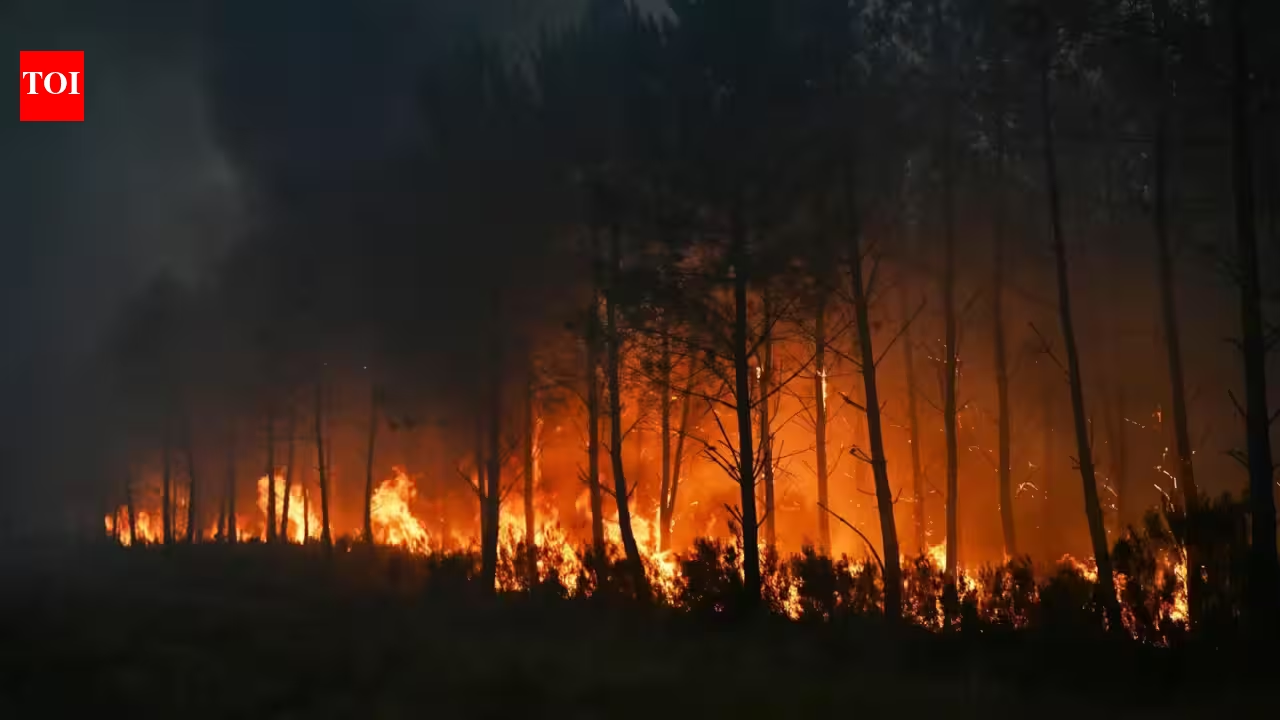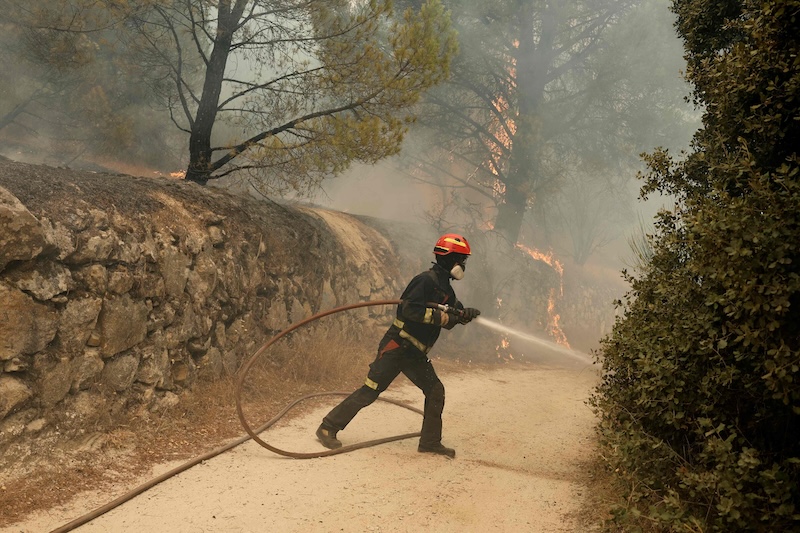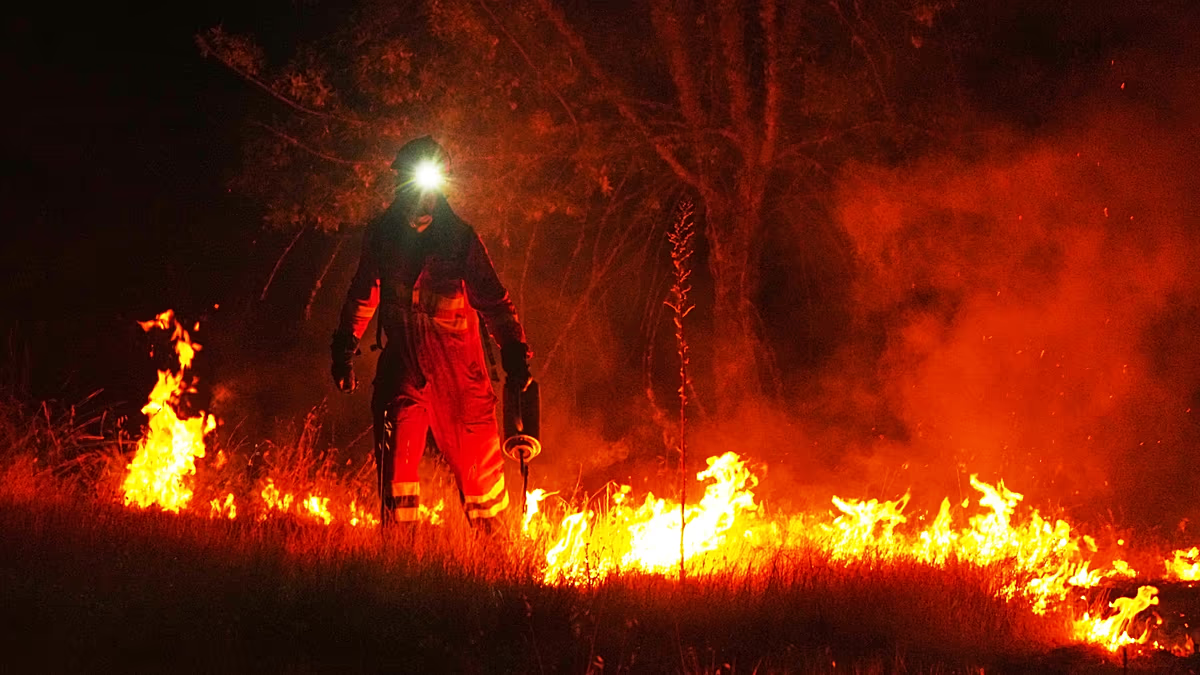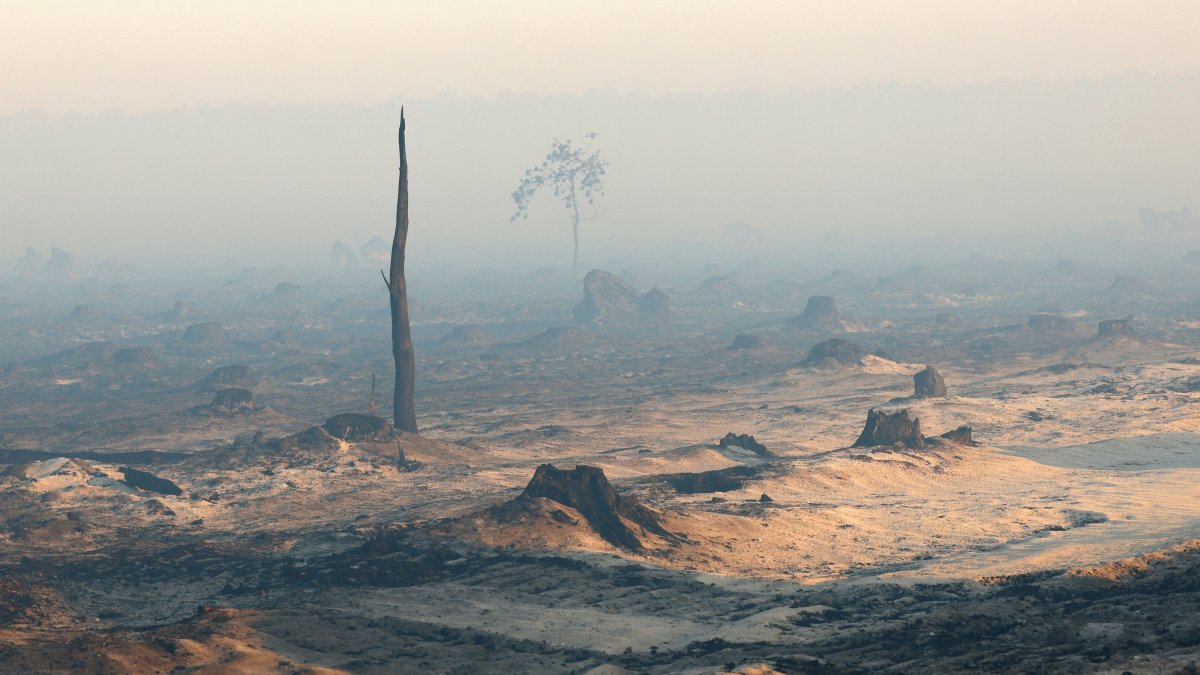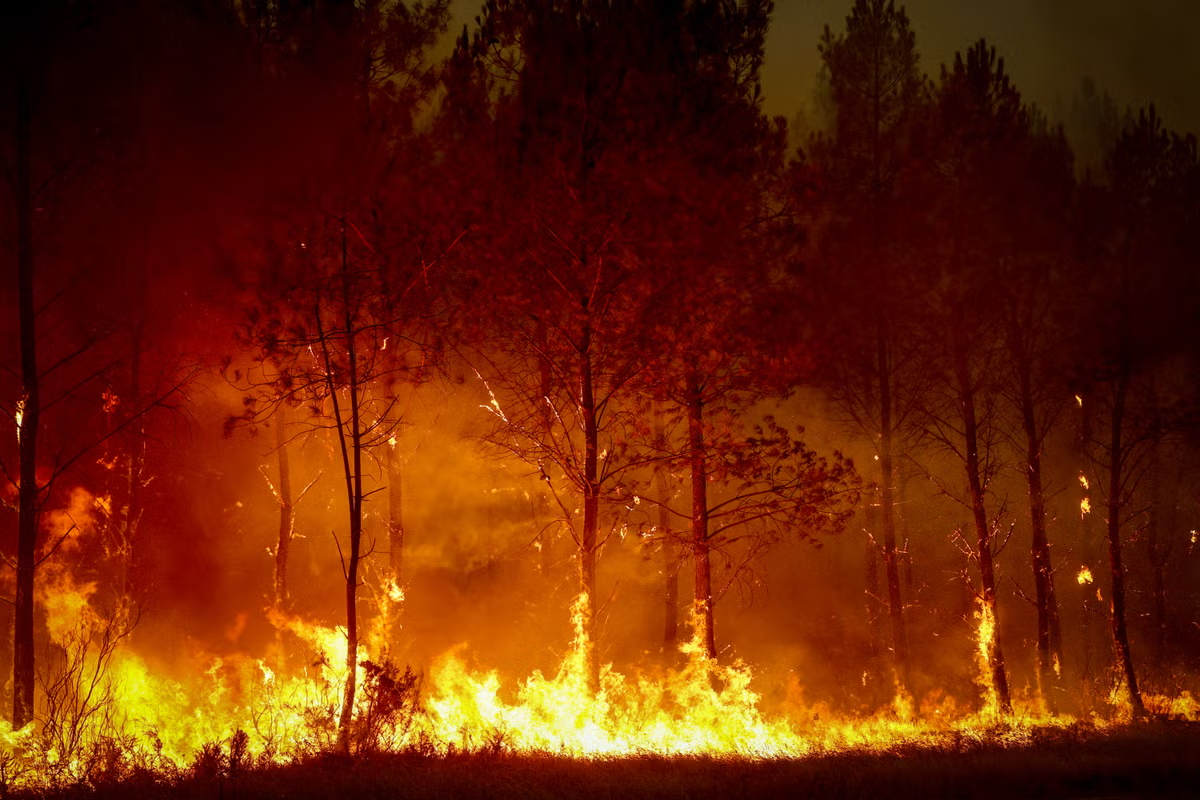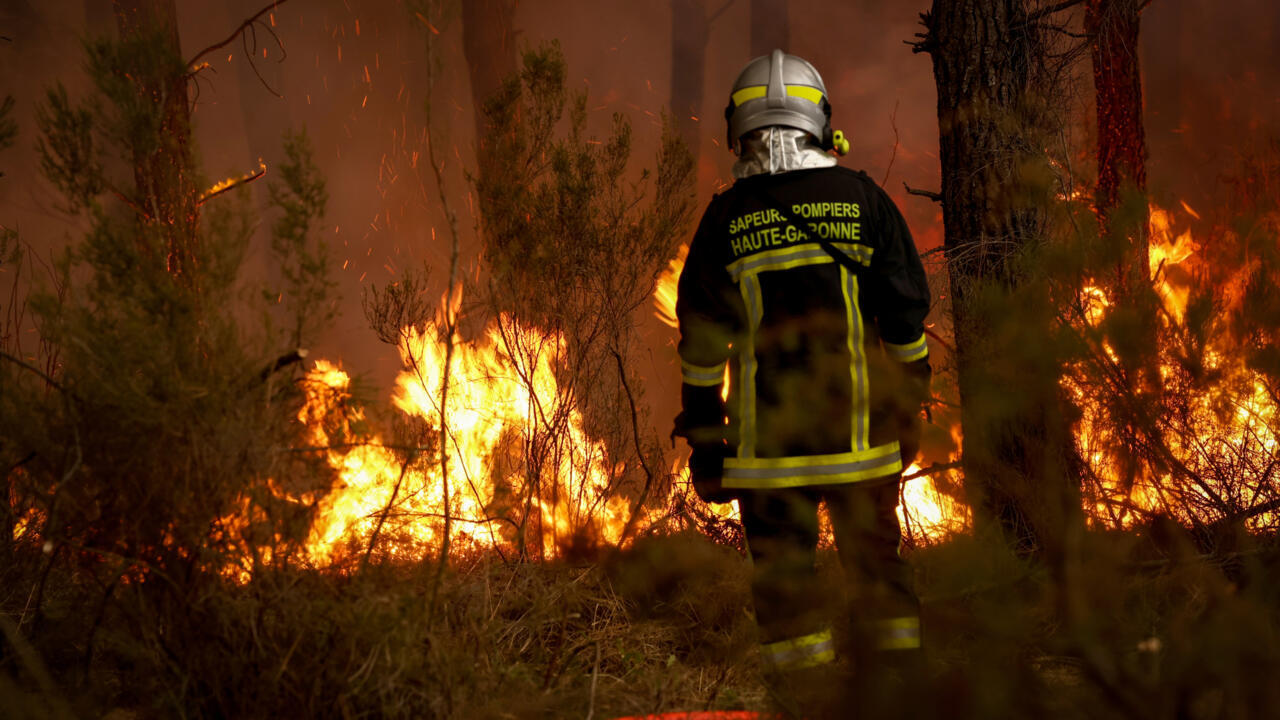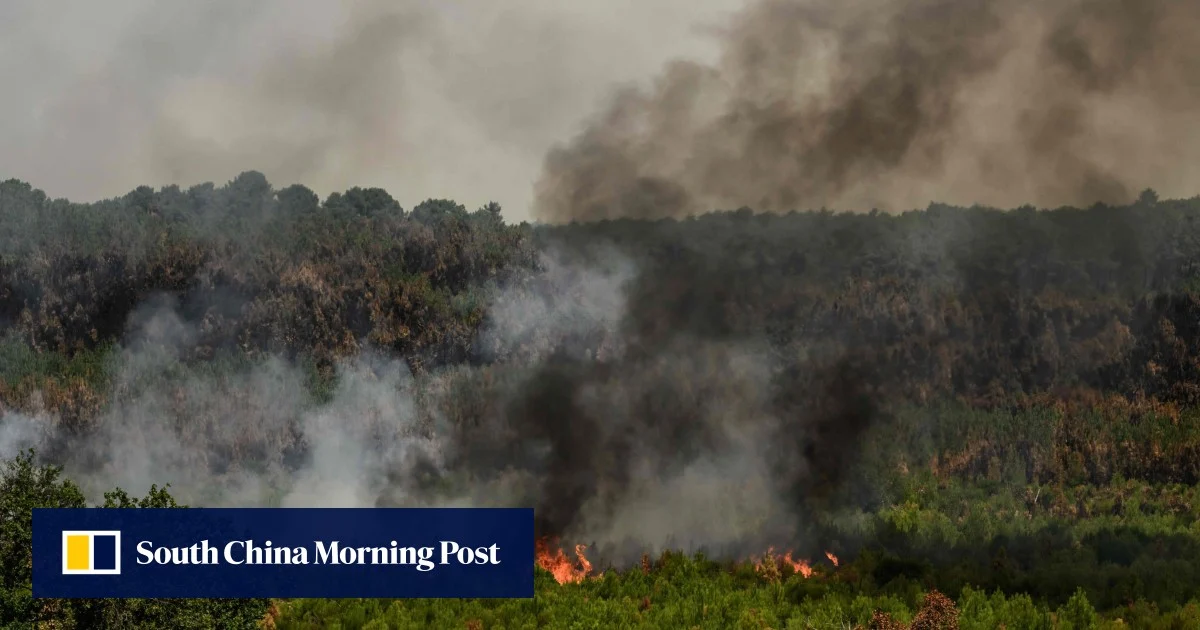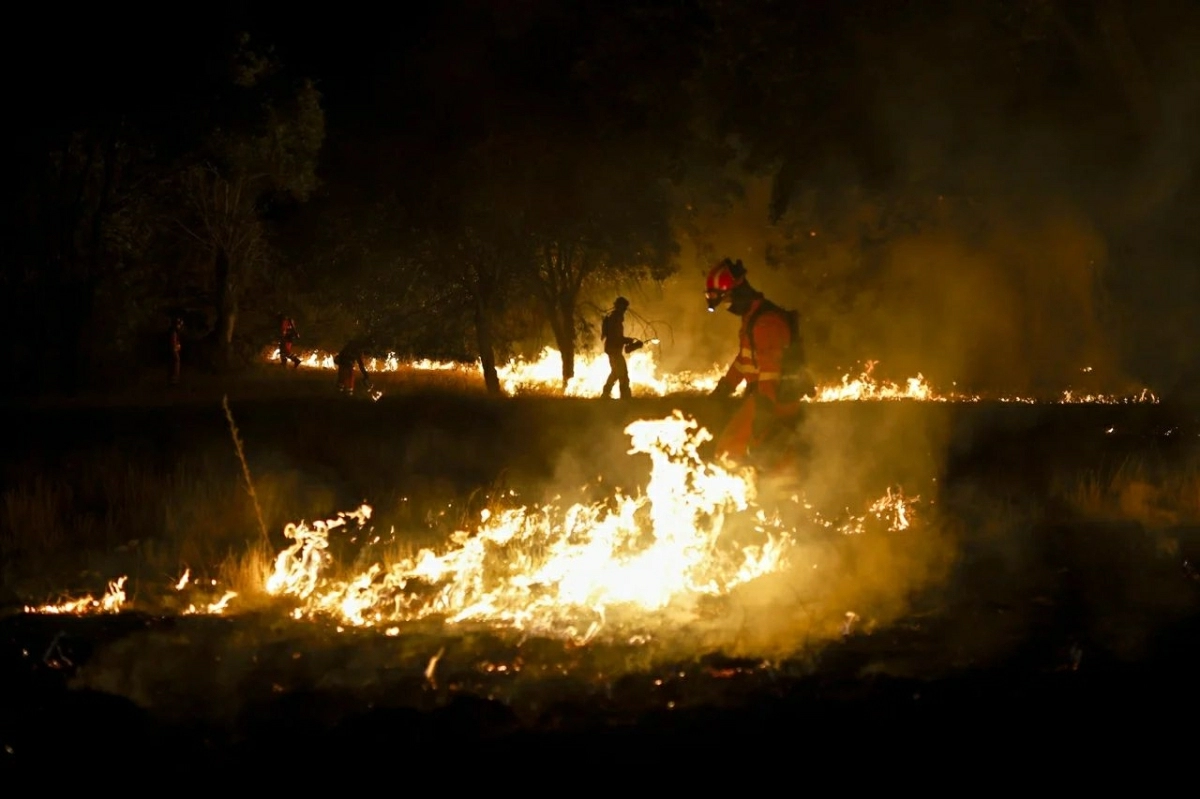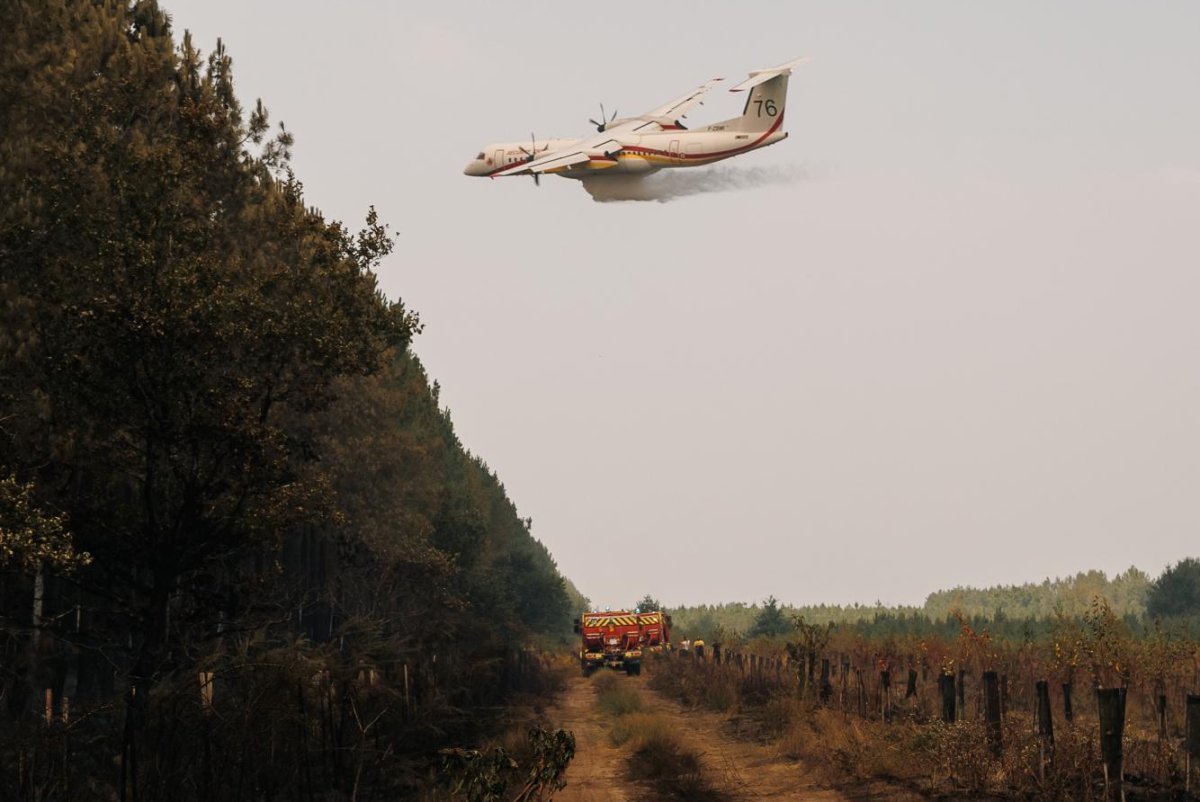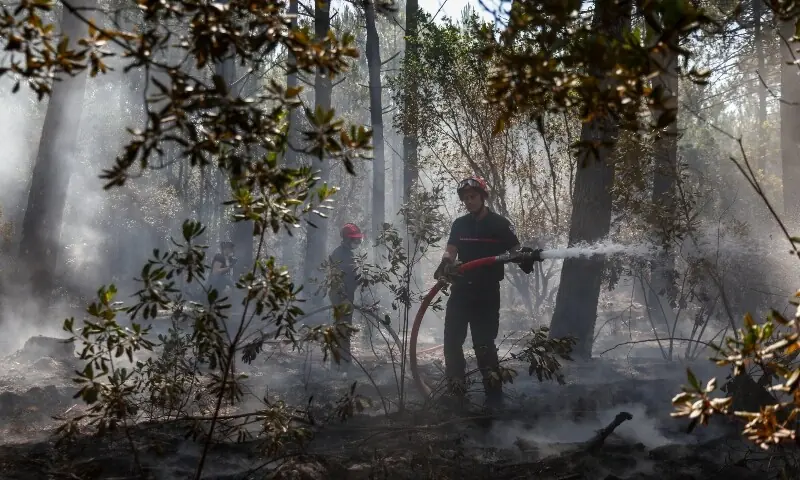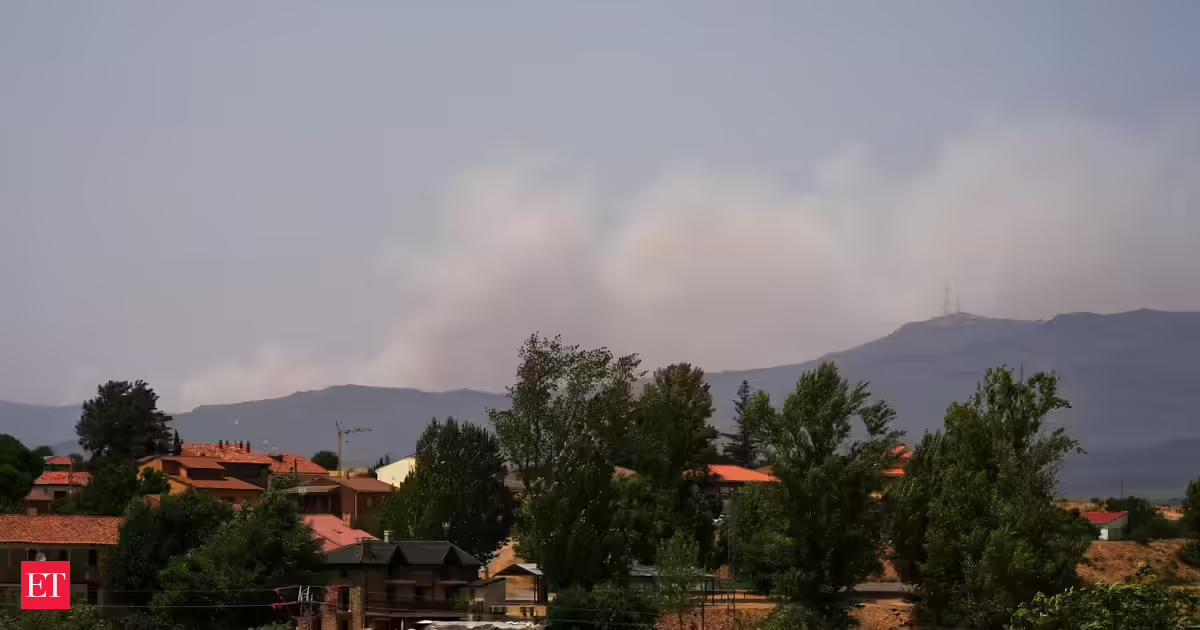
Firefighters across France and Spain intensified efforts on Monday to contain some of the largest wildfires in recent memory, taking advantage of a brief spell of calmer weather before soaring temperatures are expected to fuel the flames again later this week.The blazes have forced the evacuation of more than 320,000 people across both countries, threatened major population centres and scorched vast stretches of forest, farmland and vineyards during what has been an exceptionally hot and dry summer in Western Europe.In France, fires burning near the Atlantic coast have advanced to within 15 kilometres of the outskirts of Bordeaux, raising concerns for one of the country's most important wine-producing and tourism regions. Across the border in Spain, authorities continue battling multiple fires, including one in Castellon province that remains out of control.Bordeaux under threat as Macron visits fire zoneFrench firefighters have been battling the fast-moving blazes since last week, with emergency crews working to stop the flames from reaching the wider Bordeaux metropolitan area."This is a fire of a size never seen before," Jerome Steffe, mayor of Cestas, a suburb on Bordeaux's outskirts, said on Monday.President Emmanuel Macron was expected to visit the affected region later in the day as authorities assessed the growing damage.Finance Minister Roland Lescure described the fires as a major blow to the local economy, which depends heavily on vineyards and tourism."It's like a clap of thunder for an area which could have done without this," Lescure said.Although cooler conditions helped prevent the fire from expanding overnight, officials warned the situation remains far from under control."It isn't contained. I absolutely do not want to sound reassuring. That is not my intention. We must remain very focused and very determined," French Interior Minister Laurent Nunez said.Spain battles multiple fire frontsSpain is simultaneously fighting several major wildfires stretching from central regions to the Mediterranean coast. Around 100,000 residents have either been evacuated or advised to leave their homes or shelter in place.One of the most dangerous fires is burning in Vall d'Uixó in Castellon province, where unexploded ordnance left over from the Spanish Civil War has complicated firefighting efforts. According to regional fire officials, the ammunition detonates when flames reach affected areas, creating additional risks for emergency crews.Elsewhere, three active wildfire fronts continue to burn northwest of Madrid. Officials estimate that nearly 77,000 hectares have already been destroyed across Madrid, Toledo and Avila provinces, with the Avila blaze now regarded as the largest wildfire in modern Spanish history.Leaders warn of worsening climate crisisSpanish Prime Minister Pedro Sanchez said the fires reflect a broader climate emergency rather than isolated disasters."What we're experiencing isn't a succession of isolated events. It's the most painful expression of a climate emergency that is making sixth-generation wildfires more ferocious, heatwaves more frequent, and our territory more vulnerable," he said.Scientists describe sixth-generation wildfires as the most extreme category of forest fires, capable of creating their own weather systems and spreading at extraordinary speed. Many researchers link their growing frequency to human-driven climate change.For residents forced from their homes, the emotional toll has been just as severe as the physical destruction."Material damage is one thing, but that can be repaired, so to speak. What really hurts is the emotional loss," said evacuee Maria Angeles Serrano in Castellon.Europe reinforces firefighting effortsAuthorities on both sides of the border are racing to gain control before another heatwave pushes temperatures higher from Wednesday onward."Today and tomorrow are absolutely crucial days in tackling this wildfire. From Wednesday onwards, weather forecasts become significantly more unfavourable for firefighting operations, but we remain confident," Spanish Interior Minister Fernando Grande-Marlaska said.Forecasts indicate temperatures around Bordeaux could climb to 37 degrees Celsius later this week, increasing the likelihood of further fire spread.The scale of the emergency has prompted a coordinated European response. Under the European Union's civil protection mechanism, Greece and Italy have each deployed two Canadair water-bombing aircraft to Spain, Portugal has sent more than 100 military personnel and equipment, while Turkey is dispatching two additional firefighting planes. France has also received support from Switzerland, which has deployed two Super Puma helicopters and their crews to assist firefighting operations.
Europe races to contain mega wildfires as fresh heatwave threatens France and Spain
Firefighters in France and Spain are battling massive wildfires that have displaced over 320,000 people and threatened Bordeaux as another heatwave looms. Fires remain out of control in parts of Spain, while European nations have deployed aircraft, troops and helicopters to bolster firefighting efforts amid worsening climate-driven wildfire conditions.
683 words~3 min read