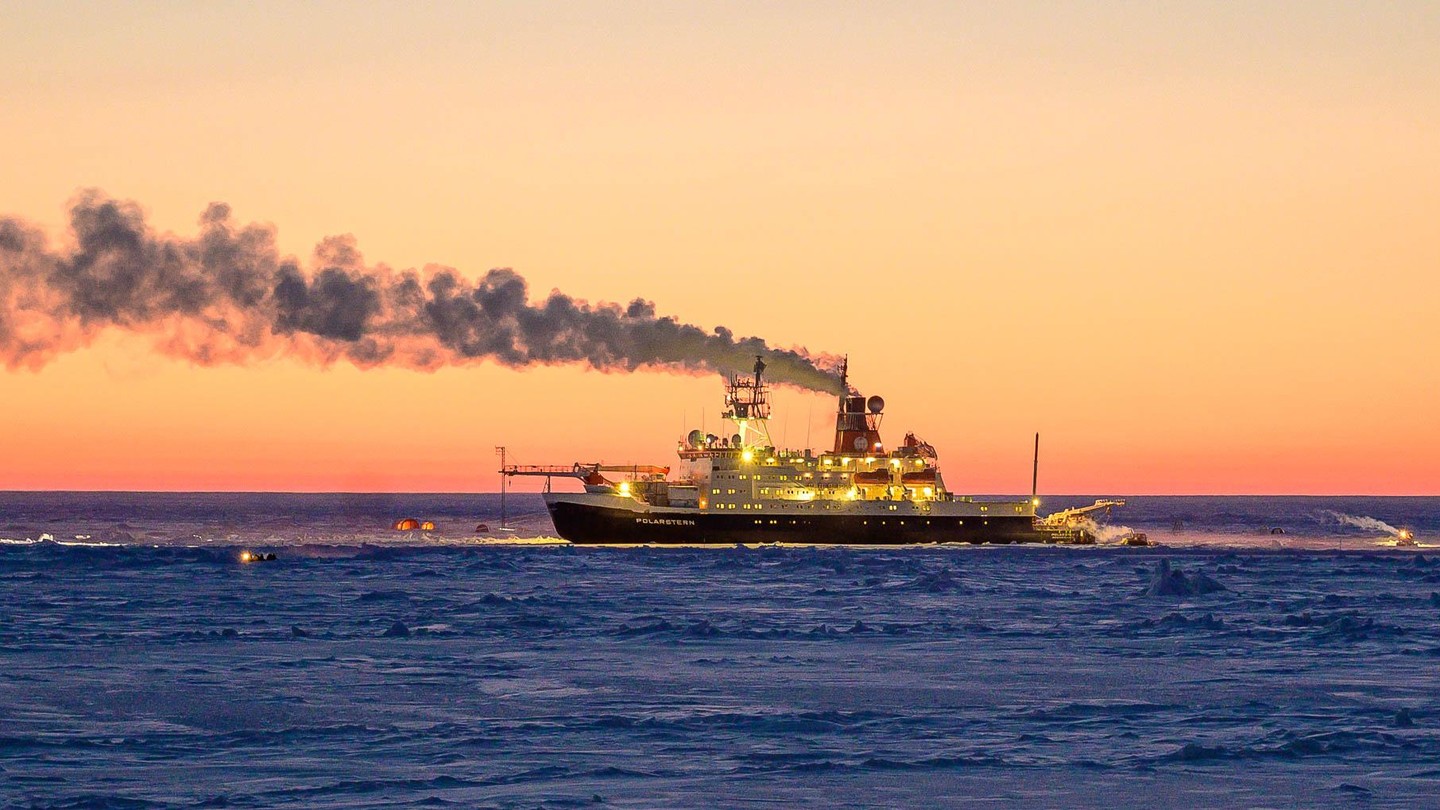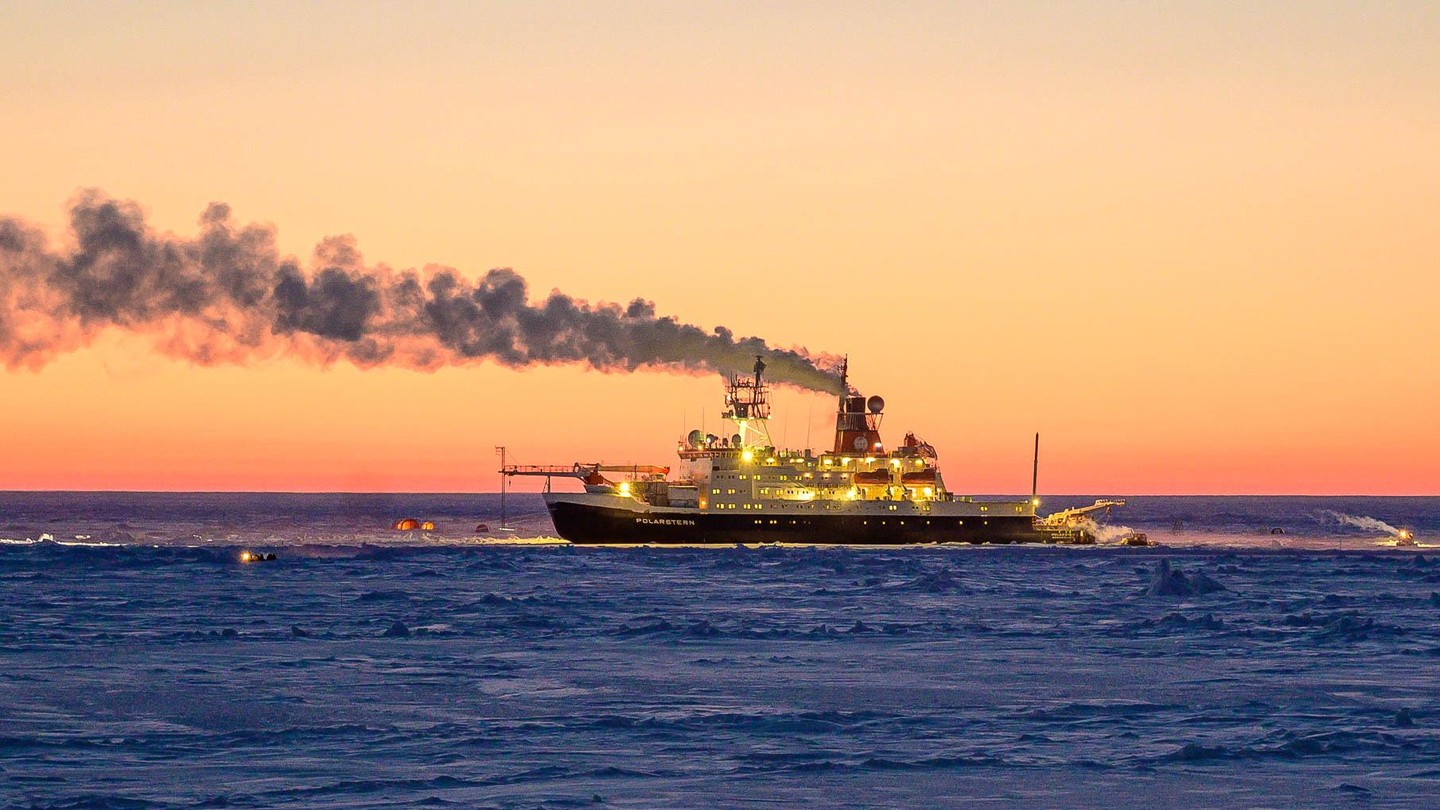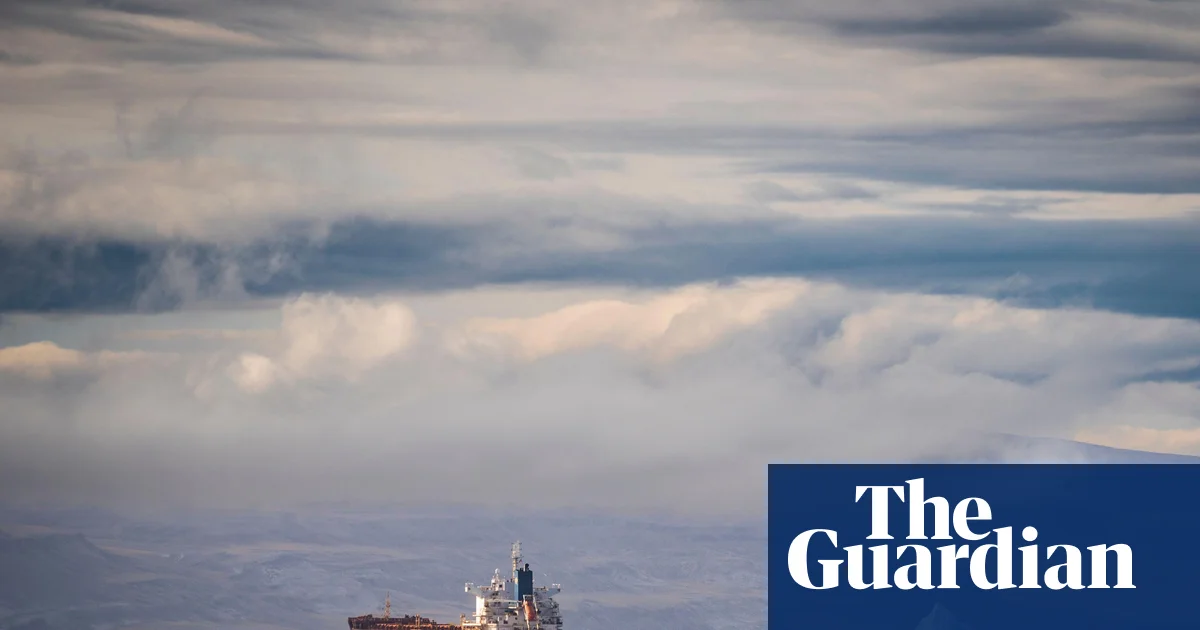
The gradual reduction in Arctic ice has started to open up new shipping routes, with marine traffic increasing by about 40% over the past 12 years. All these ships leave trails of pollutants in the air, which are already having a measurable climate effect.Aerosol particles in engine exhaust act as nuclei for water droplets, promoting cloud formation. Like aircraft, ships may leave contrails behind them in the sky.New research by École Polytechnique Fédérale de Lausanne, published in Environmental Research Letters, explores this effect in the Arctic. In winter, Arctic air is hazy with industrial pollutants from Europe and Asia trapped by weather systems, so more aerosols have little effect. In summer, though, when sea traffic increases, the air is clear and the research suggests a single vessel can affect cloud formation. This is true even with low-sulphur fuel, which is supposed to be more environmentally friendly.The amount of cloud affects “radiative forcing,” how much is trapped and does not escape back to space, increasing the greenhouse effect.Further research is needed to confirm the results of this study. But the early signs suggest the climate change that has allowed more shipping to traverse the Arctic will in turn be accelerated by that increase.
Weatherwatch: How increased Arctic shipping affects cloud formation
Shipping routes opened by climate change mean more industrial pollutants in the air
202 words~1 min read