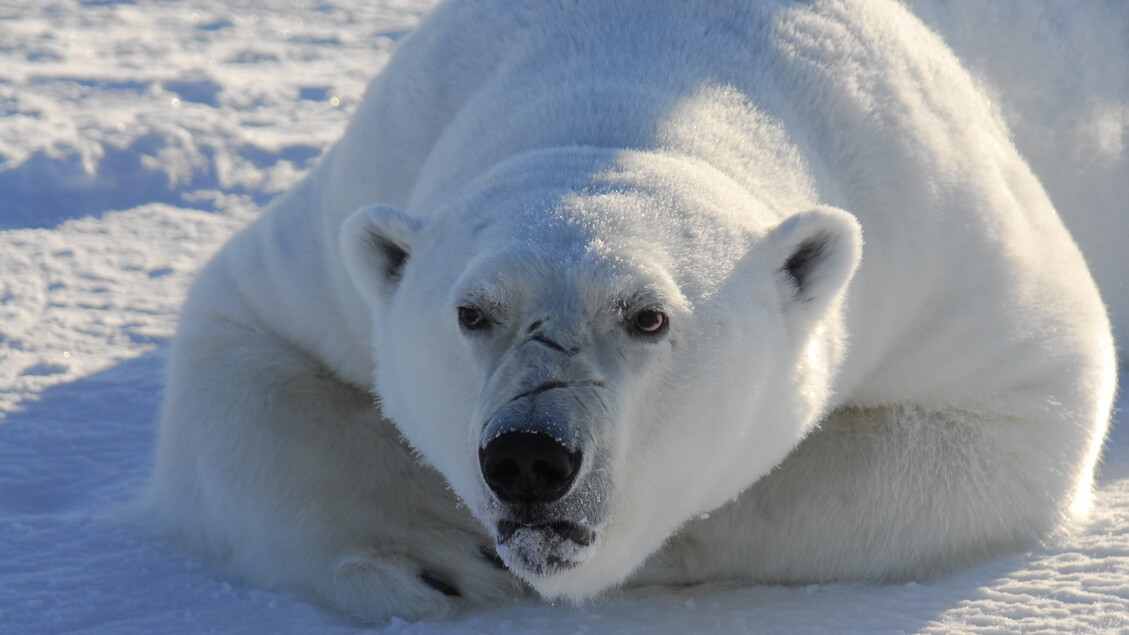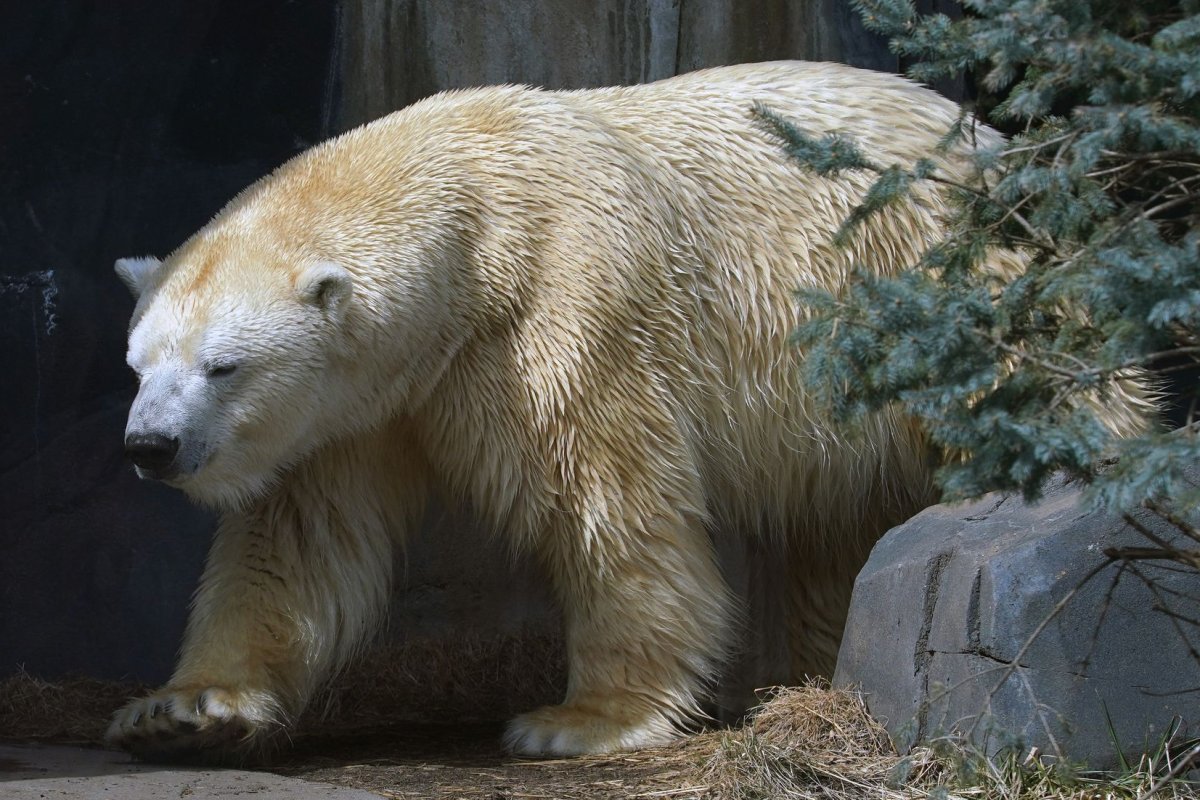
June 12 (UPI) -- Mercury concentrations in Arctic wildlife are on the rise despite reductions in mercury release, according to a new study published Thursday.
Researchers from Aarhus University and the University of Copenhagen found that ocean currents may be transporting centuries-old mercury pollution to the Arctic, the study published in the journal Nature Communications said.
"We've monitored mercury in Arctic animals for over 40 years. Despite declining global emissions since the 1970s, we see no corresponding decrease in Arctic concentrations -- on the contrary," said Professor Rune Dietz from Aarhus University said in a statement.
Mercury from coal combustion and gold mining can remain in the air for about a year but when it enters the ocean, it can stay for 300 years.
Researchers have looked at more than 700 environmental samples from animals across Greenland over the past 40 years which has led them to identify regional differences that go alongside current patterns.