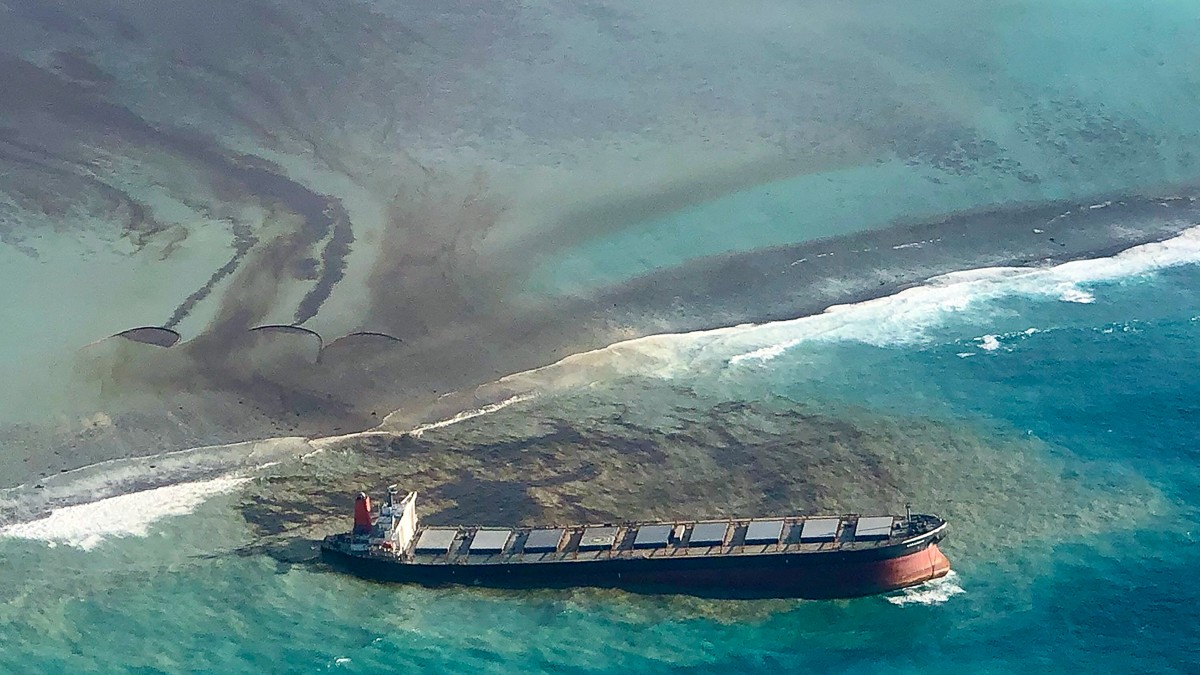
As the rising number of vessels in the icy waters increases the risk of environmental disaster, scientists are scrambling to find potential solutions
L
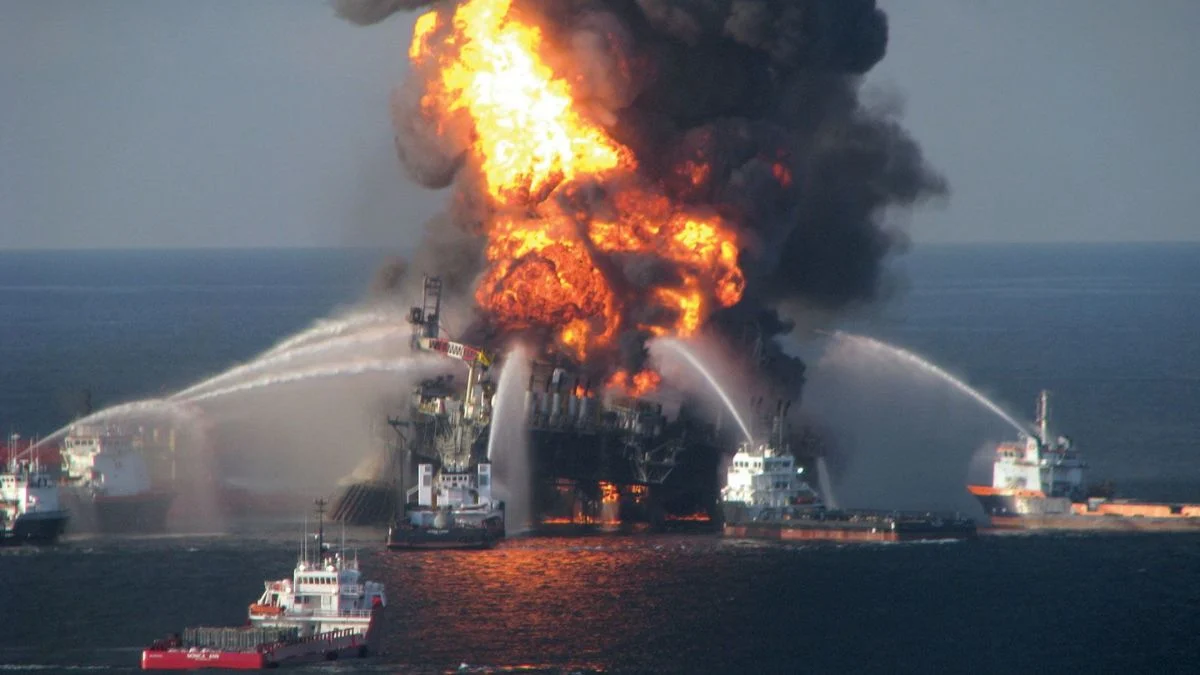
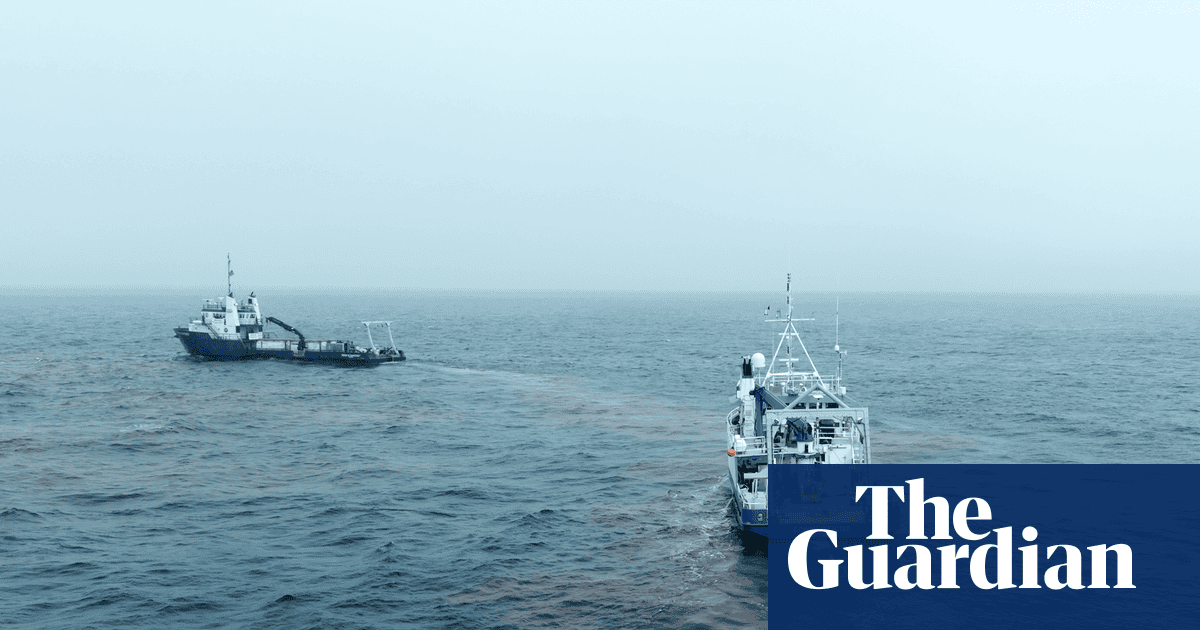
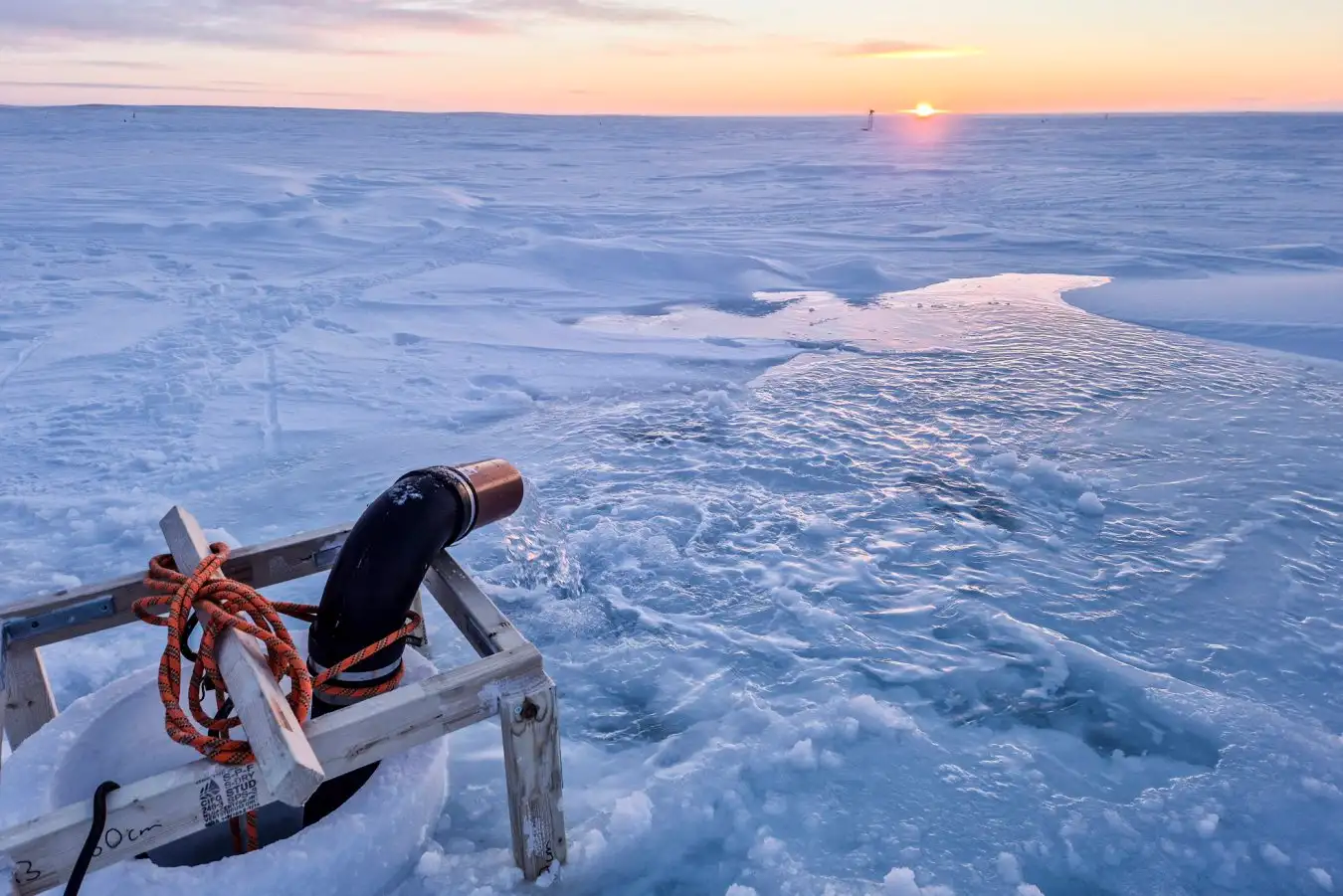
ast winter, inside the subarctic Churchill Marine Observatory in Canada, scientists embarked on an experiment they hoped would result in a gamechanging remedy for polluted Arctic waters. They released 130 litres of diesel into an ice-covered pool filled with raw seawater pumped in from Hudson Bay and added oil-eating microbes. The technique had been used successfully during the Deepwater Horizon oil spill in the Gulf of Mexico, and the scientists wanted to see if they could break down oil in colder waters.
The microbes were sluggish in response and the population showed little change after the first three weeks, says Eric Collins, a microbiologist at the University of Manitoba in Winnipeg, who led the project. But that did not last. “When we went back eight weeks later, we saw that there was a big change,” Collins says. “One particular bacterium grew to a very high abundance in the tanks and it was clear that it was feeding on the oil.” But two months is too long to wait should an oil spill occur. Time is of the essence.
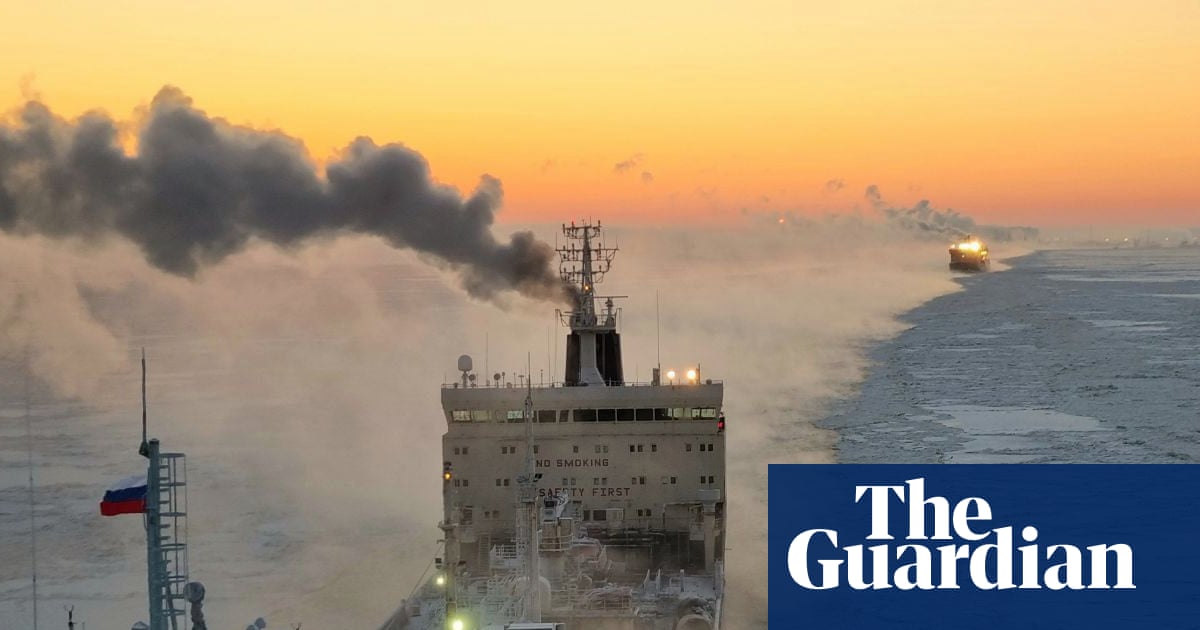
At least 100 shadow fleet ships travelled along Russia’s northern sea route last year. These are often ageing, unregulated vessels secretly transporting oil that has been placed under sanctions around the world. Just thirteen shadow fleet vessels made the journey in 2024, and none in 2023, according to data collected by the Bellona Foundation, a Norwegian nonprofit. In 2025, more than half were oil and liquefied natural gas tankers, 18 of which had low or no ice class, meaning they were not designed to operate in icy waters.