To some it was a reckless experiment but scientists hope the dispersal of 65,000 litres of sodium hydroxide into the Gulf of Maine could ease the climate crisis
F
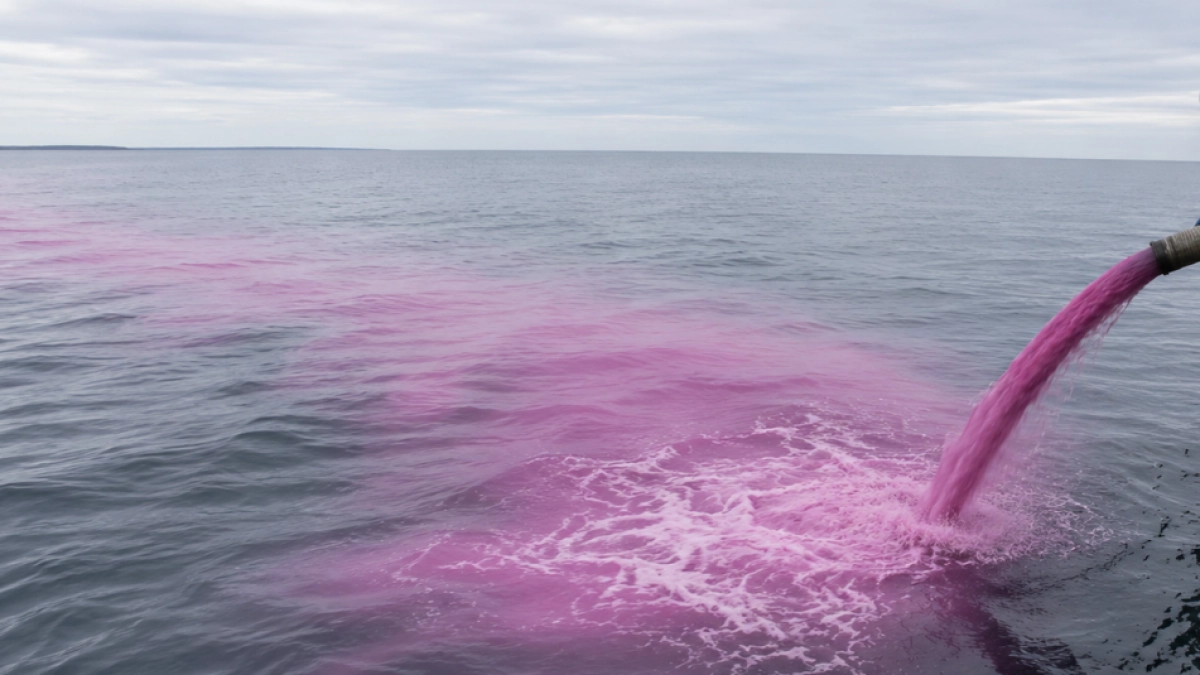
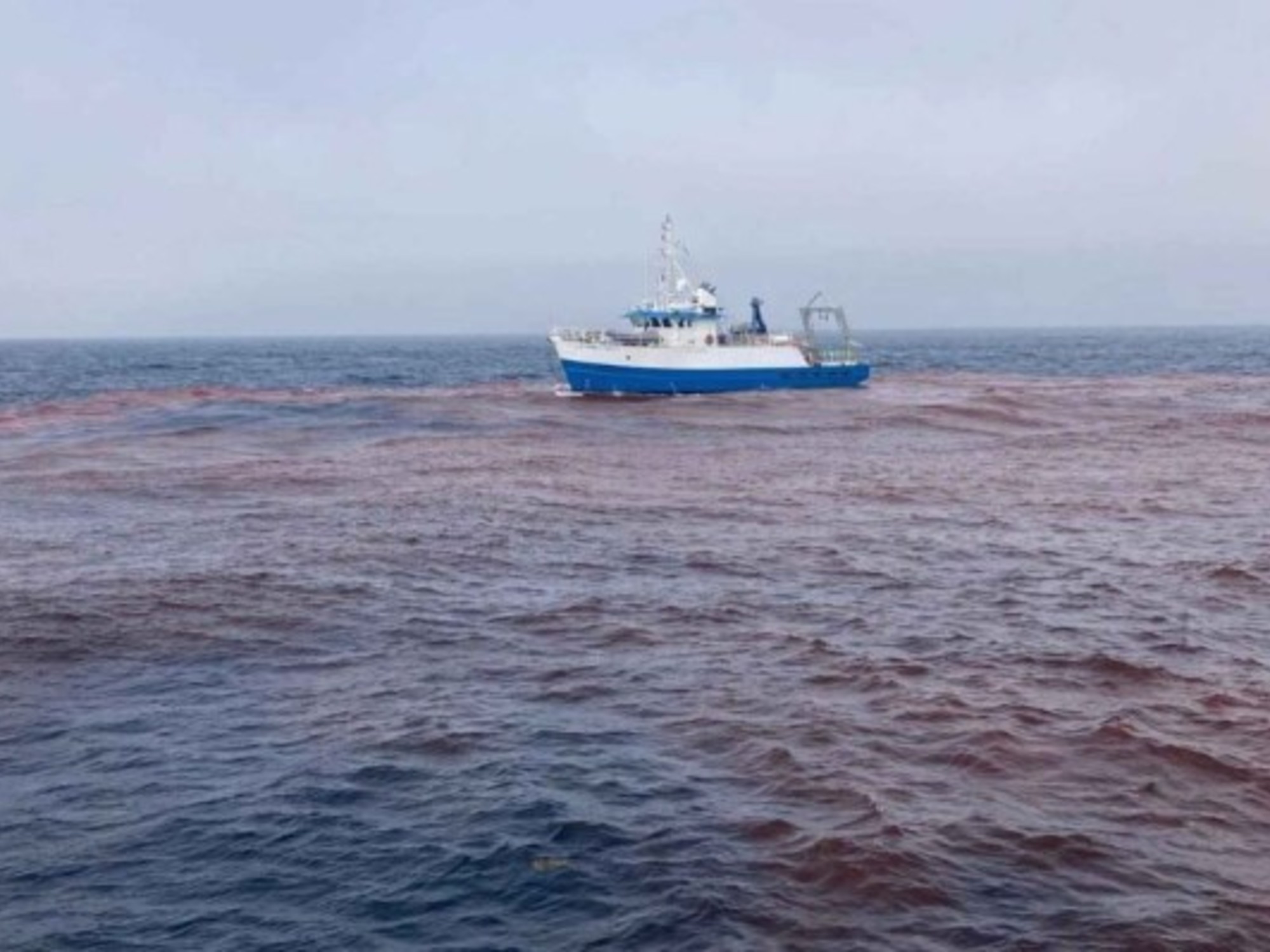
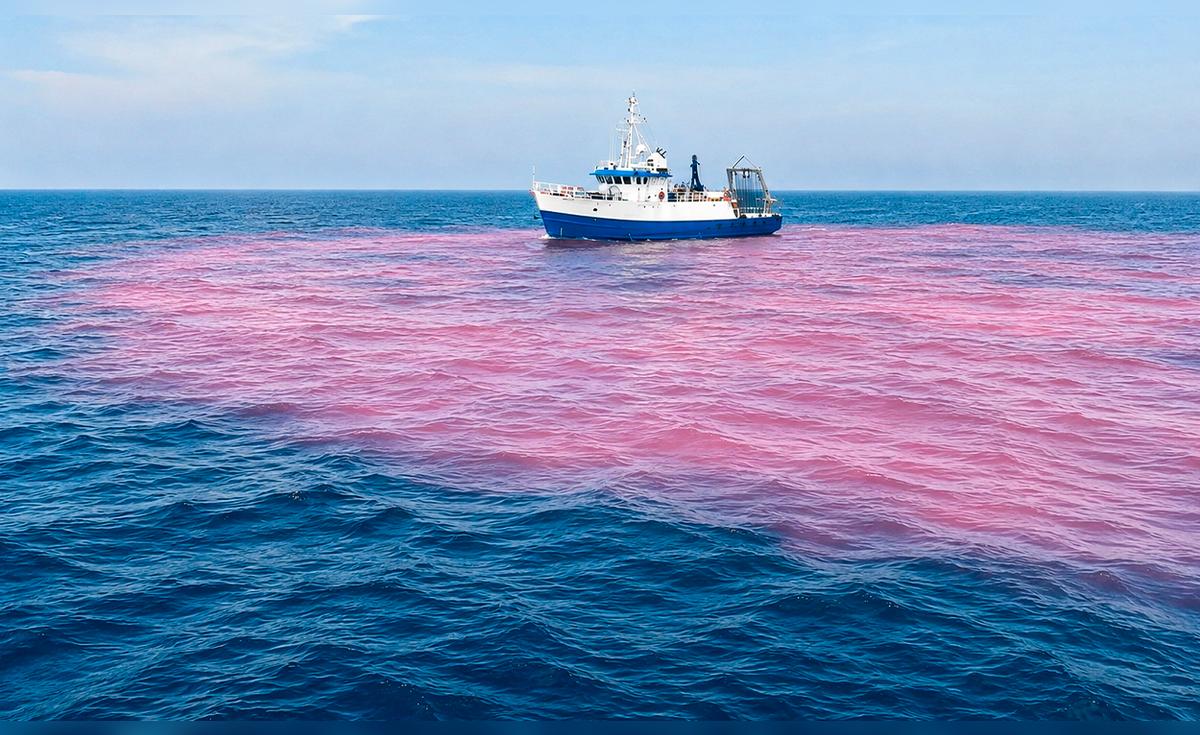
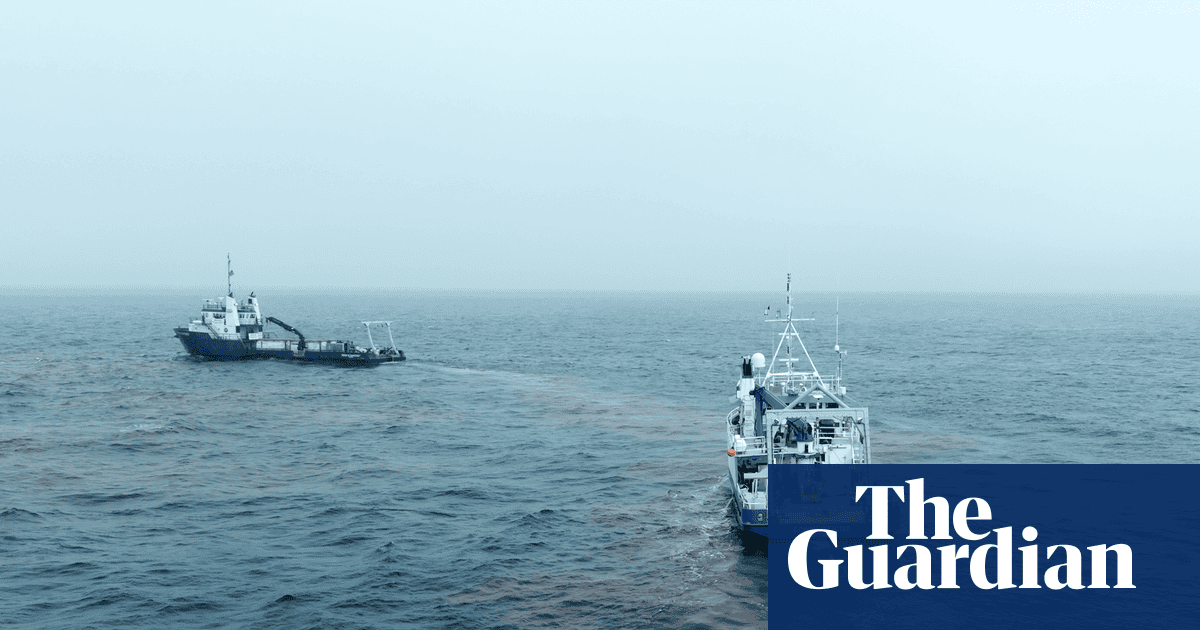
or four days last August, a thick slick of maroon bruised the waters of the Gulf of Maine. The scene, not unlike a toxic red tide, was the result of 65,000 litres of an alkaline chemical, tagged with a red dye, that had been deliberately pumped by scientists into the ocean.
Though it sounds perverse, the event was part of a scientific experiment that could advance a technology to combat both global heating and ocean acidification. Ocean alkalinity enhancement (OAE), as the approach is called, acts like natural weathering, but on human – rather than geological – timescales.
“The ocean is already incredibly alkaline. [It holds] 38,000bn tonnes of carbon, stored as dissolved bicarbonate, or baking soda,” says Adam Subhas, the lead oceanographer of the research team who announced early results from their test at the AGU Ocean Sciences Meeting in Glasgow.