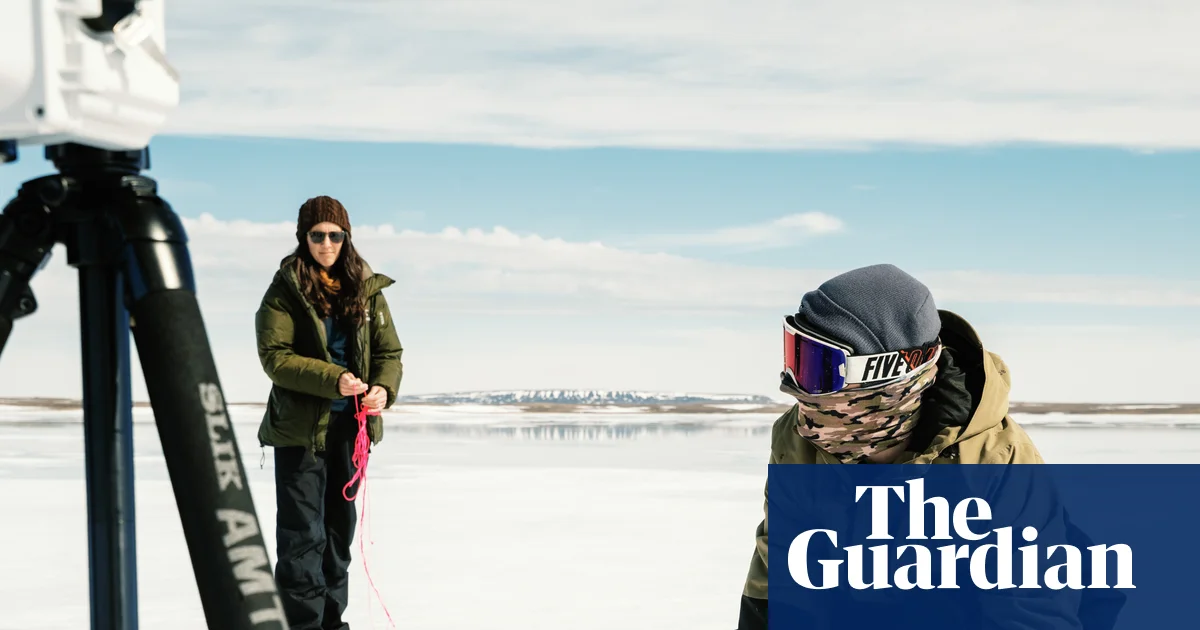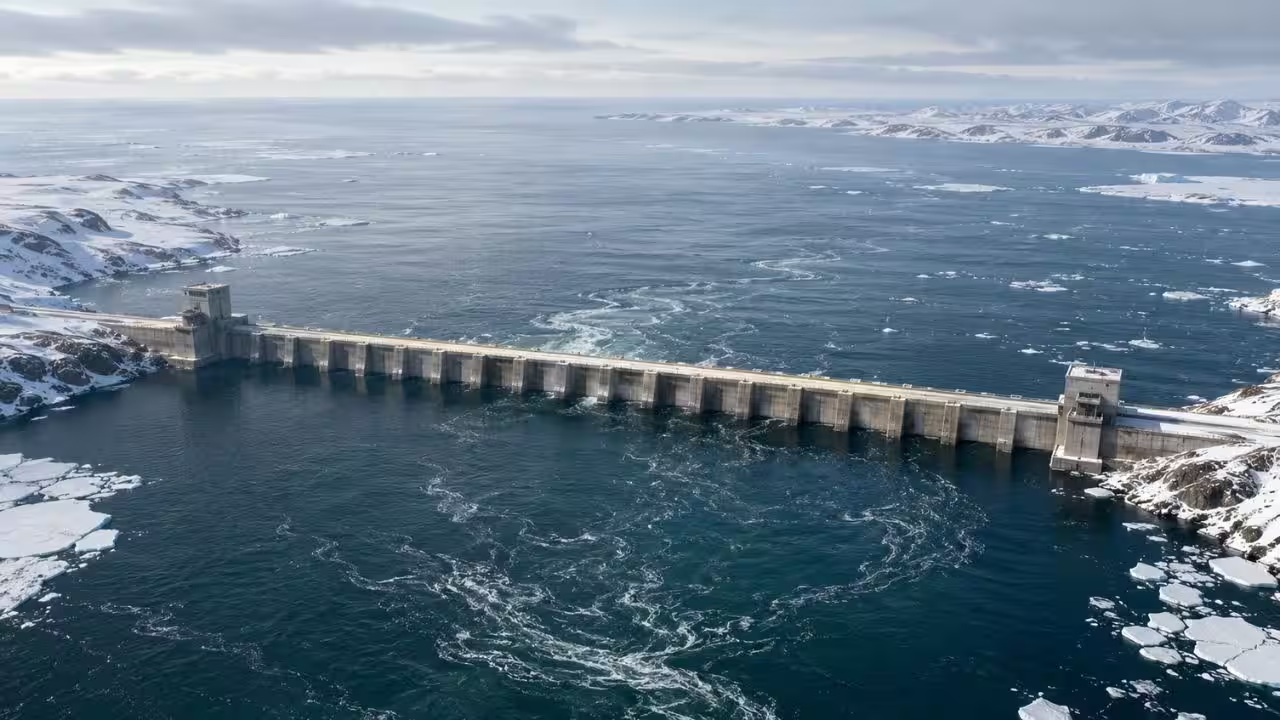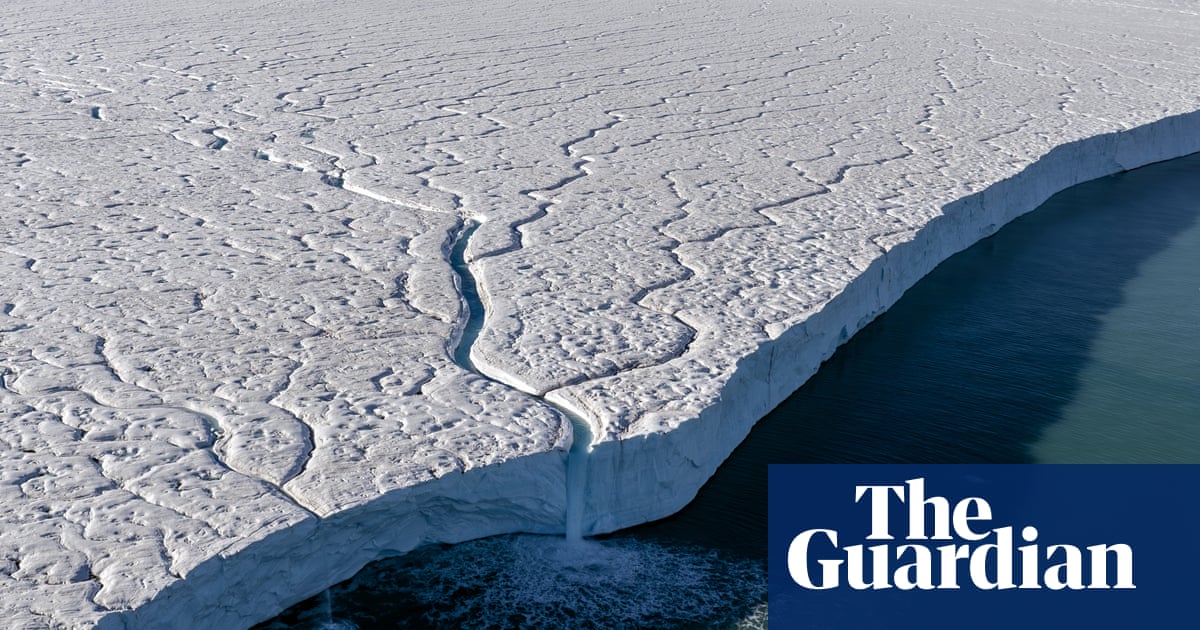
A conference in Cambridge this week will explore a raft of geoengineering ideas to cool the region down – and attempt to address the fears of those who argue the risks outweigh the benefits
W
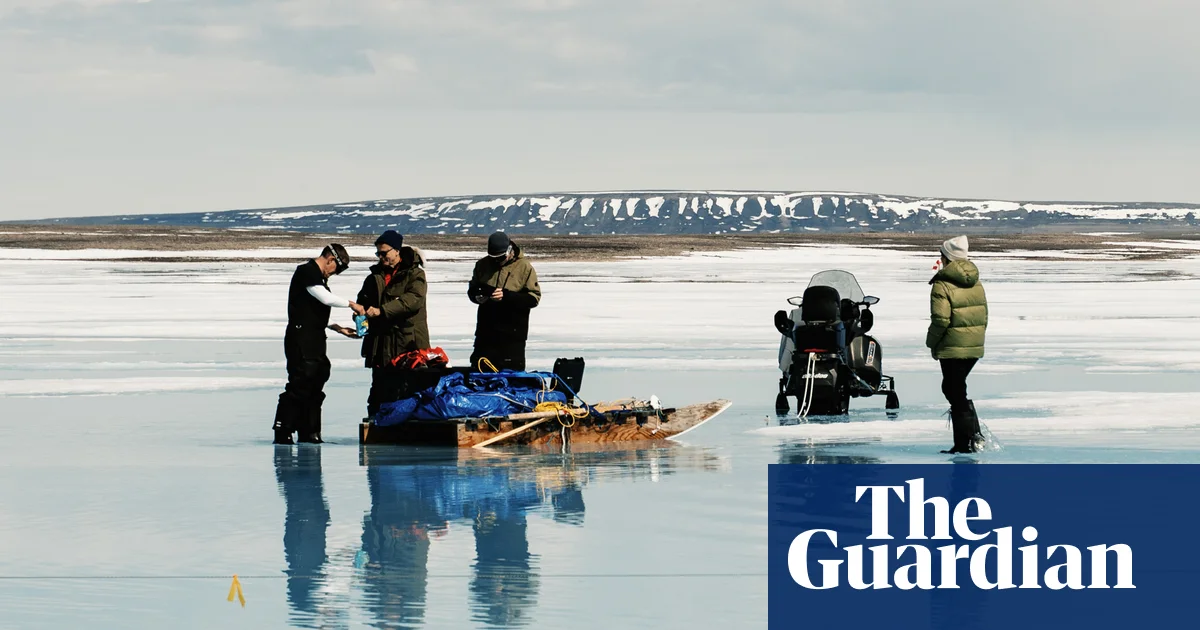
hen the glaciologist John Moore began studying the Arctic in the 1980s there was an abundance of suitable sites for him to carry out his climate research. The region’s relentless warming means many of those no longer exist. With the Arctic heating up four times faster than the global average, they have simply melted away.
Forty years on, Moore’s research network, the University of the Arctic, has identified 61 potential interventions to slow, stop and reverse the effects of the changing climate in the region. These concepts are constantly being updated and some will be assessed at a conference in Cambridge this week, where scientists and engineers will meet to consider if radical, technological solutions can buy time and stem the loss of polar ice caps.
“We want to get them down to maybe 10 [ideas] that it’s possible to proceed with. No one is talking about deployment yet,” Moore says, insisting that research is about “excluding the non-starters, the hopeless ideas”. “But we may have ideas that work if we start them now; if we don’t do something for 30 years, it could be too late.”