Researchers in China found that copper electrodes in perovskite solar cells can suffer from edge corrosion during operation, reducing device performance. The team showed that adding a thin bismuth layer helps protect the copper electrode, limiting degradation and improving the long-term stability of the solar cells.
Researchers from the Chinese Academy of Sciences (CAS) have analyzed the degradation behavior of copper (Cu) electrodes in perovskite solar cells and found that pronounced side corrosion contributes significantly to device deterioration.
The scientists explained that, despite their cost advantages compared to gold (Au) and solber (Ag) counterparts, Cu electrodes suffer from energy-level mismatch, halide-induced corrosion, and moisture-related degradation, and said that recent strategies, including buffer layers, alloying, and molecular interlayers, have improved Cu electrode stability, particularly in conventional n-i-p perovskite solar cell architectures.
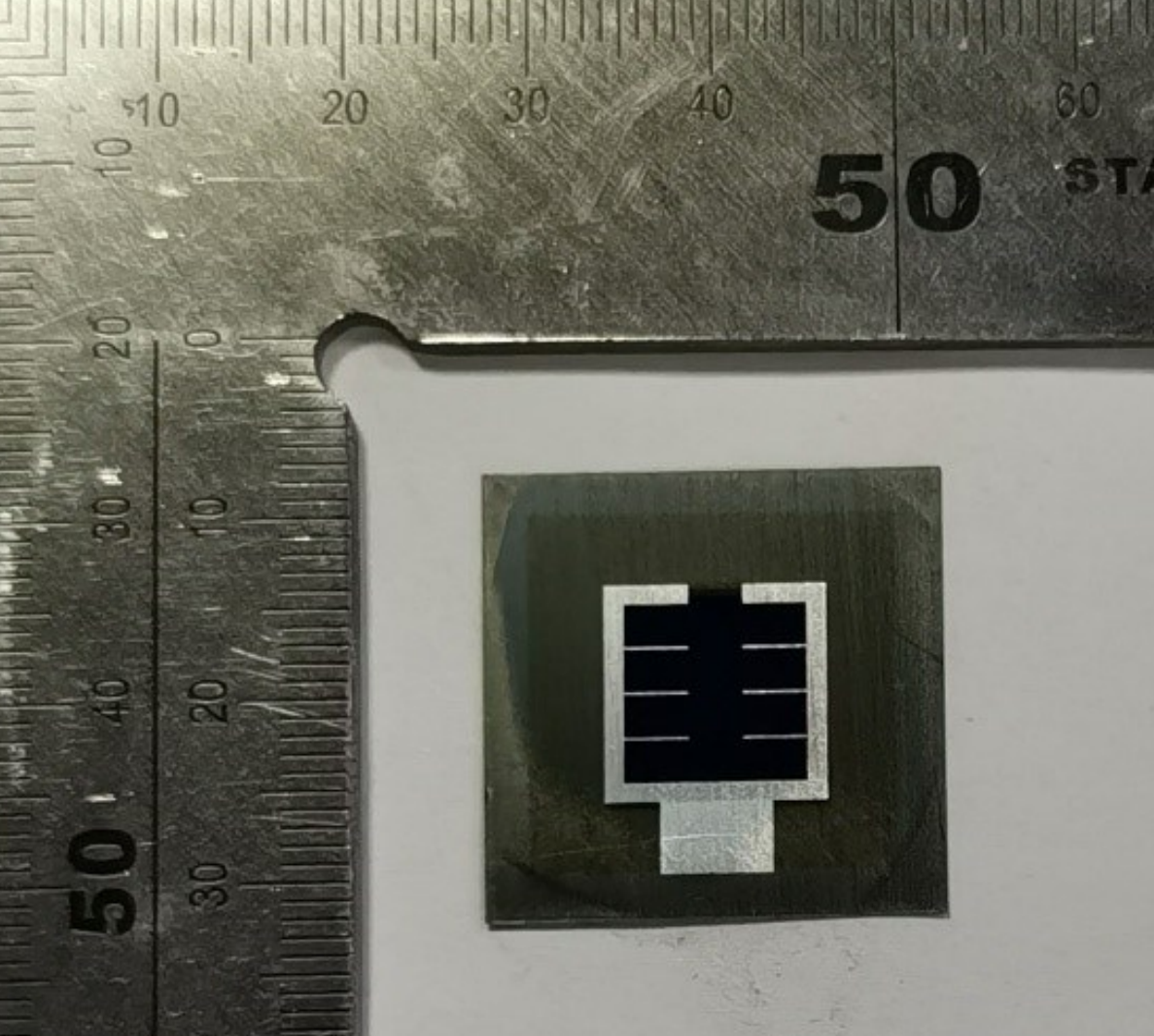
Their analysis involved a pervoskite cell typ integrating a molybdenum trioxide (MoO3) buffer layer. Initial device optimization showed that introducing the layer improved hole extraction and enabled the cell to achieve efficiencies comparable to Ag-based devices. However, operational stability tests revealed rapid performance losses due to localized side corrosion and increased interfacial resistance.