Story audio is generated using AI
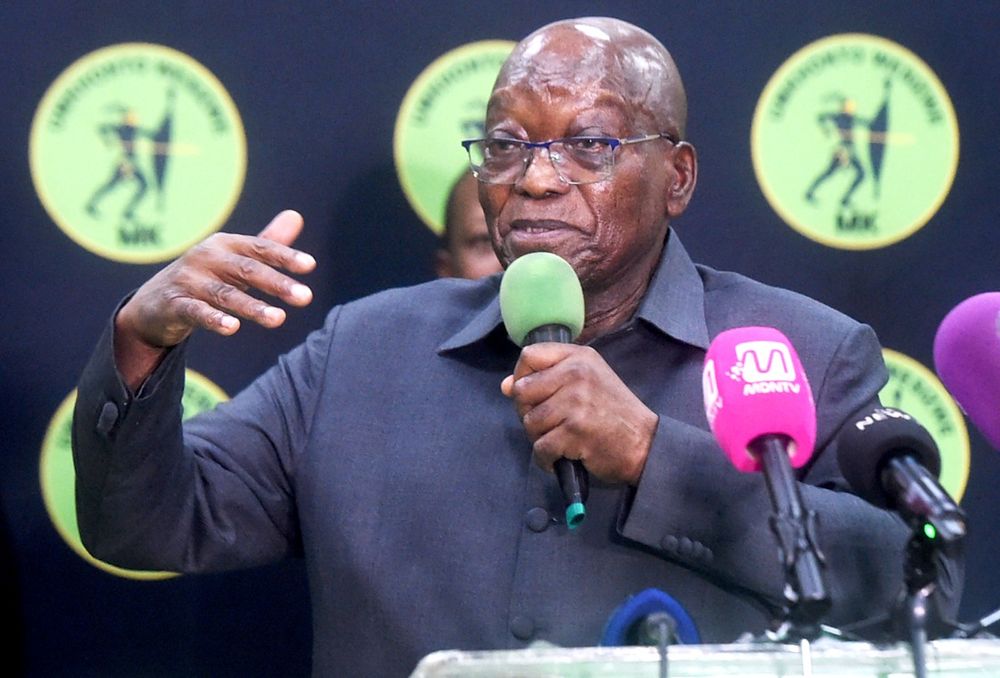
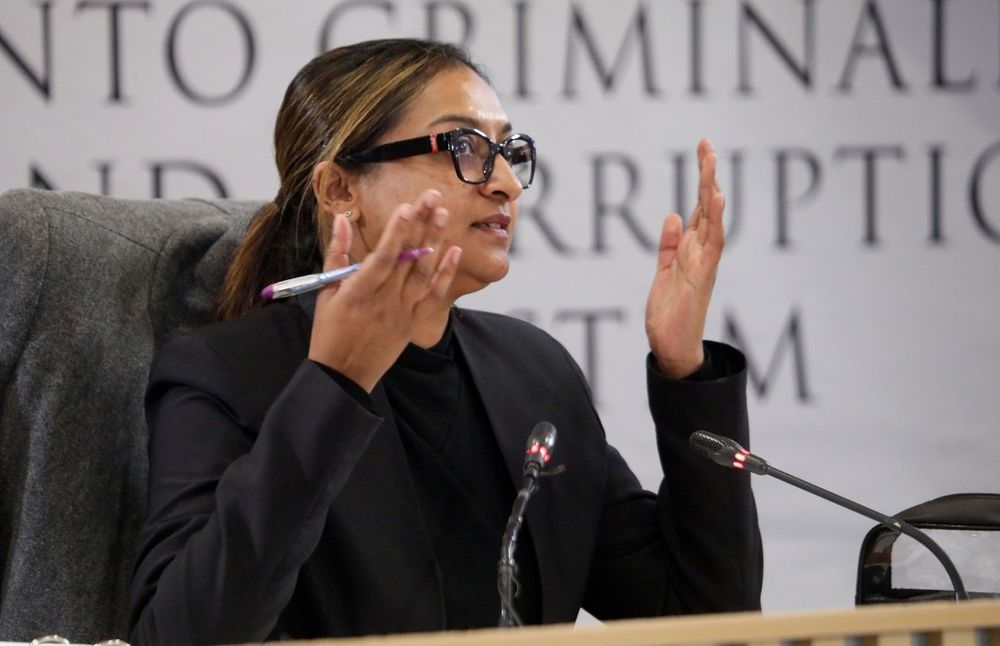
The uMkhonto weSizwe party (MK party) has moved to abolish the Investigating Directorate Against Corruption (Idac), arguing that South Africa’s fight against corruption would be better served by consolidating investigative and prosecutorial powers in existing state institutions.The party on Thursday submitted the Investigating Directorate Against Corruption Abolition Bill 2026 to parliament’s legislative drafting and legal services office for processing as a private member’s bill.Under the proposal, Idac’s investigative functions would be transferred to the Directorate for Priority Crime Investigation, commonly known as the Hawks, while its prosecutorial functions would be returned to the ordinary structures of the National Prosecuting Authority (NPA).The MK party said specialised anticorruption capacity would be retained in both institutions.“The party believes that South Africa’s fight against corruption is best served by strong, properly resourced constitutional institutions operating within a single, accountable chain of investigation and prosecution, rather than through parallel structures,” it said.The move comes just days after Idac head Andrea Johnson resigned from the position amid intense scrutiny of the directorate’s conduct before the Madlanga commission of inquiry.President Cyril Ramaphosa accepted Johnson’s resignation with immediate effect after a recommendation by justice & constitutional development minister Mmamoloko Kubayi, supported by national director of public prosecutions Andy Mothibi.Johnson’s resignation followed her testimony before the commission, where she faced questions about Idac investigations involving senior crime intelligence officials.During her evidence, Johnson made several concessions about the investigation into suspended crime intelligence bosses Lt-Gen Dumisani Khumalo and Brig Dineo Mokwele. She apologised for describing Mokwele’s appointment as a “token appointment” despite acknowledging that she had not reviewed her application. She also said she had no independent recollection of how an investigation initially involving four crime intelligence officers was expanded to 12 people.Johnson also invoked her constitutional right against self-incrimination when questioned about allegations that she disclosed a criminal docket to senior crime intelligence officer Maj-Gen Feroz Khan, who was himself under investigation.The controversy has fuelled calls for greater scrutiny of Idac’s work. The Sunday Times reported that the Organisation Undoing Tax Abuse (Outa) had called for an independent review of active Idac cases potentially affected by evidence before the Madlanga commission.While critical of the conduct exposed during the inquiry, Lawson Naidoo, executive secretary of the Council for the Advancement of the South African Constitution, argued that the institution itself should not be dismantled.“Idac is too important to be allowed to fail because of its leadership,” Naidoo said, according to the Sunday Times.The directorate has also faced questions about its oversight mechanisms. TimesLIVE reported that retired judge Takalani Raulinga, appointed as the first judge to oversee Idac, has a mandate to investigate complaints involving abuse of power, improper conduct and maladministration.The oversight framework only came into effect on March 1 this year, despite the legislation providing for the oversight judge having been passed in May 2024.Idac has nevertheless played a big role in several high-profile corruption investigations. In June, it arrested KwaZulu-Natal corrections commissioner Mnikelwa Nxele in connection with an alleged R20m fraud and money-laundering matter after the Hawks referred the case to the directorate.It has also been involved in investigations into senior crime intelligence officials, including Khumalo, who was arrested with other senior officers in June 2025 in connection with allegations regarding the appointment of Mokwele.The proposed abolition also comes against the backdrop of a broader debate about how South Africa should structure its permanent anticorruption machinery.In his February 2026 state of the nation address, Ramaphosa said the government would finalise its approach to a recommendation by the National Anti-Corruption Advisory Council for a permanent, independent overarching anticorruption body.The MK party’s bill now places the future of Idac directly before parliament, where it will have to undergo the legislative process for private members’ bills.The party said it will provide more details as the parliamentary process unfolds.TimesLIVE