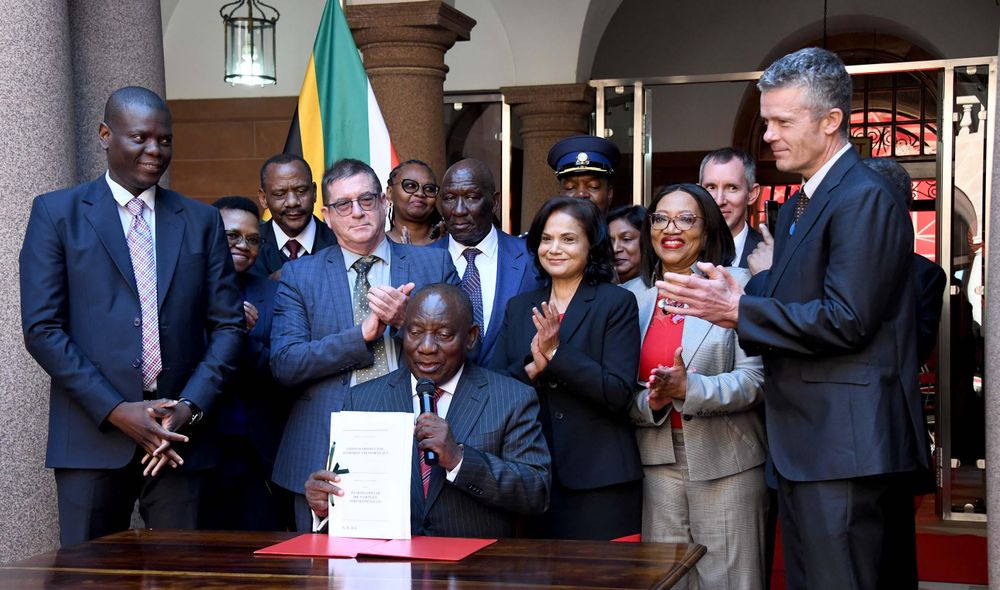
President Cyril Ramaphosa signed into law the National Prosecuting Authority Amendment Bill at the Union Buildings in Pretoria on May 24, 2024. The amended legislation enabled the establishment of the Investigating Directorate against Corruption (IDAC). Merging state authority and classified intelligence with private interests can undermine state sovereignty, judicial impartiality and public trust if safeguards and accountability mechanisms are not clearly defined, says the writer.
Dr. Reneva Fourie
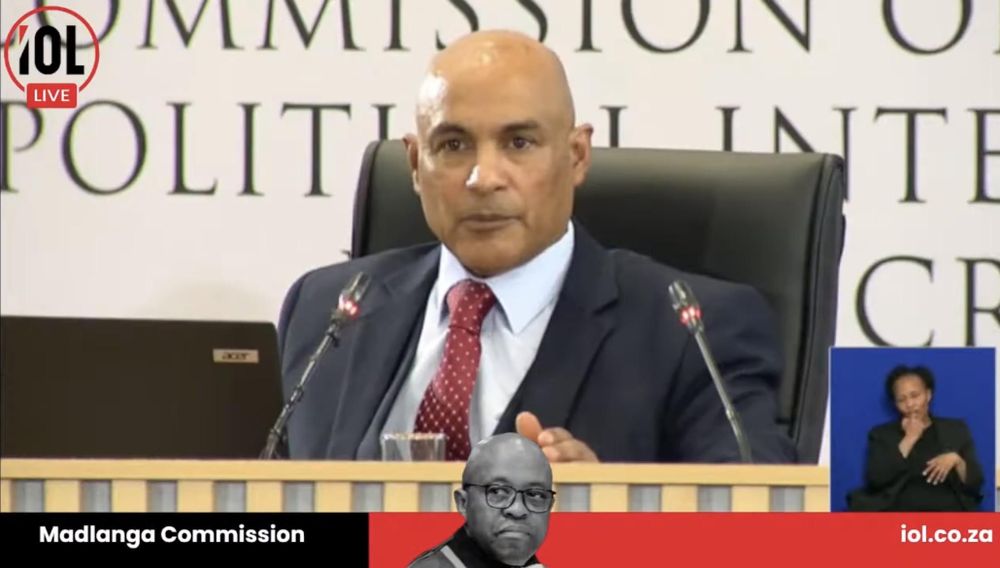
Over the past few days, the Madlanga Commission, established by President Cyril Ramaphosa in 2025 to investigate alleged collusion between criminal syndicates and certain politicians, police officials and prosecutors, has focused on the Investigating Directorate Against Corruption (IDAC).
Although the commission has not yet reached any findings, the proceedings have highlighted significant institutional concerns. Allegations suggest that senior IDAC leadership may have unduly interfered with investigations, that investigations and prosecutions may have been selective, and that the organisation faces internal leadership challenges.
Tensions and overlapping mandates among IDAC, the Hawks, SAPS Crime Intelligence, and the National Prosecuting Authority (NPA) have also surfaced. Since the NPA's oversight of IDAC is limited to administrative matters, the key governance issue is determining who holds operational accountability for IDAC.