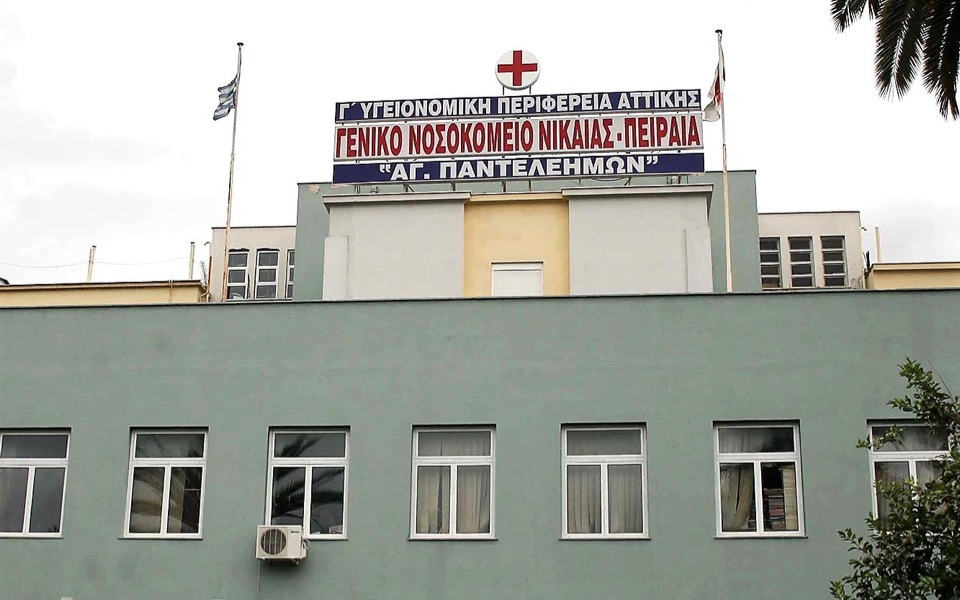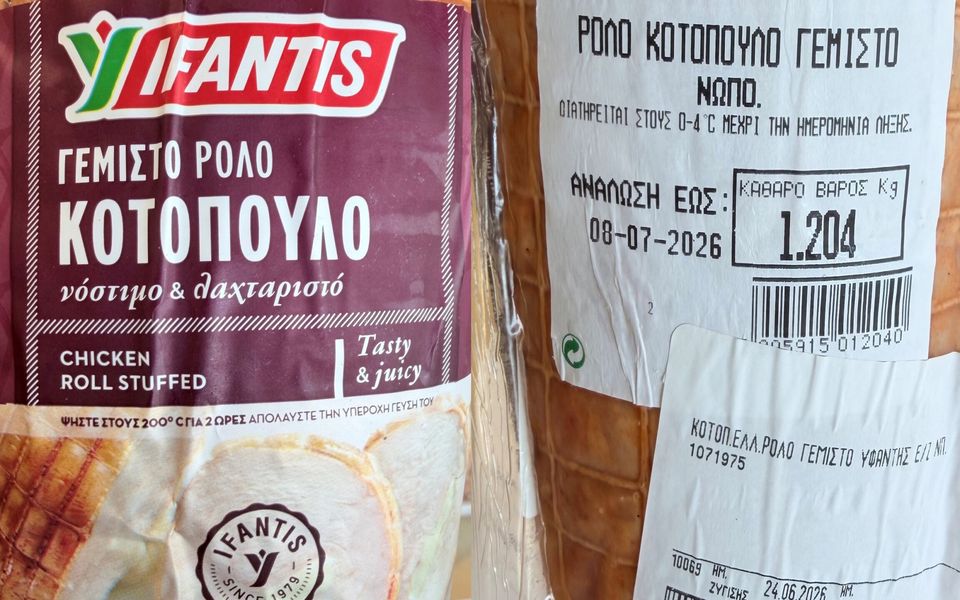
Health authorities in Greece are investigating three separate salmonella outbreaks that have affected dozens of people and led to hospitalizations in Athens, Lamia and Kastoria in recent weeks.
Although each case is being examined separately and authorities are investigating different possible sources of contamination, officials say identifying the food or raw ingredient responsible for the spread of Salmonella can be a lengthy process.
The National Public Health Organization (EODY) is leading the epidemiological investigations, while the Hellenic Food Authority (EFET) and regional authorities are carrying out inspections, collecting food samples and tracing raw materials and suppliers in an effort to identify the source and route of transmission.
With investigations still underway, EFET President Antonis Zambelas said an increase in salmonella cases during the summer months is common, prompting the authority to step up inspections and sampling during the warmer season.
“The main reason is the heat, as salmonella multiplies rapidly when food remains at temperatures between 5 and 60 degrees Celsius,” Zambelas said. He added that improper food handling, often linked to seasonal workers who may be unfamiliar with strict hygiene rules, as well as the increased frequency of eating outdoors during the summer, also contribute to the rise in cases.