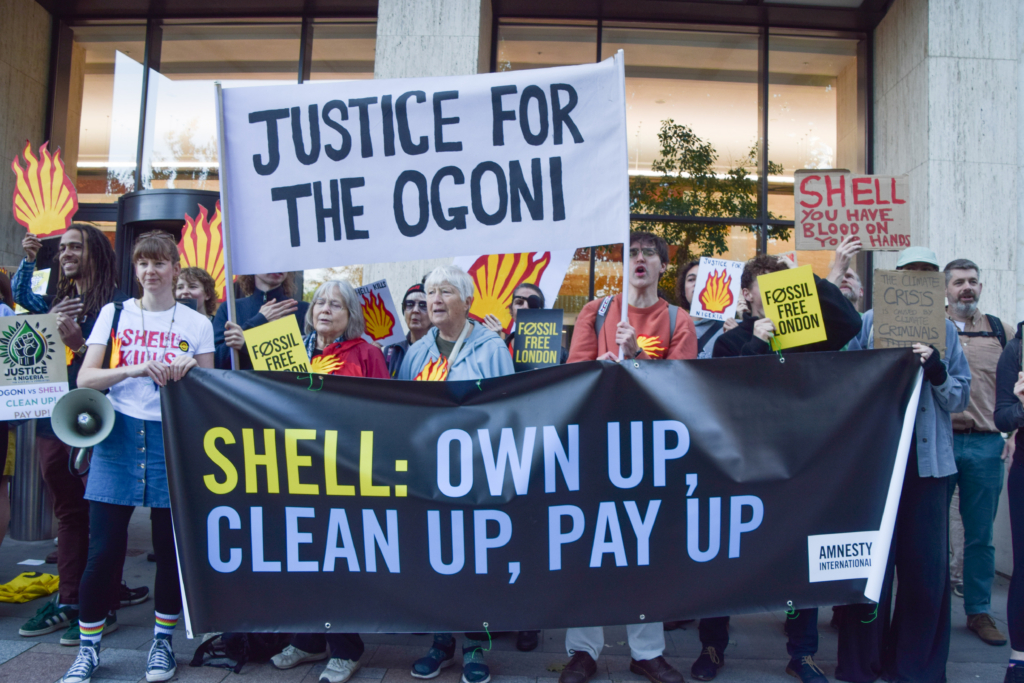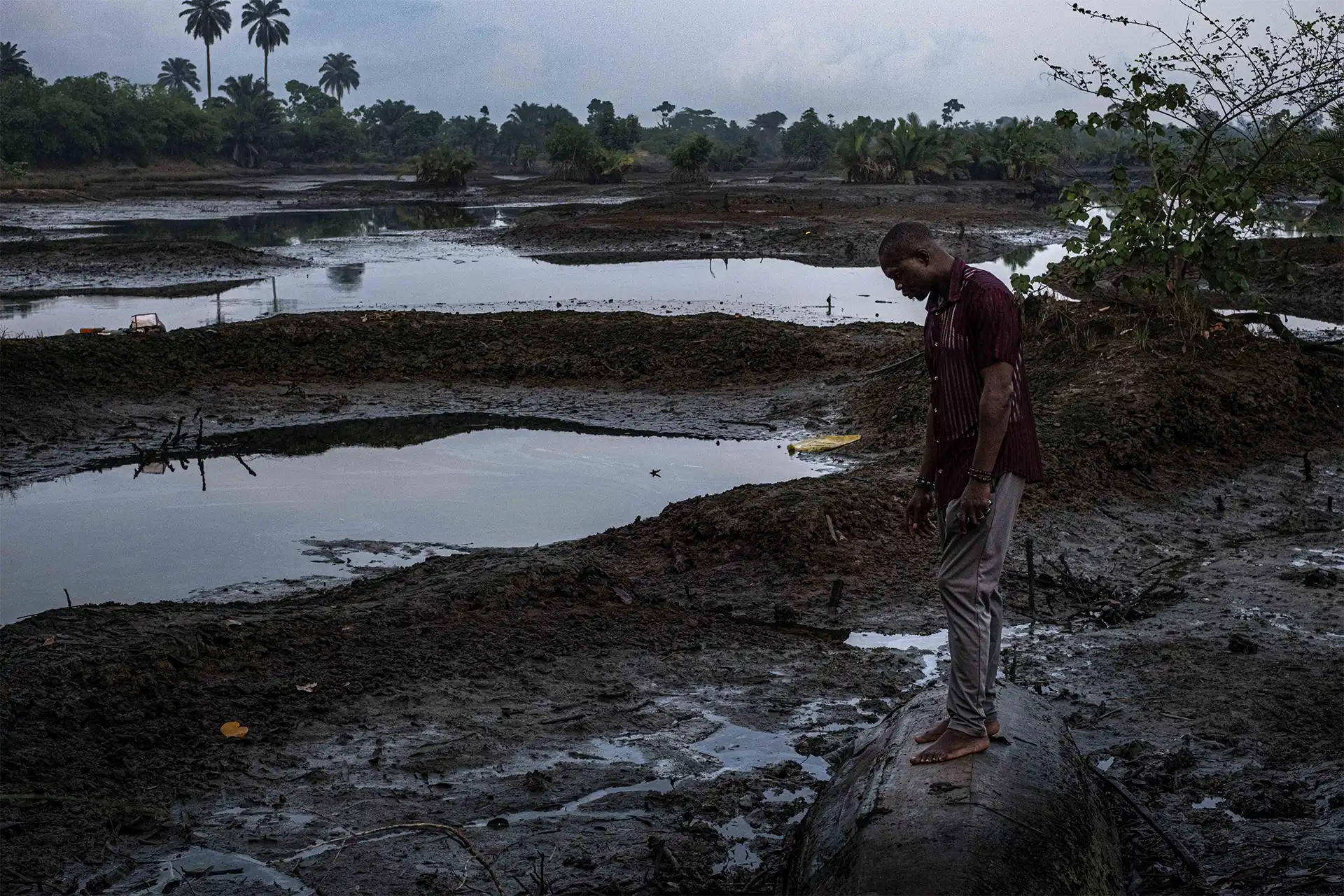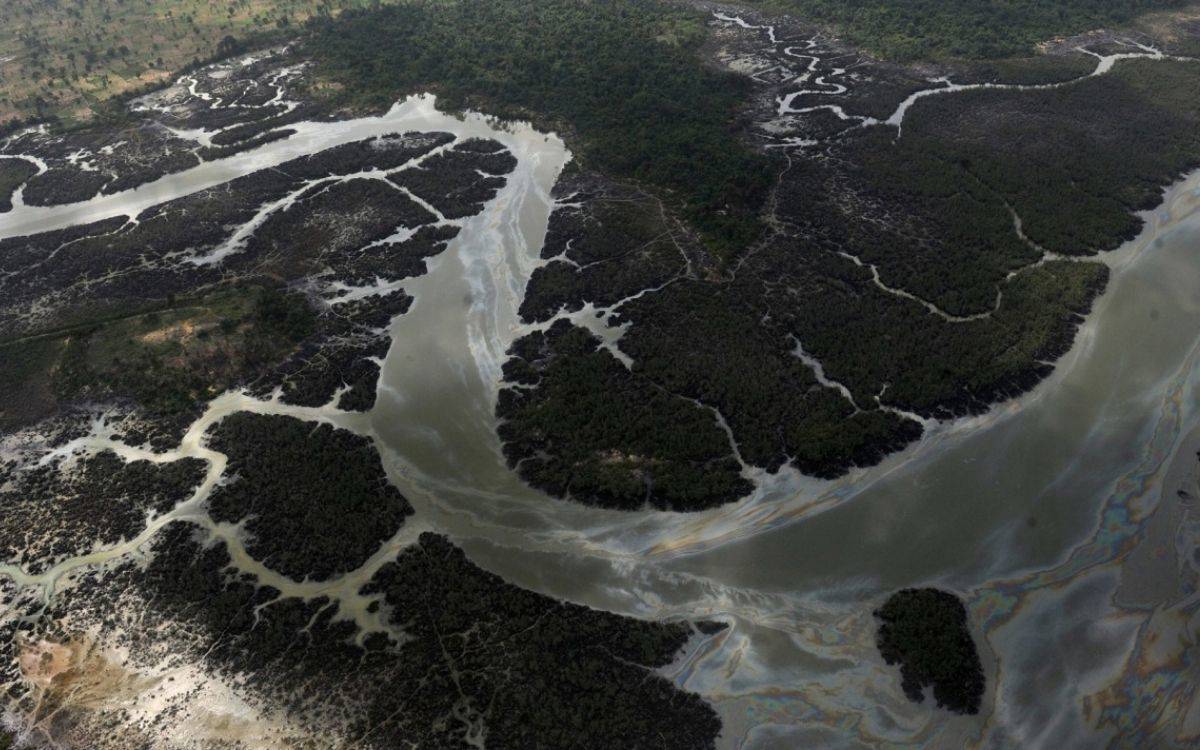
Internal Shell documents disclosed in a United Kingdom court case have exposed what rights groups describe as years of neglected infrastructure, weak environmental oversight and attempts to minimise the cost of pollution in Nigeria’s oil-producing Niger Delta, raising fresh questions over the company’s environmental record before its exit from the country’s onshore oil business.
The findings are contained in a new report, Nigeria: Lifting the Lid, published recently by Amnesty International and seven environmental and human rights organisations.
The report analyses confidential Shell emails, technical audits, presentations and internal reviews disclosed during ongoing legal proceedings in the UK.
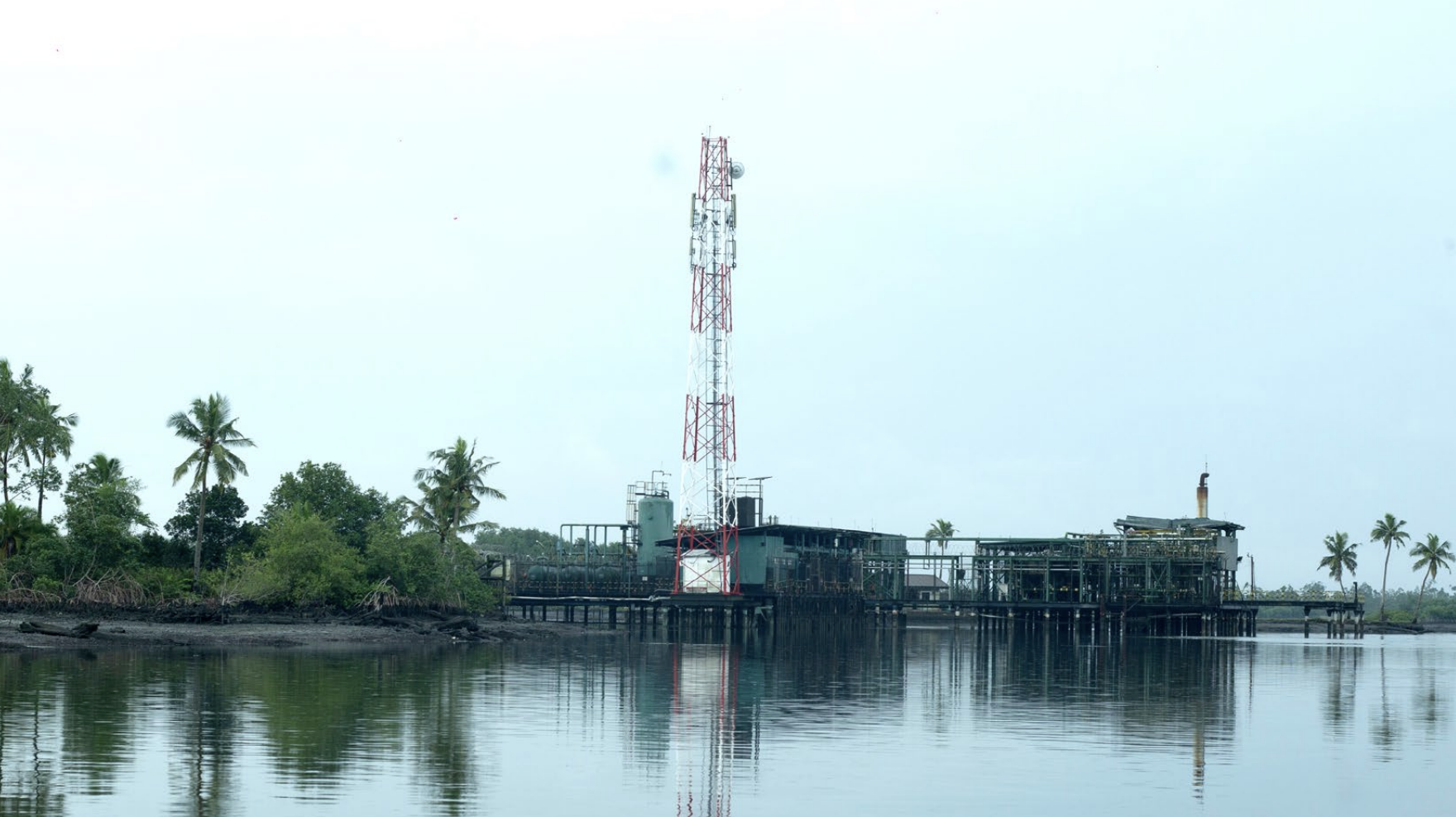
It alleges that Shell knew of serious integrity failures in its pipelines and oil wells, exempted its Nigerian subsidiary from some internal safety standards, and delayed decommissioning ageing facilities despite acknowledging the environmental risks.
The revelations come barely a year after Shell completed the sale of its former onshore subsidiary, Shell Petroleum Development Company (SPDC), to Renaissance Africa Energy, a transaction that drew widespread concerns from environmental campaigners over responsibility for decades of oil pollution across the Niger Delta.