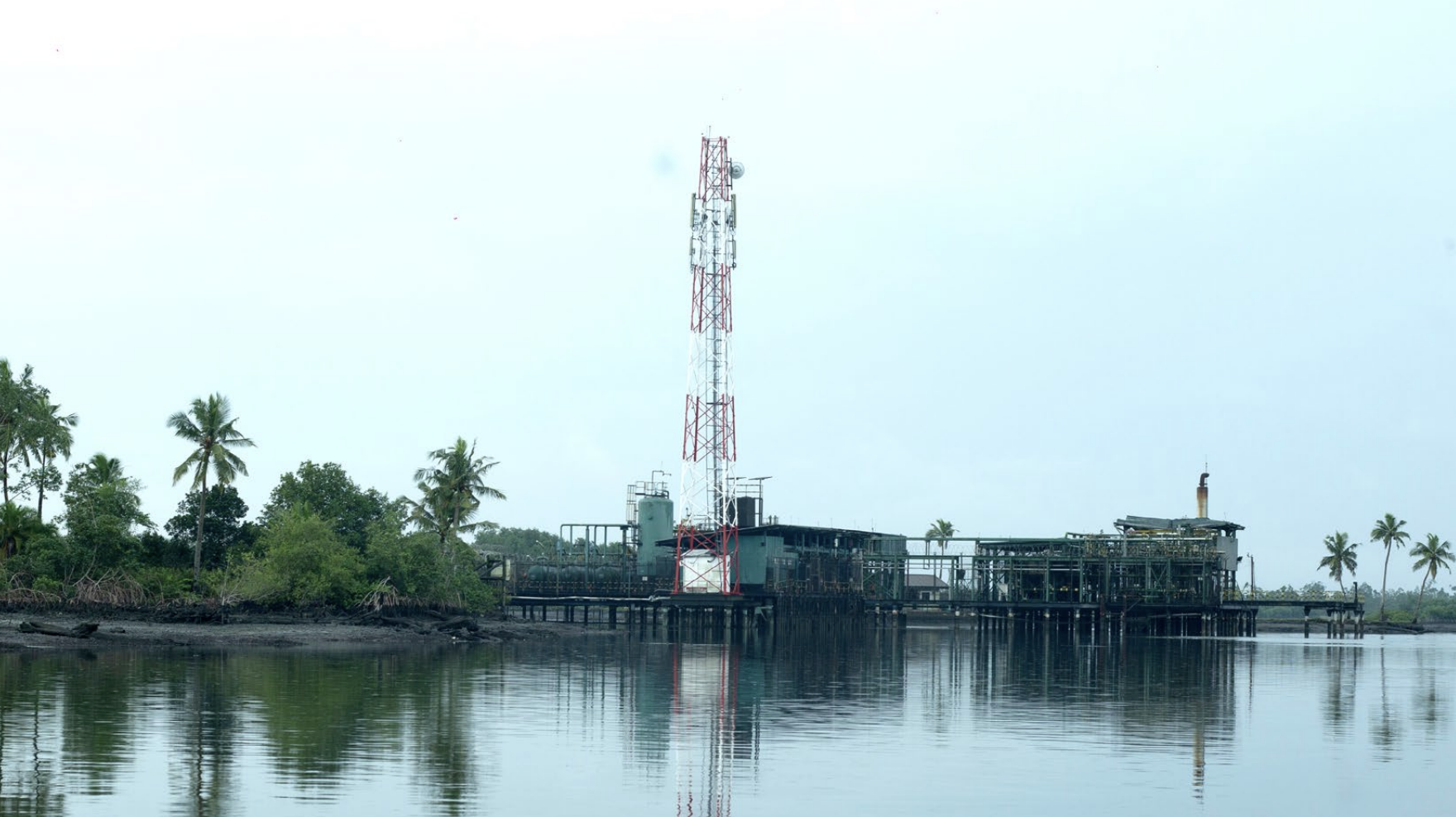
The investigation found particularly sharp increases in several Niger Delta assets.
A fresh investigation has raised concerns over the environmental impact of oil giant Shell’s exit from onshore operations in Nigeria, alleging that gas flaring has surged at several oil fields sold to Renaissance Africa Energy Company, even as Shell continues to maintain commercial links to some of the assets.
The findings, published by nonprofit research organisation Data Desk and shared with Climate Home News, noted that routine gas flaring increased significantly across many of the oil blocks transferred to Renaissance following Shell’s $2.4billion divestment of its Nigerian onshore subsidiary in 2025.
The report comes just months after Shell announced it had achieved zero routine flaring across its global operations, making it the first major international energy company to reach the target ahead of a 2030 deadline set by the World Bank.
According to Data Desk, satellite imagery and emissions data indicate that daily gas flaring rose in 10 out of 13 Renaissance-operated oil blocks where flaring activity was detected during the year following the acquisition.