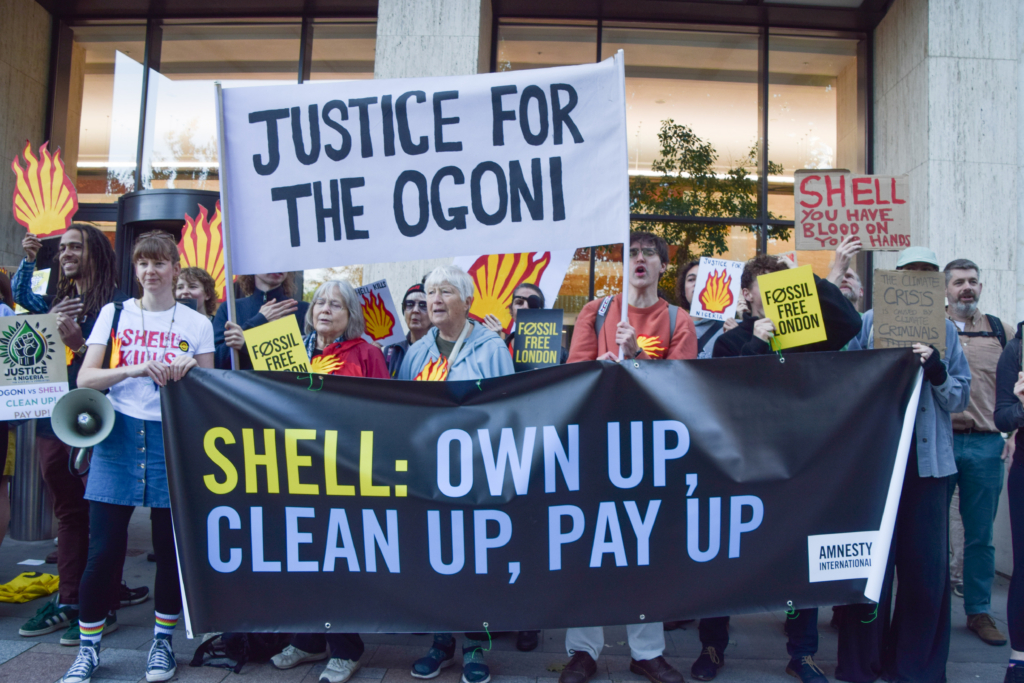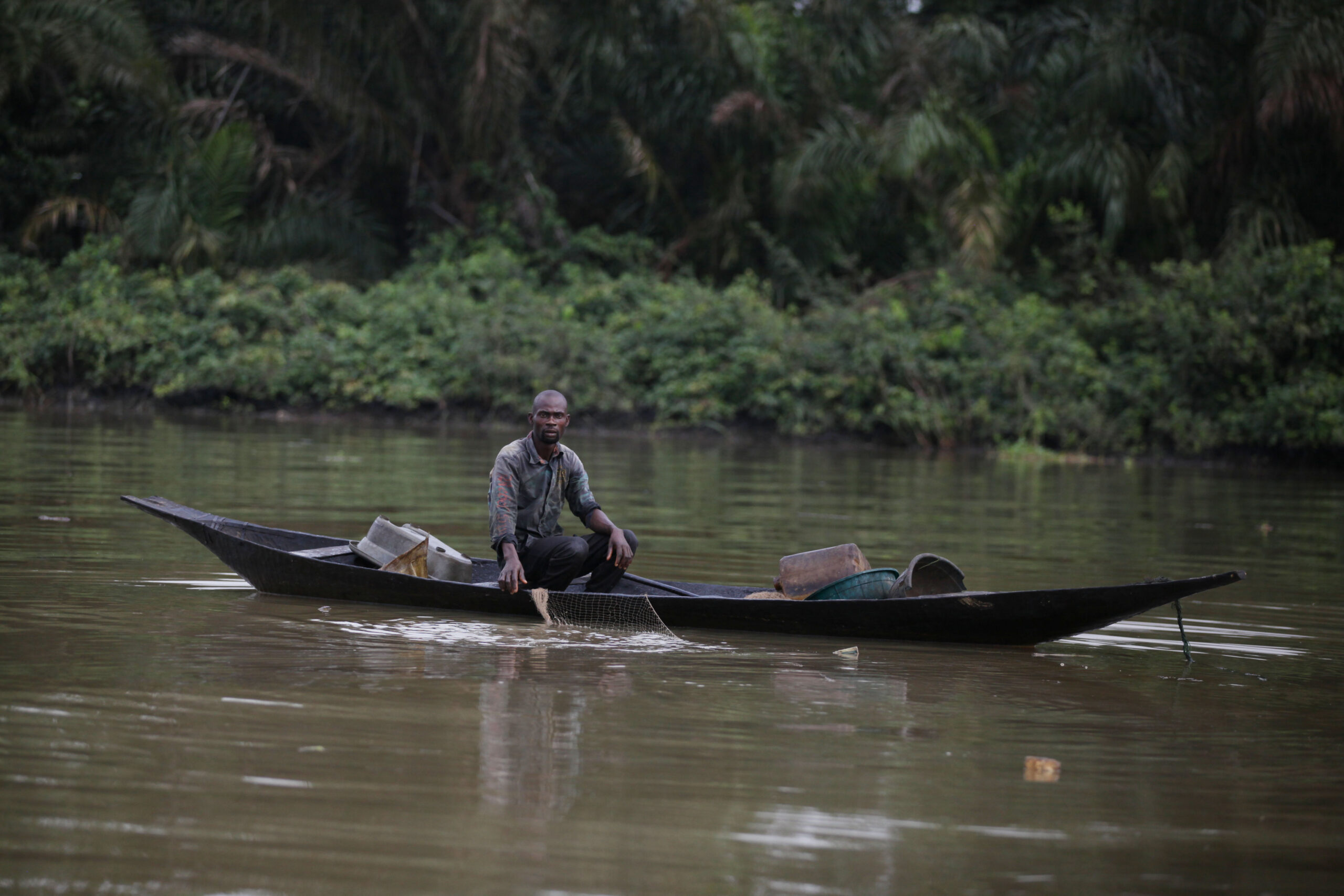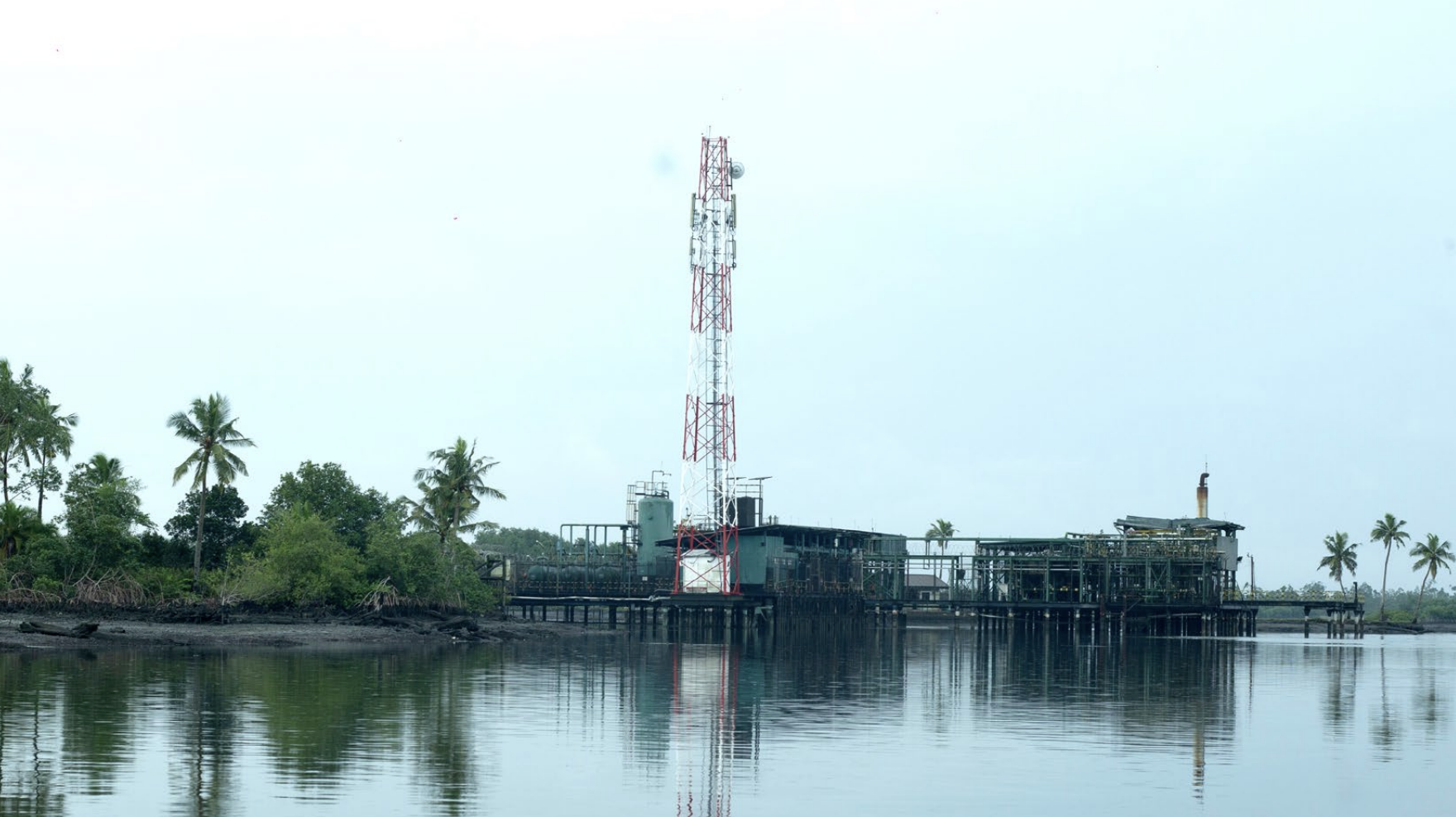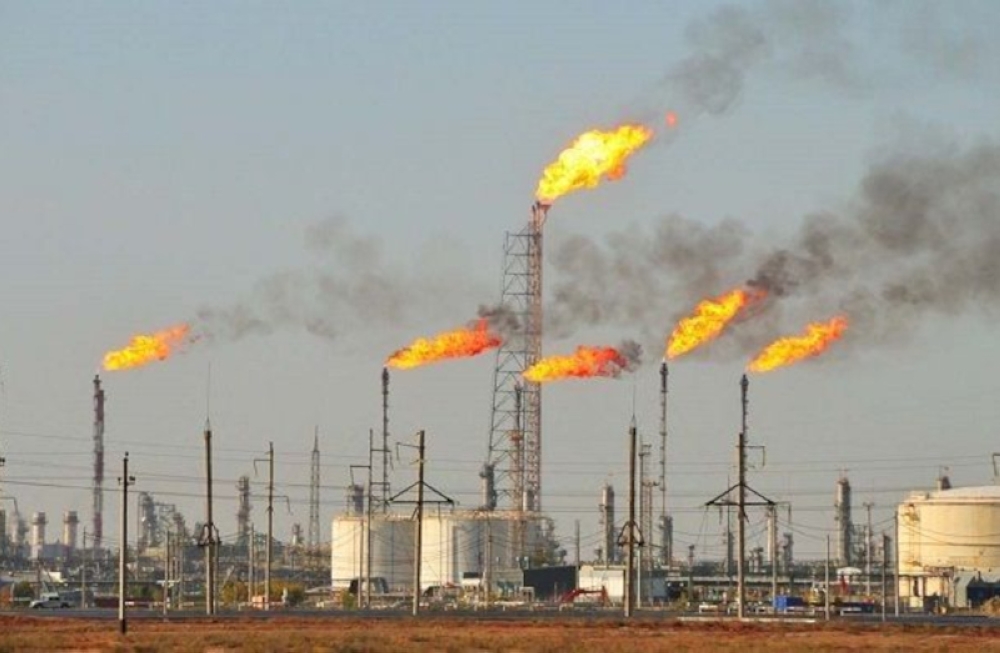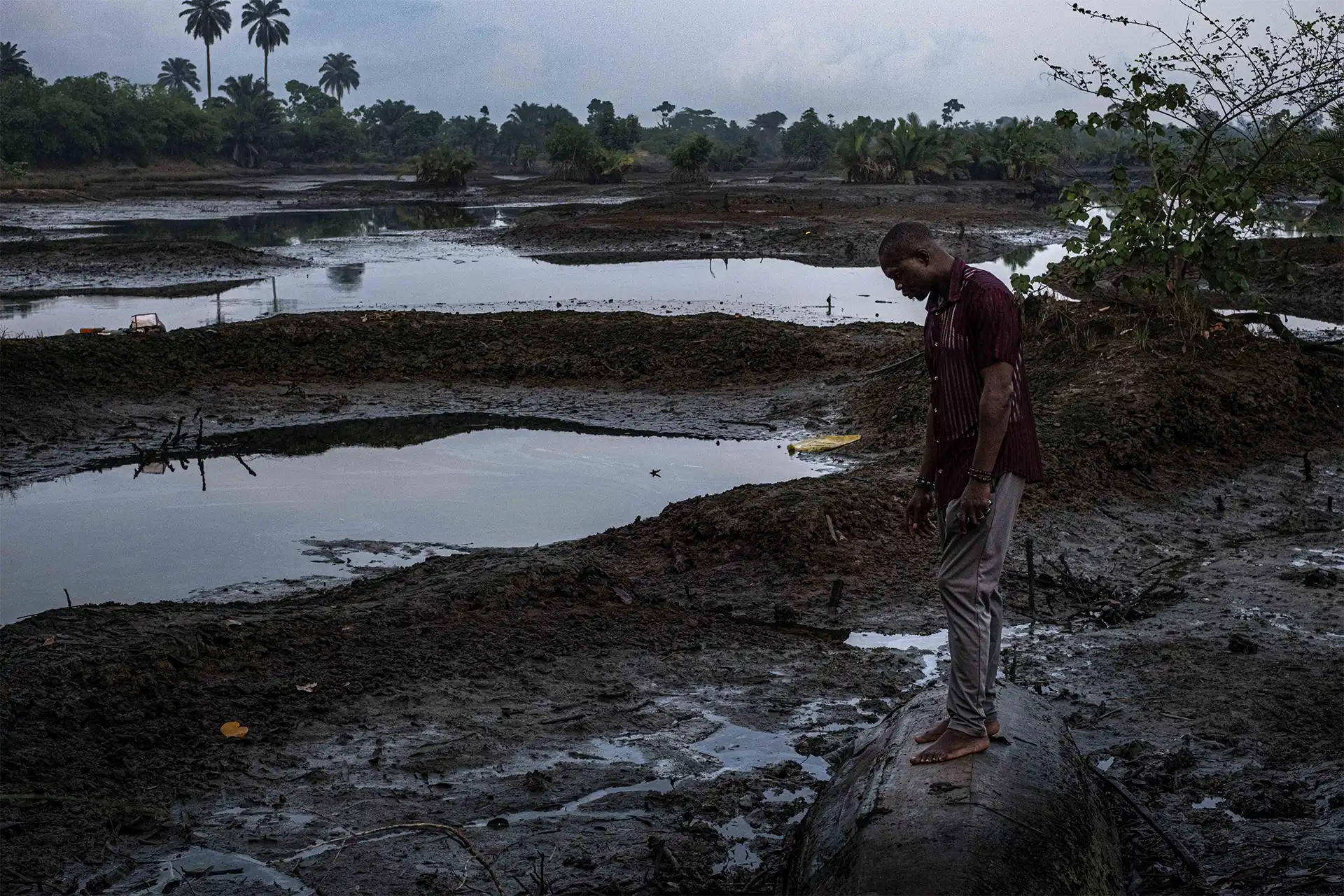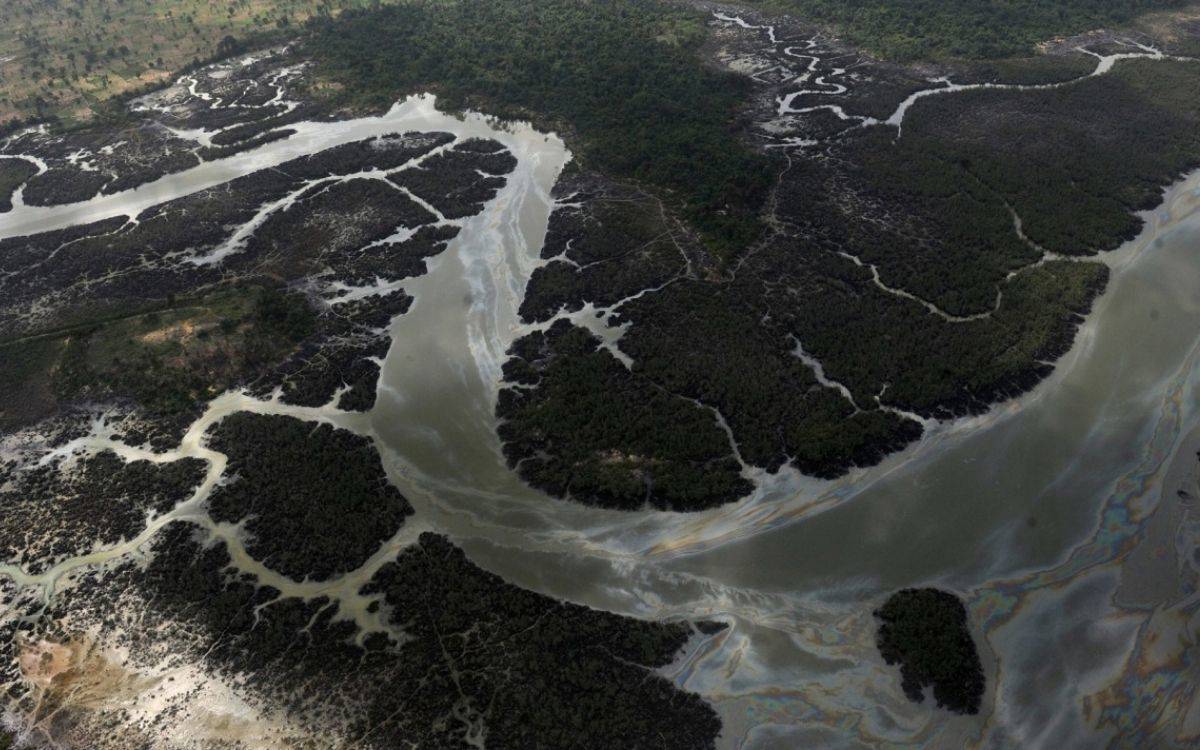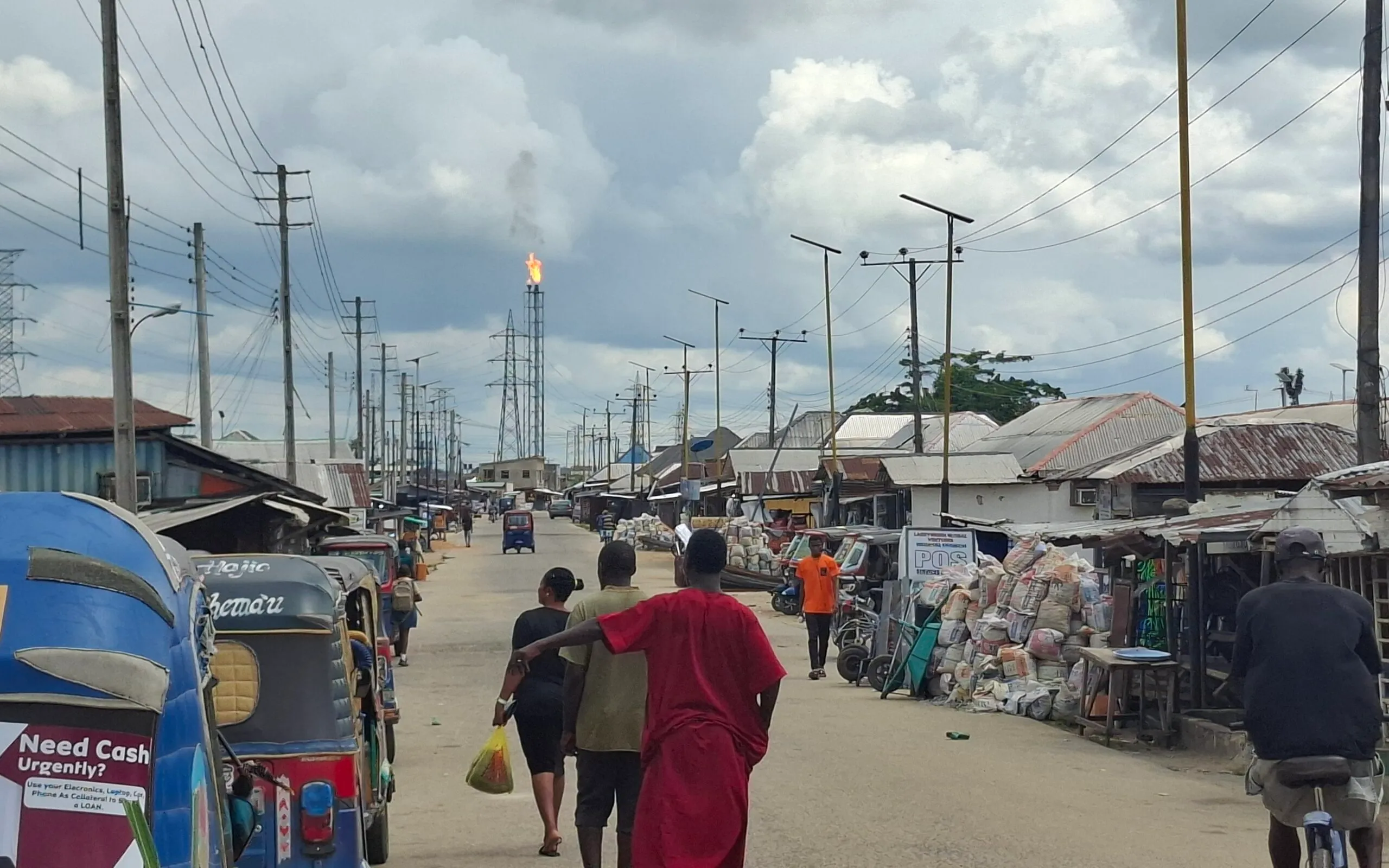
The Niger Delta is one of the world’s largest wetlands and also one of its most valuable oil-producing regions. For decades, oil spills, gas flaring, waste dumping and failed clean-ups have devastated communities who depend on its land, rivers and creeks for food, water and livelihoods. Amnesty International’s research has shown that Shell’s record there is not only an environmental scandal. It is a human rights crisis.
Why does the Niger Delta matter?
The Niger Delta is a vast network of creeks, rivers, mangrove forests and wetlands in southern Nigeria. Millions of people rely on farming and fishing there.
But it is also one of the world’s most important oil-producing regions. Shell began exporting its oil in 1958 and went on to operate around 50 oil fields and a vast pipeline network. Other fossil fuel majors, like Chevron, Eni, ExxonMobil, and Total also went into business there, in partnership with the Nigerian government. Its export economy has consisted majorly of oil and gas ever since, making up more than 90% of the country’s total exports for years.
For communities living near oil infrastructure, the cost has been devastating.