For decades, the Niger Delta has powered Nigeria’s economy, generating the oil wealth that has financed national development. Yet, beneath that prosperity lies a region burdened by polluted rivers, degraded farmlands and disappearing livelihoods. At the 2026 Correspondents’ Week of the Correspondents’ Chapel of the Nigeria Union of Journalists, Rivers State Council, environmental advocates warned that unless urgent remediation is undertaken, the country’s oil-rich heartland risks leaving future generations with a legacy of environmental devastation rather than prosperity. Blessing Ibunge reports
For nearly 70 years, the Niger Delta has fuelled Nigeria’s economy. Its crude oil has financed national budgets, built highways and other infrastructure, serviced public debt, funded political ambitions and sustained Africa’s largest economy.
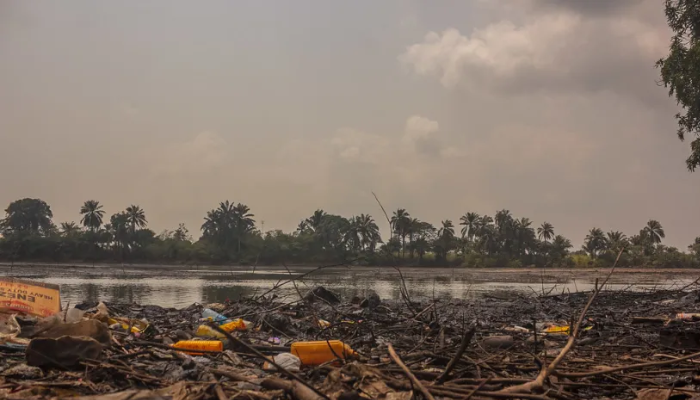
Yet, while immense wealth flowed from the creeks and swamps of the region into government coffers and corporate balance sheets, many of the communities where the oil originates have been left with polluted rivers, degraded farmlands, contaminated groundwater and shrinking livelihoods.
For many residents, the environmental crisis is no longer measured only by the number of oil spills or gas flare sites. It is reflected in empty fishing nets, infertile farmlands, unsafe drinking water and communities that increasingly struggle to survive in an ecosystem that once sustained generations.