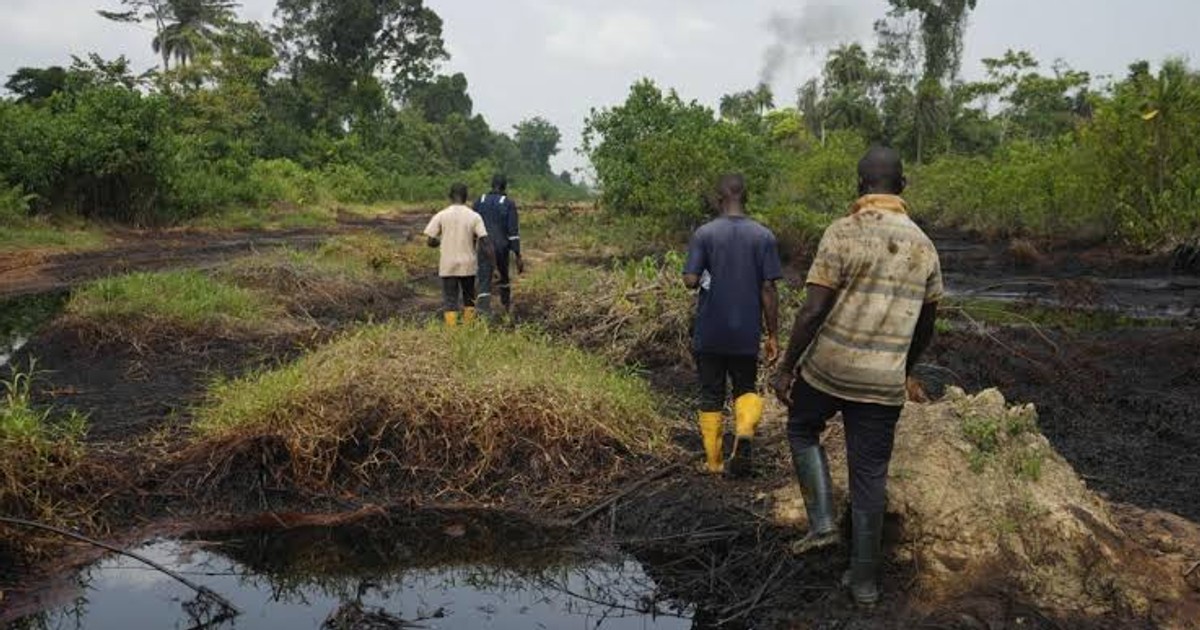
Conversations about the Niger Delta often revolve around what lies beneath the soil rather than what grows from it. It is true that the Niger Delta has powered Nigeria’s economy since crude oil was discovered in commercial quantities in 1956 at Oloibiri, Bayelsa State.
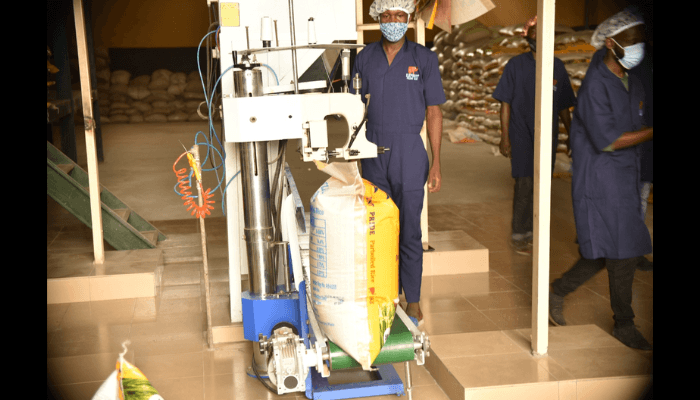
Today, the narrative is changing as efforts are underway to reposition agriculture to help secure Nigeria’s future prosperity. The plan is to build an agricultural economy that rewards investment, drives industrial growth and positions the Niger Delta as one of Nigeria’s leading destinations for agribusiness.
The Niger Delta possesses the natural and economic fundamentals that investors seek. The region is endowed with fertile land, abundant freshwater resources, diverse ecological zones, extensive coastline and inland waterways, and access to major domestic and export markets. Across the Niger Delta states lies enormous potential for crop production, aquaculture, livestock, agro-processing and agricultural trade.
Niger Delta Agricultural Development and Investment Fund
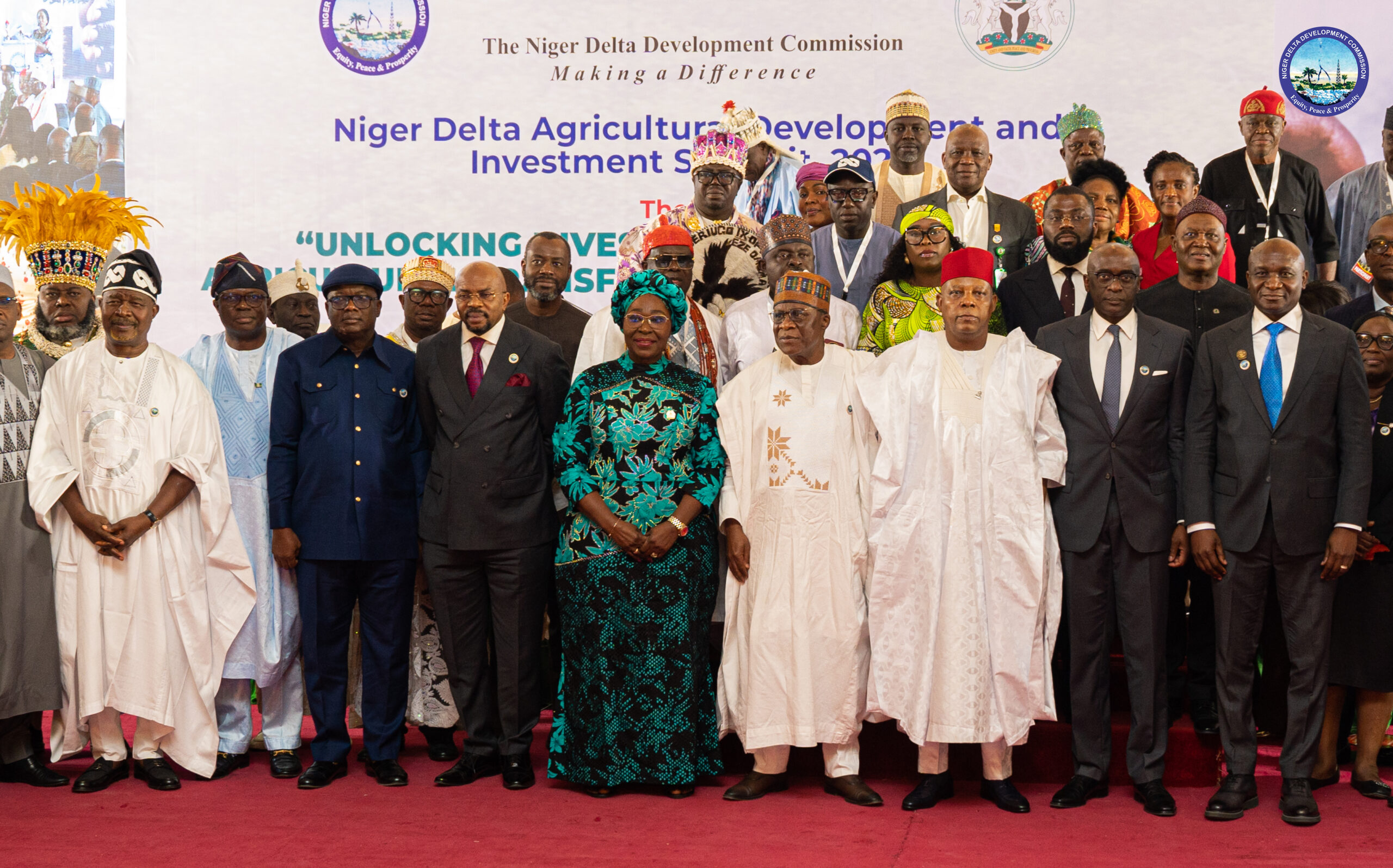
On 15 July, the Banquet Hall of the Presidential Villa in Abuja came alive with strategies to reposition agriculture in Nigeria’s oil-rich region. It was a day Vice President Kashim Shettima unveiled the Niger Delta Agricultural Development and Investment Fund and inaugurated a Coordinating Council for agricultural development and investment in the Niger Delta region.