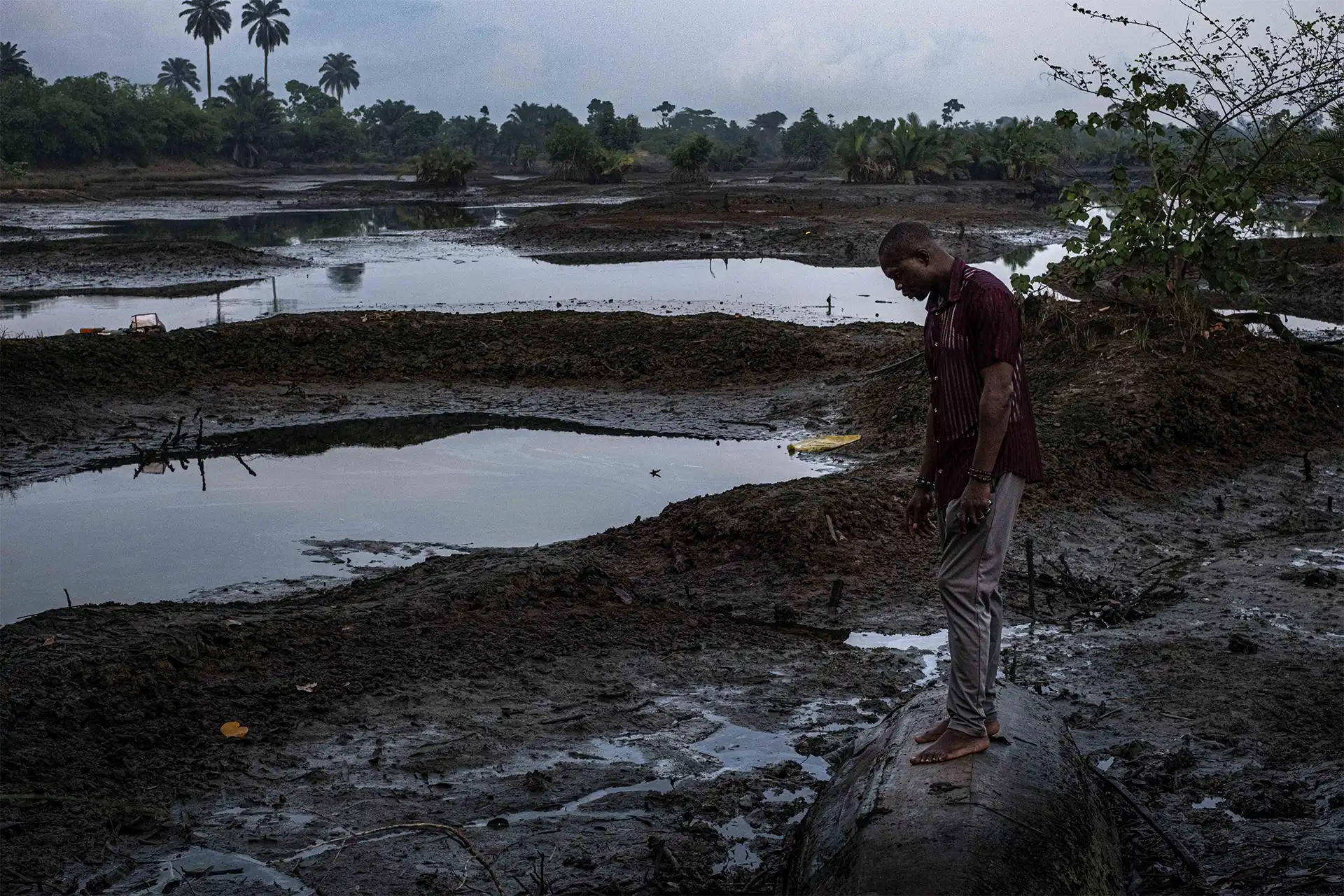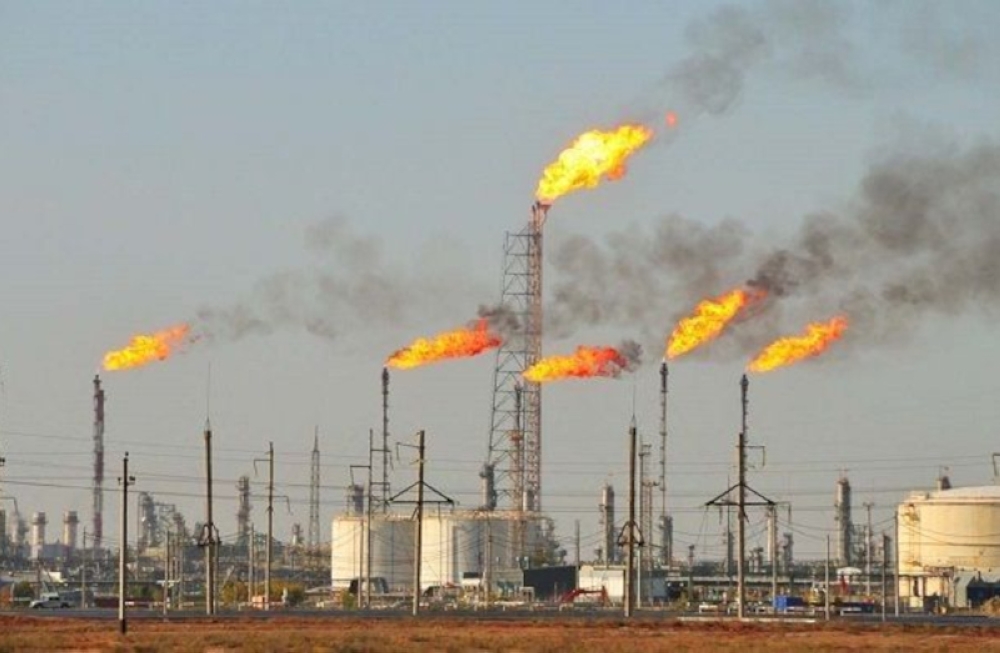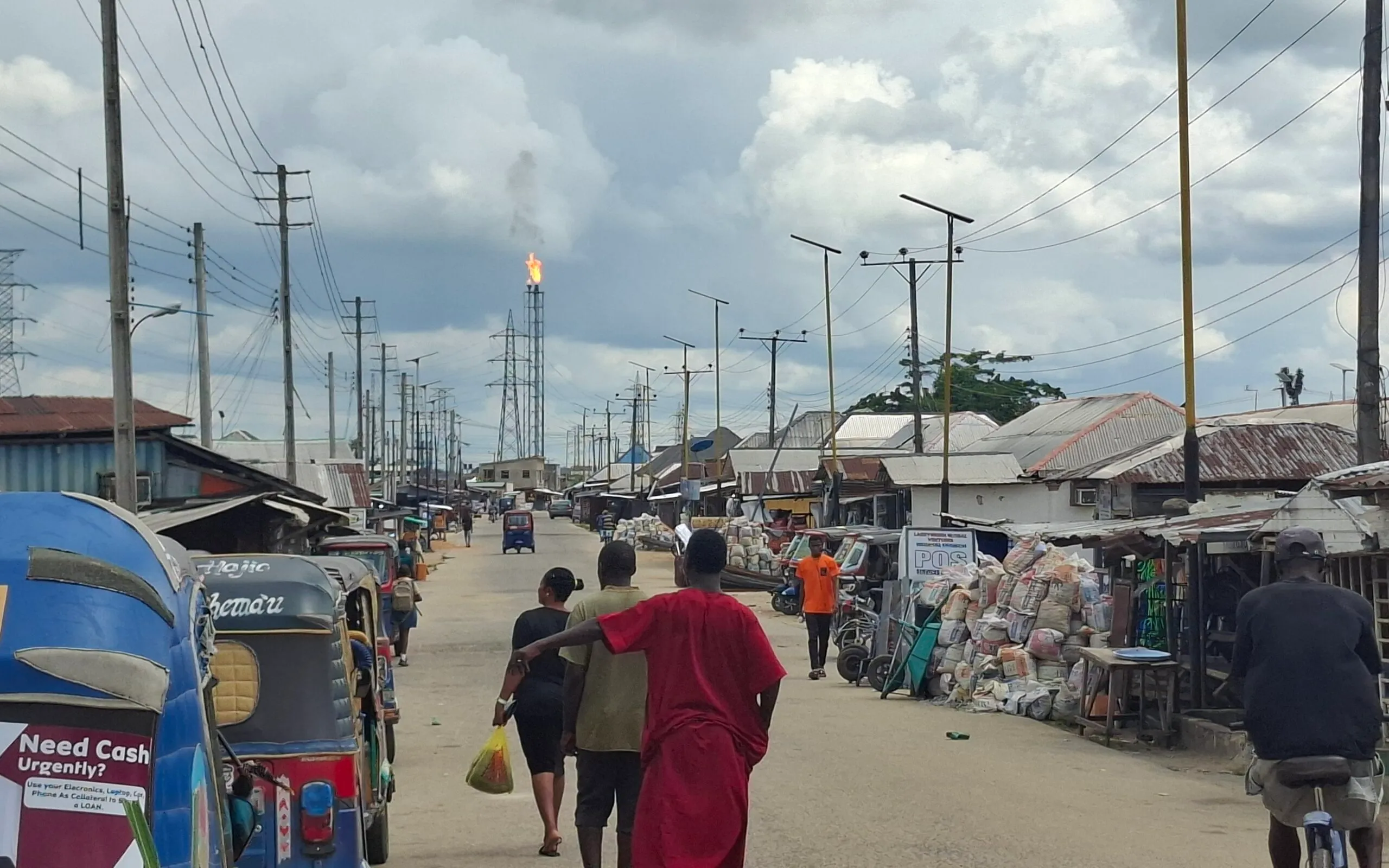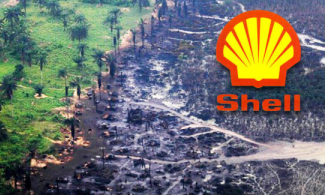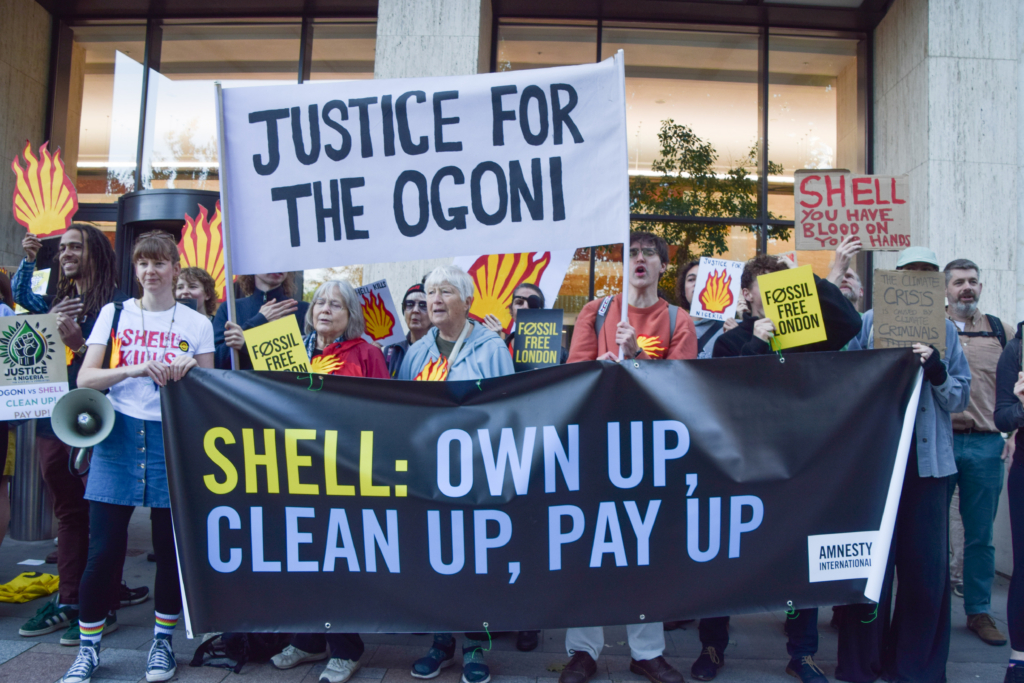
Shell must answer for decades of pollution in the Niger Delta after internal company documents revealed broken rules, failing infrastructure and unresolved clean-up costs that risk leaving affected communities to pay the price, a coalition of human rights and environmental organisations, including Amnesty International, said today in a new report.
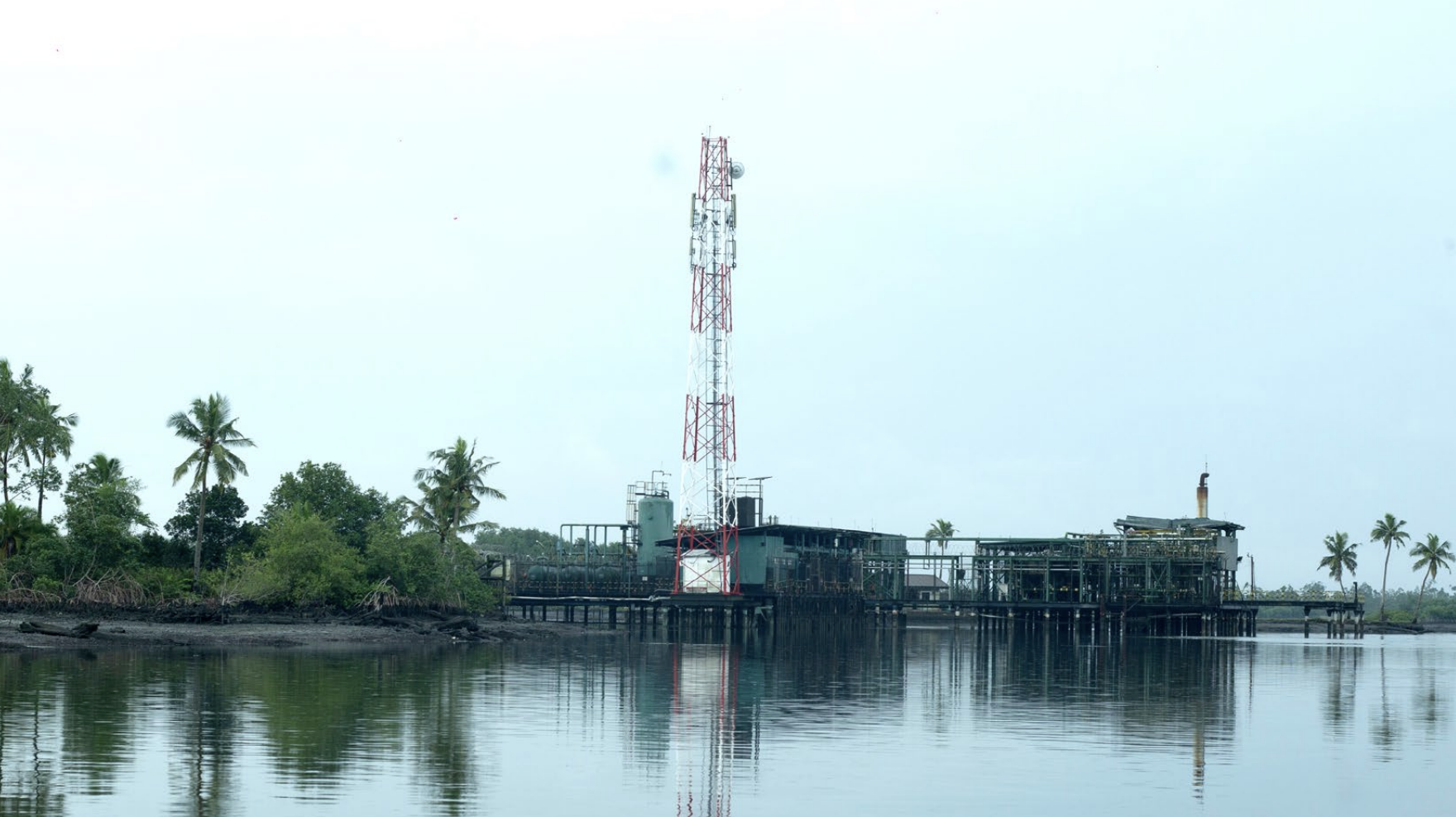
The report, Nigeria: Lifting the Lid, analyses internal Shell emails, audits, presentations and confidential reviews disclosed in UK legal proceedings, revealing a wider human rights scandal than previously reported. While Shell presented its operations as meeting global standards, the documents point to concerns raised by the Nigerian army over alleged complicity in oil theft, suspected staff and contractor collusion, exemptions from safety standards, chronic neglect of known pipeline integrity risks, missing well data, weak leak detection and flawed spill monitoring.
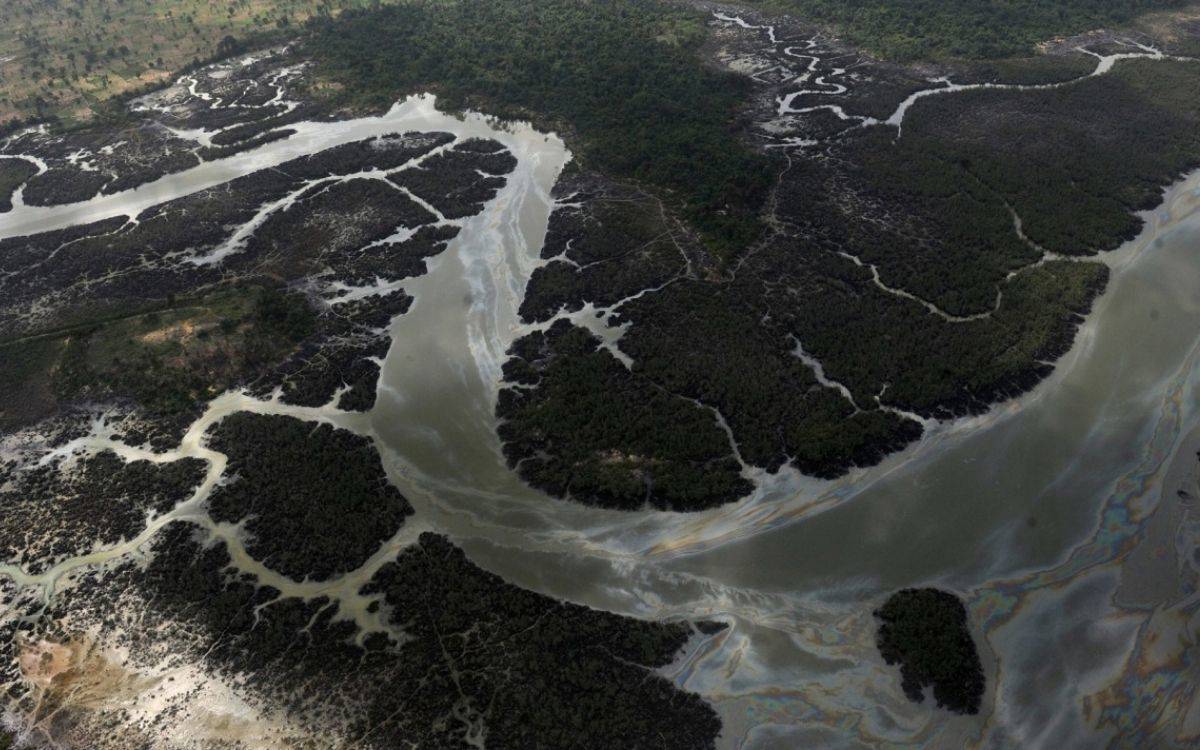
Shell knew the risks from ageing and leaking infrastructure, including an old pipeline internally described as “a basket” [case], yet kept oil flowing. It later decided to divest its onshore business rather than face the enormous cost of clean-up and decommissioning, including an internal US$10.9 billion decommissioning estimate. A separate internal presentation stated that 375km² of mangrove forest had been harmed by pollution.