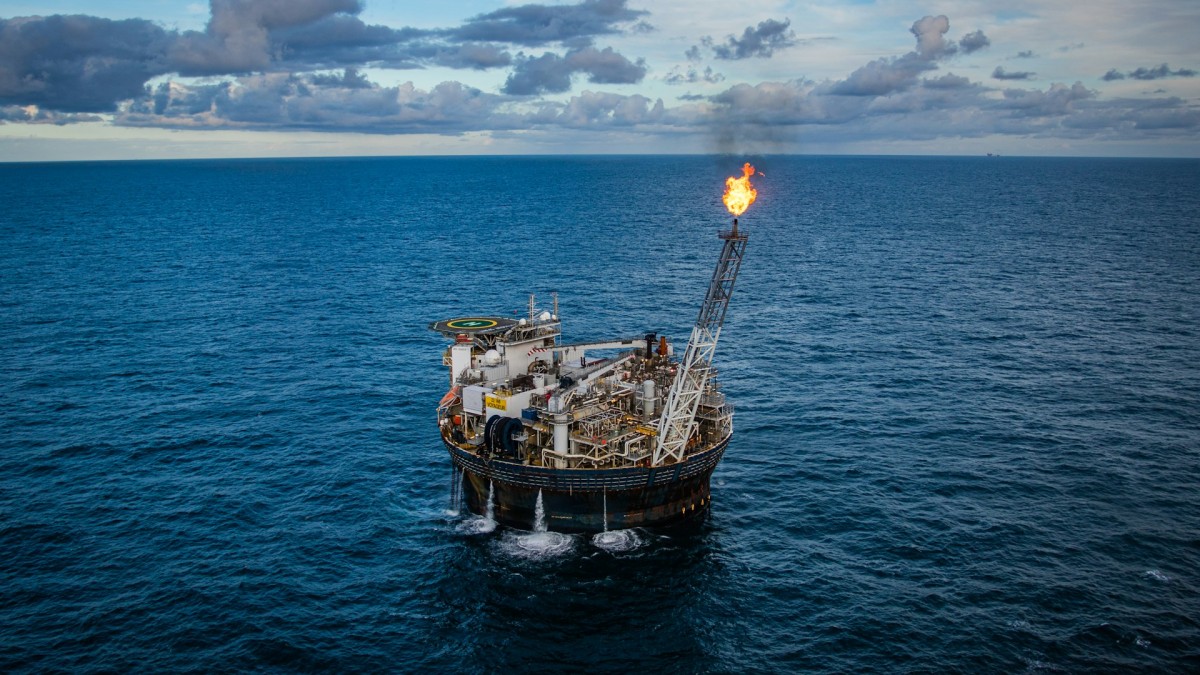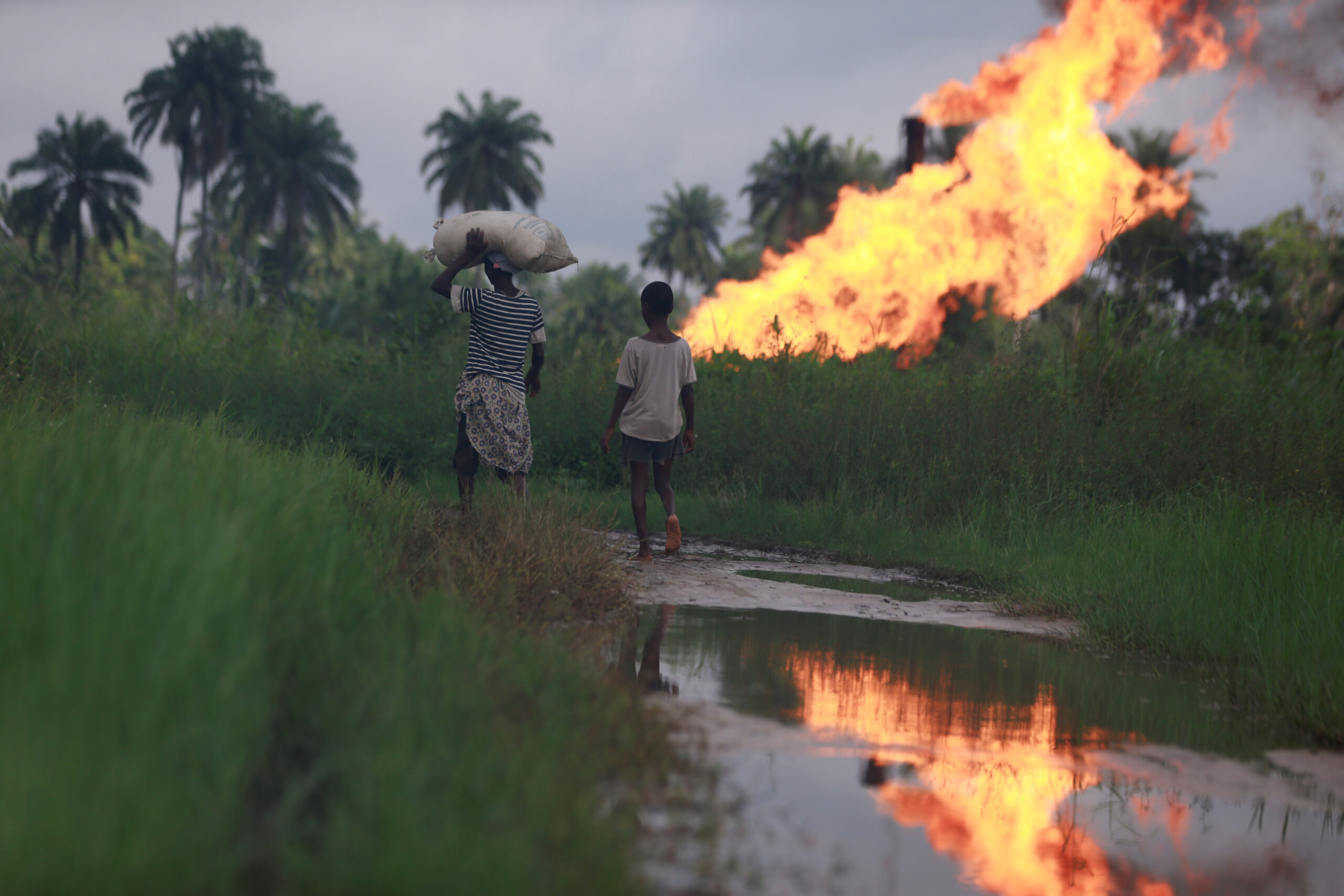
When Shell sold its onshore oil operations in Nigeria to the Renaissance Africa Energy Company last year, the divestment transformed the fossil fuel giant’s climate performance – helping it become the first energy major to report zero routine flaring.One year on, gas flaring at some of these assets has increased significantly, while Shell has continued to benefit commercially from them, according to a new investigation by nonprofit group Data Desk, shared exclusively with Climate Home News.Since March 2025, Shell has traded 8 million barrels of oil from the Niger Delta’s Forcados terminal, which was included in the Renaissance deal, Data Desk’s analysis of information supplied by commodities data firm Kpler found.It is a similar picture at the Bonny terminal, where Shell’s operations were also transferred as part of its onshore exit. Shell is recorded as having traded 3 million barrels of oil from this facility, south of the city of Port Harcourt, since the deal went through.Multimillion-dollar oil shipmentsUsing an average 2025 global Brent crude price of $69 per barrel, 11 million barrels of oil shipped from the two terminals since the completion of Shell’s divestment would be worth $759 million.Shell chartered the tankers carrying the oil to buyers around the world – from Ivory Coast and South Africa, to Canada and Italy, the Kpler data shows.“Whoever is running Shell’s old oilfields in Nigeria needs to get that oil to market,” said Neil Atkinson, former head of the Oil Industry and Markets Division at the International Energy Agency (IEA).“So it may well be that while Shell no longer runs a facility, the firm that took it over may have an arrangement to continue selling oil through Shell, thereby making use of their connections and trade networks,” Atkinson said.Shell’s shipping and chartering arm made a profit of £24.8 million (about $33 million) in 2024, the most recent date available, up from £17 million the year before.Asked about Shell’s continuing ties to the two terminals, a Shell spokesperson said: “We don’t comment on trading activities or specific customer relationships.”Renaissance did not address a question from Climate Home News about its ongoing commercial ties with Shell.Environmental legacyThe new reporting raises fresh questions about how energy majors present their climate performance to investors and consumers, and the environmental legacy they are leaving behind after selling fossil fuel assets in countries such as Nigeria, where Shell has operated for nearly a century.Many of Shell’s onshore oil fields had been in production for decades by the time the company sold its Nigerian onshore subsidiary over a year ago for $2.4 billion to Renaissance, a consortium of Nigerian companies and an international firm that aims to double oil production by 2030.Six months after finalising the deal, Renaissance CEO Tony Attah said the company had already boosted output at Shell’s former fields by 100,000 barrels per day.
How Shell is still benefiting from offloaded Niger Delta oil assets
Shell used its exit from onshore operations in Nigeria to boost its climate credentials, but new reporting shows that the firm continues to trade oil from its former business
1,201 words~5 min read