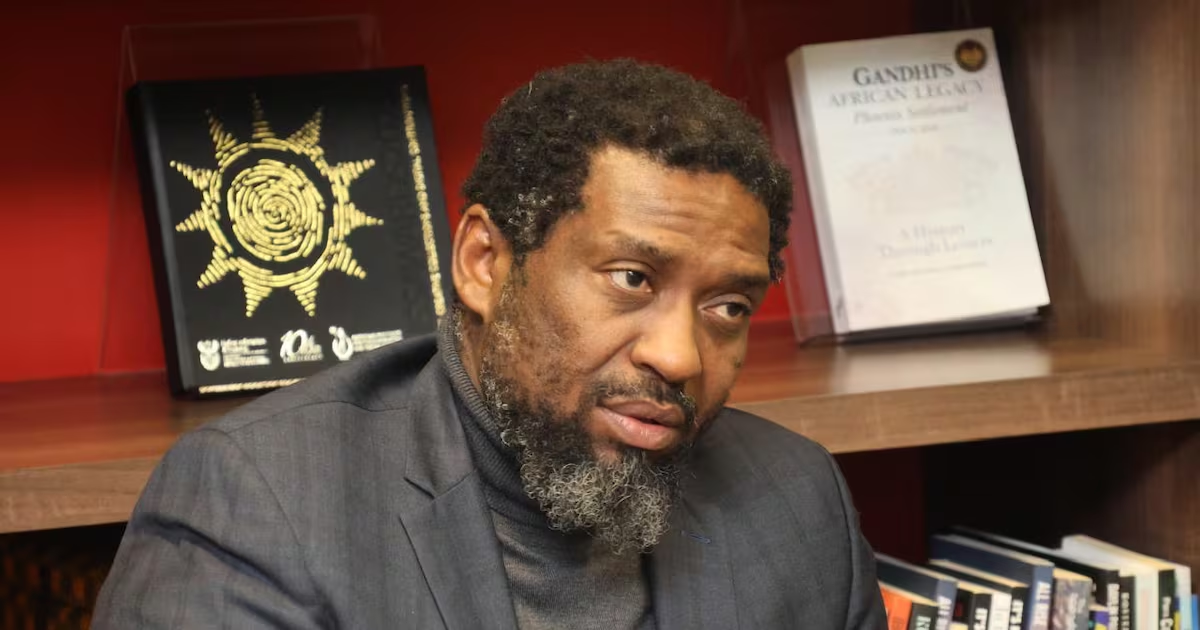
Professor Linda du Plessis, senior deputy vice-chancellor of the North-West University (NWU)
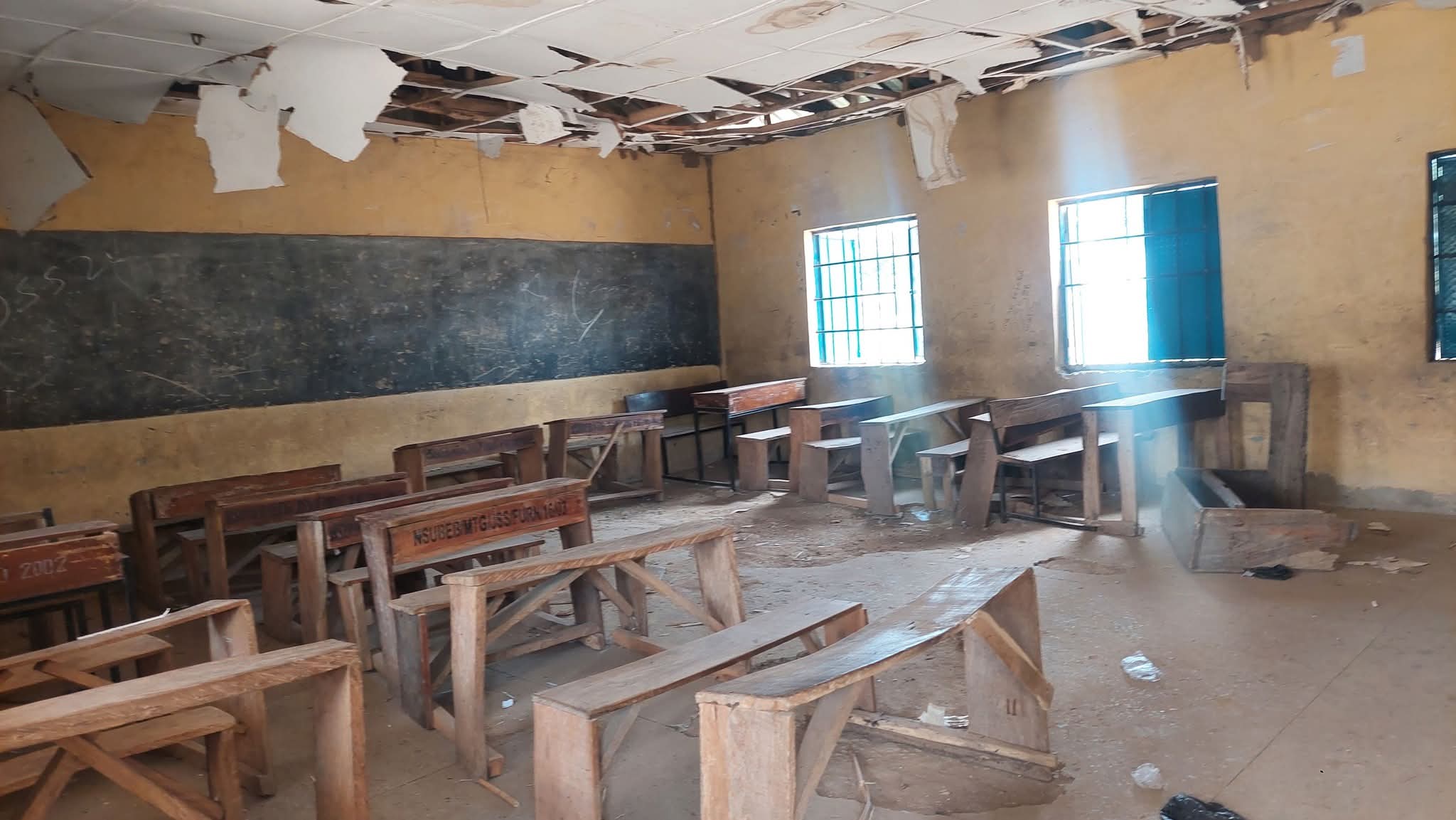
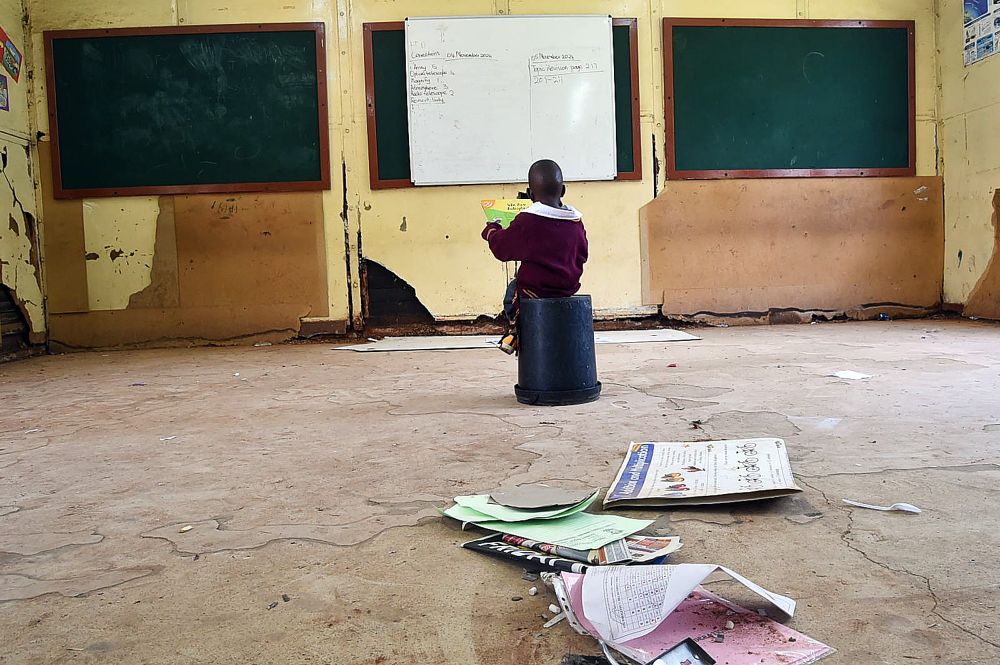
It is tempting, in South Africa, to speak about basic education in the language of crisis. Has the system collapsed? Have standards dropped? Does matric mean anything? It is an emotive language because many parents, teachers and learners have first-hand experience of overcrowded and under-resourced classrooms.
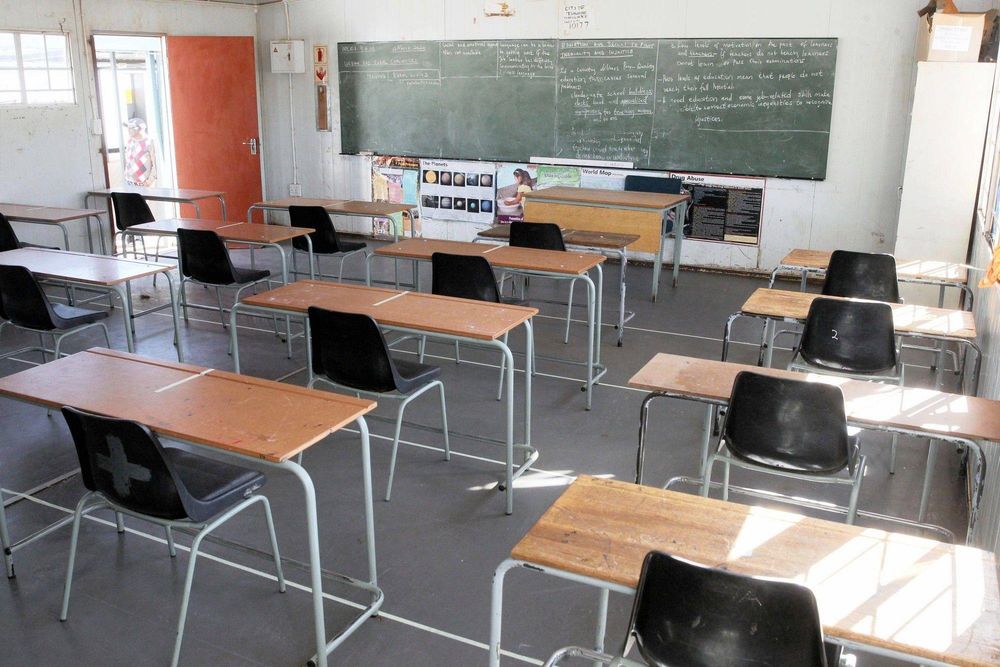
But perhaps the more uncomfortable truth is this: South Africa’s basic education system has not collapsed. It is still standing. It still enrols millions of children. It still produces dropouts, matriculants, diploma candidates and Bachelor-level passes. The recent True South Africa – evidence series report s report on education makes this clear: the system is under considerable strain, but the evidence does not support a narrative of total collapse. It argues instead for ‘realism without despair’, acknowledging expanded access, improved matric outcomes and persistent inequality simultaneously.
Similarly, the oft-repeated claim that learners ‘only need 30% to pass’ is labelled misleading because the National Senior Certificate is a tiered qualification with Higher Certificate, Diploma and Bachelor-level outcomes, each signalling a different level of achievement. The report also notes that Bachelor-level passes have increased significantly as a proportion of all National Senior Certificate passes.