This article draws on the Institute's True South Africa Evidence Series, Data. Context. Perspective., and in particular its report on Education in South Africa.
Every January, as matric results are released, South Africans seem to have the same argument. The pass mark is too low. Matric has been dumbed down. Standards have collapsed. Universities are turning away qualified students because there simply are not enough places. Our schools, we are told, are producing certificates that mean less and less each year.
The conclusion is usually the same: South Africa's education system has failed.
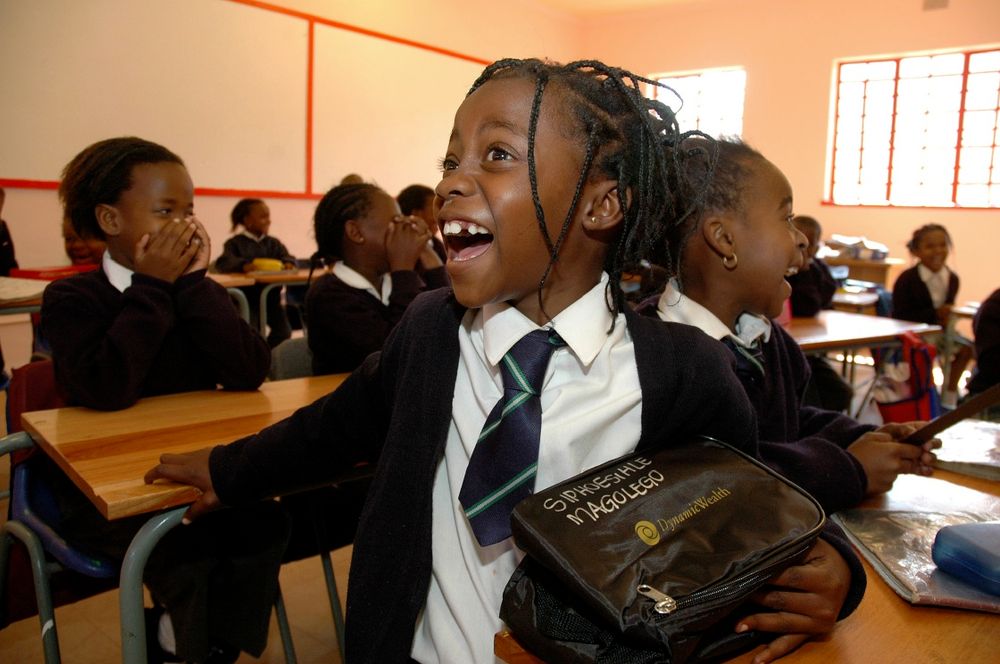
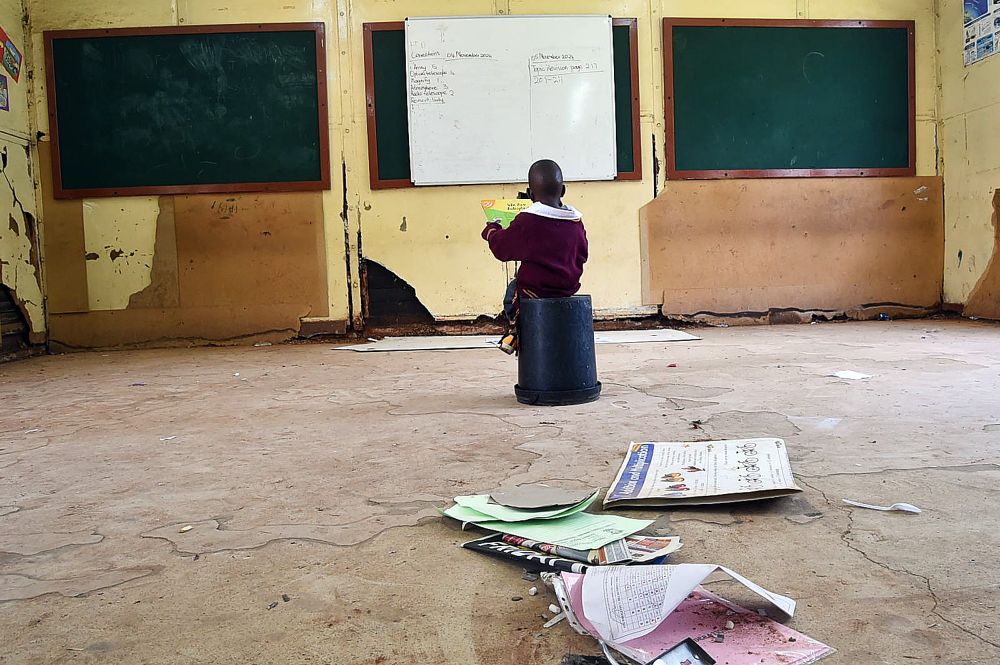
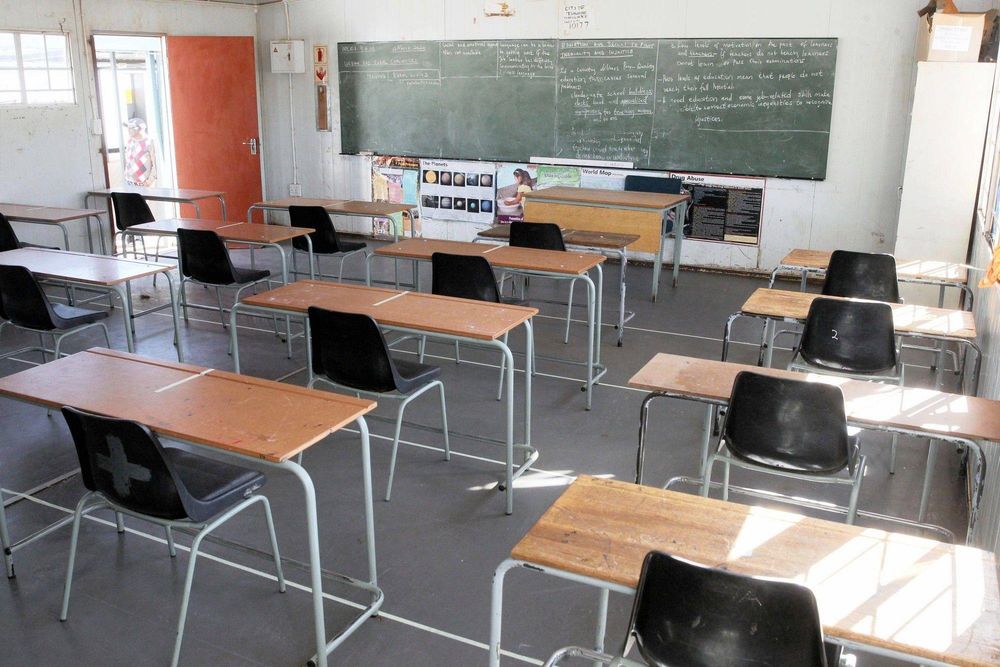
It is an understandable conclusion. Many parents have experienced overcrowded classrooms. Many teachers work under impossible conditions. Too many children still leave school without the knowledge and skills they deserve. The inequalities between well-resourced and poorly resourced schools remain among the greatest in the world. None of that should be denied.
There is, however, another factor that is often missing from this debate. Since 1994, South Africa's population has grown by more than 50 per cent. Every year, hundreds of thousands of additional children must be accommodated in classrooms, taught by qualified educators and supported through an already stretched education system. Any fair assessment of educational performance must therefore ask not only whether outcomes have improved, but whether the system has managed to expand while maintaining standards. That is a far more demanding test than public debate usually acknowledges.