New analysis highlights a persistent literacy crisis in South Africa, where reading comprehension challenges are driven by gaps in early childhood education, classroom resources and teacher training.
When we think about the issues facing South Africa's youth this Youth Day, the conversation tends to gravitate towards the visible ones – unemployment, drugs, violence, exam pressure. There is, however, a quieter crisis sitting underneath all of those, and it is the one that will shape almost every other outcome in a young person's life: the country's literacy gap.
The numbers are bracing. 81% of South African Grade 4 learners cannot read for meaning in any of the official languages. That figure, drawn from successive Progress in International Reading Literacy Study (PIRLS) results, is not a fluctuation. It has been telling the same story year after year.
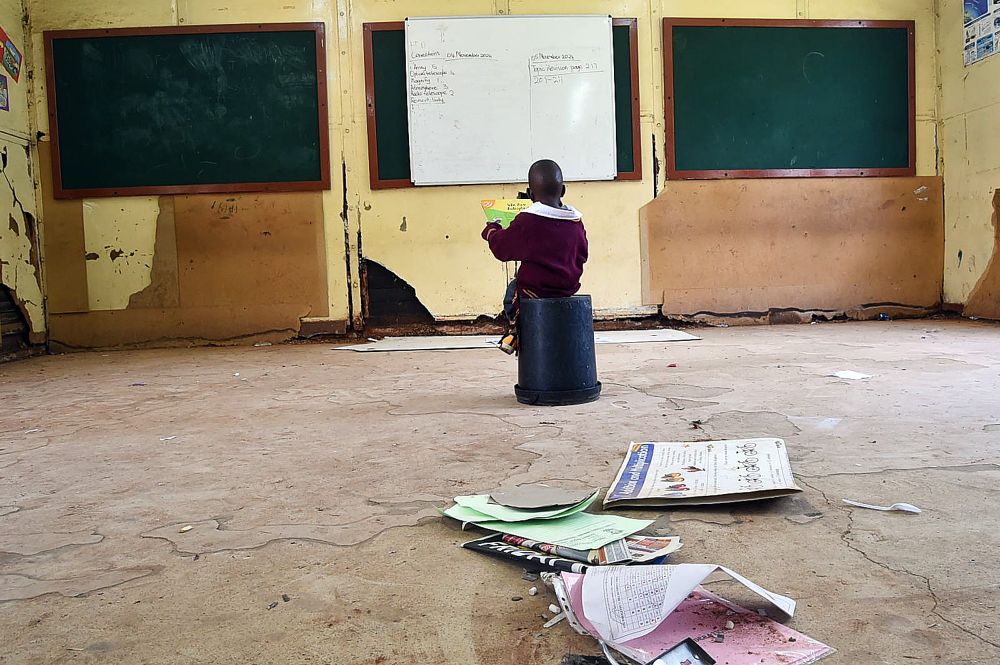
A child who cannot read for meaning by the end of Grade 4 is a child who will struggle in every subject that depends on reading – which is almost all of them. Literacy is not one school subject among many. It is the gateway to every other subject, and to most of life beyond school. For two decades, the national conversation around education has been about access – getting children into classrooms. We have, in fact, achieved near-universal access to basic education. What we have not achieved is what is supposed to happen inside those classrooms. The challenge today is no longer whether children are at school, but whether they leave it with the foundational skills that unlock every other kind of learning.