Only a fraction of South African learners can read for meaning by Grade Four. This analysis explores why early reading failure continues to undermine the education system and what needs to change.
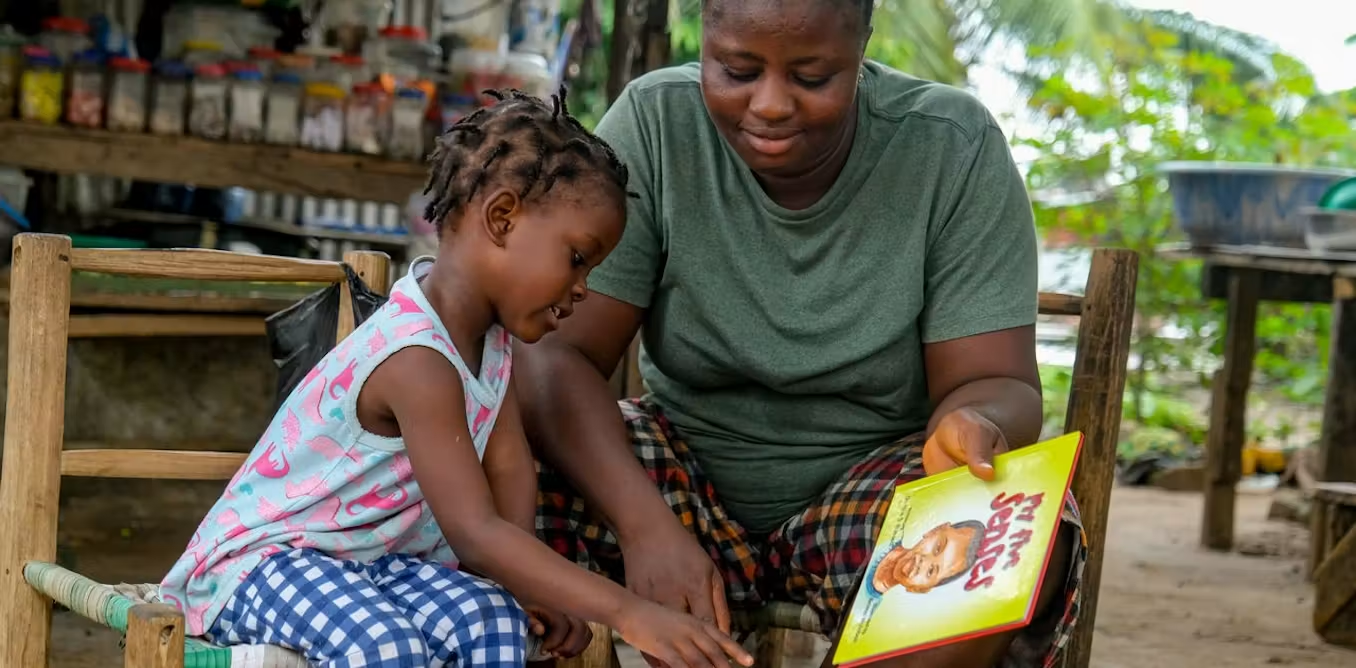
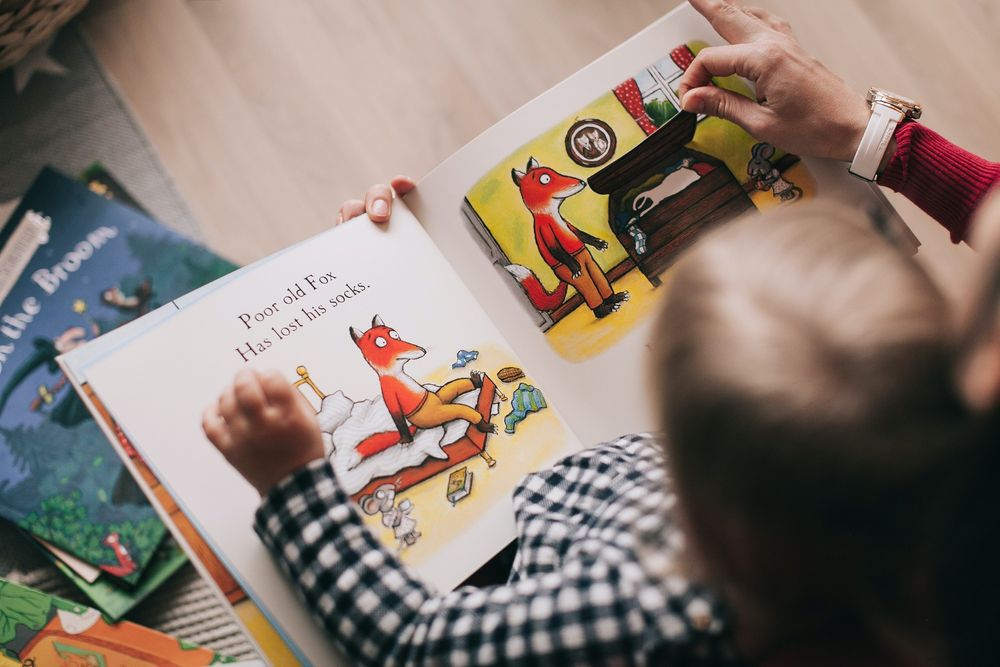
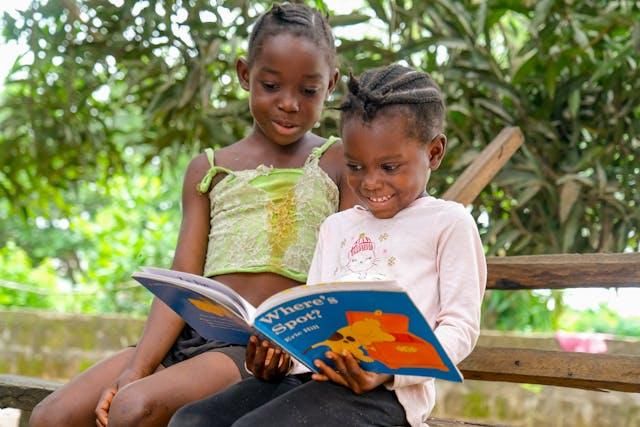
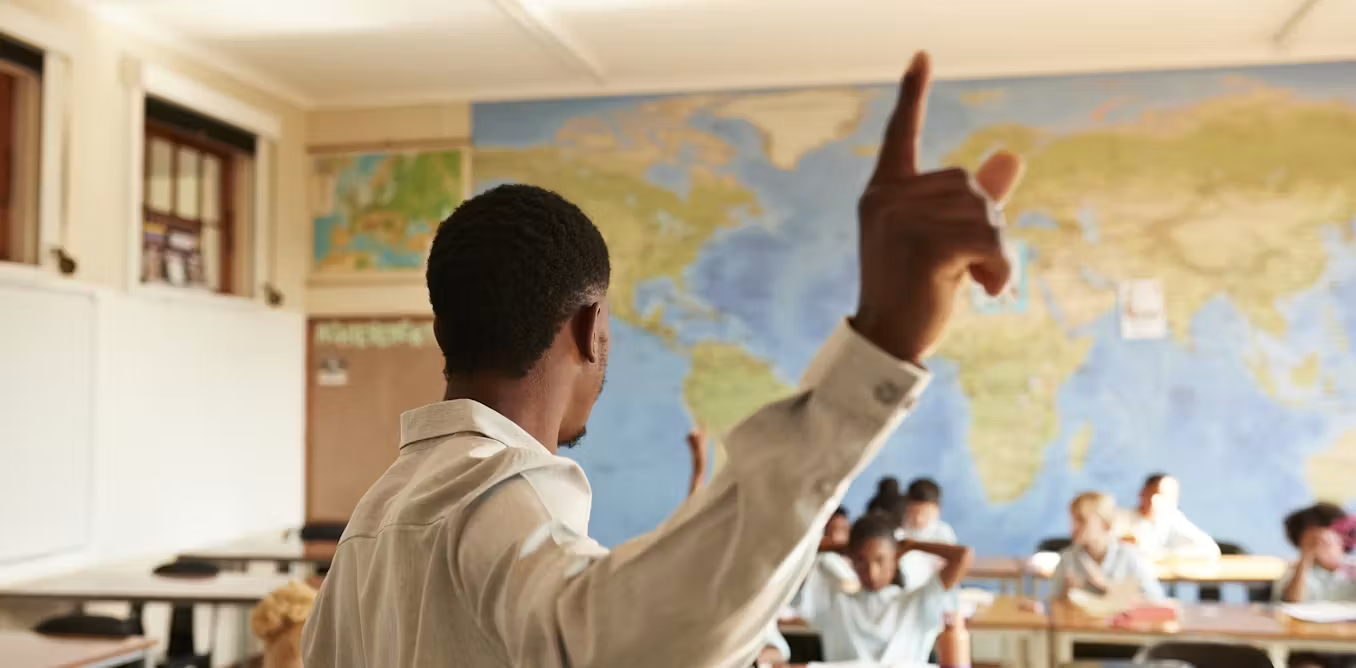
Walk into a typical South African Grade Three classroom on a sunny morning, and you are greeted by rows of bright eyed eight year olds with their whole lives ahead of them. But look closer at the open storybooks on their desks. For one out of every four children, the pages remain entirely silent. The ink doesn't resolve into stories; it stays locked as meaningless shapes, cutting them off from the world of words before their futures even begin.
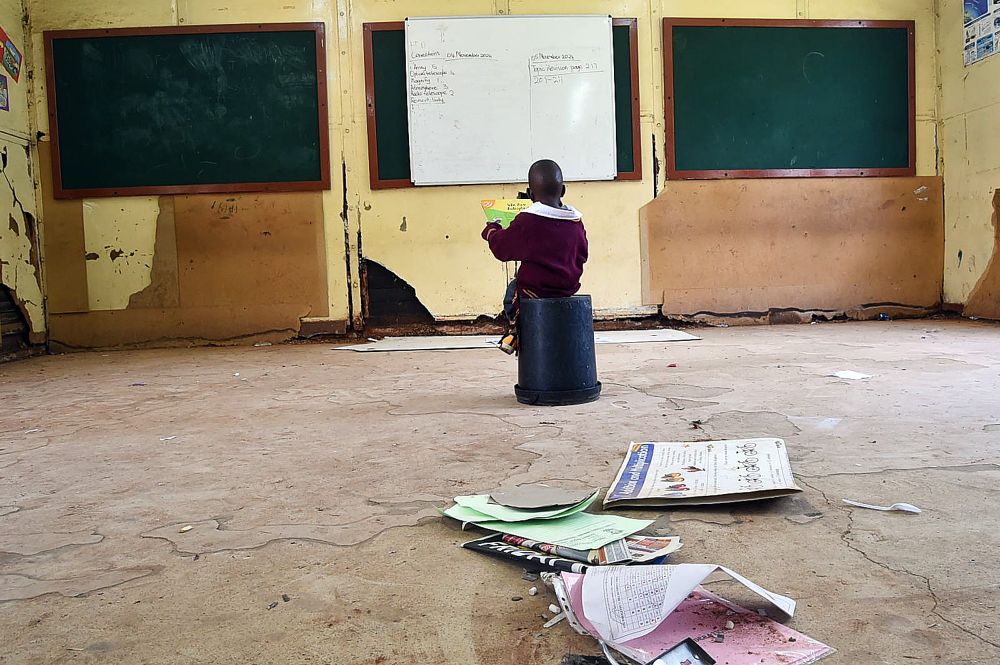
According to the Department of Basic Education’s Funda Uphumelele National Survey (FUNS), only 30% of learners in Grades One to Three are reading at grade level in their home language. Across the country, 15% of Grade Three children cannot read a single word. When the latest international and local assessments are synthesised, the reality is stark: only about 20% of our Grade Four learners can read for meaning. If a child cannot read by the end of Grade Three, the rest of the school curriculum becomes an insurmountable challenge.
Recent research by Ursula Hoadley and her colleagues (2025) at Stellenbosch University revealed a jarring paradox: while these early learning outcomes are devastatingly low, more than 60% of South African students still manage to complete high school. How? The study shows the system relies on lenient progression policies, highly predictable exam papers that reward rote "parrot fashion" memorisation, and school based assessments heavily cushioned by stressed educators. By the time these students reach high school, teachers face intense bureaucratic pressure to keep moving them along, resulting in classrooms where children are pushed ahead without knowing the basics. We then spend resources on emergency plans like matric camps and intense Grade 12 tutoring to boost the final pass rate. But trying to fix a broken foundation in the final hour only masks the crisis.